I've used Google Keep for years to save article ideas, collect research, make checklists, and jot down notes I do not want to forget. I can open it on my phone or computer and quickly find something I saved earlier.
But when dozens of notes compete for space, finding the right one can become a chore. A few simple customizations have changed how I organize my notes, from using colors and labels to making important information stand out at a glance.
Here is how I made feel more personal, organized, and easier to use every day.
I created custom headers to make my notes stand out
Adding more personality to my notes
My biggest frustration with Google Keep is that I can't choose any color I want or upload an image as a note's background. The built-in palette has several options, but I wanted something more distinctive, especially for categories I use regularly.
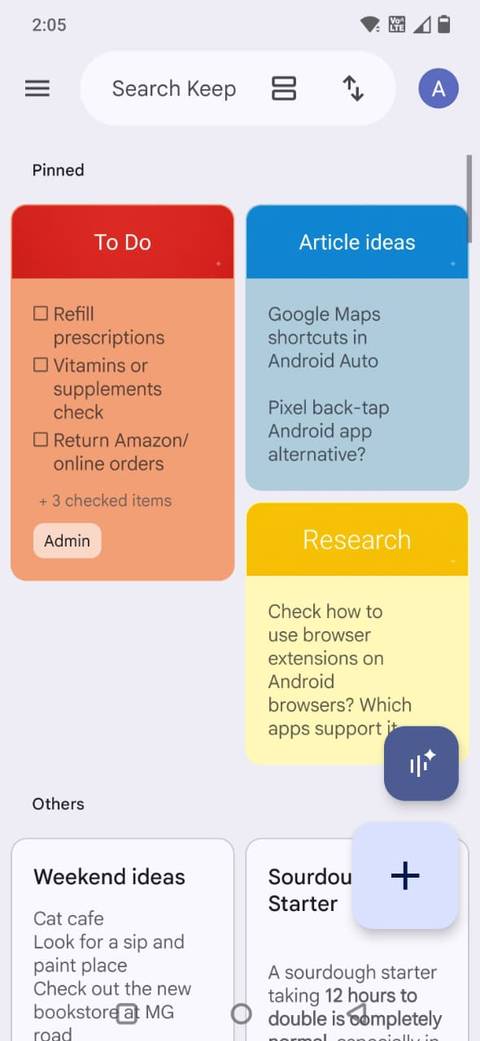
I came across the idea of using custom header images on YouTube, and it seemed like a clever workaround. Instead of changing the note's background, I could create a banner with a category name and attach it to the top of the note.
For example, I could create a blue banner for "Article Ideas," a bright yellow one for "Research," and a red one for "To Do."
You could make the graphics in Microsoft Paint or Photoshop, or ask Gemini to generate a simple design.
For consistency, I use the same font and layout for every banner, changing only the background color and category name.
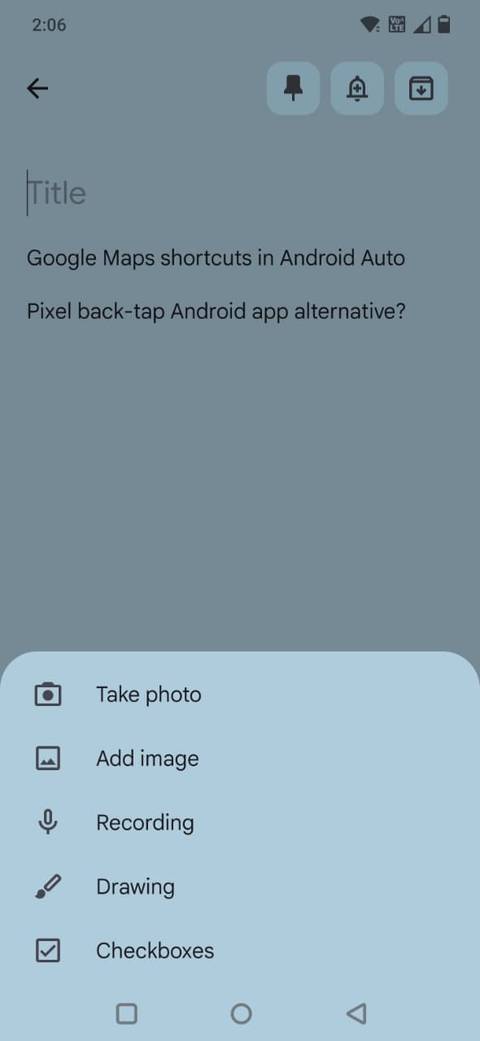
After I've saved the image, I open Google Keep, create a note, tap the Title field, select Add image, and choose the banner from my gallery. The image appears at the top of the note, effectively serving as a visual heading.
I leave the title field empty and start the note's content underneath the image. That avoids repeating the same category name in both the banner and the title.
I use colors and backgrounds to create visual categories
Color coding makes it easier to find what I need
Colors are more than just a way to make Google Keep look aesthetic. I use them as a visual filing system, assigning different colors and backgrounds to different kinds of notes so I can tell them apart at a glance.
For instance, I use blue for work-related ideas, yellow for shopping lists, and orange for personal reminders. This makes a crowded notes feed much easier to scan.
Google Keep lets me choose from a gallery of colors and themed backgrounds for individual notes so I can go beyond the default sticky-note look.
To change a note's appearance on Android, open it, tap the in the lower-left corner, and choose a color or background from the available gallery.
Labels make my Google Keep notes easier to find
They give my notes some structure
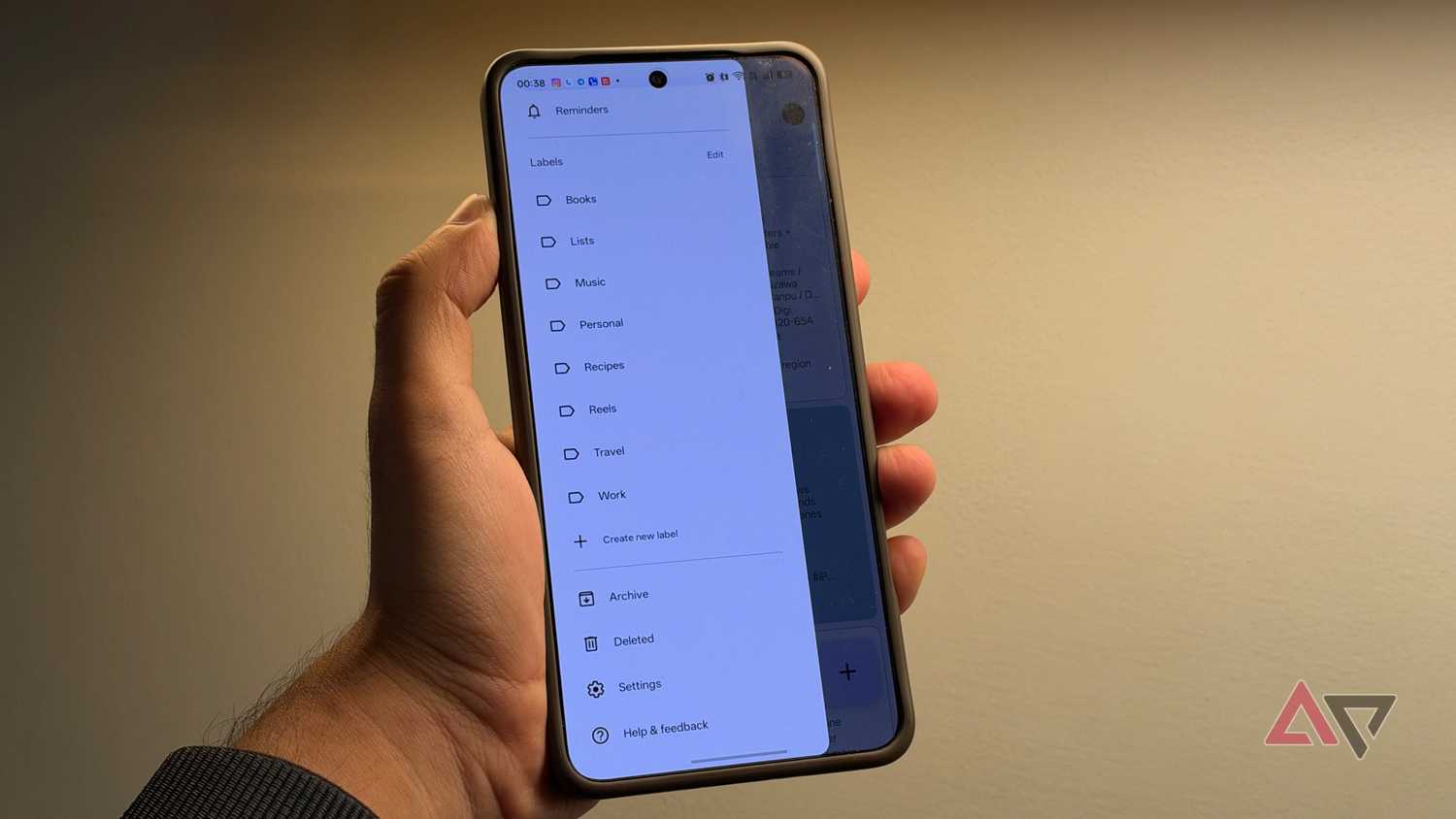
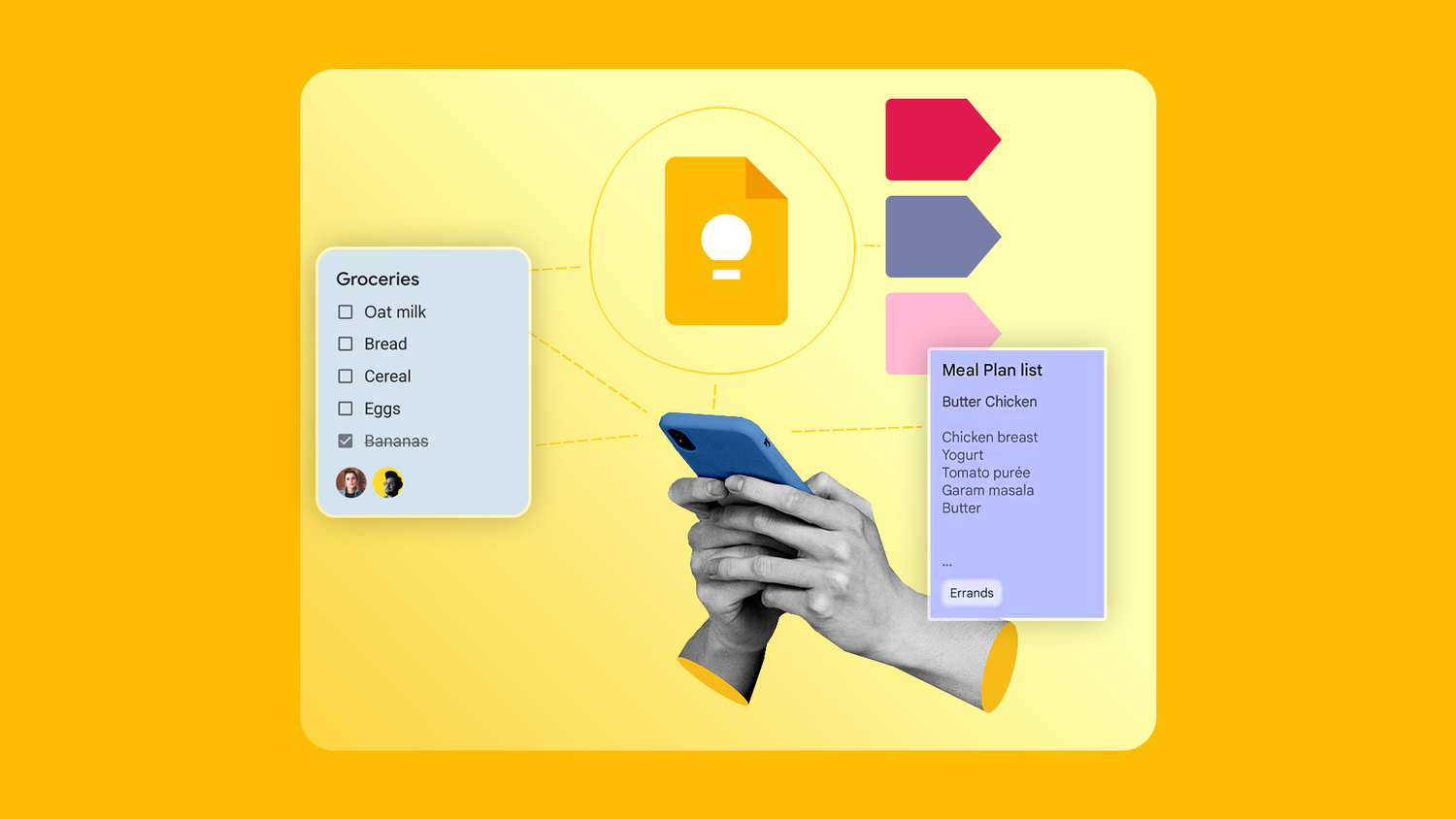
Colors and custom headers make my notes easier to recognize, but labels help me keep everything organized as my collection grows.
I use labels to group related notes under categories such as work, travel, shopping, and ideas. Unlike colors that provide quick visual cues, labels offer a practical way to access every note related to a topic without scrolling through my feed.
I can assign multiple labels to a single note, which is useful when a note fits into more than one category. For instance, a note containing hotel bookings and places to visit can have both Travel and Planning labels.
I pin the notes I need most often
I keep frequently used notes at the top
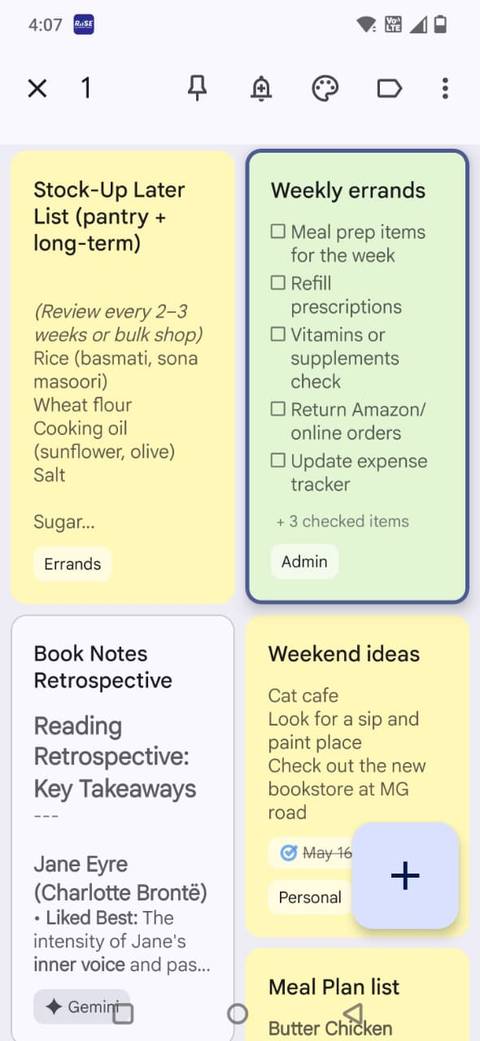
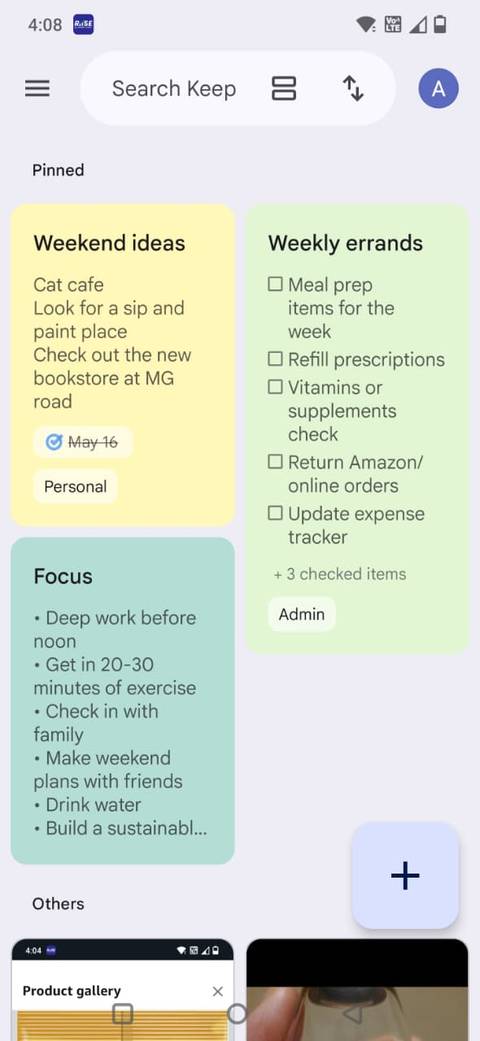
After organizing notes by color, background, and labels, I pin my most important ones so they stay easily accessible.
By pinning these notes to the top, I can quickly access frequently used information.
I reserve this feature for notes I revisit regularly, such as my current to-do list, important reference details, ongoing project notes, and a shopping list I need throughout the week.
To pin a note, open it in the Google Keep app and tap the at the top.
I use widgets to keep important notes within reach
Keep them visible on the home screen
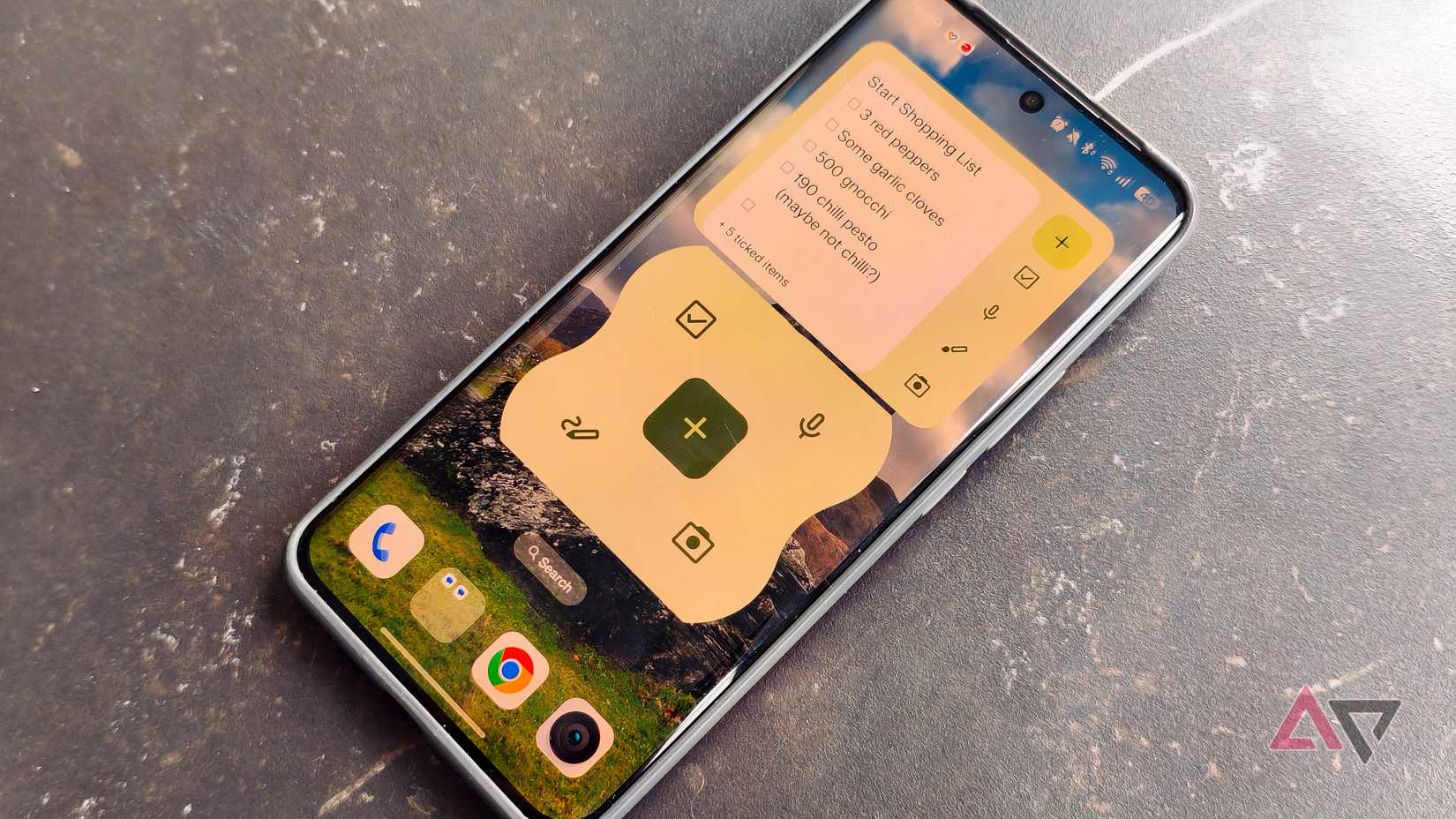
One of the easiest ways to make Google Keep more useful is to put my notes on my phone's home screen. I use widgets to keep important information visible, so I don't have to open Keep and scroll my notes every time I need something.
Google Keep offers a few widget options on Android, and each serves a different purpose. The Single note widget lets you display one specific note or checklist, making it ideal for a daily to-do list or a grocery list.
The Note collection widget displays multiple notes, and you can configure it to show all your notes, only pinned notes, or notes under a particular label.
There's also a Quick capture widget that lets you create notes and lists from the home screen.
To set up a widget, long-press an empty area on the home screen, tap , find Google Keep, and choose the widget you want.
Use Keep's search filters to find almost any note
Let its search tools do the digging
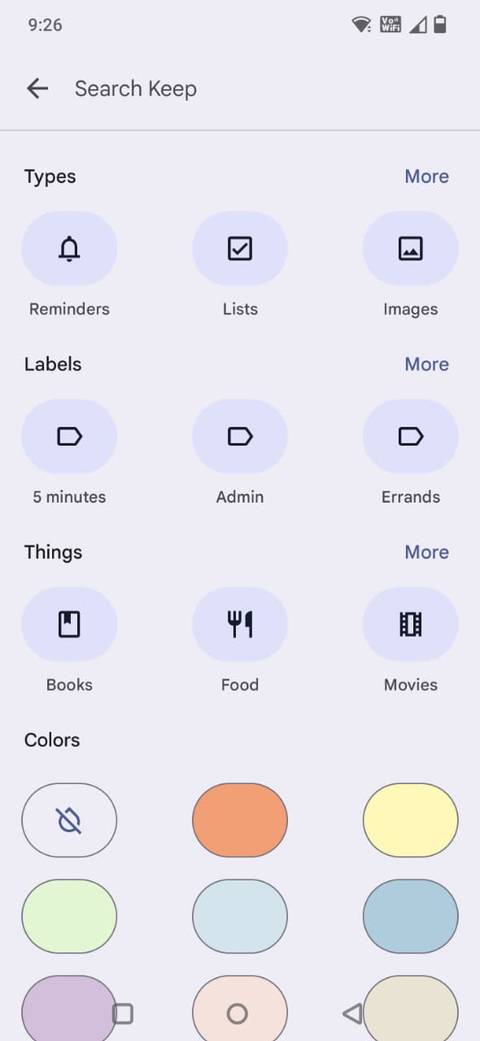
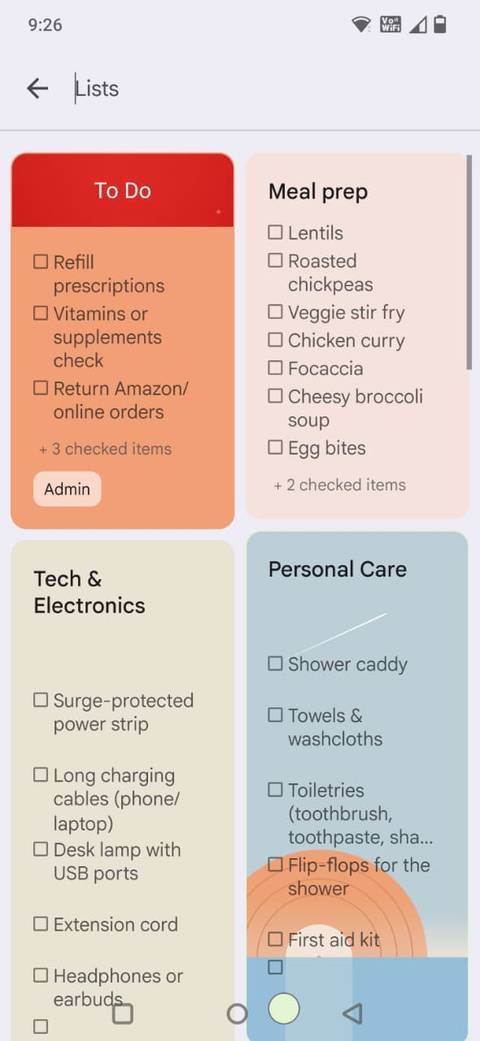
I don't always need to remember the exact words I used in a note to find it again. Instead, I narrow things down using a combination of search terms and built-in filters.
When you tap the search bar, you can filter notes by Types, Labels, Things, People, and Colors.
helps you find specific formats, such as lists, reminders, recordings, or URLs. are useful when you've already organized notes by topic, while groups notes into categories such as books, food, music, and travel.
You can also filter by the people you've shared notes with or by a note's color.
I like being able to search by color. If I've consistently used a particular shade for work notes or personal reminders, I can use that visual system to narrow my search instead of trying to recall a note's title.
Keep can even find text contained in photos, such as a receipt, by searching for the words visible in the image.
I personalized Google Keep with a few simple changes
A few tweaks have made my notes easier to recognize, organize, and find. Custom headers add personality, colors create visual categories, labels keep related notes together, and pinning ensures my most-used information stays close.
bring important notes to my home screen, while Keep's search filters help me track down older information without endless scrolling.
Whether you use for everyday reminders, work projects, shopping lists, or random ideas you don't want to forget, a little customization can make the note-taking experience feel much more personal and manageable.