- Another next-gen battery upgrade has been reported
- Zinc-iodine batteries are now more stable
- The tech promises a more sustainable lithium-ion replacement
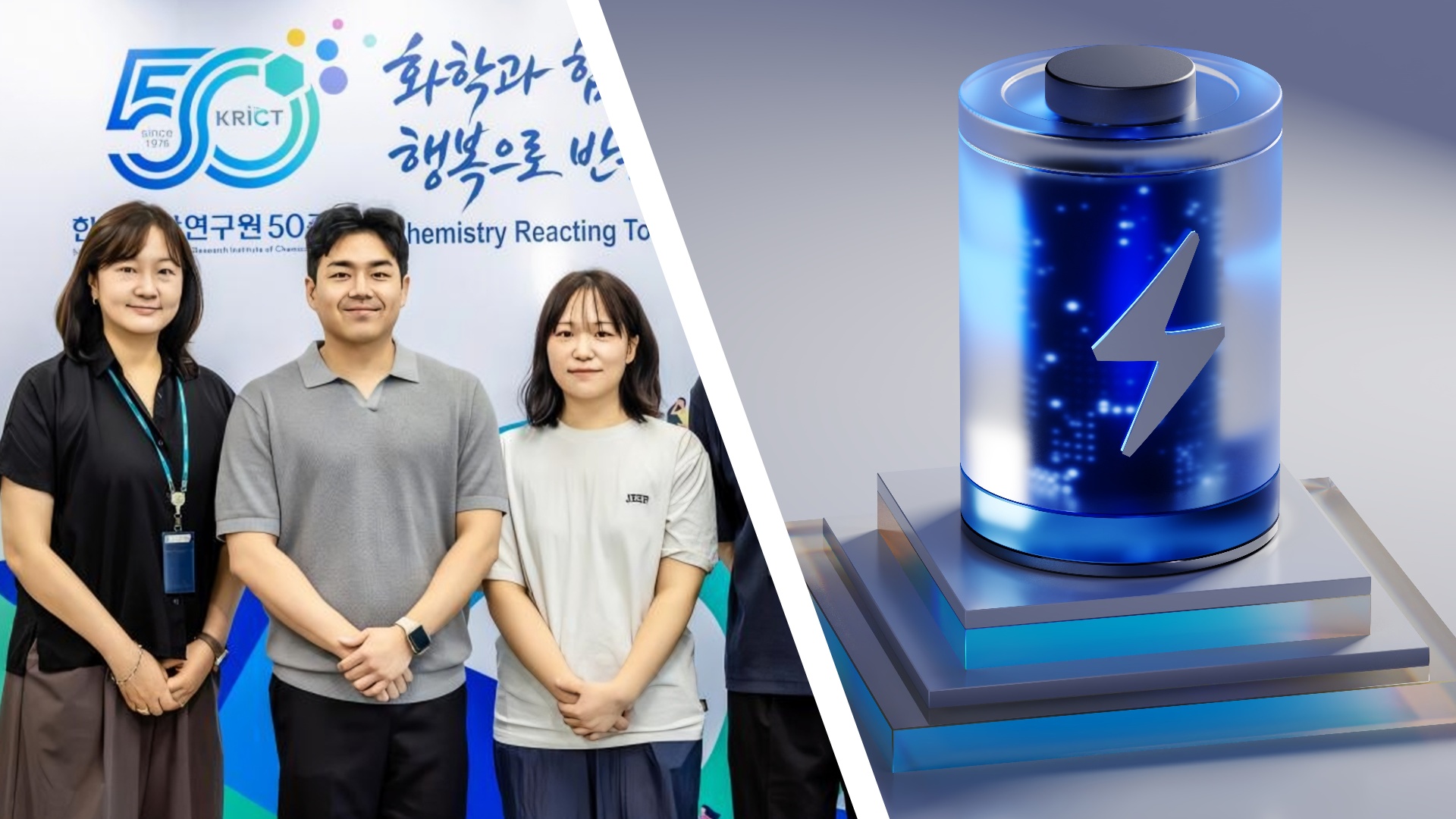
With so many modern-day devices dependent on rechargeable lithium-ion batteries, scientists are hard at work trying to figure out ways of improving the tech — and a team from the Korea Research Institute of Chemical Technology (KRICT) has just announced a significant breakthrough.
As reported by The Korea Times, the KRICT researchers have succeeded in boosting the power delivery capacity of lithium-ion battery chemistry by adding a small amount of a material called graphitic carbon nitride to the cathode end of the battery.
When a battery is charging, the lithium ions get pushed out of the cathode, through an electrolyte material, to the anode at the other end. When the battery is in use, the ions flow back in the other direction.
One potential way of storing more energy in a battery of the same physical size and weight is to make the cathode thicker, but there's a problem: this also makes it harder for the lithium ions to move and deliver all of the energy held in the battery. The new innovation that was successfully tested here could solve that problem.
Capacity boosting
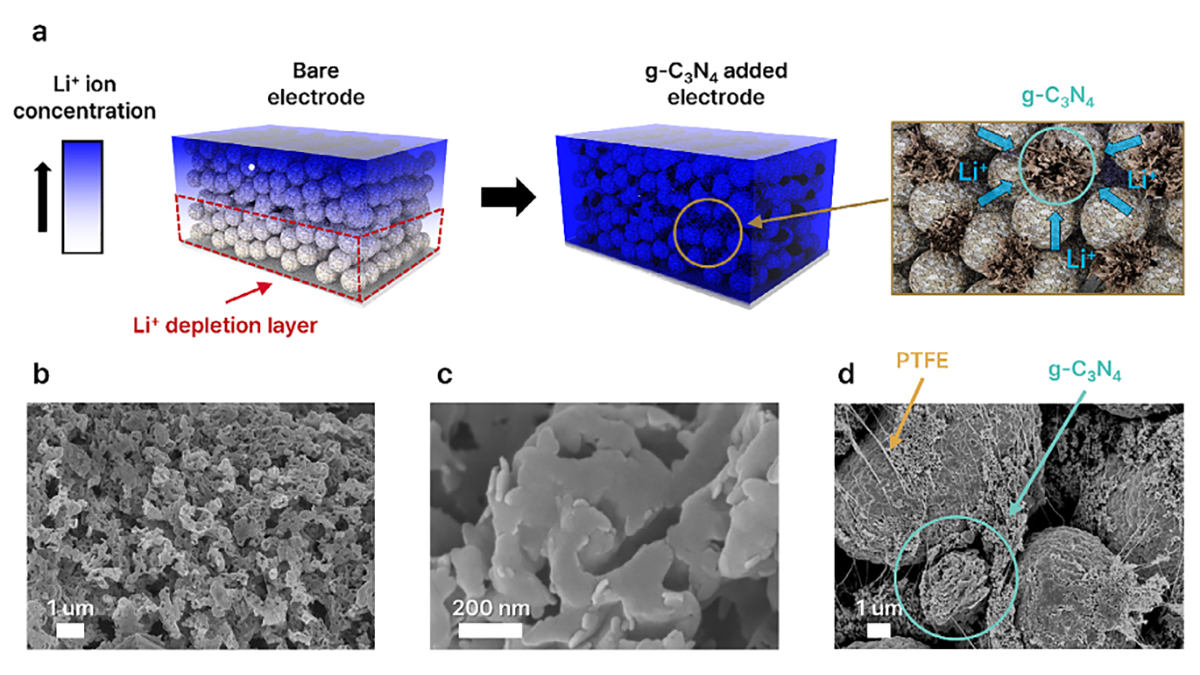
The researchers have reported some impressive numbers from their tests, though the tech is still at an early stage. Adding the graphitic carbon nitride to the cathode resulted in a 166% increase in capacity during high-rate discharge, and an increase in power density of up to 2.85 times.
Those figures don't mean a bigger capacity in mAh terms, but delivering more of a charge under heavy load, and for longer. In lithium-ion batteries, using a lot of energy quickly reduces how much total capacity you'll get from the battery compared to if you used the same amount of energy but more slowly.
In an EV, for example, this would mean that the vehicle could accelerate harder and sustain that high performance for longer without impacting total range as much. It would allow home batteries to better sustain their capacity if you use them with appliances that drain a lot of energy quickly, such as washing machines.
But smaller applications can benefit from it as well — drones can draw a lot of power suddenly to life themselves, or gaming and workstation laptops might suddenly draw a lot of power depending on the workload — they'd all benefit from tech that handles the power flow's effect on capacity better.
The tech could, in turn, result in batteries with thicker cathodes that do give you more mAh capacity in the same space, the researchers say — but that wasn't tested in this study. The next challenge is to try and scale up and expand the technology.
According to KRICT President Shin Seok-min, this alternative approach to lithium-ion batteries could potentially be used across electric vehicles, energy storage systems, and robotics — so it's very broadly applicable, especially for devices and systems that can take batteries that are physically larger.