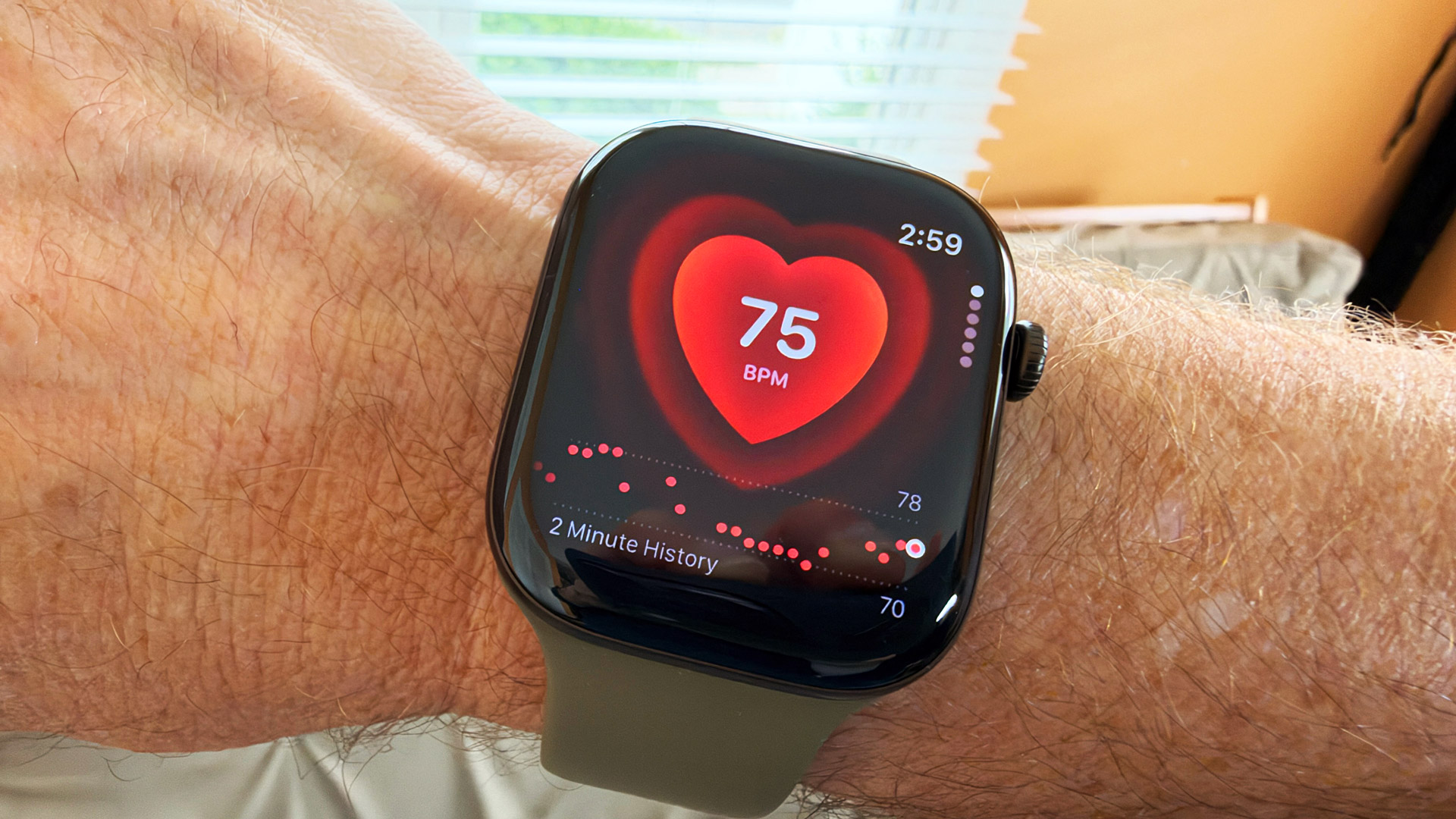
Remember when the Apple Watch was just a fitness gadget, primarily devoted to notifications and workout tracking? Now it's like a medical technician on your wrist, measuring everything from heart rate (with readings every 5 seconds), temperature, blood oxygen, respiratory rate, and sleep. It's so comprehensive that it can now, with the enhanced Vital apps, give an overall sense of your current well-being.
Apple gave its now two-year-old Vitals section a makeover in preparation for the upcoming Readiness view in the soon-to-be-released redesigned Health App. In the meantime, you can see Readiness in Fitness. It uses readings from Apple Watch (Vitals, Sleep, Activity) to come up with a Readiness score. Basically, the number, on a scale from 1 to 10, tells you how ready you are to take on the challenges of the day. Today, I'm a 7!
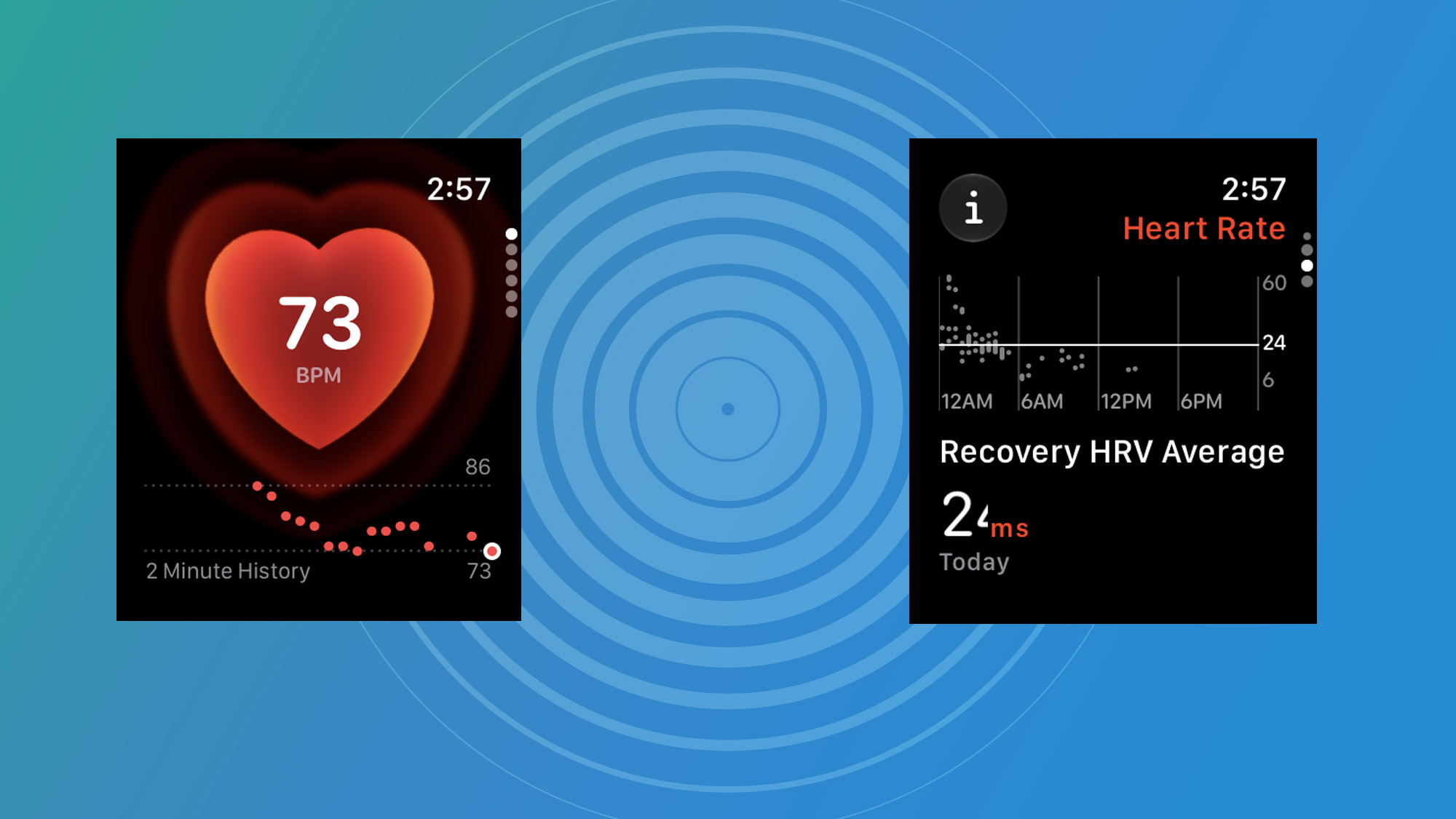
I'm not a health nut, but I try to keep physically active and in shape, and I generally watch what I eat (and sometimes that means watching myself eat a donut). On my Apple Watch Series 12 — as with previous Apple Watches — I enjoy tracking my workouts and, ever since I started wearing the watch to sleep, my sleep score. Apparently I get, on average, roughly 4.75 hours or so of sleep a night (ugh).
For my needs, knowing that I completed a workout and that my sleep is good (or not) is enough, but perhaps I'm not typical. Certainly, Apple has seen an opportunity to transform the Apple Watch into a true and more proactive health wearable, one that can not only measure vitals in real time but also alert you to potentially serious issues.
Apple Watch knows a lot about you
We've all read stories of the Apple Watch detecting potential heart issues and people then getting checked out by a professional and discovering a real, albeit treatable issue. Apple Watch has long been able to help you in dire situations like a car crash or fall. When I took a spill not too long ago, I set off Apple Watch's fall detection (I wasn't hurt, so I stopped it from dialing emergency services), and I saw it do the same when a relative took a particularly dramatic tumble, where I think we let the call go through (she's fine). I do often recommend the Apple Watch as an eldercare device.
These are all positives, but I'd be lying if I didn't admit that the level of physical data my Apple Watch is now collecting and collating in the Health app (and Fitness App) is overwhelming.
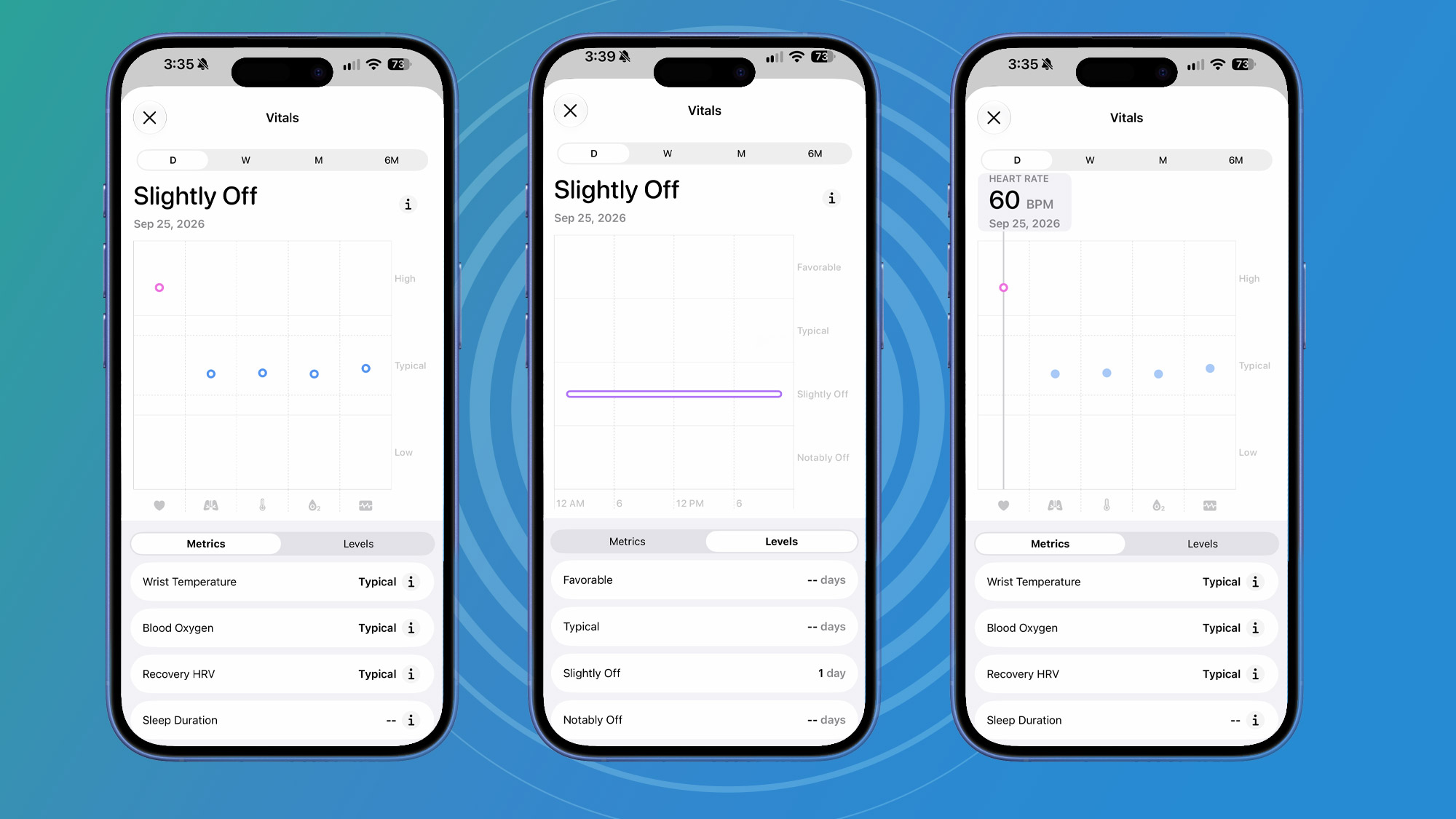
With Apple leaning harder and harder into health tracking, Apple made a major sensor change for the Apple Watch Series 12. Its new sunburst-style heart rate sensor features large green LEDs (replacing the sparser red diodes) in a ring array capable of taking heart rate readings every five seconds (there's also 24% more watch surface-to-skin contact). Now I have Heart Rate Variability (HRV) readings that are fed to, among other things, the enhanced Vitals section in Health.
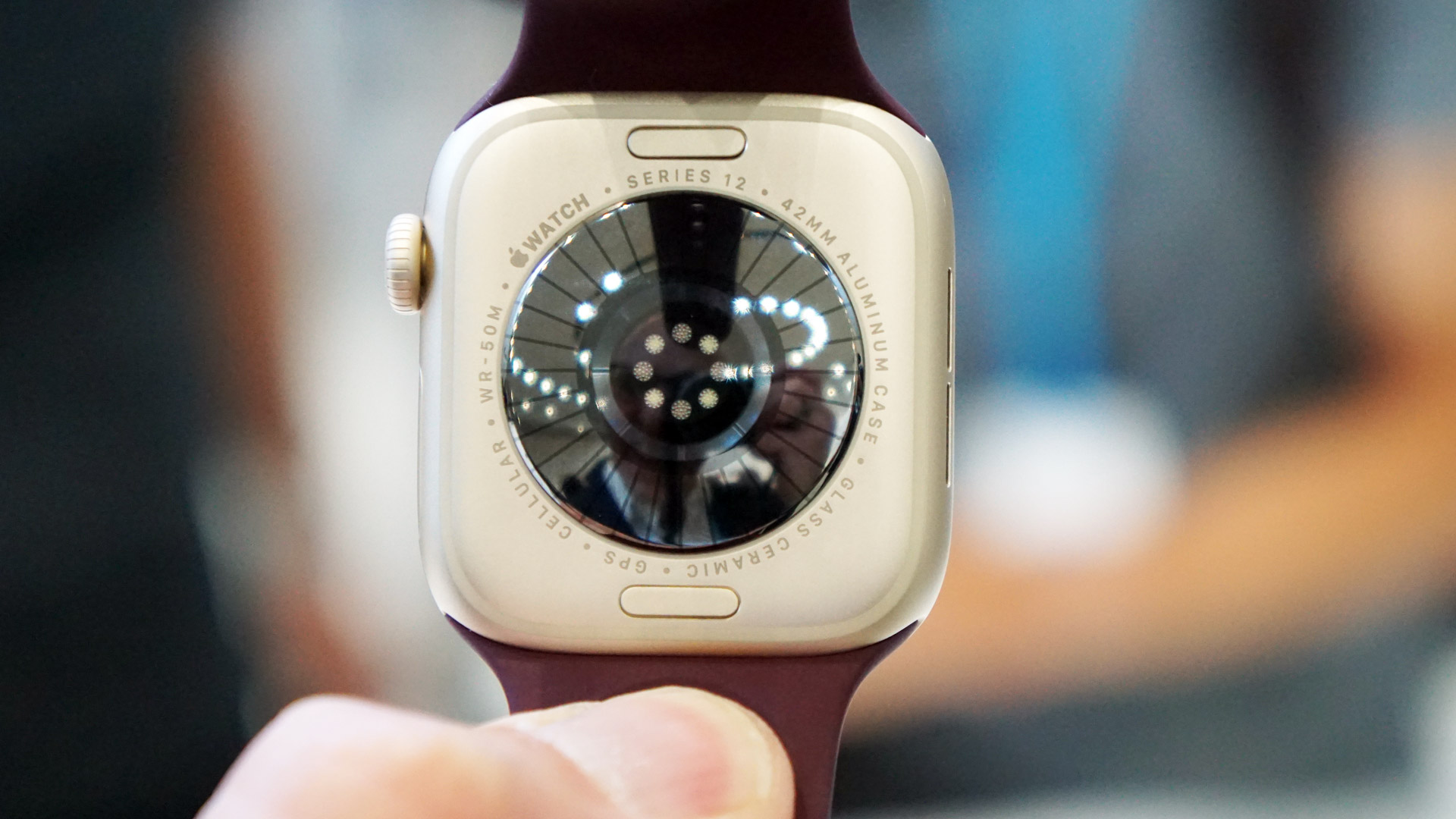
It's here that I happened to notice a single "Slightly Off" Vital reading and started spiralling, wondering, worrying, and also laughing because it would not be the first time I've been called "Slightly Off". Normal readings are called "Typical", and, I guess, if you're lucky or super healthy, "Favorable."
What's wrong with me?
Vitals combine respiratory rate, wrist temperature, Blood Oxygen, Recovery HRV, and sleep duration (each day shows the average for each measurement). The single "Slightly Off" reading was attributed to a high heart rate while sleeping. Apple Watch Series 12's ability to measure heart rate every five seconds (previous Apple Watches could only do it every five minutes) meant that this was probably a pretty accurate reading.
According to Vitals, my typical sleeping heart rate is 51bpm. On September 25th, the heart rate shown was 60BPM. That's not super high, but based on my average, it is, in fact, "Slightly off".
So what am I to do with this information? For now, nothing. After all, this is a single day and, since then, I've had nothing but "Typical" Vitals measurements.
We're still weeks or more away from a Health App redesign that might make all this data even more digestible, to say nothing of all the AI features (Live Rewind and Siri Recap) that are due in late 2026.
Even though Apple Watch Series 12 doesn't look much different from its predecessor, I've come to realize that the almost constant heart monitoring, and the sheer mountain of data the wearable is now collecting, is potentially a health game changer. I still find it all overwhelming, but I can guarantee I'll be watching like a hawk for the next "Slightly Off" reading.

A 38-year industry veteran and award-winning journalist, Lance has covered technology since PCs were the size of suitcases and “on line” meant “waiting.” He’s a former Lifewire Editor-in-Chief, Mashable Editor-in-Chief, and, before that, Editor in Chief of PCMag.com and Senior Vice President of Content for Ziff Davis, Inc. He also wrote a popular, weekly tech column for Medium called The Upgrade.

Lance Ulanoff makes frequent appearances on national, international, and local news programs including Live with Kelly and Mark, the Today Show, Good Morning America, CNBC, CNN, and the BBC.