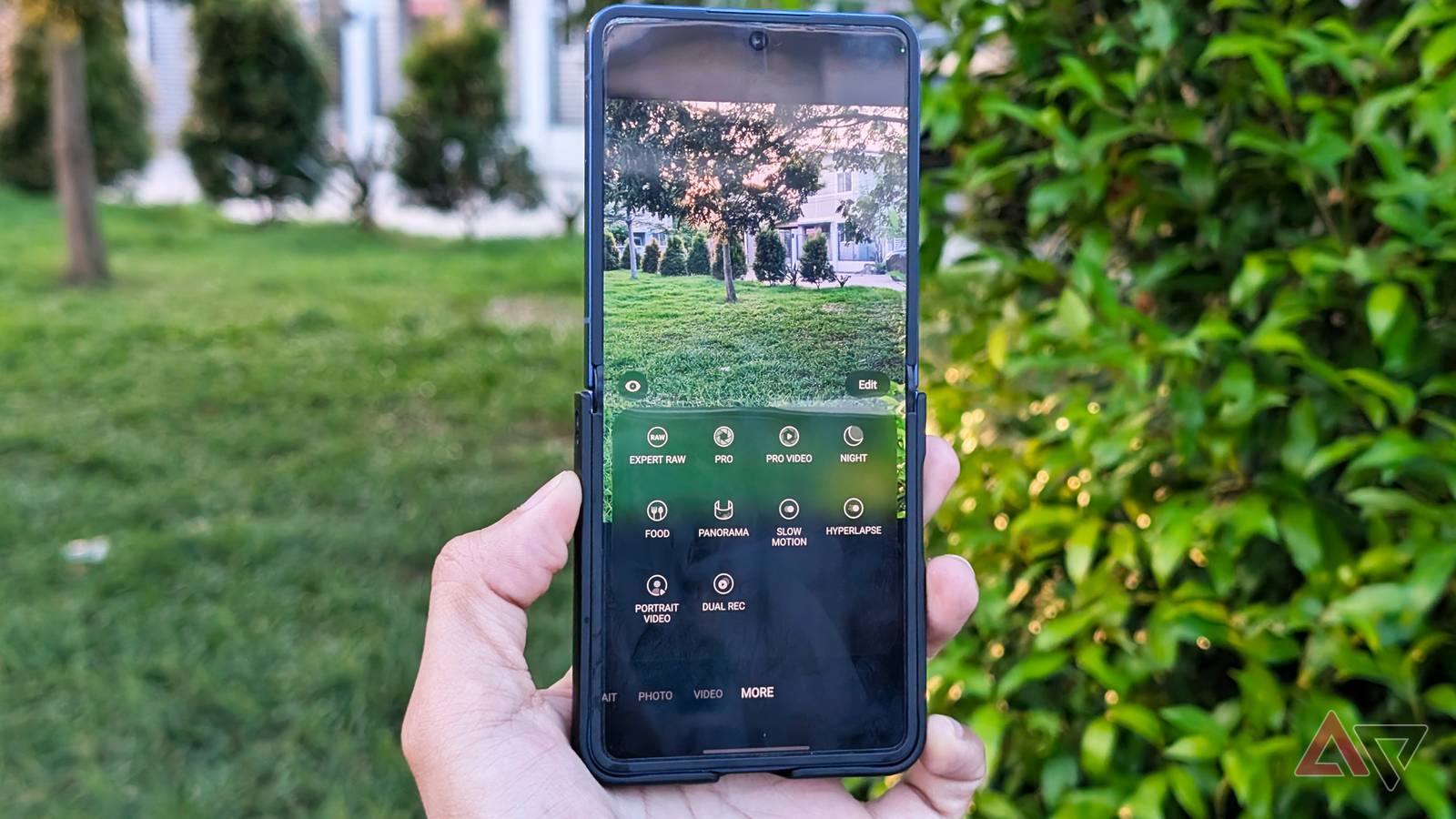
Besides my Google Pixel, I've been rocking a Samsung Galaxy Z Flip 7 as my secondary phone, and I still use it often to take photos.
I appreciate its foldable versatility, which comes in handy when I need to use dual record or shoot from a difficult angle.
I know it doesn't have the or match the number of lenses found on other slab Galaxy phones, like the .
But after using it extensively and capturing over 1,000 photos, I've discovered which camera settings and features to toggle for better results. Even better, you don't need Pro mode or RAW.
Download this indispensable tool
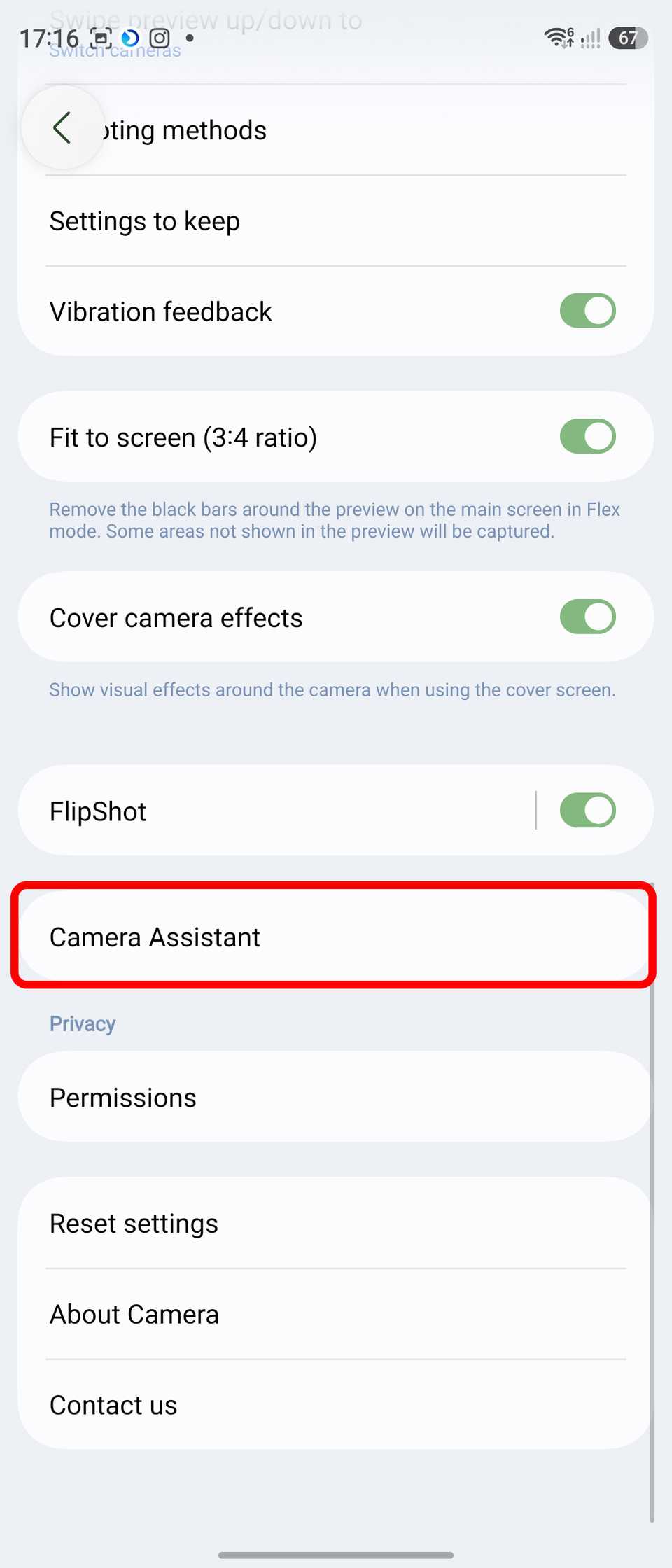
Camera Assistant adds more crucial controls
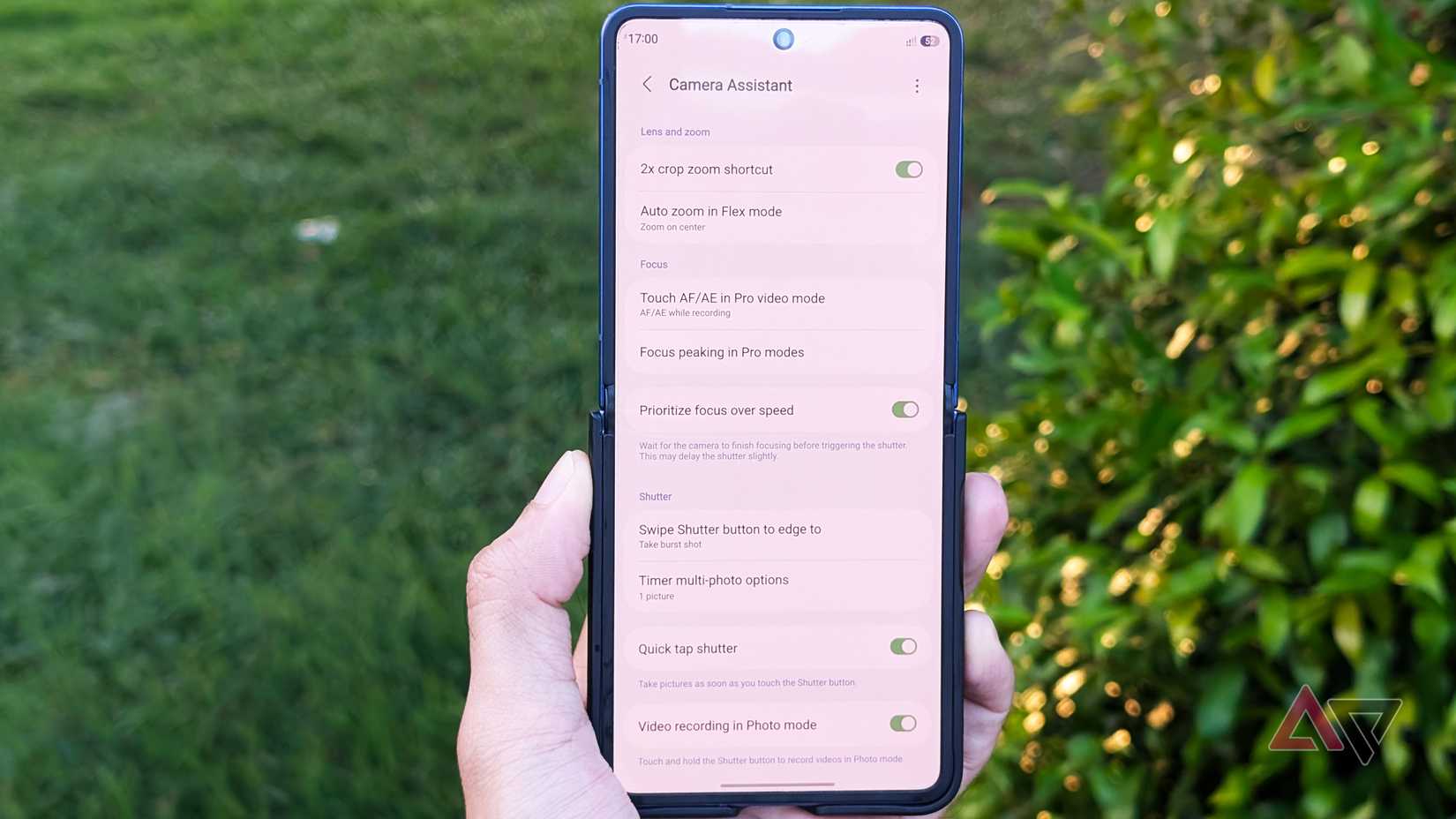
Samsung should pre-install on every Galaxy device. Instead, Samsung makes it an optional module you can install from the Good Lock suite.
Even on mid-range Galaxy camera phones that support it, Camera Assistant unlocks advanced controls and useful customizations to help you get the most out of your camera.
Keep in mind that Camera Assistant features vary by device.
For example, my Galaxy Z Flip 7 has an Auto Zoom option for Flex mode, but it lacks Intelligent Optimization, which you find on flagship models like the Galaxy S26 Ultra and Z Fold 8 Ultra.
Still, many of the core features are similar. One is a 2x zoom shortcut in the camera viewfinder. This is handy if you prefer 2x zoom over 3x or 5x.
Camera Assistant gives me access to toggles that make my Galaxy device an even better shooter.
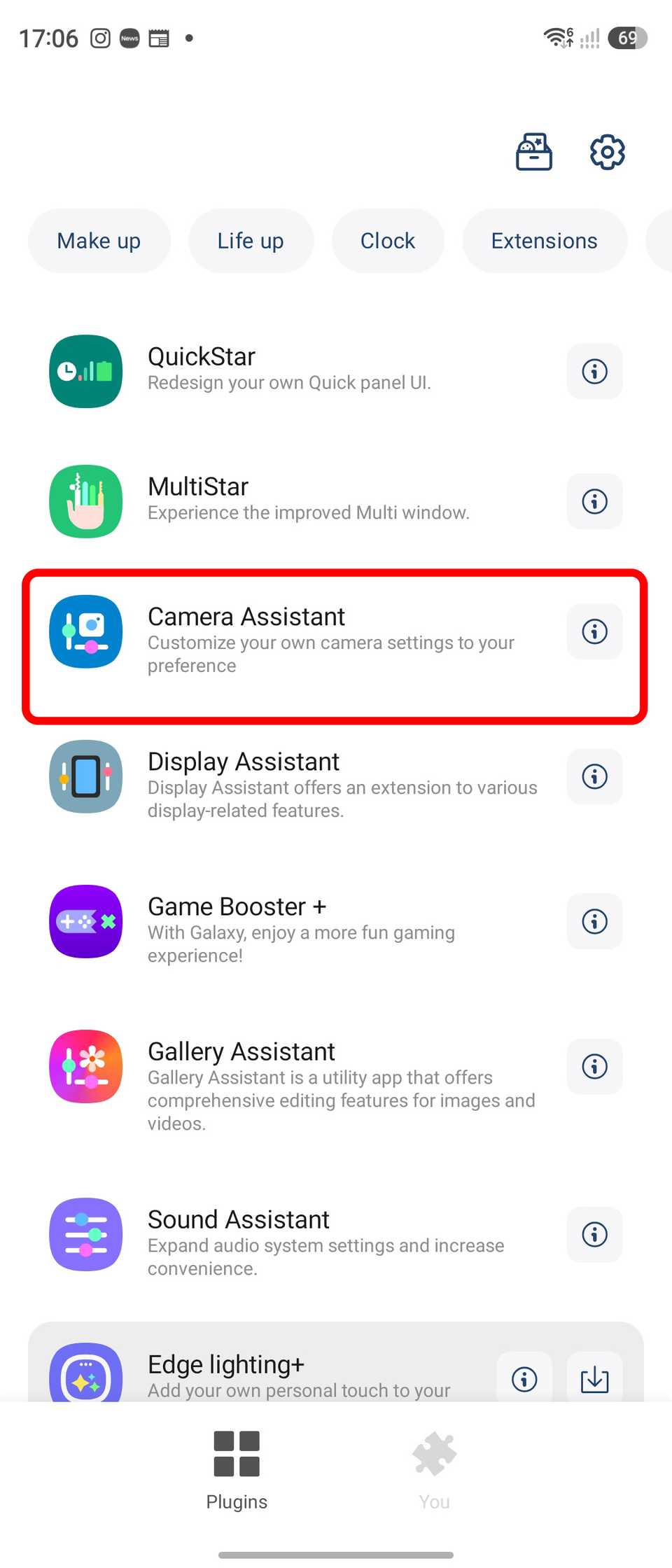
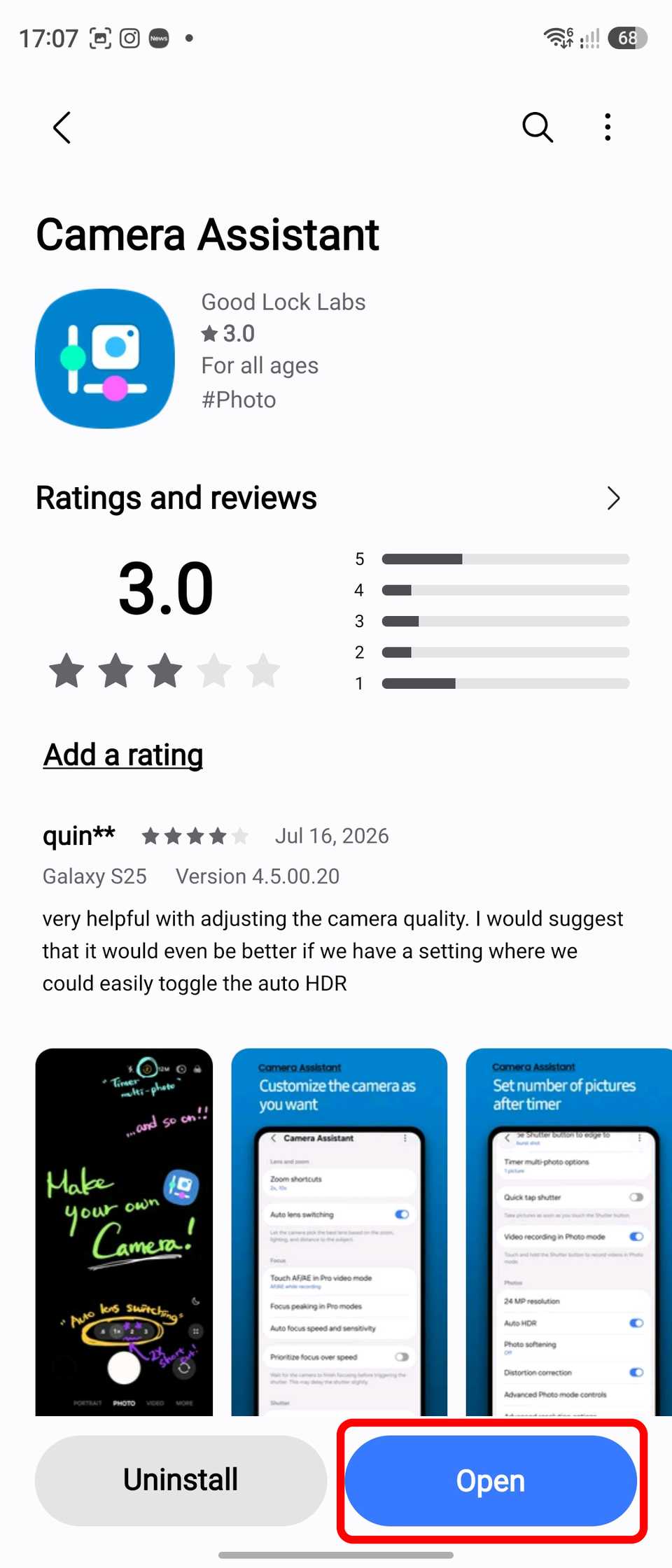
You can download Camera Assistant through the Galaxy Store by searching for the app or download it as a module in Good Lock.
Focus vs. speed option
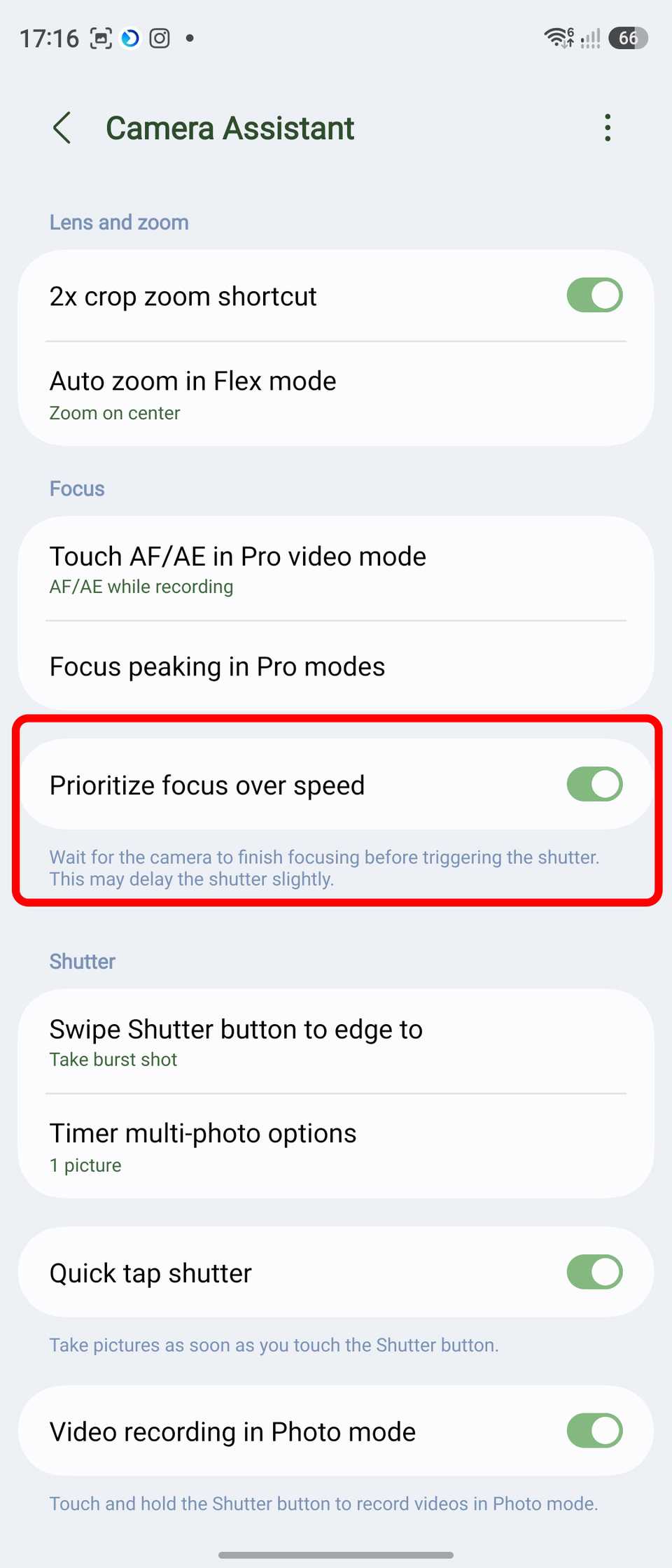
After installing Camera Assistant on my Galaxy device, I set the first toggle to Prioritize focus over speed.
The name suggests it locks focus before the camera shutter fires.
I find my Galaxy Z Flip 7 takes many out-of-focus or blurry shots because I tap the shutter button too quickly without realizing the camera hasn't finished focusing.
Enabling it prioritizes focus and ensures the camera locks onto the subject.
However, it adds a slight delay as the camera waits to lock onto the subject. If you prefer a faster shot, like in action, you can disable it.
Instead, you can adjust the shutter speed or tap the subject before pressing the shutter button.
There's also an auto-tracking tool, which is useful if you have a moving subject.
Zoom, zoom, zoom
I don't settle for the wide lens
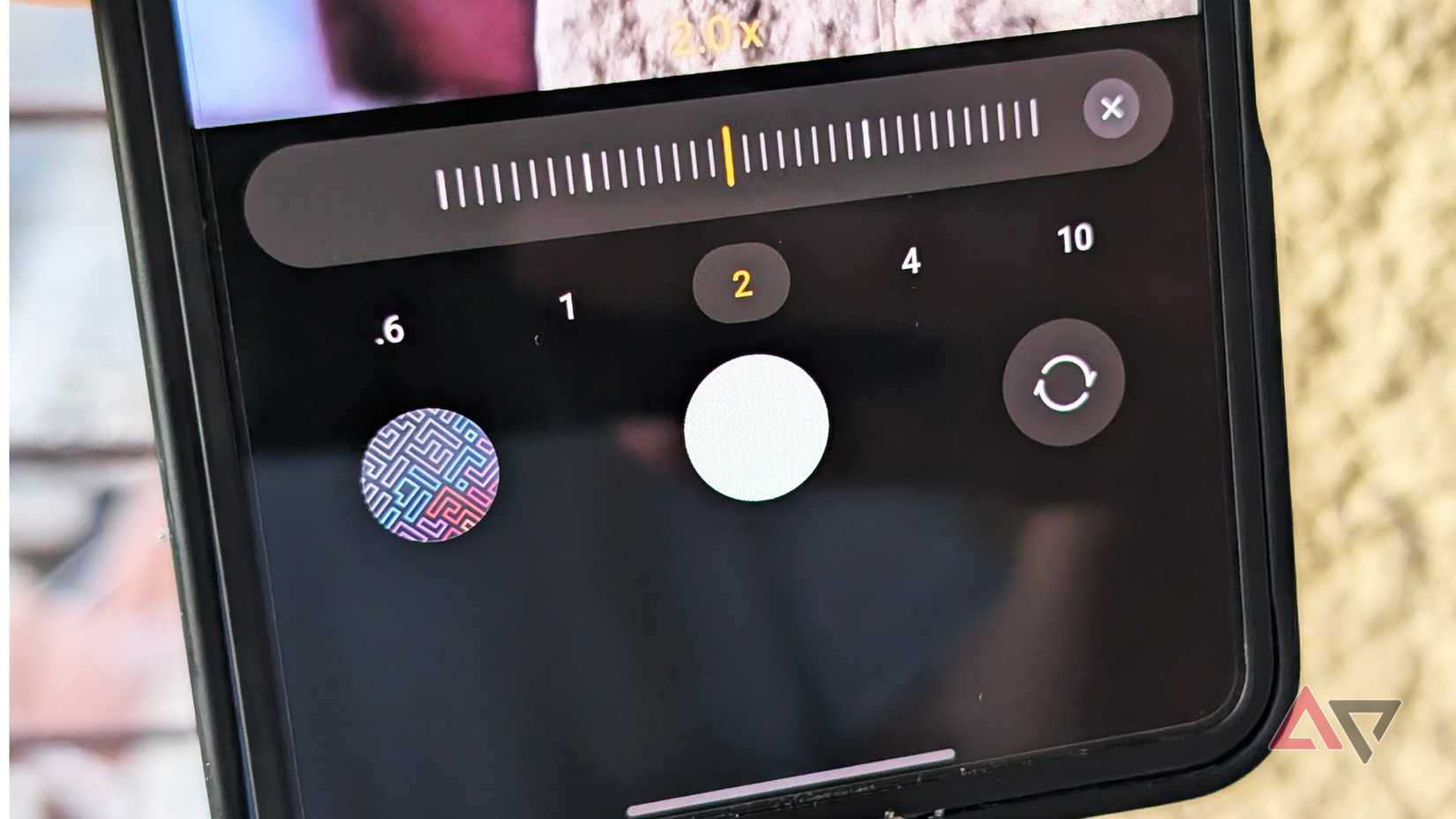
While the wide lens (1x zoom) gives you more detail, I always find the view stretched, and it doesn't fit my shots convincingly, including portraits and landscapes.
Instead, I use 2x zoom, which makes the subject stand out more. If you do a lot of street and architectural photography, it can clean up the composition.
I also recommend it if you use your phone for portraits, as it emphasizes facial features like the eyes and nose.
Besides 2x, you can start with 1.2x or 1.5x, depending on your composition and subject.
In my case, 2x is optimized on Flip phones because they lack a dedicated telephoto sensor.
But even for Galaxy camera phones with telephoto, 2x is a sweet spot. As always, you can experiment between 1.2x and 3x.
However, if you want detail, stick with 3x or 5x, as they use native focal lengths rather than hybrid zoom levels that crop or digitally scale images.
Still, you can experiment to find which zoom levels work best for you and your shooting mode.
Fix over-sharpening with Photo softening
Make your images more natural


If you use a lot of zoom, especially with hybrid levels (such as 1.2x, 2.4x, or 2.8x), Samsung's camera may over-sharpen them.
That's also true of Samsung's camera algorithm on many Galaxy phones.
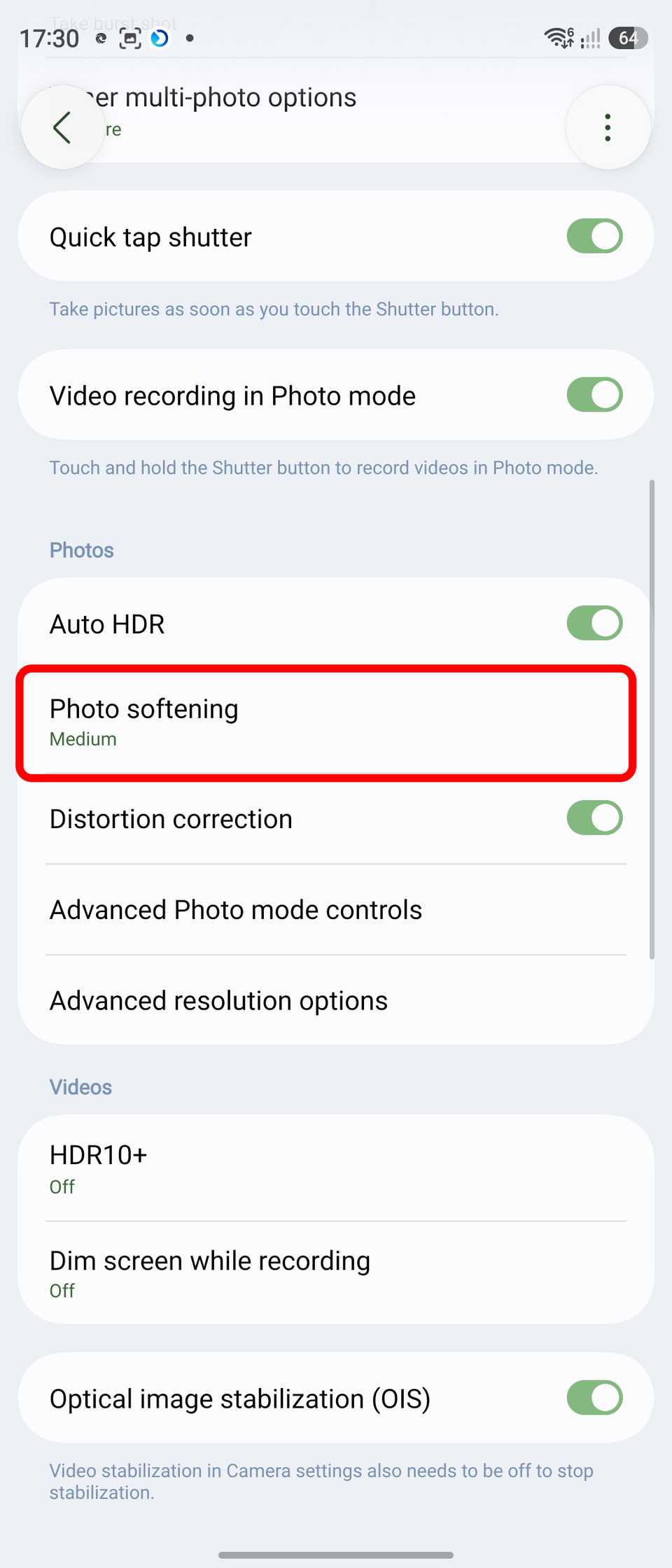
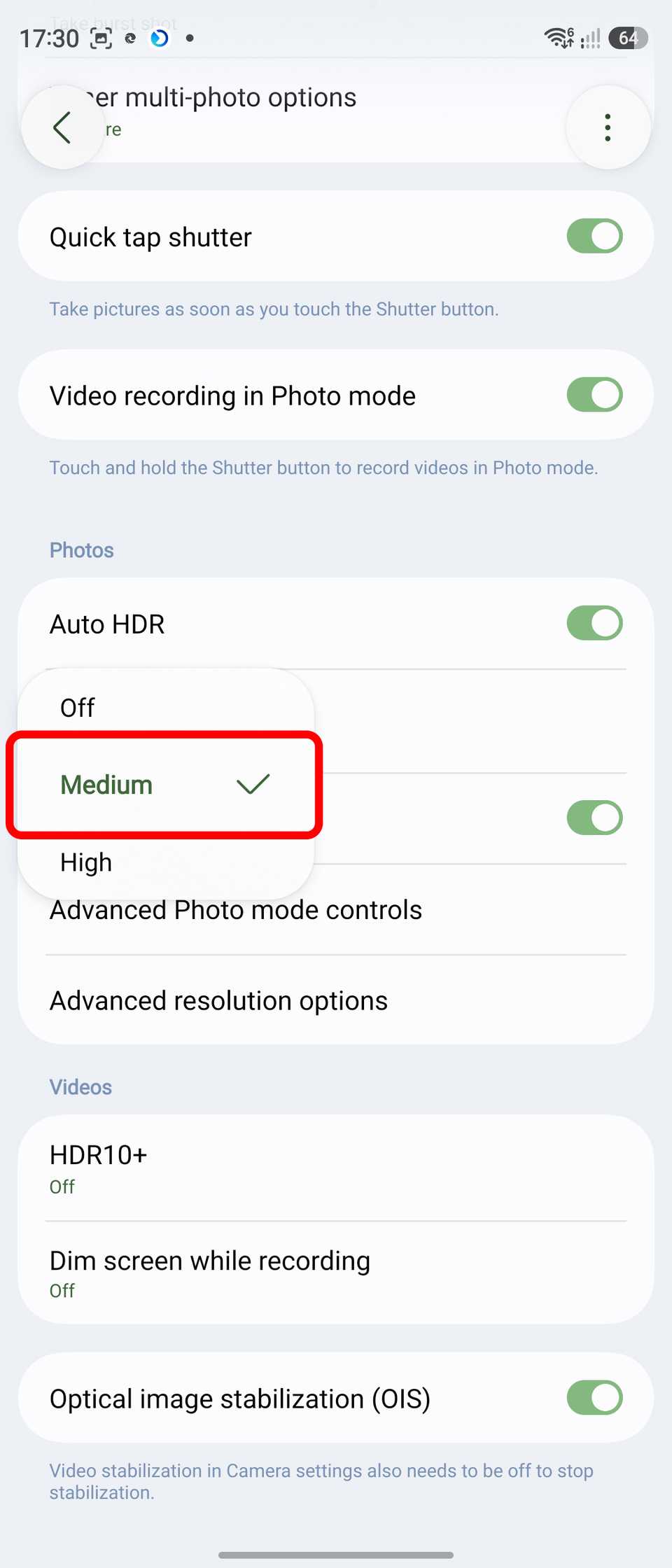
Camera Assistant lets you lower image sharpness with Photo softening. You can choose between two levels: Medium and High.
If you're new to it, start with Medium. Medium might be best for most users because the softening isn't aggressive and balances out the extra sharpening.
I find it also works well for landscapes with scenery and lots of trees or grass. Softening makes the edges more natural.
To access Photo softening control, go to > > Photo softening and pick the level.
Play with built-in camera filters
Add the filter shortcut to quickly access filters
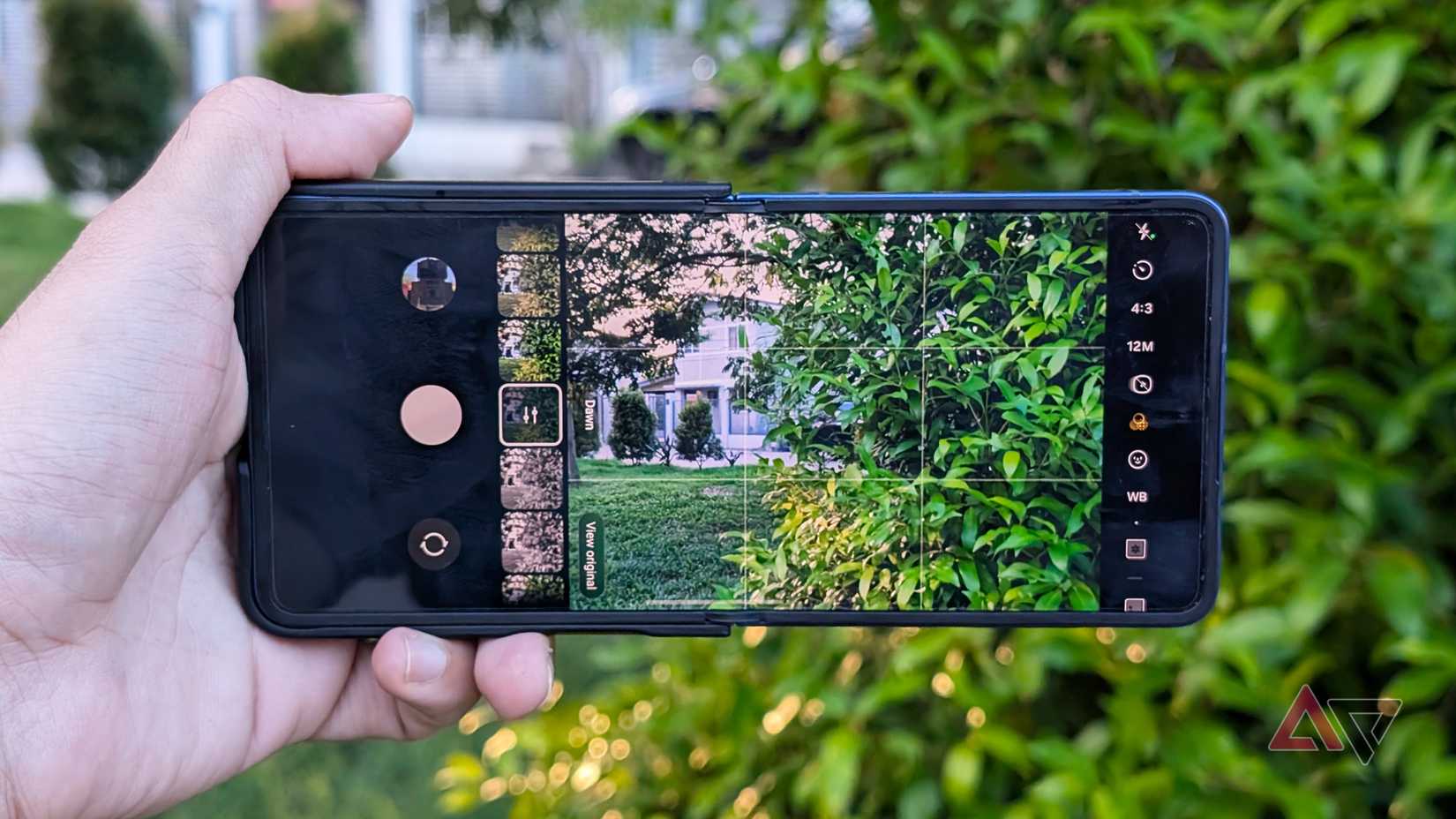
Many camera phones are introducing presets and styles like and iPhone's Photographic Styles. Samsung, on the other hand, has stuck with its filters in its camera app.
However, that's not a bad thing. Since then, many filter add-ons have been added, and some of these styles or presets work well.
It also works for post-editing now, so you don't have to enable each style while shooting. This is handy if you want to stylize photos you've already taken.
Samsung preloaded filters include Crystal, Blanc, Pop, Retro film, and Sunbeam, among others. But the Galaxy Store offers more options and styles to match your shooting mode.
For instance, I downloaded Samsung's Frosty filter to add a hint of bluish tint. It's a good balancer if your image is too warm, such as shots with lots of clouds and water.
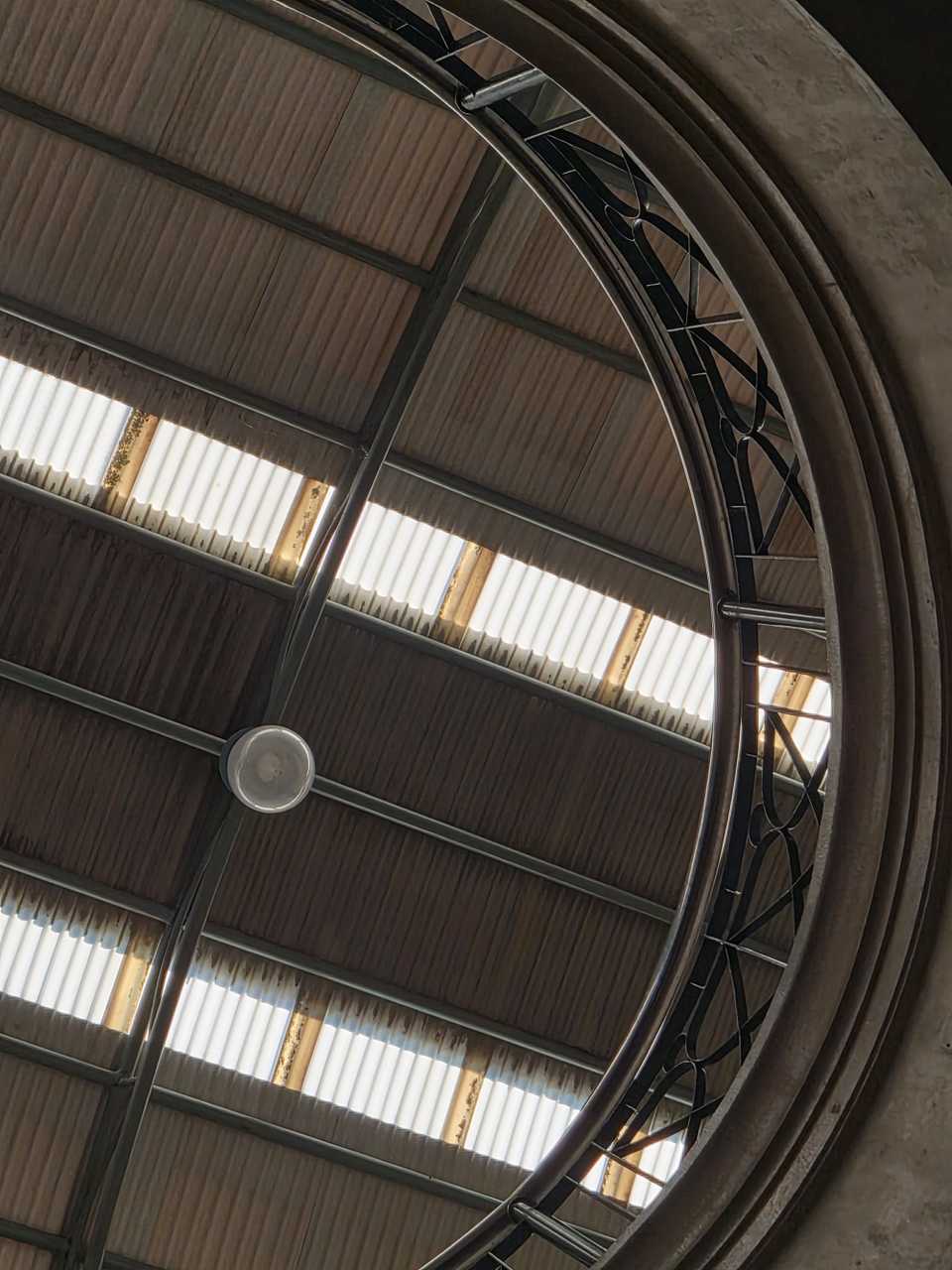
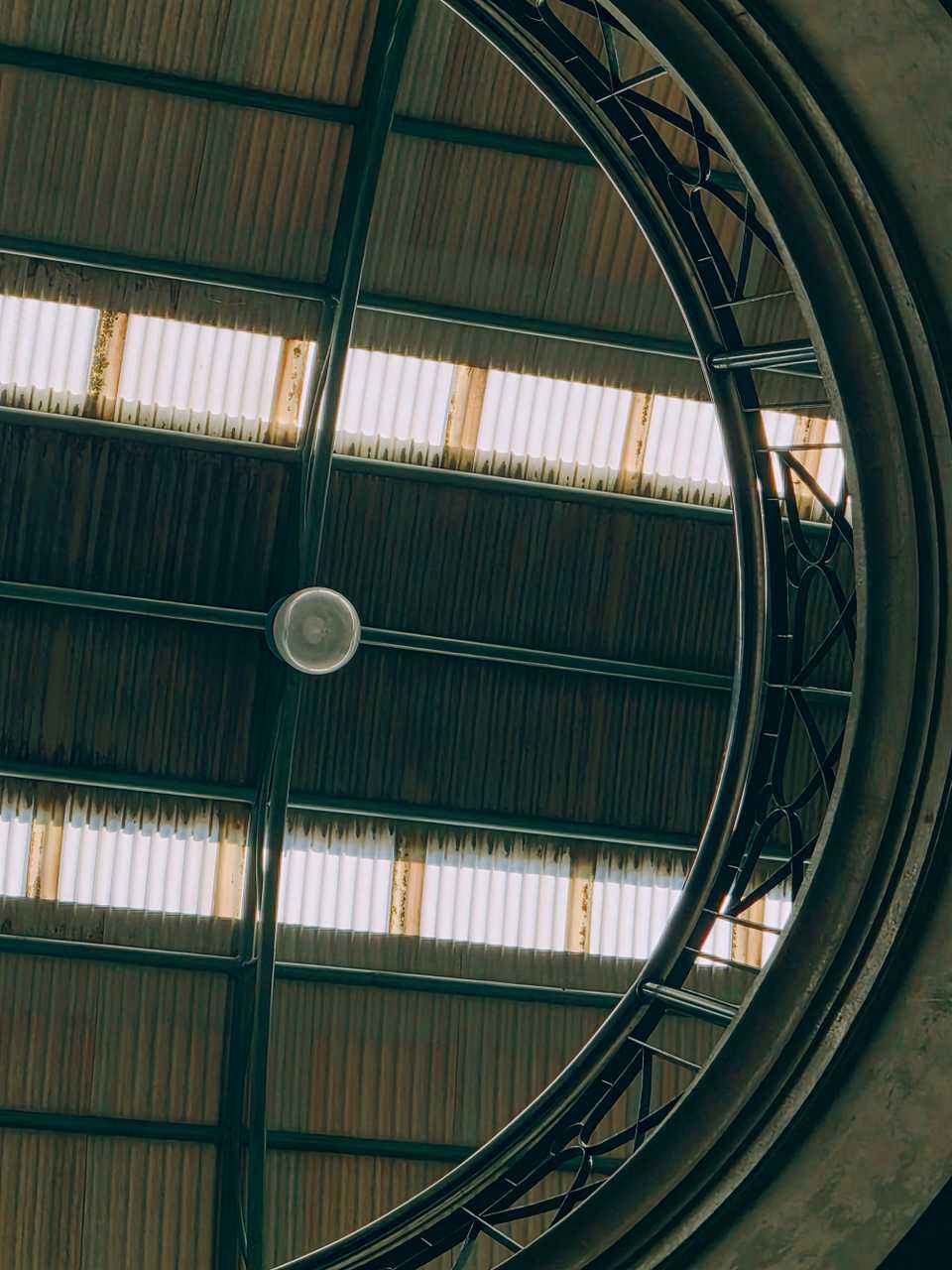
If you want to shoot more street and travel photos like me, Cardiff from Camera360 is a more ideal filter. Samsung's Soft is the closest, with gentler colors and subtle tones and vibrancy.
Another thing I like is that you can adjust intensity and other parameters for each filter. For example, you can lower the strength and adjust temperature, contrast, and saturation.
Access filters by opening the collapsible menu and tapping the button. Alternatively, you can add a Filter shortcut to the camera controls via Camera Assistant.
Save your favorite camera settings
Access controls when launching the camera
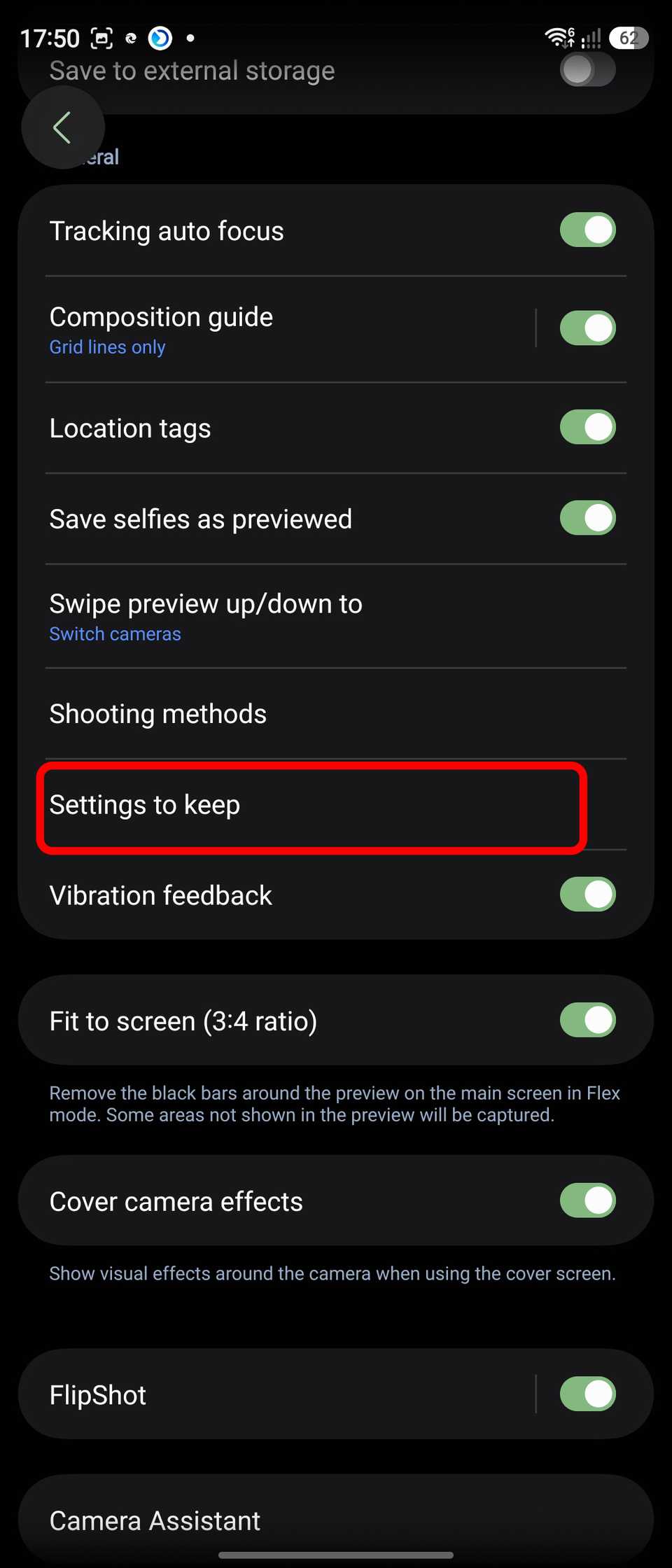
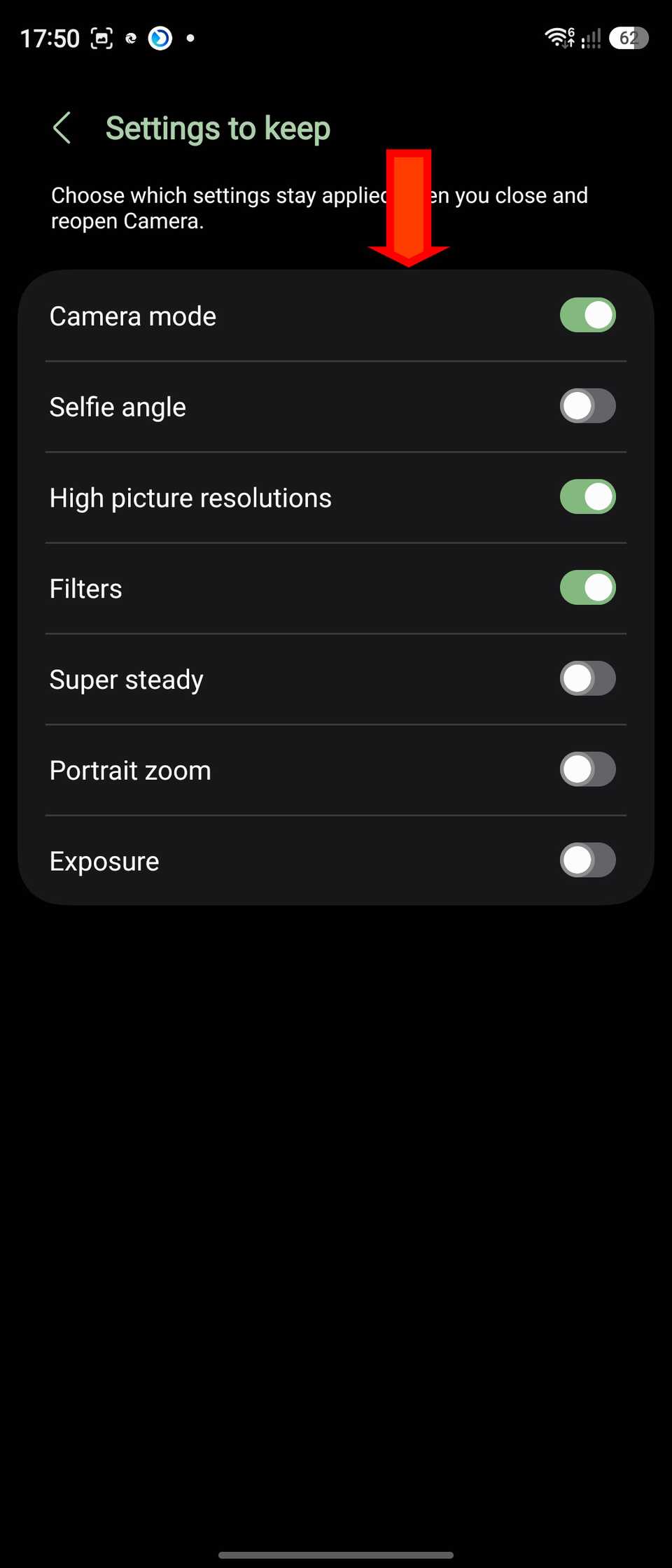
If you use filters or use specific zoom levels, it's also recommended to save your camera settings.
I've used it for years, and it saves me time because I use a Galaxy Z Fold 5 and a Galaxy A54. This lets my camera settings save even when I exit the app.
When I open it again, it starts with the same mode or filter selection, which is useful for quickly accessing my favorite camera settings while traveling, since I don't have to fiddle with and adjust them again.
To do that, open > Settings to keep. You can toggle the camera mode, selfie angle, picture resolution, filters, exposure, and more.
It's a rather small tweak, but it makes my camera experience more streamlined.
You don't need the best, newest camera hardware
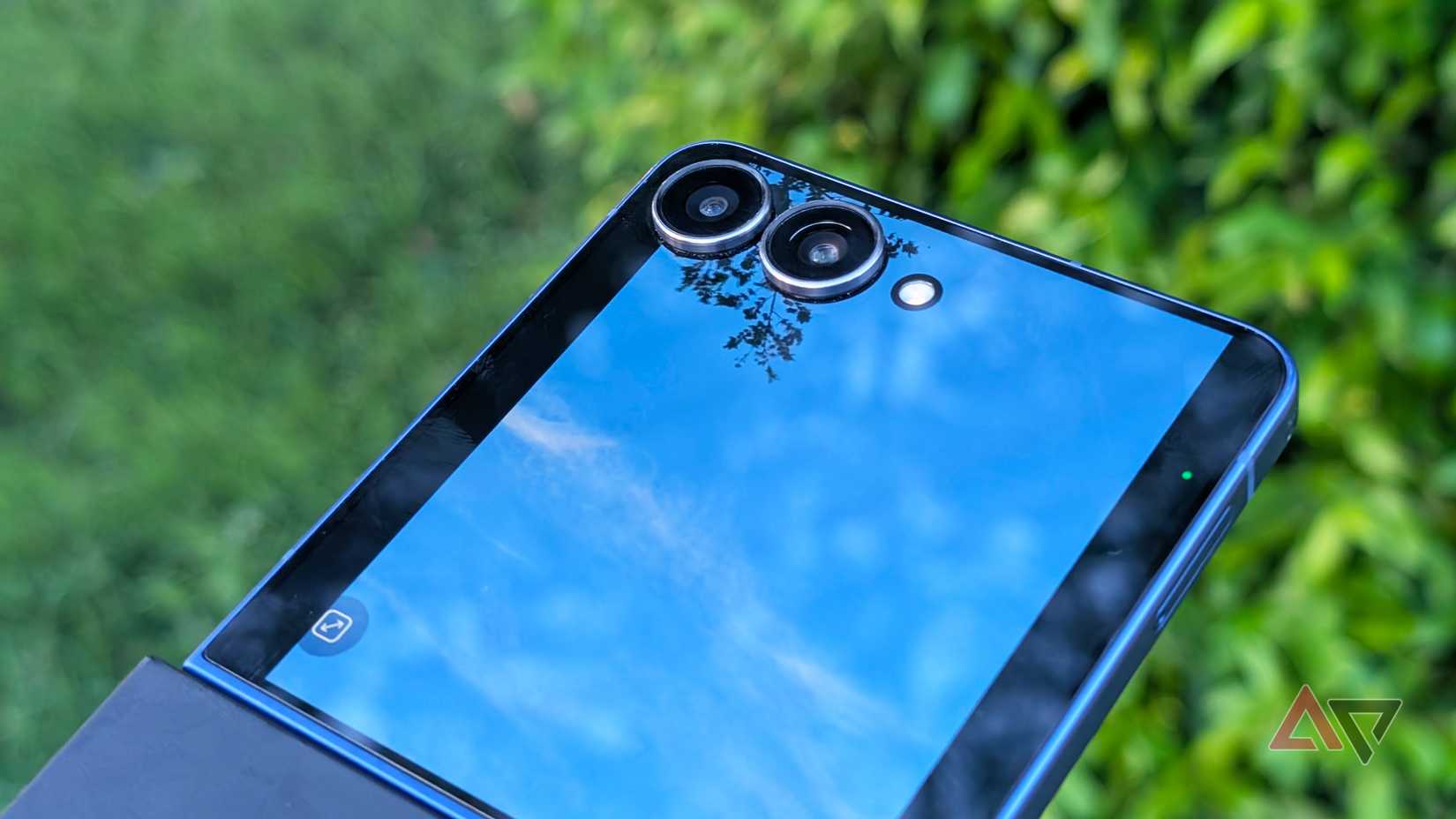
The Samsung camera app has practical controls, if you know where to find them.
You don't need to rely on Pro mode, , or pay for a third-party camera app to get the most out of your Galaxy device.
A simple toggle or setting adjustment can tame Samsung's aggressive sharpening or shutter lag problem. You can test and combine these controls to your advantage.