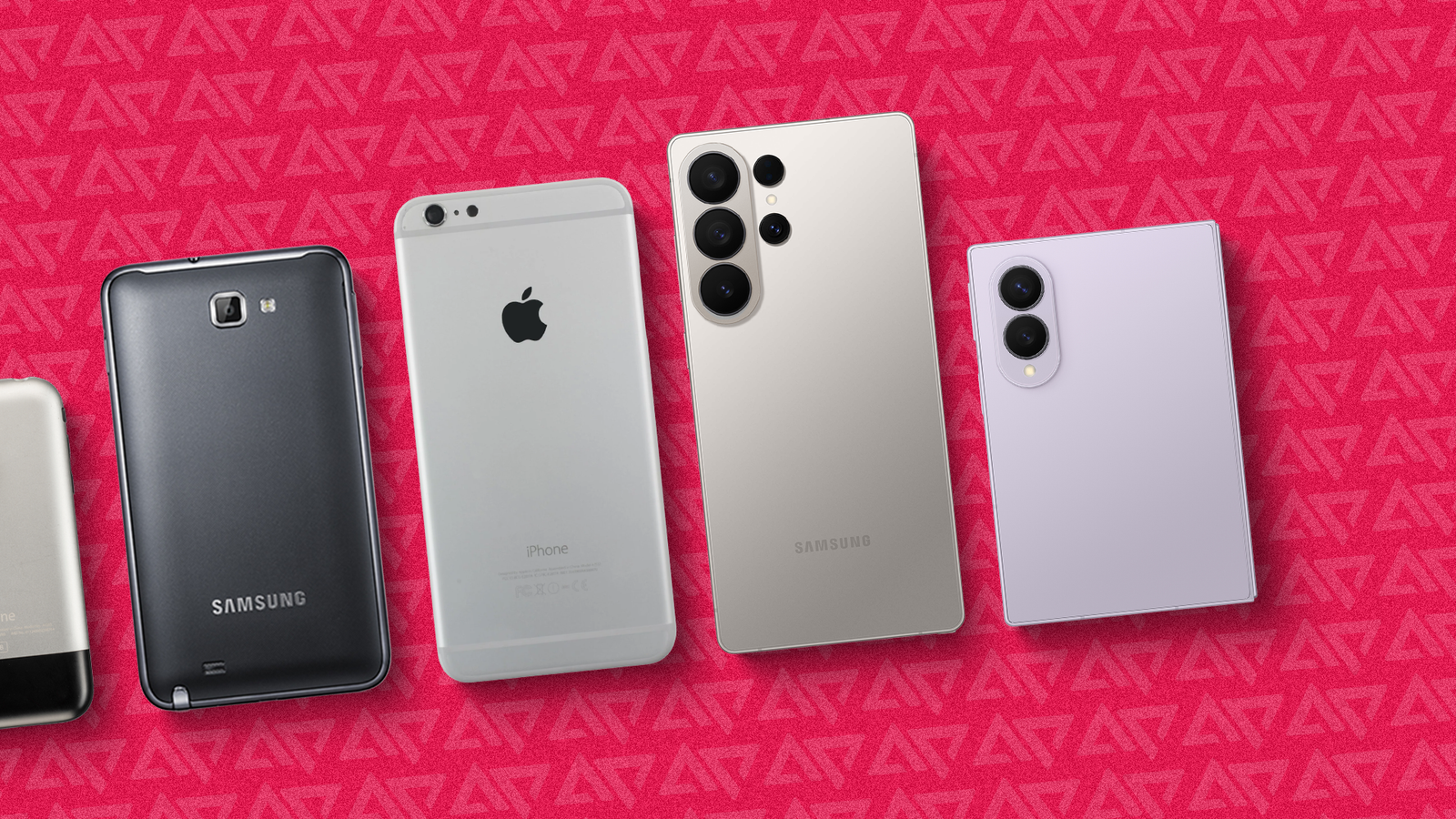
Folding phones have had a fundamental design problem since the first one came out in 2019. The technology behind folding screens is very impressive, and the main concept speaks for itself: twice as much screen real estate, still fits in your pocket.
So the idea of a folding phone makes sense on paper.
The problem is that both form factors were compromises: either a thick, regular-sized phone that opens into a small tablet, or a thick half-sized phone that opens into a regular-sized one.
Neither option was optimal. The first felt like two phones stapled together. The second felt like a regular phone that never grew into itself.
This seems to be solved with the latest offerings from Samsung and Apple. Instead of asking "How do we make a regular phone fold?" the question shifted to "What should a foldable phone actually look like?"
The answer, judging by the reception of the Samsung Galaxy Z Fold 8 and the iPhone Duo, is a passport-sized phone that opens into a mini-tablet, not the other way around.
Phones started off ridiculously big
Not a design choice, a technology limitation
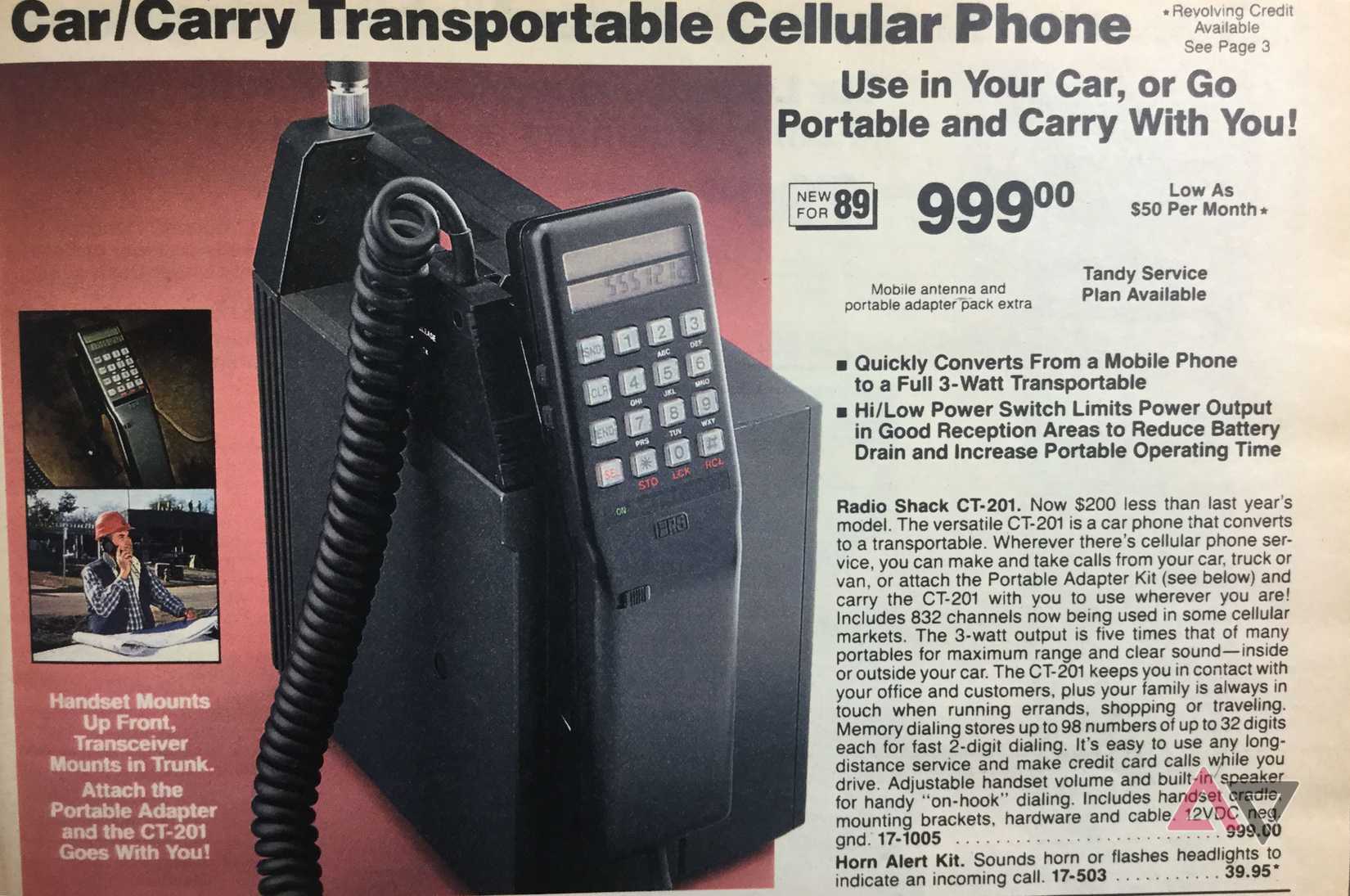
My father used to carry his phone around in a bag. Not a small carrying bag, a big, black, heavy bag that held nothing but his mobile phone.
This was during the very early nineties, and he was the first person I knew who could talk on the phone from anywhere. It was heavy, limited, and pure magic at the time.
It wasn't just his phone, either. The Motorola DynaTAC, the phone everyone still calls "the brick," weighed about two pounds and cost nearly $4,000 when it launched in 1983.
Then, over the next two decades, every tech company in the world was locked in an arms race with one clear goal: make the phone as small and light as possible.
What started as a bag weighing between 8 and 9.5 pounds shrank into a phone that fit in your pocket. But the phone companies didn't stop there.
During the early 2000s, phones like the Panasonic GD55 or the Ericsson T66 became so ridiculously small that movies like "Zoolander" started making fun of the whole small-phone trend.
Derek Zoolander's phone in the film became a running joke for this reason, tiny enough to be a punchline on its own. But things started changing when Apple released the iPhone.
Holding a first-generation iPhone in your hand today feels like holding a child's toy. The screen is barely big enough to see what's on it, and it feels like it might slip out of your hand at any second and shatter on the floor.
From small to big, the race reversed
Same race, opposite direction

When smartphones arrived on the scene, companies started doing the opposite of what they had been doing so far: they started going big. Each generation of smartphones got bigger and bigger until phones became too big to hold comfortably.
Most phones today have an option to shrink the display, so people with normal-sized hands can reach the icons on the far side of the screen.
iPhones ship with Reachability, a gesture that slides the top of the screen down into thumb range. Samsung's One-Handed Mode does the same trick by shrinking the whole interface into a corner.
Both are quiet admissions that the phones had outgrown the hand holding them.
Folding looked like the fix, at first
Samsung got there first, and it showed
It had been obvious for a while that something had to change. Making the phone bigger had stopped making sense, but the innovation couldn't stop.
How do you give people a better viewing experience without making a two-handed phone? The answer: fold the screen. That way, it's small when you're going through your messages and big when you want to watch a video. The best of both worlds.
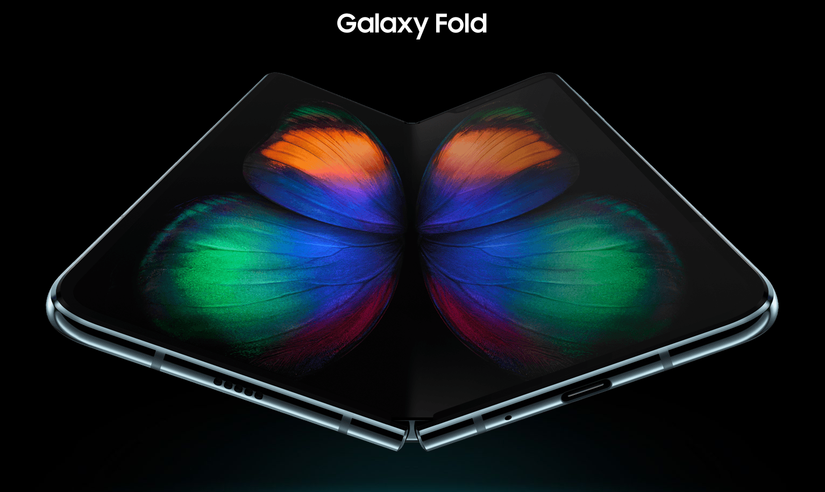
Samsung was the first to ship a consumer-ready product: the Samsung Galaxy Fold. Now, "consumer-ready" in this case means "available for mass purchase." It was nowhere near ready for everyday use.
I remember unboxing the Samsung Galaxy Fold for the first time and hearing the word "ugly" in my head as I opened the box. I'm sorry, but it's true. That phone was an eyesore.
The front screen had unbelievably huge bezels and a cramped 720 x 1680 resolution, the hinge didn't close all the way, and a noticeable crease went down the middle of the folding screen.
Over the next several years, Samsung improved its foldable lineup, and the phones got better, but as far as I was concerned, they never addressed the real problem: the form factor.
The Z Fold series always felt like two phones cobbled together, while the Z Flip felt like a regular Galaxy phone that folded into a toy version of a phone. Something had to change.
A phone that can finally be both
Not one screen size, the whole spectrum
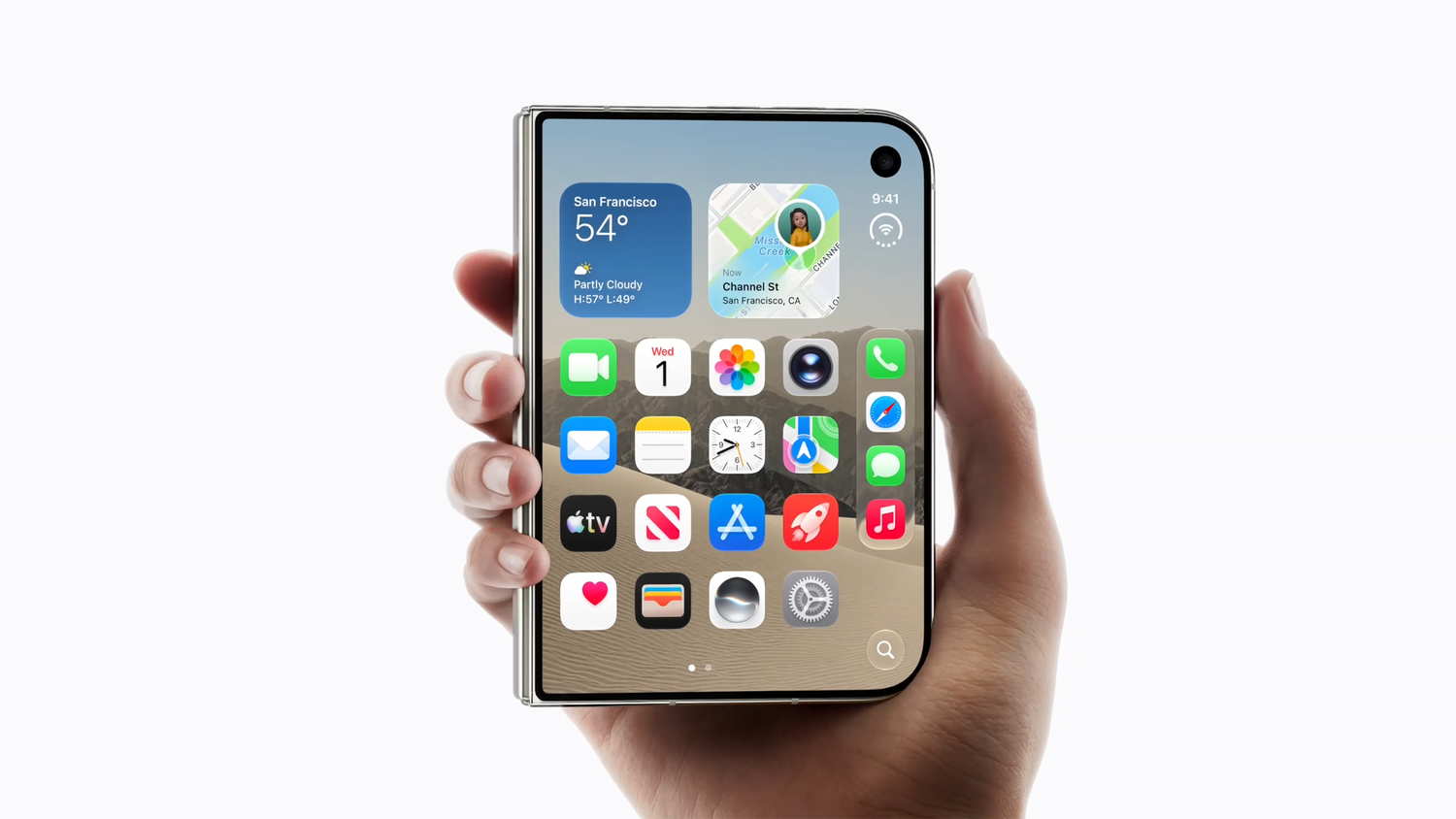
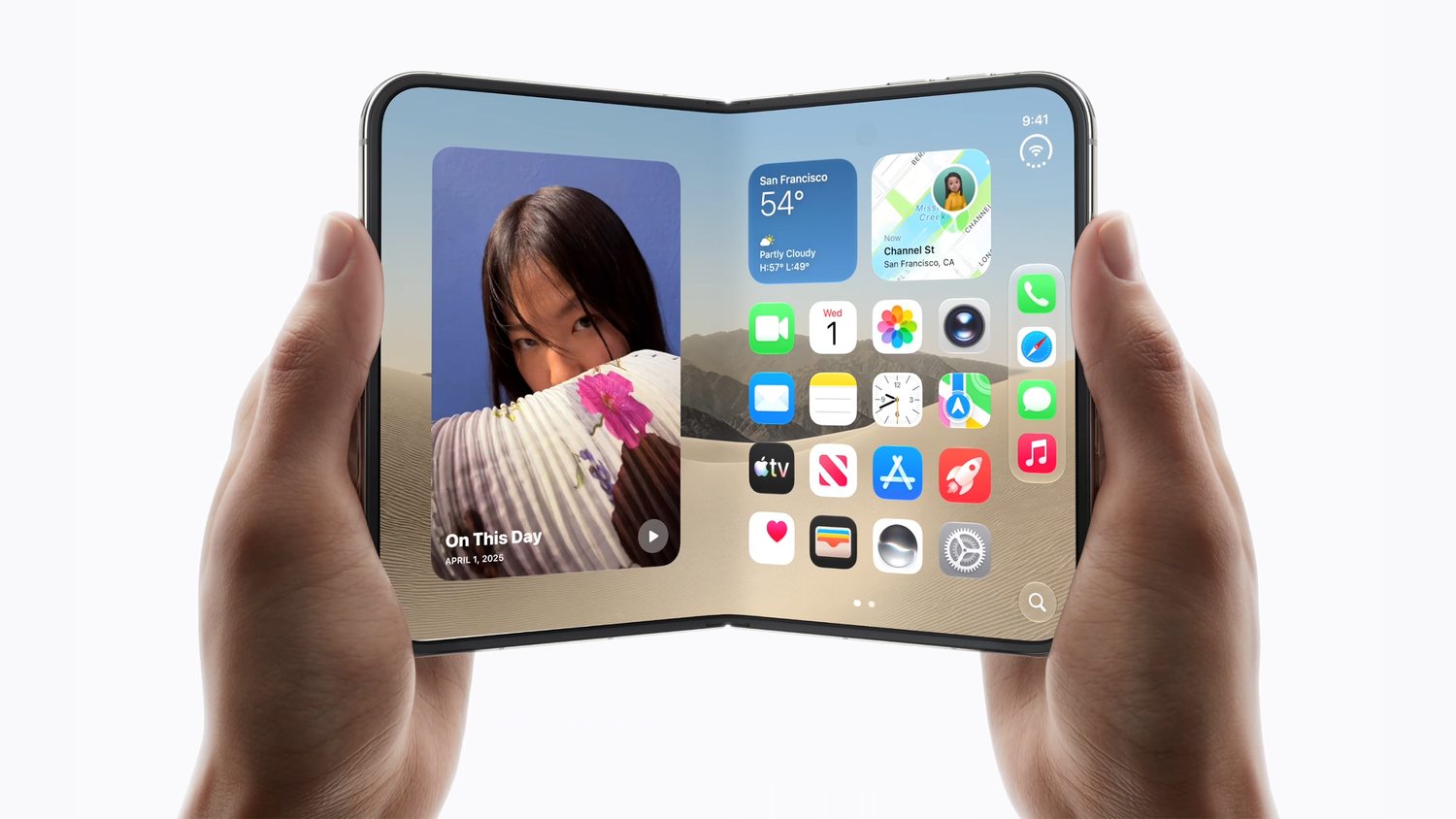


The change finally seems to have arrived. The Z Fold 8 looks nothing like the Z Fold 7: it's shorter and wider, and it doesn't try to look like a smartphone. Apple has also leaned into this design, and when you hold it, it just makes sense.
The biggest shift in the design philosophy seems to be moving past the "smartphone that turns into a tablet" idea, and instead embracing the fact that not all apps are created equal. Some require a big screen to be enjoyed, while others feel perfectly fine on a smaller, more accessible screen.
Think about how you use your phone in a single hour.
Some things only need a glance: a text coming in, a calendar reminder, the weather before you leave the house, or a boarding pass at the gate.
Some things need a quick reply: an email you can bang out in two sentences, a "yes, see you at 7" text, or a thumbs-up on a group chat.
And some things need your full attention: an episode of a show, a round of a game where losing means starting over, or twenty minutes lost in a long article.
Those are three different jobs, and until now, every phone has asked you to do all three on the same screen.
The Z Flip proved there was something to this. Its tiny front screen lets you glance at a notification or fire off a quick reply without opening the phone, and it was one of the most genuinely useful things Samsung has shipped in years.
It just wasn't a full solution, because a screen that small could handle a glance and not much more.
The Z Fold 8 and the iPhone Duo stretch that same idea across the whole spectrum, not just one end of it.
The front screen is big enough now to read and reply to an email, not just notice it arrived. Open the phone, and you get a screen built for the job that used to force a two-handed device on you: the show, the game, whatever deserves your full attention.
We no longer have to choose between small-but-useful and big-and-luxurious. Samsung and Apple, two companies that agree on almost nothing, appear to have landed on the same answer at the same time.
This isn't only my own enthusiasm talking. The shift to a passport shape lets the iPhone Duo keep 90% of the iPhone 18 Pro's screen area when it's folded, while providing a 50% bigger screen than an 18 Pro Max when it's unfolded.
Samsung's Z Fold 8 backs the same read from the other direction. It broke the company's pre-order record, the one set by the Galaxy Note 10, pulling in 1.44 million pre-orders in Korea, more than the flagship Galaxy S26 series managed at launch.
Android Police's review calls it a foldable revelation the reviewer can't stop using.
CNN's hands-on is titled, with no hedging at all, "I just tried the Samsung Galaxy Z Fold 8, the first foldable phone I actually want." That's not one enthusiastic writer. That's what happens when a company builds the thing people were asking for.
The phone finally caught up to how we use it
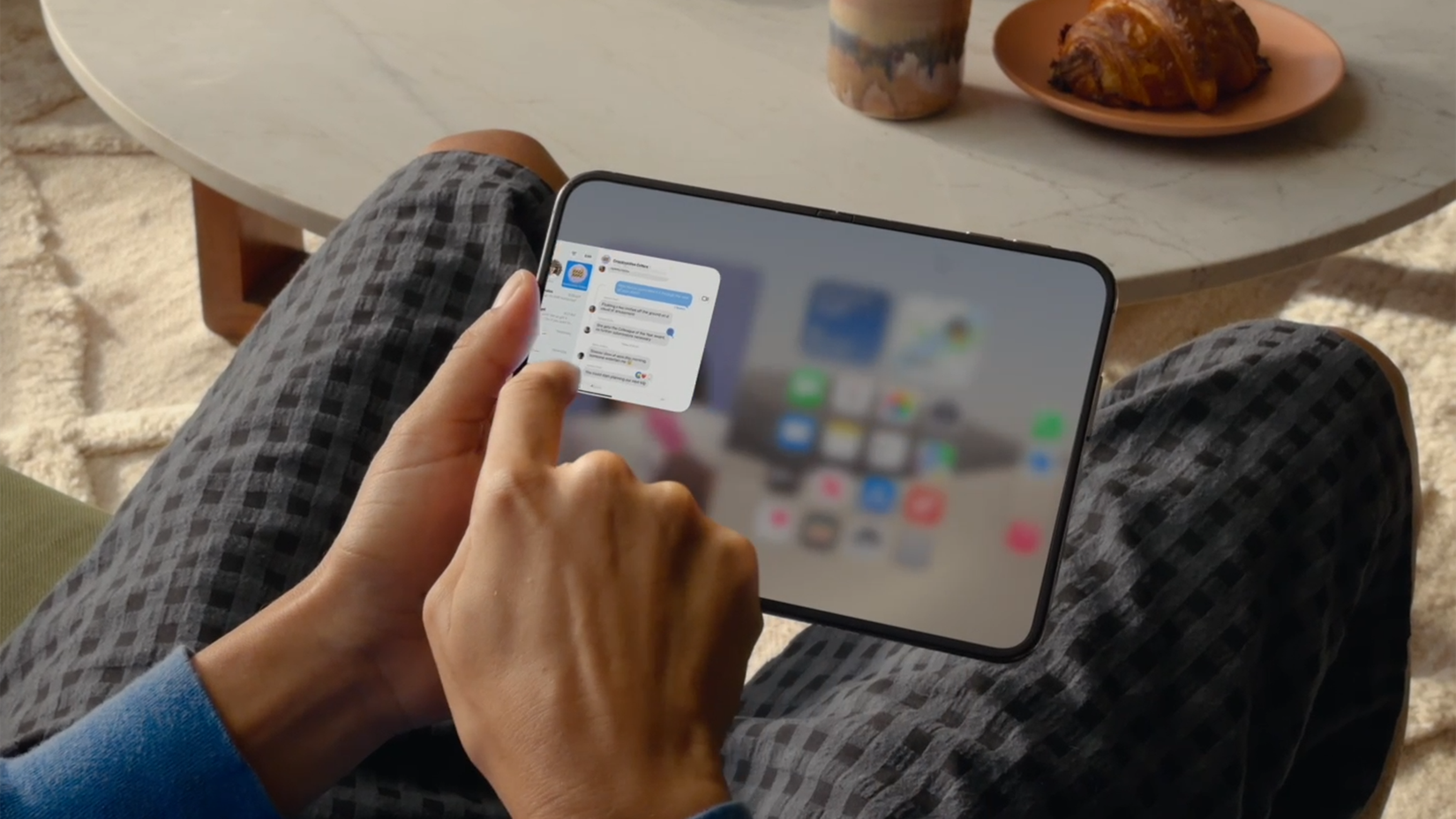
Twenty years ago, phone companies were racing to make the phone in your pocket disappear. Then they spent the next fifteen years racing to make it big enough to replace everything else you owned.
Neither race was ever about what people wanted; it was about which extreme a company could sell you next.
The answer, it turns out, was neither. It was both, on demand, when you needed it. That's not a small shift. It's the first time in twenty years the industry has optimized for the person holding the phone, not the argument it was trying to win.
A normal phone that turns into a tablet was never the goal. A small phone that becomes one only when you need it is.