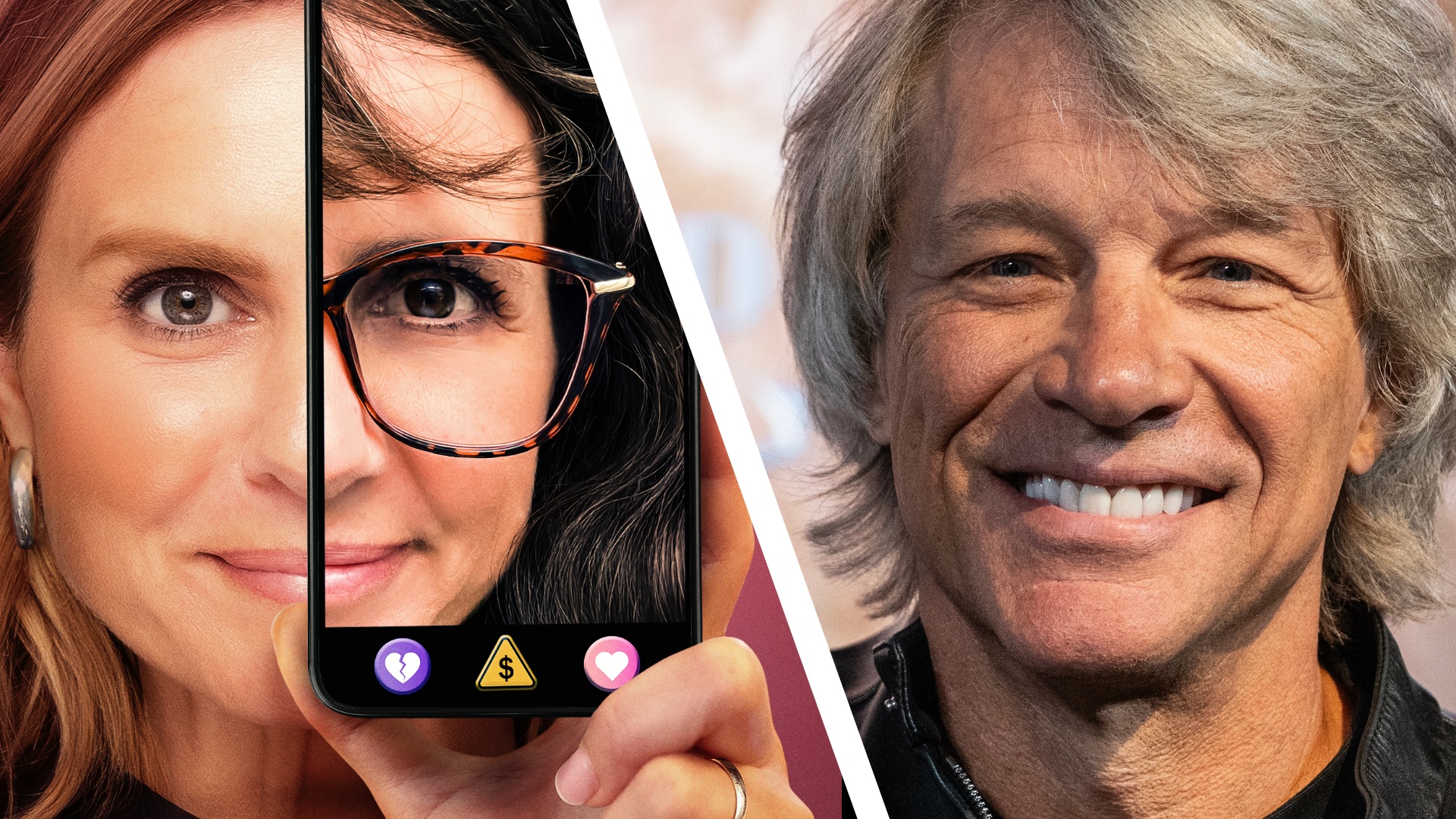
The rise of generative AI, mixed with the ease of access provided by crypto currency, has created scamming opportunities we couldn’t have imagined just a few years ago. Romance scams that exploit these technologies have now become one of the fastest growing and most devastating forms of financial crime.
The capabilities of generative AI mean it’s now possible to get scammed by a range of incredibly convincing fake personalities, including deepfakes of celebrities and public figures. In fact, according to the makers of the new documentary , it’s revealed that an estimated one in seven American adults have lost money to this form of deception. In 2025 alone, romance scammers stole more than $1 billion from American victims.
In , Emmy-winning investigative journalist Mariana van Zeller builds a digital target persona to intentionally lure a persistent fraudster, then teams up with a white-hat hacker to reverse-engineer the scammer’s digital footprint and track him down and confront him face-to-face.
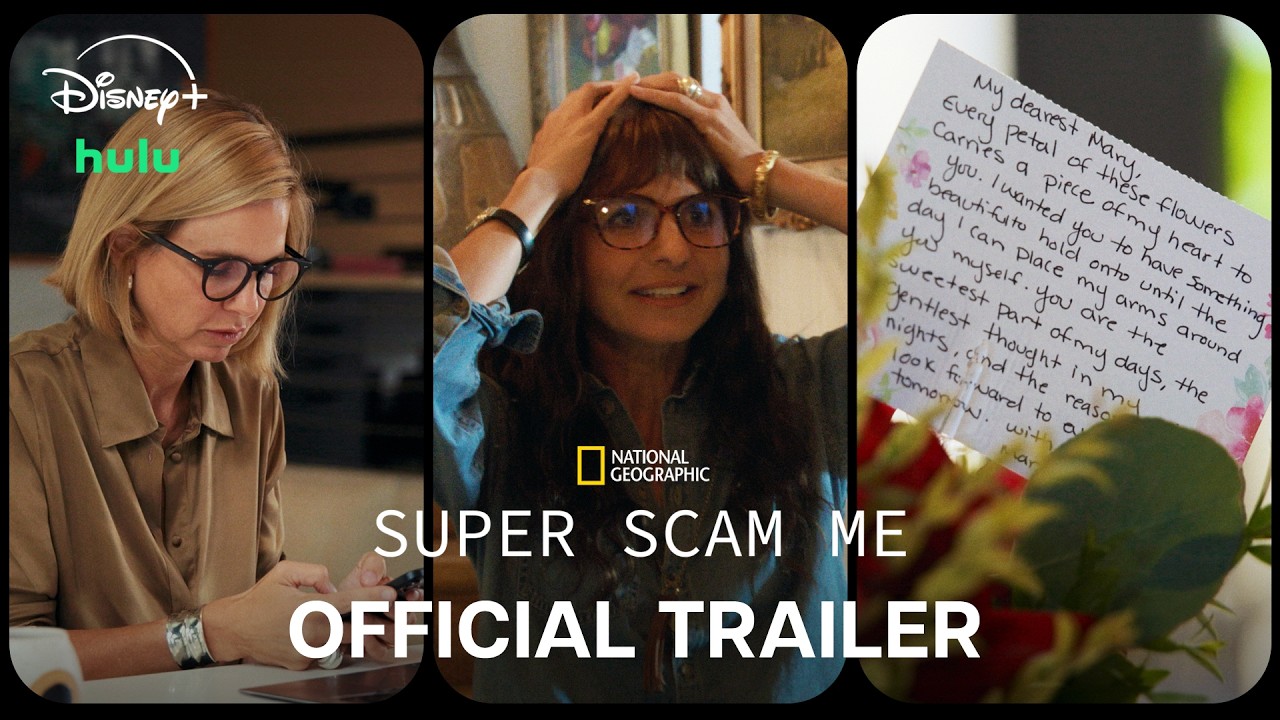
In the documentary Mariana meets the victims whose lives have been upended by romance scams, including a woman who was duped into believing she was in a year-long relationship with Jon Bon Jovi. Yes, Jon Bon Jovi. What she thought was a genuine connection with the superstar musician left her facing foreclosure on her home, providing a window into the devastating real-world consequences of these crimes.
I caught up with Mariana van Zeller to ask her about the new documentary, .
From talking to people who were scammed, do you think they were especially gullible, or could this really happen to anyone?
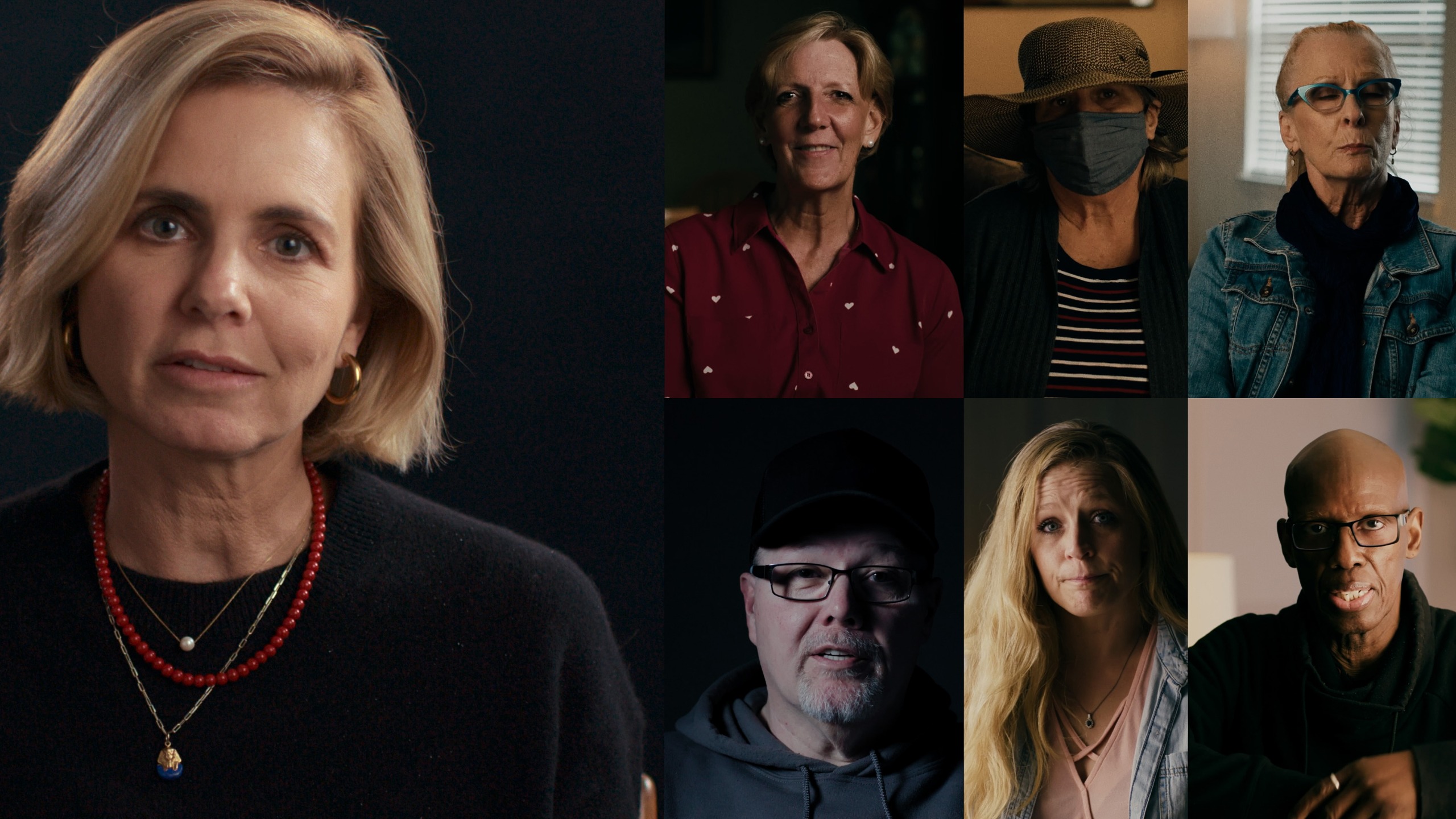
Mariana van Zeller: I truly believe this could really happen to everyone. I mean, the main reason why I decided to do this documentary was because very often I come back from reporting on these scams and people's response would be, "How stupid could they be?" and "Why did they react like this?" and "Why do you give money to a stranger?" And I really wanted to turn the table around and start focusing on the actions of the actual scammers.
How sophisticated are these scammers?
You know, these scammers are very, very good at what they do. They spend a lot of time sort of honing their craft, and they use the latest technology out there. They have it all at their disposal. They have scripts, they work in teams, they're educated, there are schools for scammers out there. And they prey on emotions that are common to all of us. You know, hope, fear, love, greed in some cases. So as long as we have those emotions — which I believe every single one of us do — we are very likely, or it is very possible that we can fall victim to one of these scams.
How do we stop this?
I think awareness is very important. I think we should be aware of how good these scammers are, about the tactics and technology and strategies that they use. It's partly what I've tried to show in . But I also think the onus shouldn't just fall on individual citizens. We should be asking our governments, we should be asking big tech and banks to do a lot more than they're doing.
You know, Leslie is a great example. In the documentary, she was supposedly having a relationship with Jon Bon Jovi for almost a year. And she is out there right now. Her heart was broken. She lost a lot of money. She almost lost her house. She felt humiliated and shamed and suffered this enormous loss.
She is now out there herself, every single day, on these platforms, raising awareness and telling people that these are fake profiles and reporting every single one of these profiles to Facebook and to Instagram and Meta in general, and hoping that they will take them down. And she says just four or three in every 10 of these actually get taken down, and the rest have existed for months.
And again, it shouldn't be Leslie, right? It shouldn't be a person who is a victim of a scam trying to prevent other people from falling for these scams. It should be our governments, it should be big tech and our banks, and there should be just a lot more being done to make sure that we're protecting our citizens.
Thank you Mariana.
, premieres on October 17 in the US, airing on National Geographic at 9pm EDT and streaming on Disney+ and Hulu the same day. In the UK premieres on Sunday 18th October at 10pm on National Geographic, and streams from the same day on Disney+.
If you are affected by any of the issues raised in this piece, support is available.
Whatever you are going through, you don’t have to face it alone. In the US, you can call or text the 24/7 Lifeline, which is 988. You can also reach the Crisis Text Line by texting HOME to 741741.
In the UK, you can call for free on 116 123, email jo@samaritans.org, or visit the website to find your nearest branch.

Graham is the Senior Editor for AI at TechRadar. With over 25 years of experience in both online and print journalism, Graham has worked for various market-leading tech brands including Computeractive, PC Pro, iMore, MacFormat, Mac|Life, Maximum PC, and more. He specializes in reporting on everything to do with AI and has appeared on BBC TV shows like BBC One Breakfast and on Radio 4 commenting on the latest trends in tech. Graham has an honors degree in Computer Science and spends his spare time podcasting and blogging.