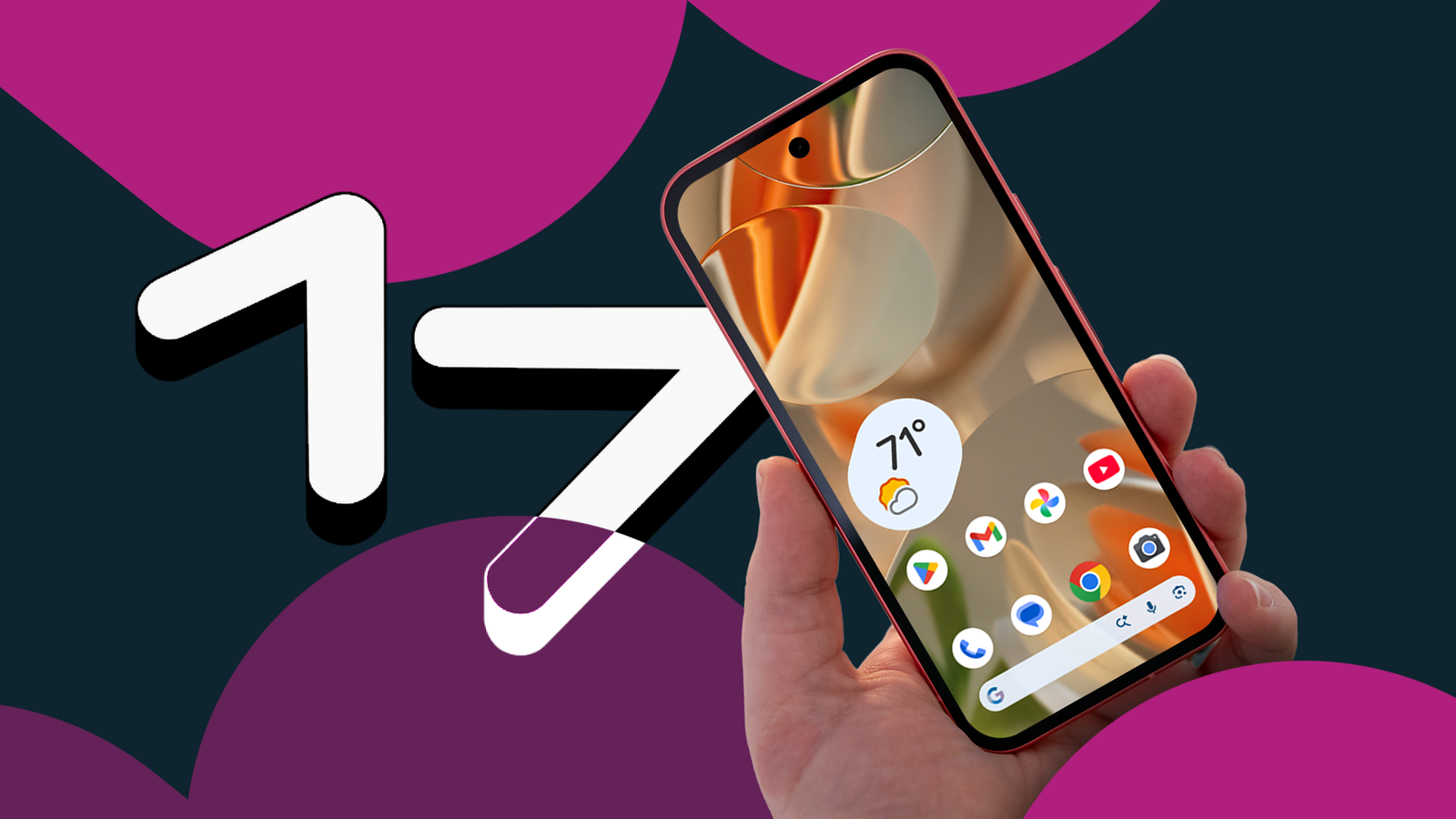
Android 17 QPR1 is here, and so is the latest Pixel Drop. Google Pixel users (including myself) now have a wealth of new features to play with. Or do they?
I'm no stranger to lackluster Android updates. With the exception of the , my Android experience hasn't changed much in recent years beyond some quality-of-life improvements.
That's not a bad thing, but it makes me wonder what's next for Android.
Android 17 QPR1 is packed full of quality-of-life UI changes
But little that's completely new
Most of covers UI changes. There are many useful changes here, like Android now storing all active media apps in the Quick Settings panel and lock screen. This makes it easier to manage multiple apps at once.
Predictive back gestures are here for the Quick Settings panel, which also receives a new Keyboard tile to make it easy to switch between installed keyboards.
You can dismiss the "Turn on mobile data" pop-up permanently, and older Pixels (pre-Pixel 11) can access the new Pixel Search settings option.
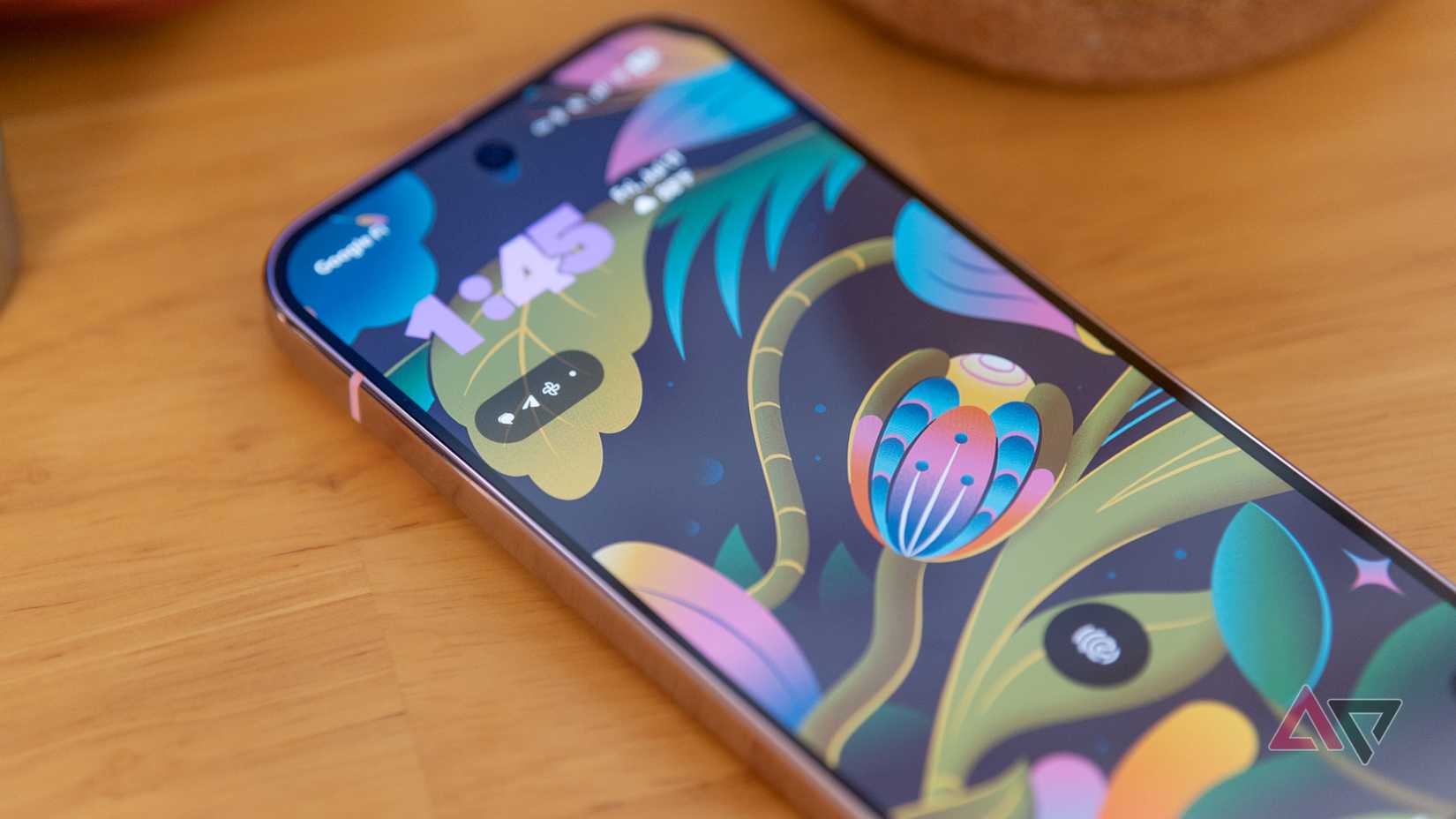
On top of these changes are a host of cosmetic updates that make the Settings app feel less cramped, shrink pop-up menus, swap new app icons for default apps, and enhance Material 3 Expressive "bouncy" animations.
Finally, Google's definitely-not-Liquid-Glass system blur is more prominent in some areas.
All in all, it's a good range of new features. Added functionality is always useful, and the Keyboard shortcut will be a great help when I'm testing multiple keyboards.
It's very subtle. Beyond the new app icons, it's hard to tell what's changed at a glance. But hey, at least the September Pixel Drop is packed full of exciting features. Right?
The September Pixel Drop improves existing features
And that's a good thing
Beyond the slightly bizarre Harry Potter/Audible collaboration, the September Pixel Drop is quietly brilliant.
Two features instantly stood out to me. Scam Detection for Gboard and Pause Point for more Pixel devices.
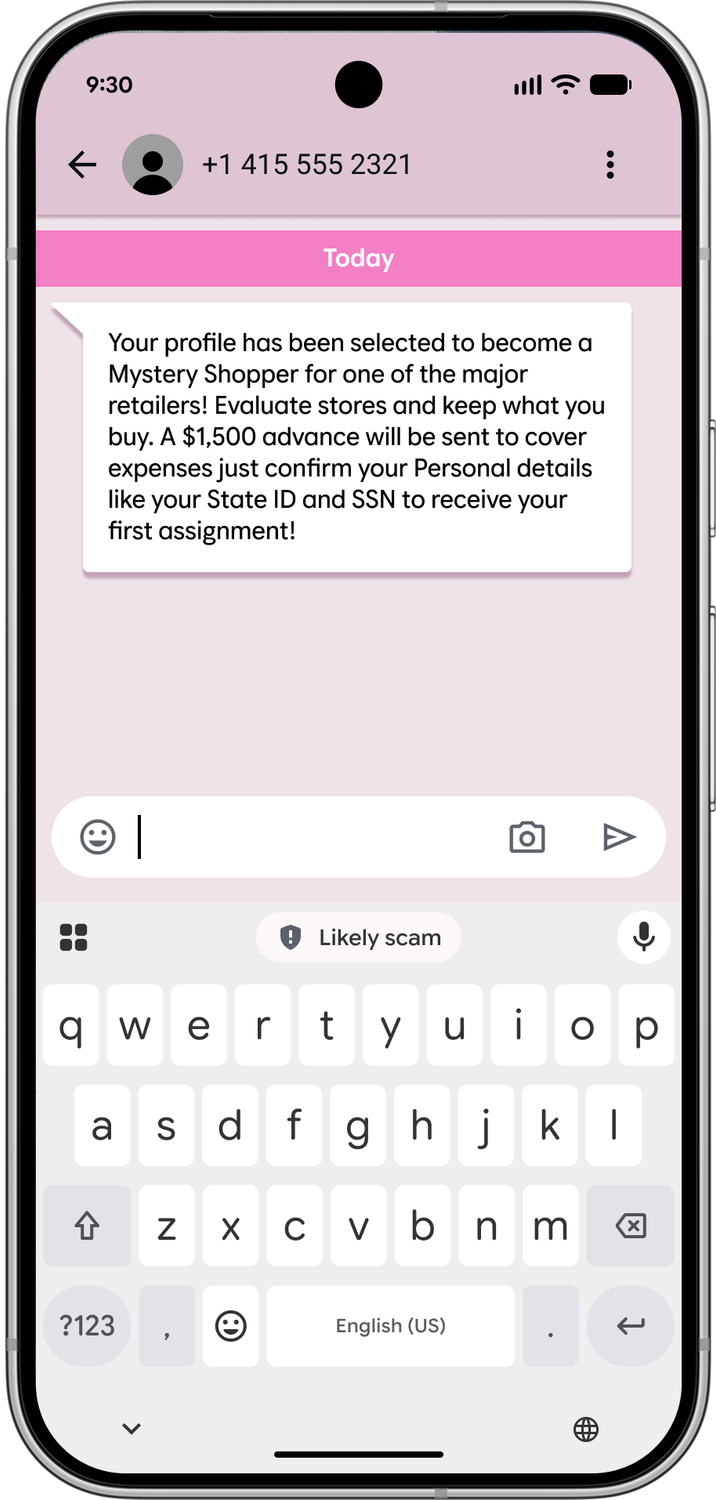
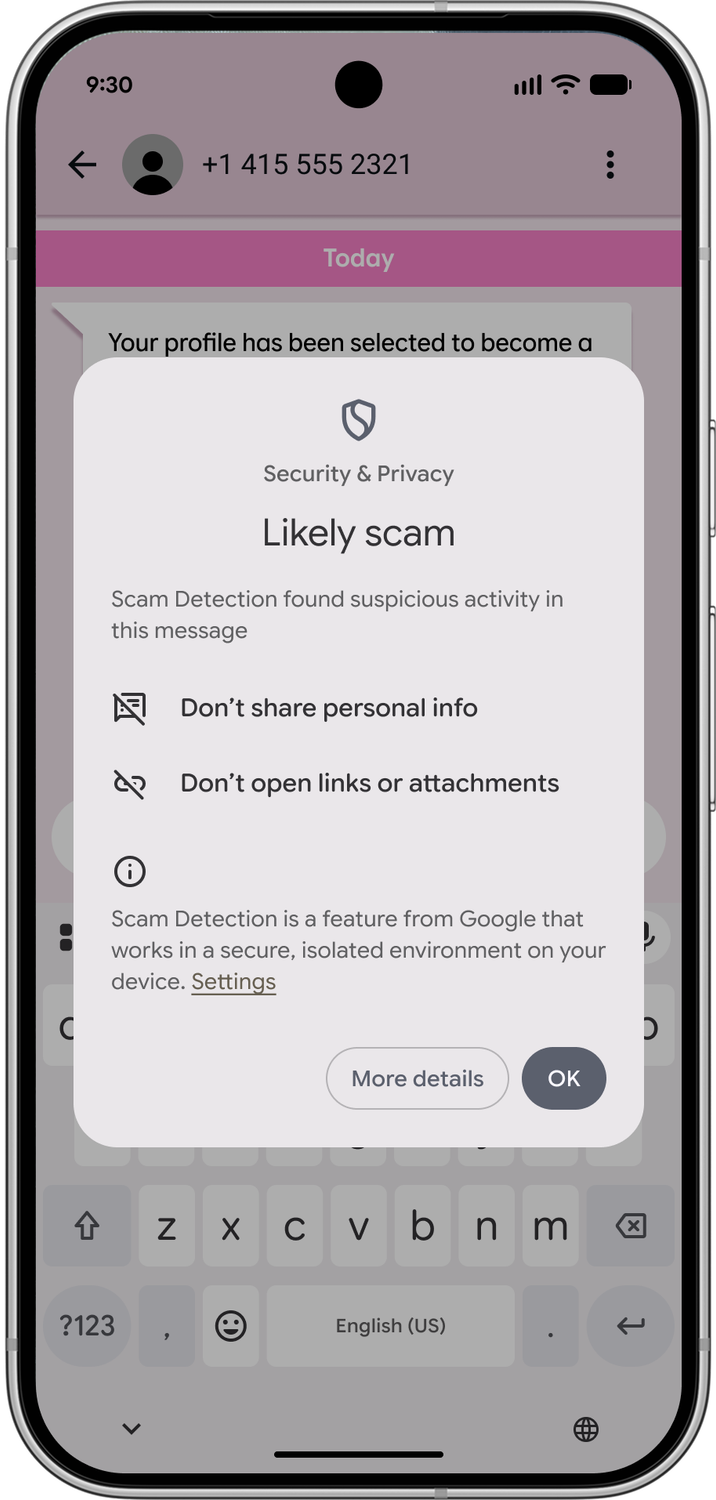
Scam Detection flags suspicious text messages. So if you receive a dodgy WhatsApp message, Gboard can flag it with a "Likely scam" warning chip.
Scam Detection in notifications is also here for nine new countries.
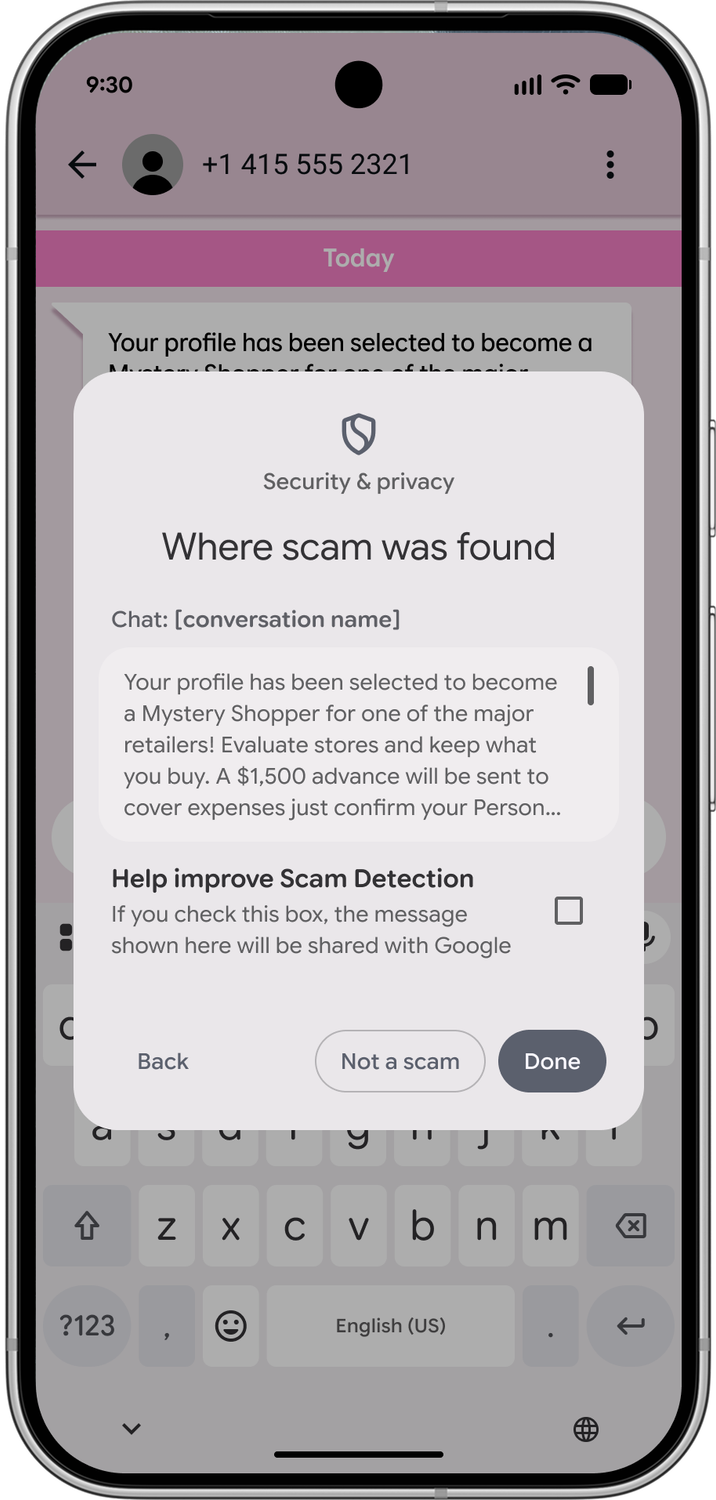
Pause Point adds a welcome digital wellbeing feature for Pixel 6 phones and later. When you open a distracting app, your Pixel will now check whether you really want to open it. Subtler than third-party efforts, but still something everyone should enable for TikTok.
There's also an improved Pixel VIP widget that's handy.
Overall, this update improves and expands existing features. It's the theme across both updates, which makes me wonder if this is the pattern for Android going forward.
Improvement over innovation
The state of Android in 2026
New features are always fun. I look forward to every new Pixel Drop for fun new features to play with. However, I tend to forget about them soon after.
New Android features seem to be increasingly specialized. In Google's Android 17 announcement post, it highlighted three major features: Bubbles, Screen Reactions, and a foldable gaming mode.
Foldable gaming mode is irrelevant for most users, and who's using Screen Reactions beyond influencers? Bubbles are handy, but I'm still not using them as much as I expected.
The most impactful Android 17 updates improved existing features. Improved security features, Mark as lost in Find Hub, enhanced Advanced Protection mode, dedicated assistant volume controls, and expanded dark themes. All genuinely useful improvements.
That seems to be the theme going forward. Improvement, not innovation. And I'm happy about it.
I'm a bit tired of the constant gimmicks, mostly AI-based, constantly being pushed to my Android phone. Android 17 QPR1 and the September Pixel Drop upgrade existing Android features.
Android is running out of things it can do
What's next?
It's hard to think of something new Android could introduce that would improve my life. Each update makes something easier, but it's usually stuff that wasn't bothering me in the first place.
However, while my Pixel 10 Pro can do a lot, it doesn't do everything perfectly. Scam Detection is a perfect example.
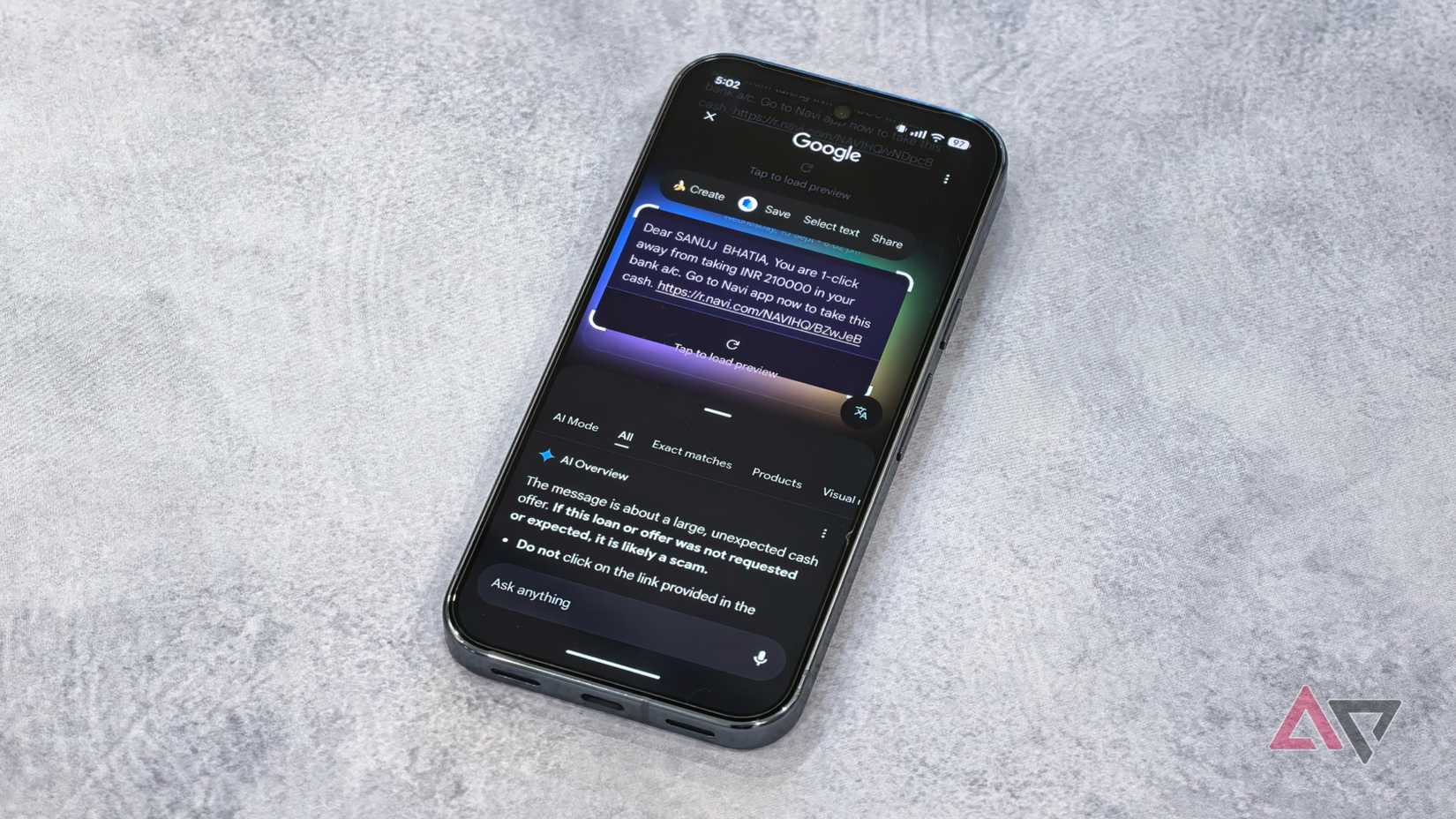
I've loved Scam Detection for calls, but I've noticed its absence for texting. Messages by Google is great at identifying spam, but WhatsApp doesn't block it well.
That's the kind of update that improves rather than innovates, and I think that's most of what we can expect from future Android updates.
Updates don't need to be exciting
This cycle won't last forever. However, I hope Android 18 is the most visually boring update yet. My Android phone needs improving, not adding to. Less AI nonsense, , please.