
Although battery life on Android smartwatches has improved in recent years, the gains have been minimal, especially on Google Pixel and Samsung Galaxy wearables.
The good news is that Google isn't stopping at giving Wear OS-based watches the enhancements they need, including a more efficient processor and optimized Wear OS.
Better yet, Google recently introduced a feature that allows compatible to piggyback on a connected phone's GPS during outdoor workouts, potentially extending battery life by reducing the watch's own GPS usage.
Android watches can now utilize smartphone’s GPS


In a Google Play services update, version v26.45 (2026-11-16), recently rolled out, as spotted by Android Authority, watches can now use a smartphone’s GNSS (Global Navigation Satellite System) to track your location during outdoor workouts or runs.
GNSS encompasses many satellite positioning systems, including GPS, which is used in the USA.
- [Phone, Wear] This update lets your watch use your phone's GNSS to track location during outdoor workouts and helps conserve watch battery life when your phone isn't in Battery Saver mode.
Many Android watches ship with built-in GPS, which is an advantage for tracking workouts outside your home since it doesn’t need to be connected to a smartphone.
However, using GPS is one of the biggest battery-draining activities, given the measly battery size in watches. So having the option to utilize your phone’s GPS for tracking would help preserve the watch’s battery.
But it’s unclear how much improvement users can get, though it should bring modest to substantial gains if you do outdoor workouts regularly.
Which smartwatches get this battery-saving upgrade
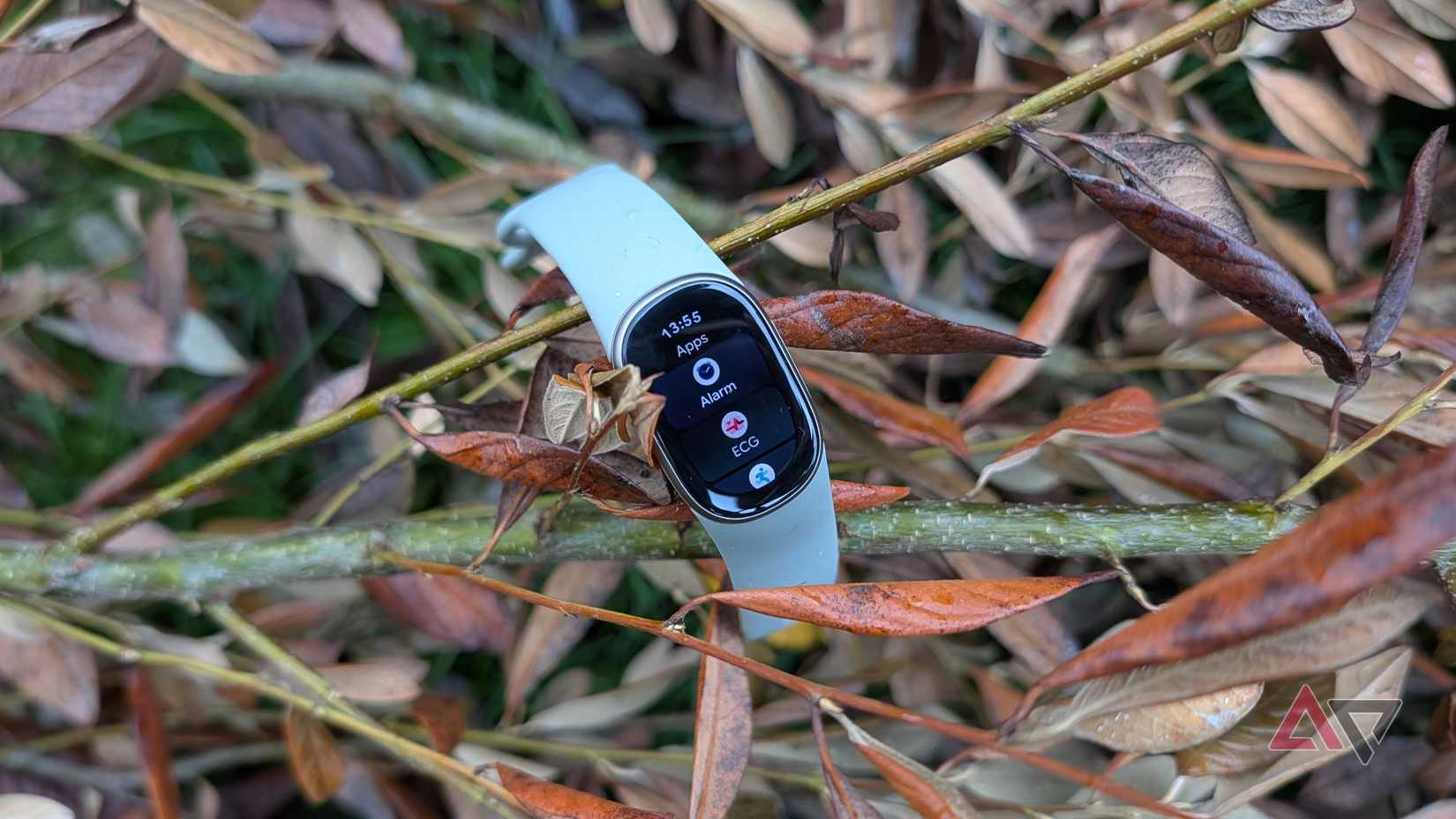
There’s no mention of which Wear OS smartwatches will be getting this feature first. But we expect Google to roll this feature out to select Pixel Watch and Galaxy Watch models soon.
Some Fitbit trackers and watches, such as the , already use the same feature through dynamic GPS. Meanwhile, wearables with no GPS, like the Fitbit Air, always rely on a connected smartphone's GPS.
In the Google Health app, under device preferences, wearers can choose to use dynamic GPS, which uses positioning from the Edge and the phone. There is also an option to use only the device’s GPS or limit tracking to the phone’s GPS.
In that case, we might see comparable settings controls for Pixel Watches and supported wearables.
More battery optimizations
Beyond the new dynamic GPS feature, Google also shipped with a notable battery-life enhancement. Google said the major update should give users up to 10% more battery than in Wear OS 6.
So, combined with other improvements, Pixel Watches should get more runtime than before.
Of course, that's still enough to get you another day or more, or to reach the level of Garmin or even the , but it’s still a welcome boost.