I keep two lines on one phone, one for work and one for personal use.
On my Samsung phone, that means the SIM picker shows up before nearly every call, plus extra taps when my network goes down, since Google Messages made SIM switching harder.
So, before I got a new phone dedicated to personal use, I decided to track every SIM choice for five days. Then I changed two settings and ran the same routine again.
These settings have been on the phone since Samsung's Android 12 update, but nothing indicated so, and one of them misses a problem that's common on prepaid mobile plans.
Android puts default or ask up front
Calls and texts added up to 50 SIM choices
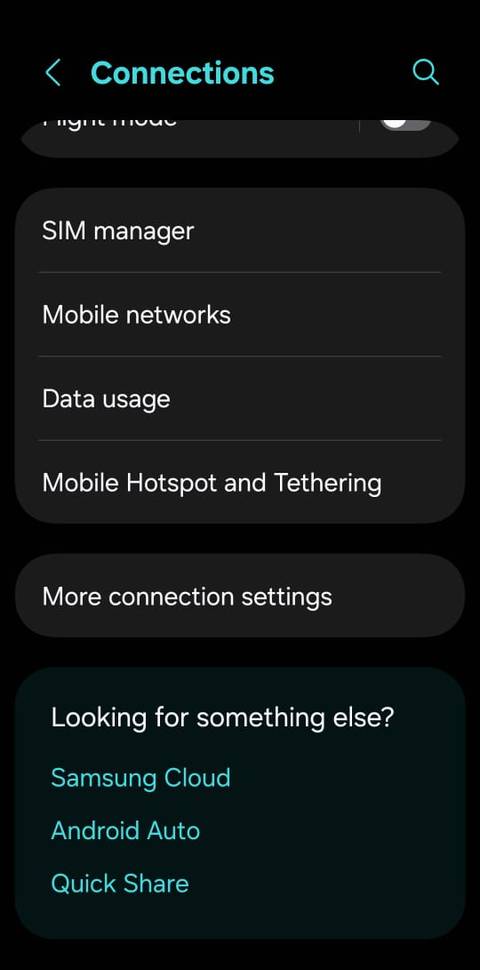
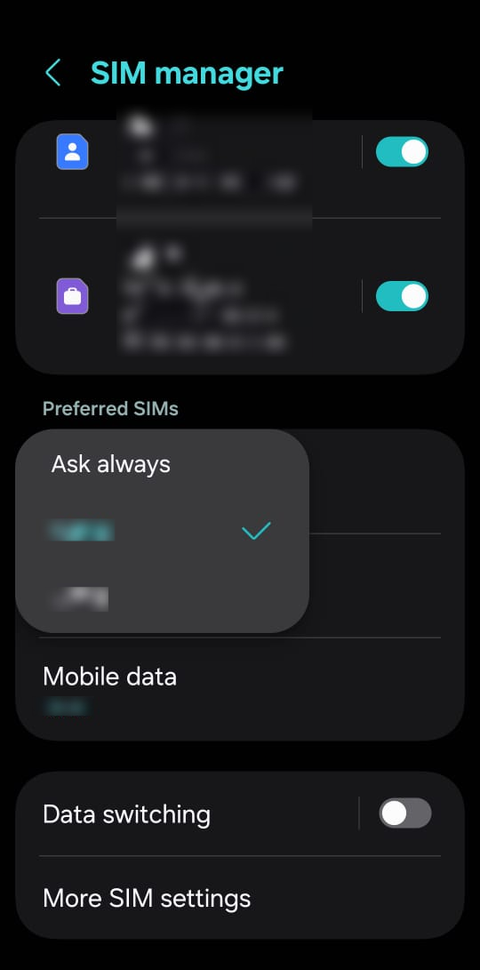
For calls, Samsung's SIM manager gave me two choices. I could set one SIM as the default, or I could have the phone ask every time.
A single default doesn't work for me, since I need to keep work calls separate from my personal line. And since I make calls across both lines so often, it wouldn't be convenient to keep one always on.
I chose Ask always, so the phone showed a SIM picker before every call. During the five days, I had to choose the SIM I wanted about 35 times.
I also used the wrong SIM at least seven times, which meant I had to identify myself to the receiver.
I got fewer interruptions with texts since Google Messages remembers the SIM for each conversation. But it was a little inconvenient when I needed to switch because of network issues.
Switching took longer than it did just over a year ago. In February 2025, a Messages update moved the one-tap SIM switcher from the compose box and into each conversation's details page.
Now, the compose box shows which SIM a message will use, and tapping it opens those details. Google tested a long-press Switch SIM shortcut in late 2025, but it also leads to the details page.
The per-contact setting in the Contacts app
Nothing on the SIM manager screen shows it
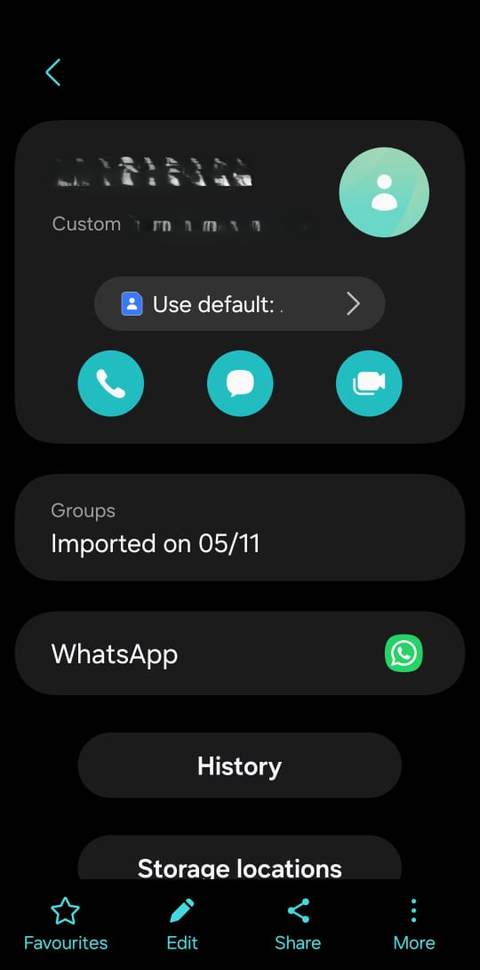
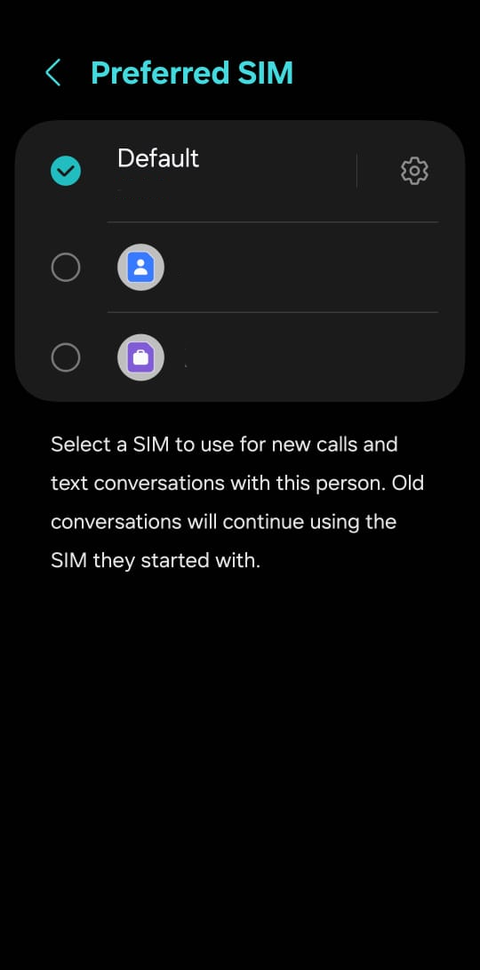
After the first run, I found Samsung's per-contact SIM setting. It's surprising that I had to check whether such a setting even existed.
In the Contacts app, I opened a contact, tapped Edit, and picked a preferred SIM for calls.
That option is in a different app from the SIM manager, which only offers default or ask, and there's nothing on that screen that suggests I would find it in Contacts.
Google's Phone app on Pixels has a similar Set calling SIM option, also tucked inside each contact's menu. Motorola goes further with Smart SIM in Hello UI, which makes a SIM the default for a contact after you use it three times.
Samsung should ship this version of the setting because it doesn't make users dig for it.
Repeating the week with both settings on
Auto data switching covered the outages
For the second run, I set a preferred SIM for the contacts I call most frequently and turned on auto data switching. Then I continued to use the phone as usual and still texted through Google Messages.
This time, I only got three prompts for numbers I rarely call, and I set a preferred SIM for each one immediately after the call.
Text switching dropped to zero, even though my network still had a couple of downtimes.
Samsung says it keeps calls and texts working on a SIM without coverage by routing them over the other SIM's mobile data.
This meant that, during outages, my work conversations kept sending from the work line. I didn't have to open a conversation's details to change lines. But these only work for VoLTE calls and RCS messages.
Auto data switching handled weak coverage well, but I assumed it would switch to the other SIM when the primary SIM ran out of data.
The feature works based on coverage and reachability. That means a SIM with a strong signal and an empty data plan still looks healthy to the phone, so it stays on that line.
When that happened, I still had to switch my data SIM by hand.
Dual SIMs might never be solved
Samsung clearly keeps two-line users in mind with features like . Yet adding a second SIM still leaves you at default or ask.
One setup screen asking which line each contact uses, or even an indication that you can change this in Contacts, would have saved me 47 SIM choices in five days.
The bigger problem is that Android has still not solved what it is like to live with two lines daily. Dual SIM support still treats one SIM as the primary while the other remains as backup, and that's one reason I'm getting a second phone.
With phone makers focused on rather than fixing the ergonomics, I doubt the situation is changing anytime soon.