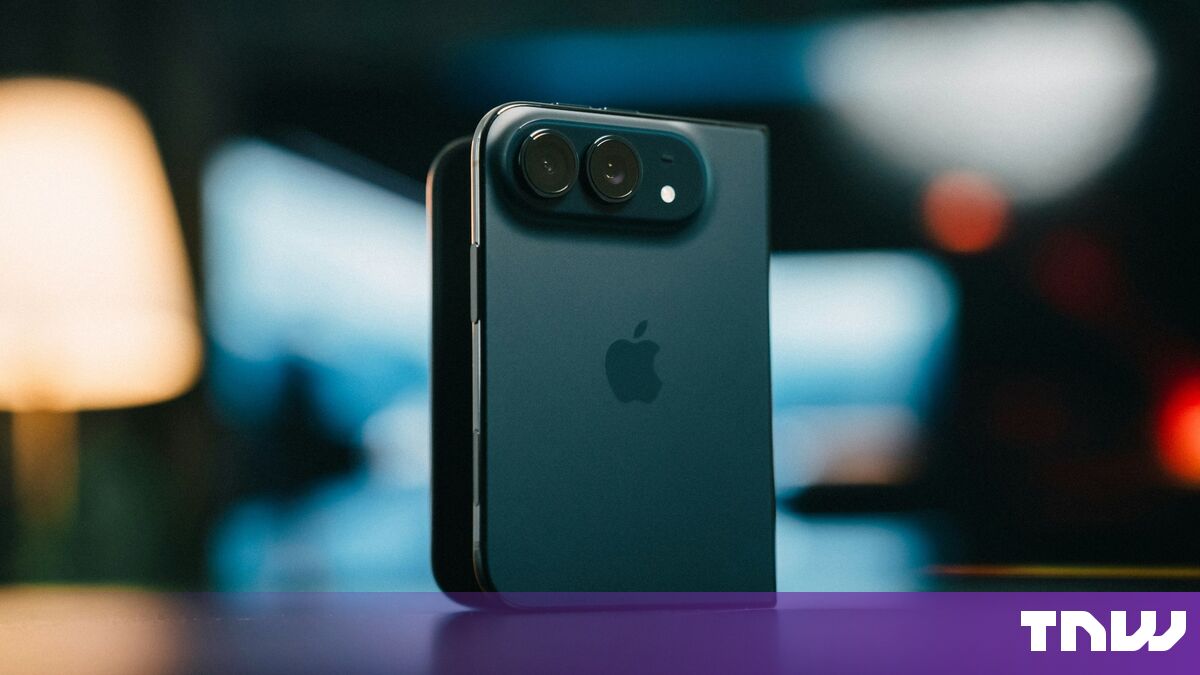
Apple’s first foldable phone, the iPhone Duo, went on sale on Friday, October 23, at a starting price of $1,999. Sydney was the first Apple Store to sell it, opening its doors at 08:00 local time (21:00 GMT on Thursday) to a queue of buyers.
The launch will show whether Apple can grow a niche that Samsung and Huawei have served for years, reported.
The phone is also an early test for John Ternus, who became Apple’s chief executive on September 1 and unveiled the Duo eight days later.
Buyers will struggle to find one in a shop. Apple said walk-in stock is limited in the US, Canada, Mexico, Australia and much of the UK and Europe. In China, France, Hong Kong, India and Japan, stores will only hand phones to customers who ordered online.
In Sydney, Simon Krishnan, a 48-year-old engineer, paid A$3,899 (about US$2,734) for a 512GB model.
“This is a bit of a luxury item for me, because it’s so expensive, but I just think, you know what? Life’s too short,” he told Reuters.
Delivery dates for new orders slipped to late January within minutes of pre-orders opening on October 16.
“The pre-order demand for iPhone Duo, our first foldable iPhone, has been nothing short of extraordinary,” Apple told the Financial Times.
Early reviews praised the design and a hinge that leaves almost no visible crease, long a weak spot for folding screens. Reviewers were less sure about the rest.
The Duo has no telephoto camera, uses Touch ID instead of Face ID, and many third-party apps still need updating for its 7.6-inch inner screen.
John Gruber of wrote that using the Duo felt like using “an extraordinarily polished prototype,” not a finished product he would want to buy and carry.
Marques Brownlee said in his YouTube review that the phone was “probably a no” for people who mostly text, use social media, and browse the web.
Analysts are more upbeat. IDC expects Apple to take 44% of foldable market value in 2026 on 31% of units shipped, and to lead the category on both measures by 2027.
“Apple has made a convincing case for this form factor,” Francisco Jeronimo, a vice president at IDC, told Reuters after a week with the phone.
The next test, he said, is “turning excitement into availability, adoption and a lasting new chapter” for the smartphone.