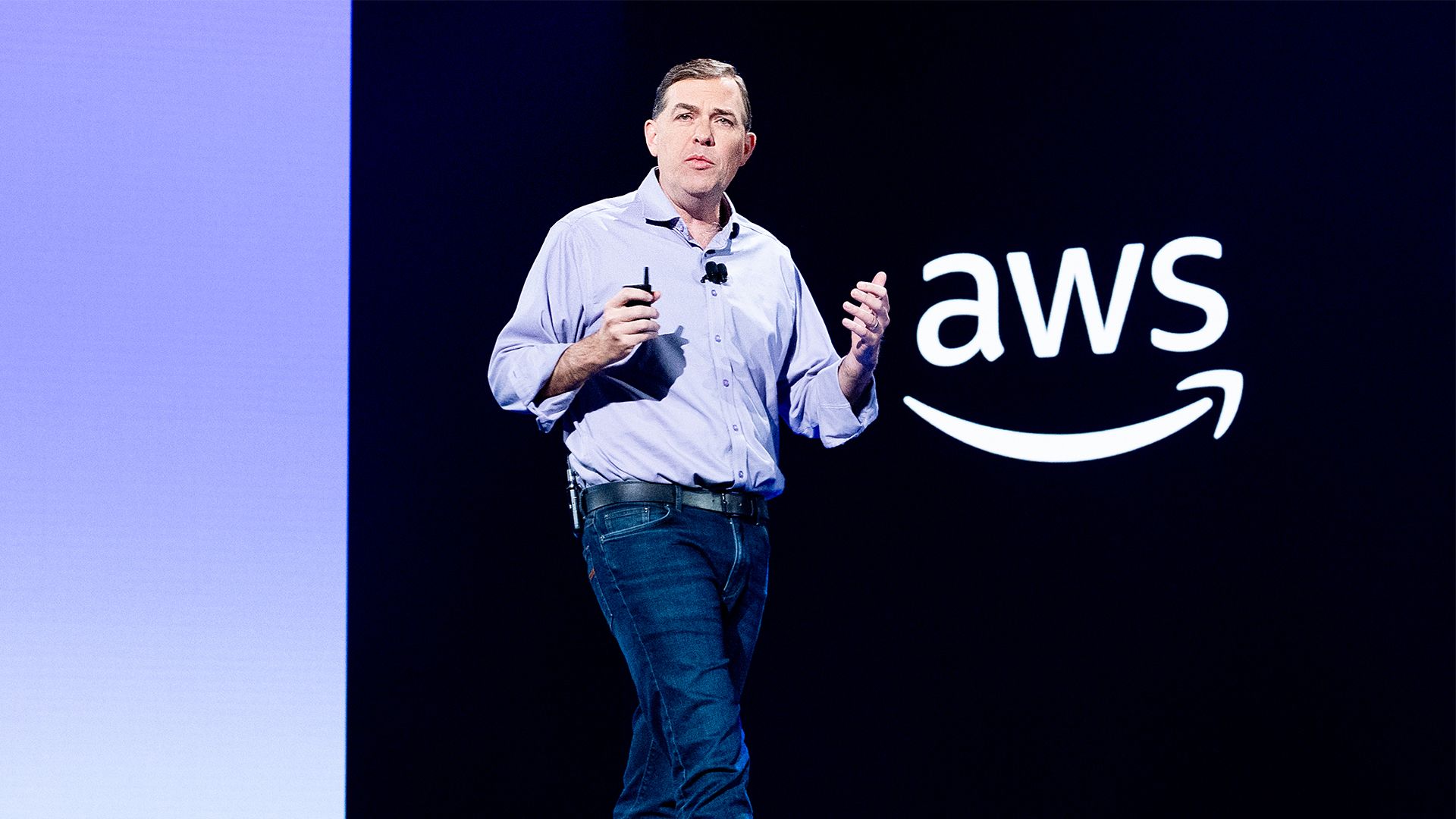
AWS CEO Matt Garman has published a lengthy blog post suggesting that protests against data centers are misguided, and often prompted by hostile nations.
According to Garman, the US economy, national security, and ordinary people stand to benefit immensely from AI, and thus from data centers.
With more than 100 data center moratoriums being considered across the country, Garman said making the wrong choices could put the country behind, potentially irreparably.
"With any change, there will be important questions raised, but there will also be misinformation and outright lies, and in the age of social media and 24/7 news, myths take hold faster than ever before," he wrote.
"In fact, this build out is so important geopolitically that there are widespread reports of various countries intentionally seeding misinformation in the US about data centers to trick us into slowing down."
As a sweetener to encourage more communities to approve data center plans, Garman announced plans to allocate $1 billion over the next five years under a program called Built Together.
How it's spent would depend on the communities themselves, but the money would likely go towards education, job training, energy affordability, and water and energy conservation.
Sign up today and you will receive a free copy of our Future Focus 2026 report - the leading resource for IT decision-maker insight on priorities and investment areas in AI, security and more.
Like Microsoft, Garman noted that the hyperscaler has also stopped using nondisclosure agreements (NDAs) when seeking approval for new data centers from government agencies, another long-standing source of contention.
Instead, he said the company is providing information about its plans as early as possible and listening to concerns.
Garman shrugs off data center concerns
Much of the post goes to trying to counter those concerns. Data centers actually use very little water relative to other industries, he said, with US golf courses alone using around 200 times as much water as all of Amazon’s data centers put together.
Nor are they driving up energy prices or emitting huge amounts of pollution via their large backup diesel generators, he claimed.
Data centers also offer significant advantages for local communities, according to Garman.
"Data centers bring considerable tax revenue, positive economic impact, large numbers of good jobs, education programs and other benefits to the communities where they’re built," he said.
"Additionally, thousands of construction jobs are created to build data centers. These jobs benefit families in these communities and are a boon for local small businesses,” Garman added.
“The average wages paid far exceed local and national medians, and the job numbers associated with these projects are typically very significant compared to the size of these communities."
AWS has a hard battle to fight, however, with surveys showing that the US public is extremely wary about the proliferation of data centers. In a poll last month by the University of Massachusetts Amherst, just 11% of Americans said they would support the construction of an AI data center in their local community, with 65% against.
Garman's comments on job creation also run counter to recent research in the UK, which showed that only a quarter of the roles predicted in upcoming projects will actually materialize.
Analysis from environmental think tank Verdant noted that data center projects will only create 10,400 workers. That marks a stark contrast to figures touted by TechUK, which predicts around 40,000 overall.
“The remarkable thing is that we can’t find a constituency that actually wants these data centers,” said Raymond La Raja, professor of political science at UMass Amherst and co-director of the poll.
"The politics of AI may be somewhat polarized, but resistance to putting its infrastructure next door crosses the partisan divide.”