- The FEC was hit by a cyberattack on Monday that took filing systems offline
- 24 and 48 hour donation reports couldn't be filed for almost 41 hours
- The attack has been blamed on a "bad actor", but no other details have been released
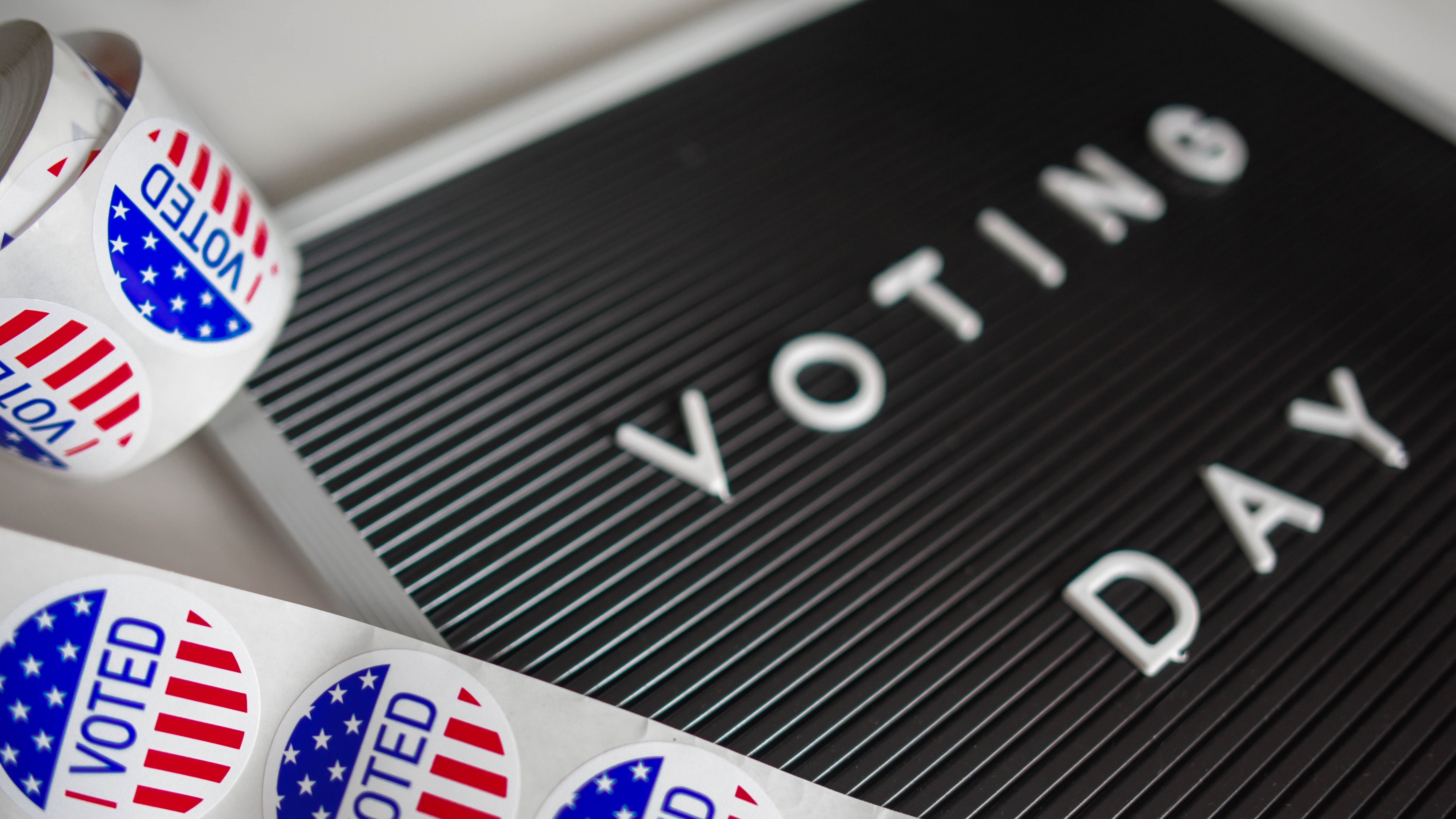
Just days before voters head to the polls in what is the most significant voting occasion in Donald Trump’s second term, the Federal Election Commission went offline for almost 41 hours to contain a cyberattack.
During that time, there was a window for big donors and SuperPACs to fund campaigns without being able to submit 24 and 48 hour funding reports, likely leaving millions of dollars undeclared.
Campaign and finance watchdogs have voiced outrage about the lack of transparency into funding at a critical time in the election cycle, especially as there are no caps on how much SuperPACs can spend to help or hinder candidates.
Funding transparency goes dark
An email sent to campaign compliance firms on Monday said that FEC services were taken down after a “bad actor” attempted to gain access to systems. Outside of this, there is little information to go on regarding who would be responsible or what their motives might be.
According to OpenSecrets research director Brendan Glavin, who spoke to , around $50 million was spent per day in the lead up to the FEC outage, with $250 spent on October 20 alone.
Disclosure delayed is disclosure denied,” Hilary Braseth, executive director of nonpartisan campaign finance watchdog OpenSecrets, said in a statement during the outage. “When hundreds of millions of dollars in outside money flood political airwaves in the final days before an election, transparency is not an optional luxury, it is a fundamental public safeguard.”
As would be expected, numerous conspiracy theories surrounding the FEC outage have been floated online. Many suggested the outage would give donors a window to funnel millions of dollars of undeclared funding into candidates needing a last minute boost.
“We didn't have access to the last-minute spending, which is really ramped up as the election draws nearer,” Molly White, a crypto and Big Tech political spending tracker, told Reuters. “We have no visibility into that when the filing systems are down. It's pretty devastating this close to the election”
“It's hard to say with any real information that that's what happened, but it's certainly I think where people's minds go very quickly,” she concluded.
SuperPACs back pro-AI candidates
AI has been a hot topic ahead of the midterm elections, which take place on November 3. The huge buildout of AI data centers across the US - and the billions spent to fund it - have been met with opposition by the majority of Americans.
To counter the outrage and swing the vote in favor of AI, numerous SuperPACS have spent millions of dollars to support campaigns of pro-AI candidates and millions more to harm those critical of the technology.
President Trump has pushed an administrative policy of AI at any cost, claiming that the US economy and national security depends on continuing AI superiority over rivals such as China. To that end, the estimates on the total AI infrastructural spending range between $2.8 trillion by 2030 to $10.3 trillion by 2032, so there is certainly a lot riding on this election.
With many states enacting or considering moratoriums on AI data centers, anti-AI candidates could scupper the Trump administration's hopes for being an AI powerhouse.

Benedict provides detailed analysis on state-sponsored threat actors, APT groups, and the protection of critical national infrastructure, with his reporting bridging the gap between technical threat intelligence and B2B security strategy.
Benedict holds an MA (Distinction) in Security, Intelligence, and Diplomacy from the University of Buckingham Centre for Security and Intelligence Studies (BUCSIS), with his specialization providing him with a robust academic framework for deconstructing complex international conflicts and intelligence operations, and the ability to translate intricate security data into actionable insights.