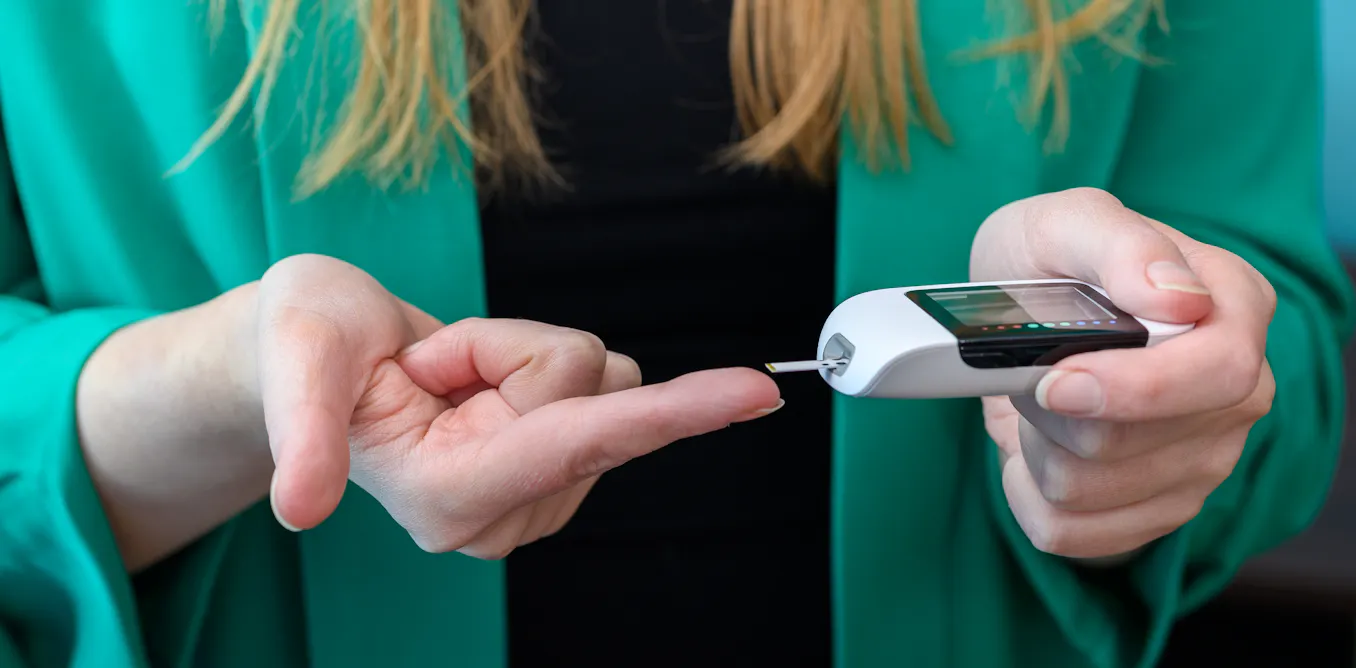
Blood sugar, also called blood glucose, rises after eating. Seeing that rise on a wearable monitor can make an ordinary meal look worrying. But a higher reading after lunch does not, by itself, mean that something has gone wrong.
The body uses glucose for energy. After a meal containing carbohydrate, glucose enters the bloodstream. In response, the pancreas, an organ behind the stomach, releases insulin. This hormone helps the body use glucose and store some for later.
For people with diabetes, managing blood glucose is essential. For people without diabetes, however, the benefits of tracking every rise and trying to flatten it are much less certain. A recent review found important gaps between claims about harmful “glucose spikes” and the available research.
So what can everyday habits do, and how much should we expect from them?
Consider the whole meal
The type and amount of carbohydrate you eat affect how much your blood glucose rises after eating. Choosing fibre-rich foods, such as beans and wholegrains, is a good place to start. A review of clinical trials found that increasing fibre improved measures of blood glucose control in people with diabetes or prediabetes; where glucose levels are above the usual range but below the threshold for diabetes.
Another way of comparing foods that contain carbohydrates is the glycaemic index, or GI. It compares how much they raise blood glucose when portions containing the same amount of carbohydrate are eaten.
But GI tells only part of the story. It does not account for the portion you actually eat or the other foods on your plate. A food’s GI therefore cannot tell you exactly how your body will respond to a whole meal.
Other ingredients in a meal can change how high blood glucose rises and when it peaks. Adding fat, for example, may delay the rise without necessarily reducing the overall glucose response. A lower early peak does not, on its own, mean that a meal is healthier.
It may also matter which foods you eat first. A 2026 review of six small studies, involving 107 healthy adults, found that eating vegetables or protein-rich foods before carbohydrate-rich foods often reduced the rise in blood glucose shortly after eating.
However, these short studies, mainly involving young adults, do not show whether eating foods in a particular order prevents diabetes or improves long term health.
Movement can help your body use glucose
When muscles contract, they can take up glucose from the blood through processes that do not depend entirely on insulin.
Regular exercise has much more evidence behind it than individual post-meal movement strategies. A review of 100 randomised trials in adults with type 2 diabetes found that aerobic exercise, such as cycling, and resistance exercise, such as lifting weights, helped lower HbA1c. This is a measure of average blood glucose levels over the previous two to three months. Lower HbA1c levels generally indicate better long-term blood glucose control, which can help reduce the risk of diabetes-related complications.
Movement after eating may also help. A review of studies involving people with type 2 diabetes found that exercise after meals could reduce the subsequent glucose rise. The studies differed considerably, so they could not establish one ideal exercise routine or starting time.
Even a short walk may make a difference. In a small trial involving 12 healthy young adults, participants had a lower glucose response over two hours when they walked at a comfortable pace for ten minutes immediately after drinking a glucose solution than when they remained seated.
That is encouraging, but a glucose drink differs from dinner. The study cannot tell us exactly what a ten-minute walk will do after an ordinary meal for people of different ages and health backgrounds.
Researchers have also investigated seated “soleus push-ups”: repeated heel raises that work a muscle deep in the calf. In a 2025 pilot study, ten people with prediabetes had a lower glucose response while repeating the movement throughout a two-hour test involving a glucose drink test. This does not show that a few heel raises after lunch would have the same effect or improve glucose control over time.
Sleep matters too. Glucose regulation also depends on how effectively the body responds to insulin, known as insulin sensitivity.
A review combining results from randomised studies found that restricting sleep reduced insulin sensitivity in healthy adults. This supports paying attention to sleep alongside food and activity, although it does not show that an extra hour in bed will produce a particular glucose reading.
Put readings in context
Wearable continuous glucose monitors use a small sensor beneath the skin to measure glucose in the fluid between cells and estimate glucose levels. They can be valuable in diabetes care, but current diagnostic guidance says there is insufficient evidence to use them to diagnose diabetes or prediabetes.
Diabetes is diagnosed using specific blood tests, usually with a second abnormal result to confirm the diagnosis unless it is already clear. A standard glucose-tolerance test uses a measured glucose drink, so its diagnostic thresholds cannot simply be applied to a reading after an ordinary meal.
People with diabetes need advice tailored to their medication and circumstances. Some treatments, including insulin, can cause dangerously low blood glucose, so lower readings are not always better.
For most people without diabetes, there is no established need to flatten every rise after eating. Focus instead on sustainable habits, such as including more fibre-rich foods, moving regularly and getting adequate sleep, rather than judging each meal by a glucose graph. If you repeatedly see unexpected readings or have symptoms that concern you, seek medical advice.