But the new law isn't set to take effect until July 1, 2028.
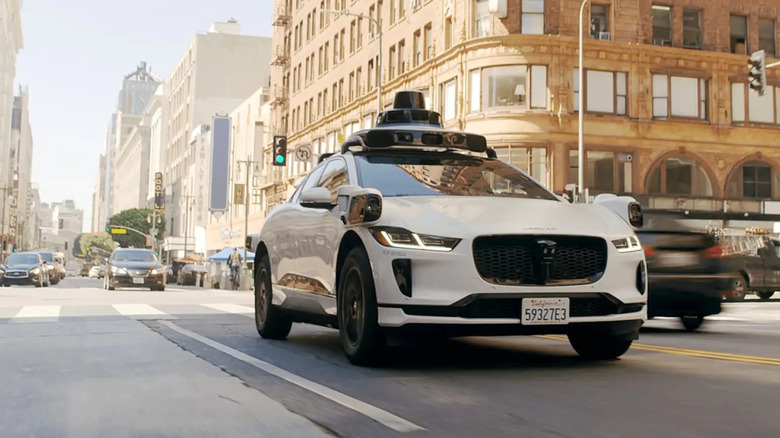
California Governor Gavin Newsom has signed into a law new rules for robotaxis, including one that that's meant to address concerns that they could get in the way of emergency services. Newsom signed Senate Bill 1246, which will establish local penalties for robotaxi companies if their vehicles block first responders, such as ambulances and fire trucks, for more than 30 minutes in case of emergencies.
Several events over the past year have heightened people's worries that driverless cars could hinder emergency services from responding in a timely manner. In December 2025, several Waymo vehicles got stuck in the middle of San Francisco roads after a power outage that took out the city's traffic lights. During this year's Fourth of July celebrations, Waymo vehicles also had to be towed away after they ran out of power and got stranded due to heavy San Francisco traffic.
Outside of California, in Austin Texas, a Waymo car blocked an ambulance that was responding to a shooting. The US National Highway Traffic Safety Administration asked operators to figure out a solution back in July, after identifying "a clear pattern of driverless AVs interfering with law enforcement and other first responders."
Under SB 1246, operators will also be required to provide an on-site contact for emergency responders, who will be called "local incident technicians" and who'll be able to assist with AV accidents and obstructions immediately. They will be required to use US-based remote human drivers holding US driver's licenses, as well. No, robotaxies aren't being driven remotely all the time. In Tesla's case, it only lets human drivers remotely control a vehicle in difficult situations if "available intervention actions have been exhausted." Meanwhile, Waymo revealed earlier this year that its vehicles could sometimes rely on guidance from remote human operators when they're stuck. It just so happened that those operators live in other countries.
In addition, SB 1246 requires robotaxi companies to notify local authorities about the location and status of their vehicles during system-wide failures. Finally, companies will have to issue additional reporting on their response times to incidents involving their vehicles. The robotaxi operators will have time to make sure they can comply with these new rules, because the law won't go into effect until July 1, 2028.