The relatively short lifespans of non-human great apes might explain why their brain mass is maintained in later life
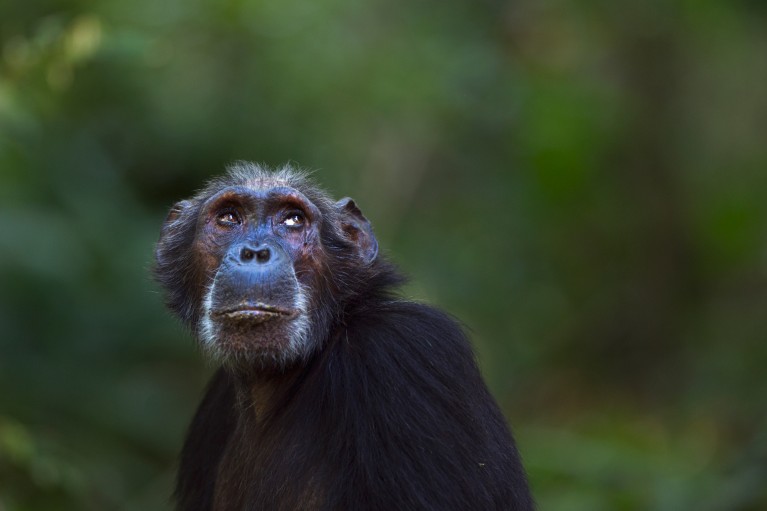
In humans, the brain tends to start losing weight at around the age of 45 to 50, even in the absence of disease. But a new analysis of the brains of 601 chimpanzees (Pan troglodytes), gorillas (Gorilla gorilla), orangutans (Pongo pygmaeus and Pongo abelii) and bonobos (Pan paniscus) suggests that the same might not happen in humans’ closest living relatives1.
Access options
Access Nature and 54 other Nature Portfolio journals
Get Nature+, our best-value online-access subscription
Subscribe to this journal
Receive 52 print issues and online access
$199.00 per year
only $3.83 per issue
Rent or buy this article
Prices vary by article type
$1.95
$39.95
Prices may be subject to local taxes which are calculated during checkout
doi: https://doi.org/10.1038/d41586-026-03158-0