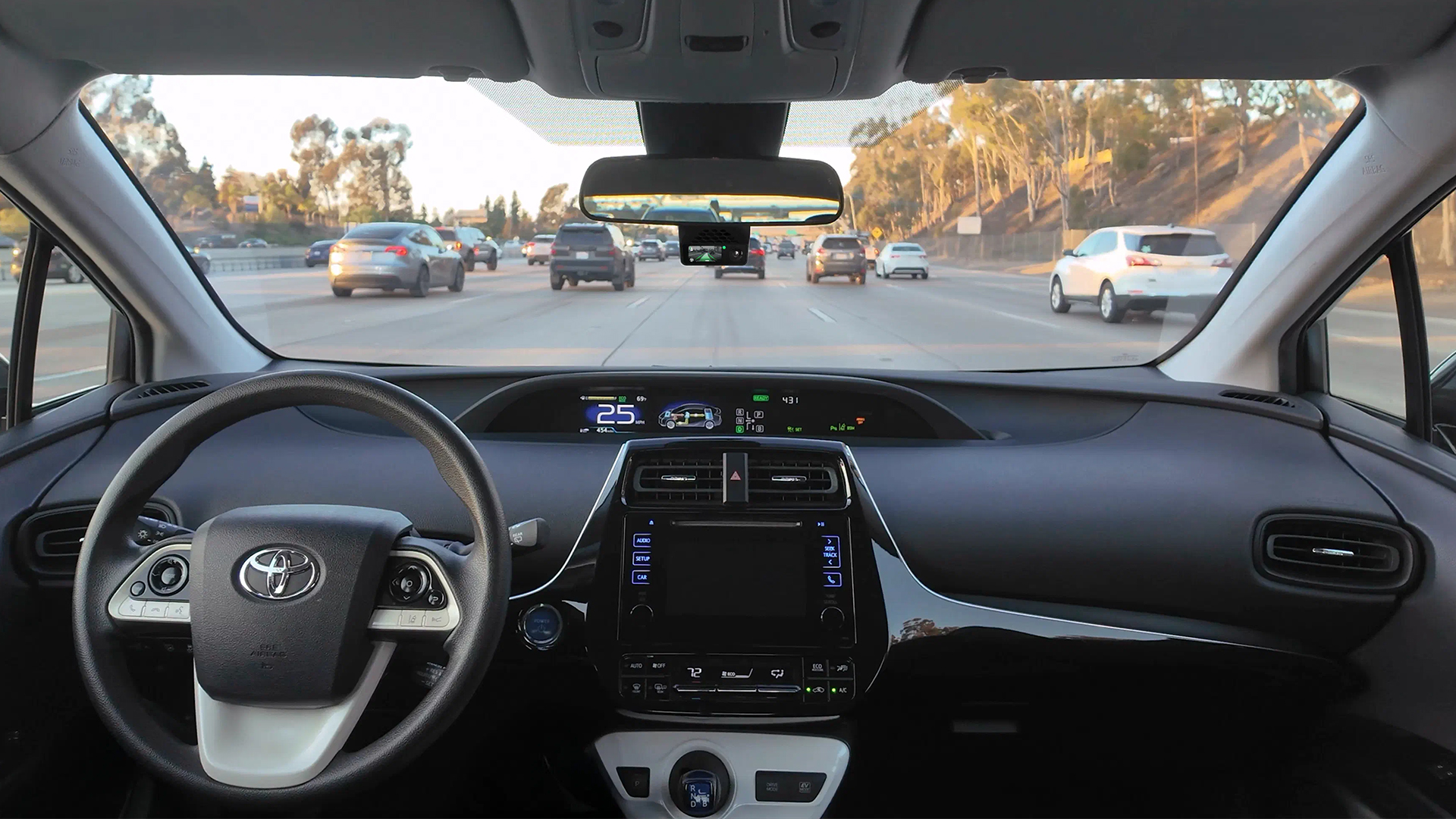
- Comma’s device offers self-driving capabilities as an aftermarket solution
- The NHTSA says it knows of five crashes where drivers were using device
- Two of the crashes reportedly resulted in three deaths
Comma’s aftermarket device that promises to add self-driving capabilities to over 350 vehicle models from 27 automakers is under scrutiny, after the NHTSA (National Highway Traffic Safety Administration) launched an investigation into multiple crashes that reportedly involved the Comma’s products.
According to NHTSA’s Office of Defects, it is aware of five incidents that involved Comma three, Comma 3X, Comma four and Openpilot, where in some cases, vehicles reportedly struck stopped or slowly moving vehicles within the same travel lane.
Comma, which was founded by George Hotz, who rose to notoriety after becoming one of the first to jailbreak Apple’s iOS and the PlayStation 3, offers a solution that advertises autonomous lane centering, adaptive cruise control and even automatic lane changing in vehicles that might not be sold with any sort of autonomous driving capabilities.
The system pairs a small camera device that is mounted near the rear-view camera with a bespoke wiring harness that plugs into the On-board Diagnostics (OBD) port of compatible vehicles.
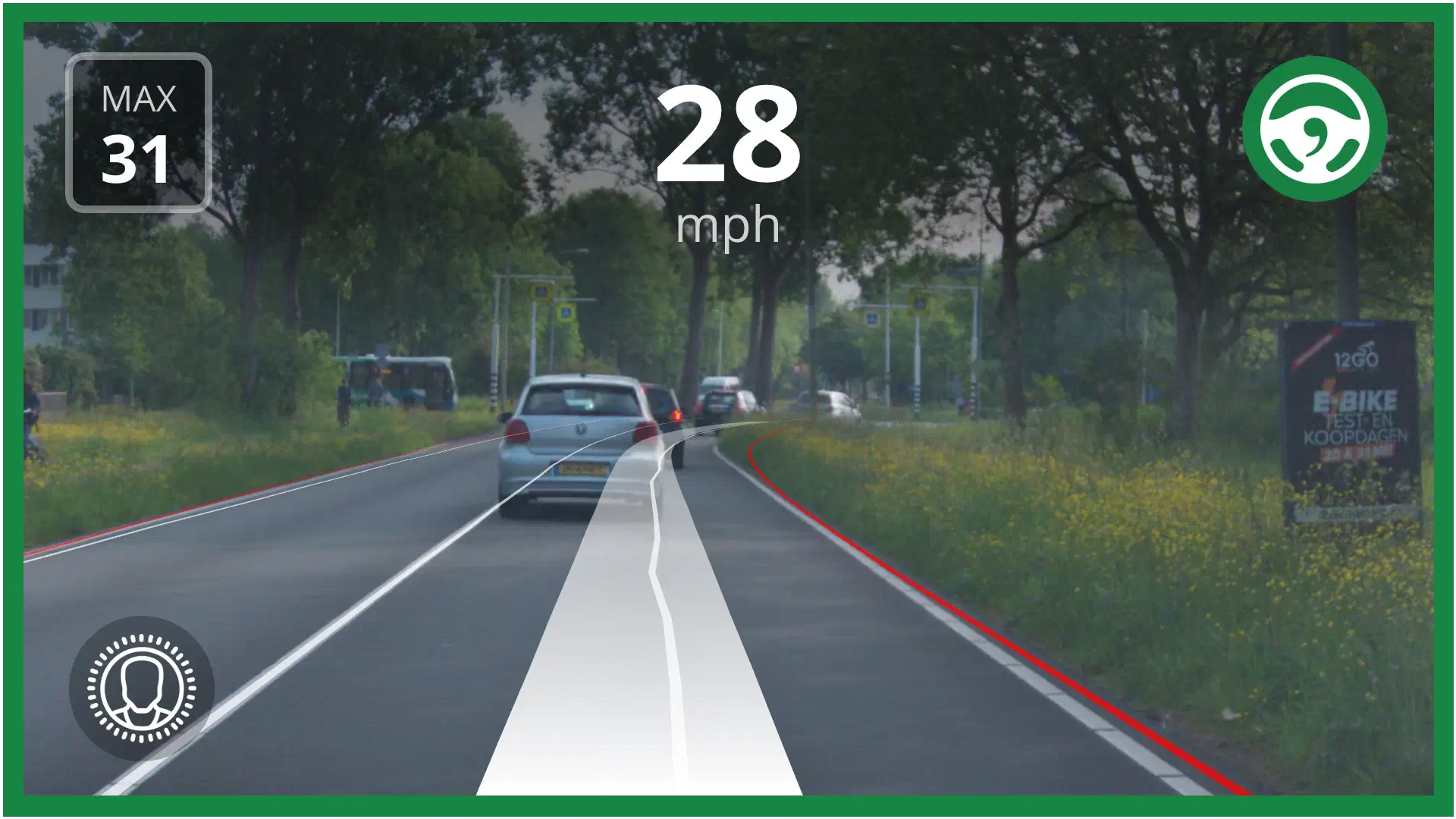
Comma then offers open source ‘Openpilot’ software for the particular make and model of the car, allowing the system to effectively take over the controls.
What started as a device that could only work with a handful of vehicles from Acura and Honda has grown into a community that has coded software for more than 350 models.
According to the company, more than 30,000 drivers are using Openpilot, with more than 402 million miles (650 million km) driven.
The NHTSA says that one incident saw a vehicle reportedly using comma.ai products strike a first responder’s vehicle, with the resulting crash killing three.
“The investigation will obtain data to verify system status for each incident and evaluate system performance and safeguards that are intended to ensure safe operation of vehicles equipped with comma devices,” the Office of Defects Investigation says.
Analysis: An over-reliance on autonomy
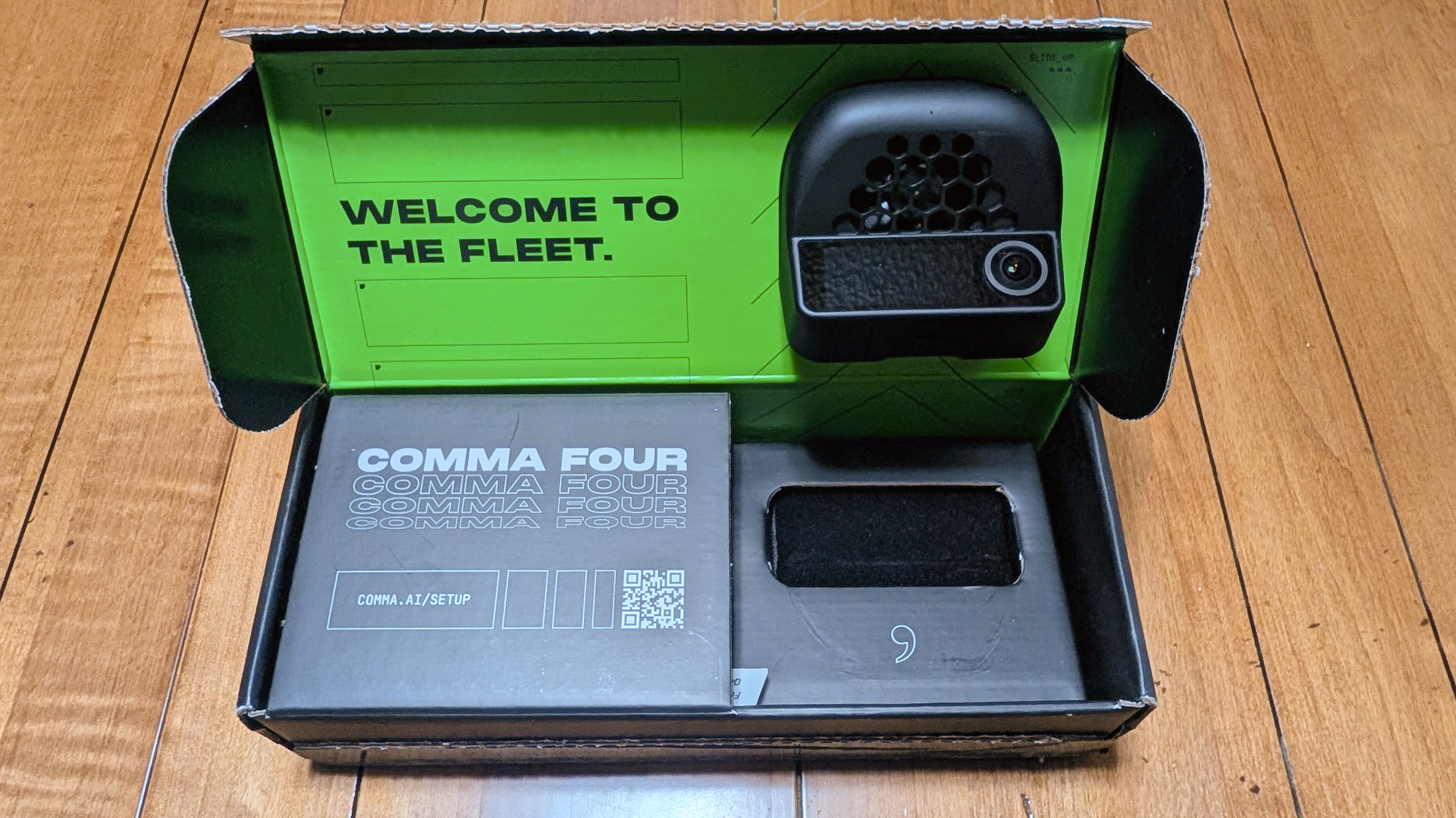
When reviewing Comma’s self-driving device earlier this year, our writer was convinced that the $1,000 device (around £750 / AU$1,430) was well worth the initial outlay, especially considering Ford was charging $500 per year (about £380 / AU$710) for its BlueCruise intelligent cruise control software at the time.
That said, our reporter felt “very uneasy” about “random people on the internet” writing software that could control his car and that the operating system needed some adjustment to keep his Ford F-150 Lightning from “ping-ponging” from one side of a lane to another.
However, the overarching over-reliance on autonomous driving functionality is a worrying trend, particularly in the US, where a number of high profile crashes have involved systems like Tesla’s Full Self-Driving and AutoPilot.
In fact, a recent NBC News investigation surfaced a total of 43 social media videos that appeared to show Tesla drivers distracted and even asleep at the wheel while Full Self-Driving was reportedly activated.
Some industry groups believe that companies like Tesla have long over-hyped the capabilities of their self-driving technologies, lulling the general public into a false sense of security and causing them to believe autonomous functionality is a replacement for a human driver.
Comma’s homepage makes no clear mention anywhere that the driver must remain in control, instead advertising its device as delivering “hands-free driving for the car you already have”.
To me, this sort of device feels exceptionally dangerous, as it not only hands over programming control to a community of non-sanctioned amateurs, it also promotes drivers engaging in side tasks and not concentrating on the road ahead.
Until fully licensed SAE Level 4 and 5 vehicles arrive, where vehicles are capable of all driving duties and us humans are effectively just “operators”, we need to remain in control, otherwise this worrying trend of drivers abusing driver-assistance tech will only continue to grow.

Leon has been navigating a world where automotive and tech collide for almost 20 years, reporting on everything from in-car entertainment to robotised manufacturing plants. Currently, EVs are the focus of his attentions, but give it a few years and it will be electric vertical take-off and landing craft. Outside of work hours, he can be found tinkering with distinctly analogue motorcycles, because electric motors are no replacement for an old Honda inline four.