- BAN says 87% of data center hardware isn't actually accounted for in most figures
- Each 1GW of capacity equals 70,000 tonnes of hardware
- AI hardware needs more frequent replacing
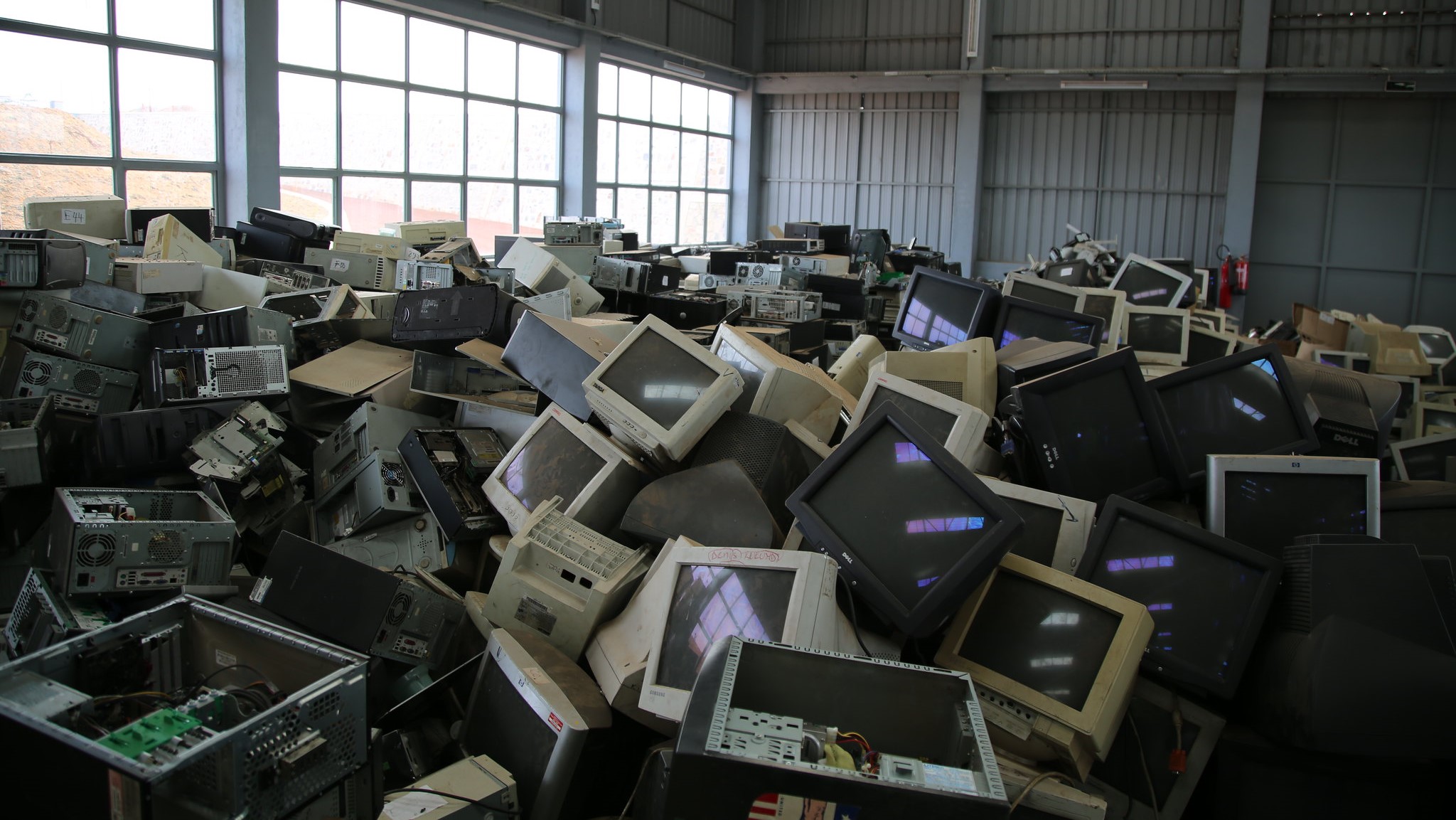
A new Basel Action Network (BAN) report has claimed the ongoing AI boom could create a new stream of e-waste, with retired equipment from AI alone likely contributing 395-617 million tonnes between 2025 and 2050.
To put that into context, BAN says that waste would fill 15-23 million 40ft shipping containers, which, placed end-to-end, would be enough to circle the earth six times over.
Ultimately, Moore's Law is to blame because developers are no longer able to achieve such great improvements in performance year-over-year, so they're having to introduce whole new types of technology.
AI will likely lead to massive amounts of e-waste
For example, AI companies are now having to deploy huge numbers of specialized AI accelerators alongside GPUs, cooling equipment, networking and more.
BAN also highlights that global data center Capex is expected to hit $7 trillion between 2025 and 2030, with $4.3 trillion of this attributed to electronic hardware.
The paper goes on to criticize earlier estimates for only including servers and accelerators, which it says is only around 13% of the picture. The other 87%, which spans networking, power distribution, storage/backup, and cooling, is largely unaccounted for.
And with each additional 1GW of data center capacity estimated to need around 70,000 tonnes of electronics, and 100GW of additional capacity anticipated globally by the end of this decade, the true scale starts to become clearer.
There's also refresh cycles, because BAN predicts that AI accelerators, servers and racks are replaced every 2.5 years, versus the usual five to seven years of a general-purpose server.
To minimise some of the impacts, BAN first suggests designing AI data center equipment to last longer in the first place. Recycling and second use is also a big topic, but the report doesn't go into whether AI-specific hardware can then go on to be used in lesser functionalities, such as being shoehorned into regular server facilities.

With several years’ experience freelancing in tech and automotive circles, Craig’s specific interests lie in technology that is designed to better our lives, including AI and ML, productivity aids, and smart fitness. He is also passionate about cars and the decarbonisation of personal transportation. As an avid bargain-hunter, you can be sure that any deal Craig finds is top value!