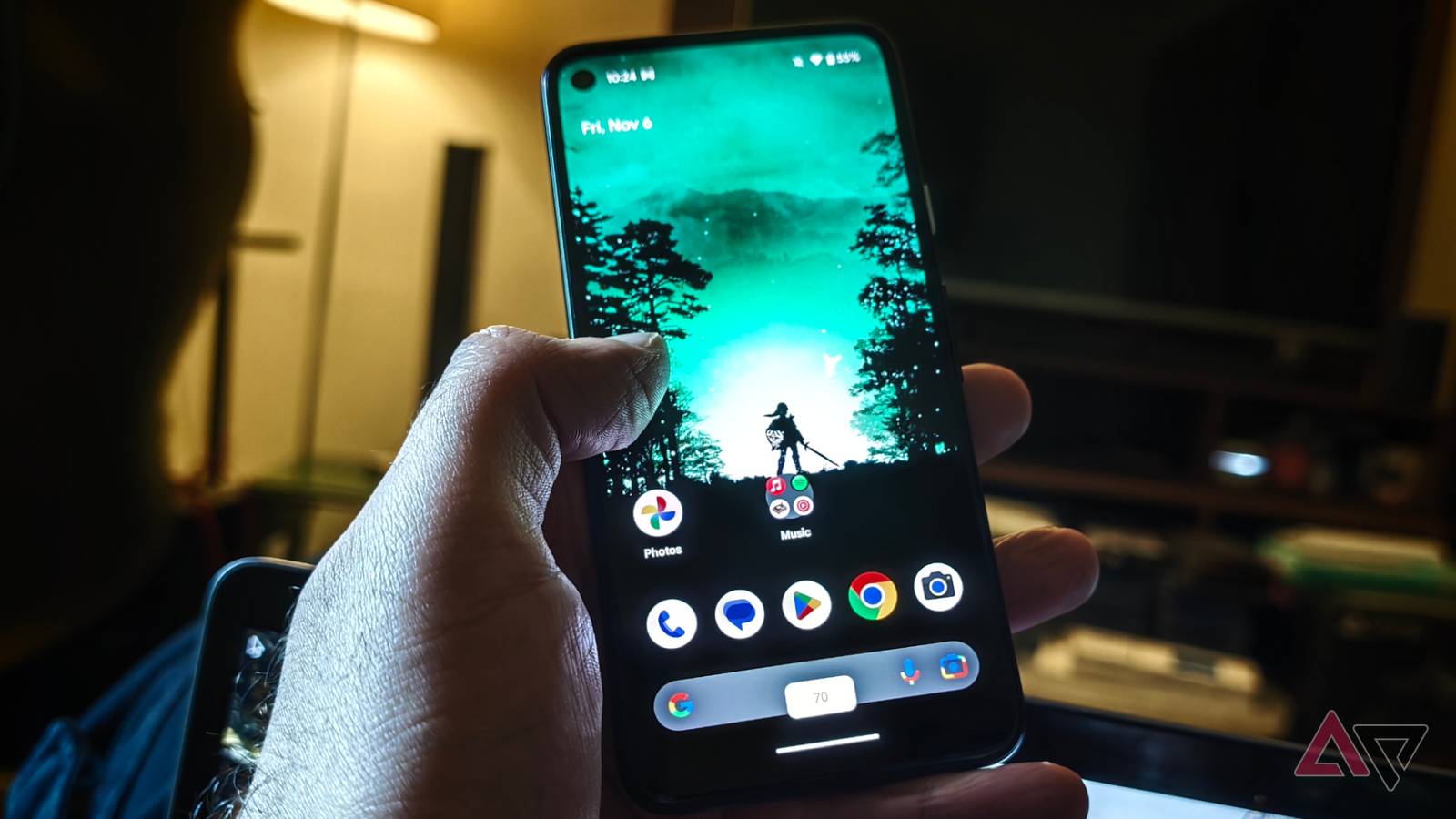
On phones like the or other OEMs, gesture controls and basic settings usually stay very simple.
On a busy day, these adjustments can get cumbersome, especially when I'm using the phone one-handed.
But what if I told you there's an app that adds gesture controls so that you can adjust these settings on the fly, one-handed?
Edge Seek adds intuitive gesture controls for better than stock Android
Taking gesture controls a step further
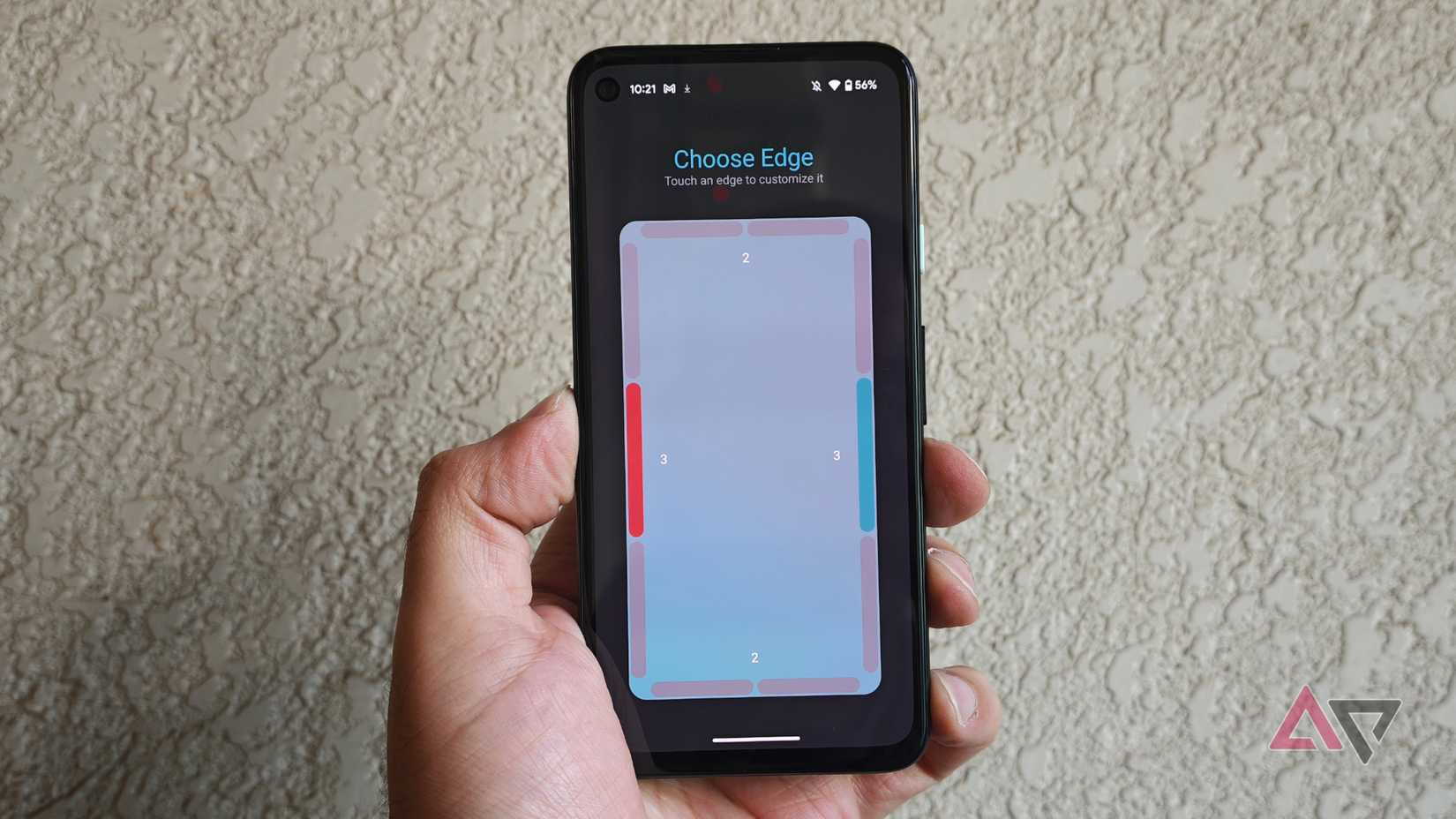
Volume and brightness controls in stock Android and other skins still feel clunky. In some cases, it forces you to use both hands and usually breaks the flow during an important task.
At one point, I got sick of swiping down for the notification shade to adjust brightness, or using a button to adjust volume, when I knew it could be simpler.
That's when I started digging for gesture controls I could install easily on my phone, and that would let me control these two basic settings one-handed.
It might seem unnecessary at first, but after I installed Edge Seek from GitHub, an that turns the edges of my screen into sliders, there was a night-and-day difference.
I got an immediate payoff: I stopped swiping down for the notification shade or quick settings as soon as I started using Edge Seek.
I experienced less friction because app notifications no longer distracted me in the shade. Many times, I would swipe down the notification shade to adjust the brightness but forget to, because I would instead open an email or a chat notification.
But with Edge Seek installed, I could change the volume or brightness on the fly. This also improved my battery life because I dimmed the screen more often and, in turn, saved battery.
I didn't notice how much percentage or time it added, but I did notice my phone lasted longer than usual. The same goes for volume control, as I could instantly reduce or increase media volume without lifting my other hand.
I noticed one instance where these gesture controls were especially impactful. Earlier, if I were watching a video and unlocked my phone, the video would sometimes resume and blast sound at high volume.
I would then scramble to find the button to reduce the volume, which didn't always work the way I hoped. Again, this may seem like a minor use case, but imagine being in a quiet room with a sleeping infant.
That situation has caused me to wake my infant from his nap, which is never a good position to be in. But with Edge Seek, I reduced the volume in milliseconds and never disturbed my infant while he was sleeping.
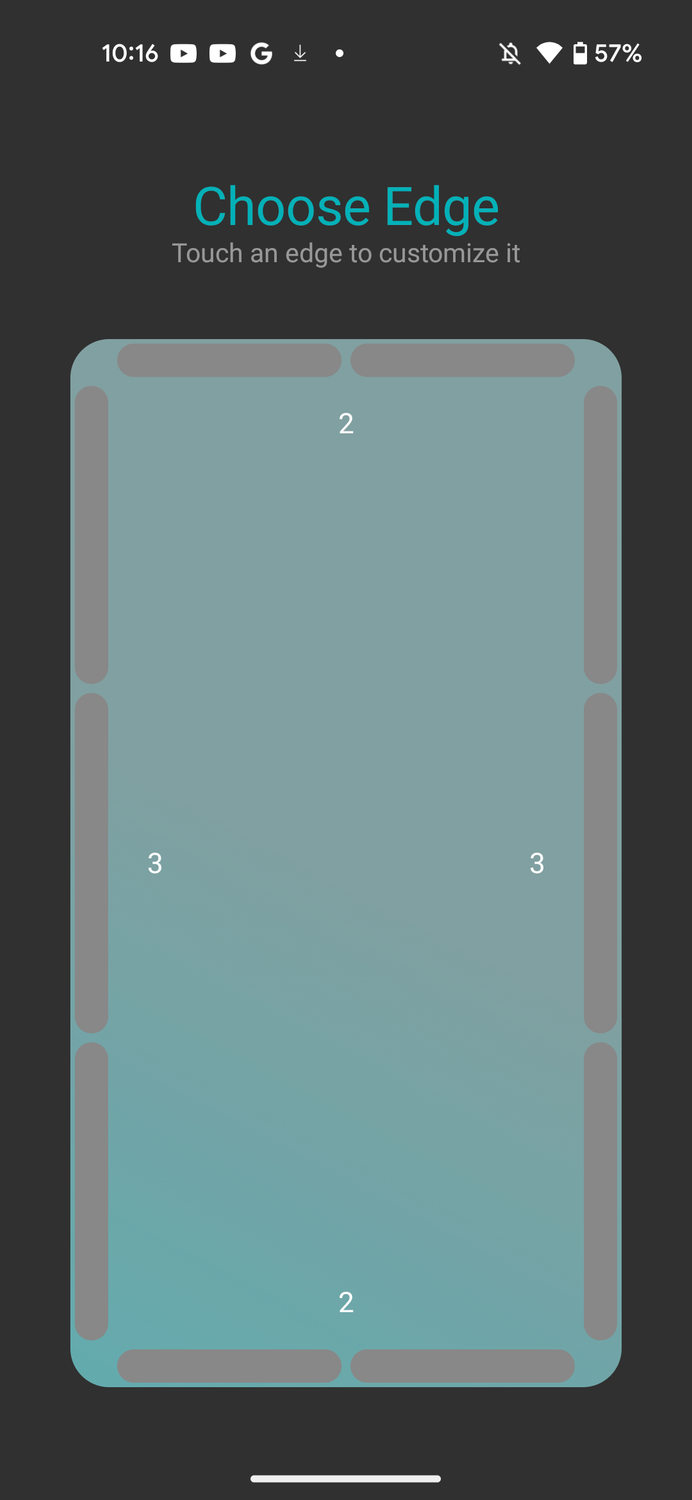
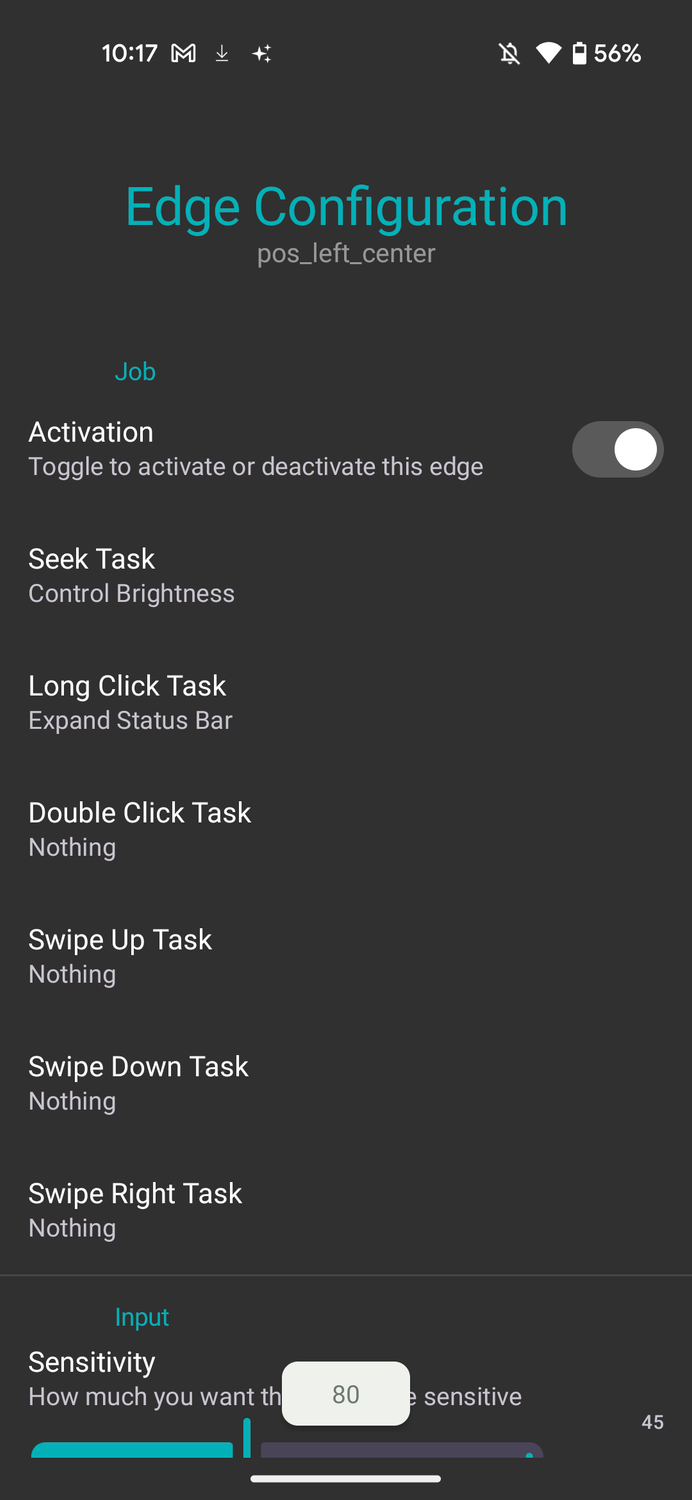
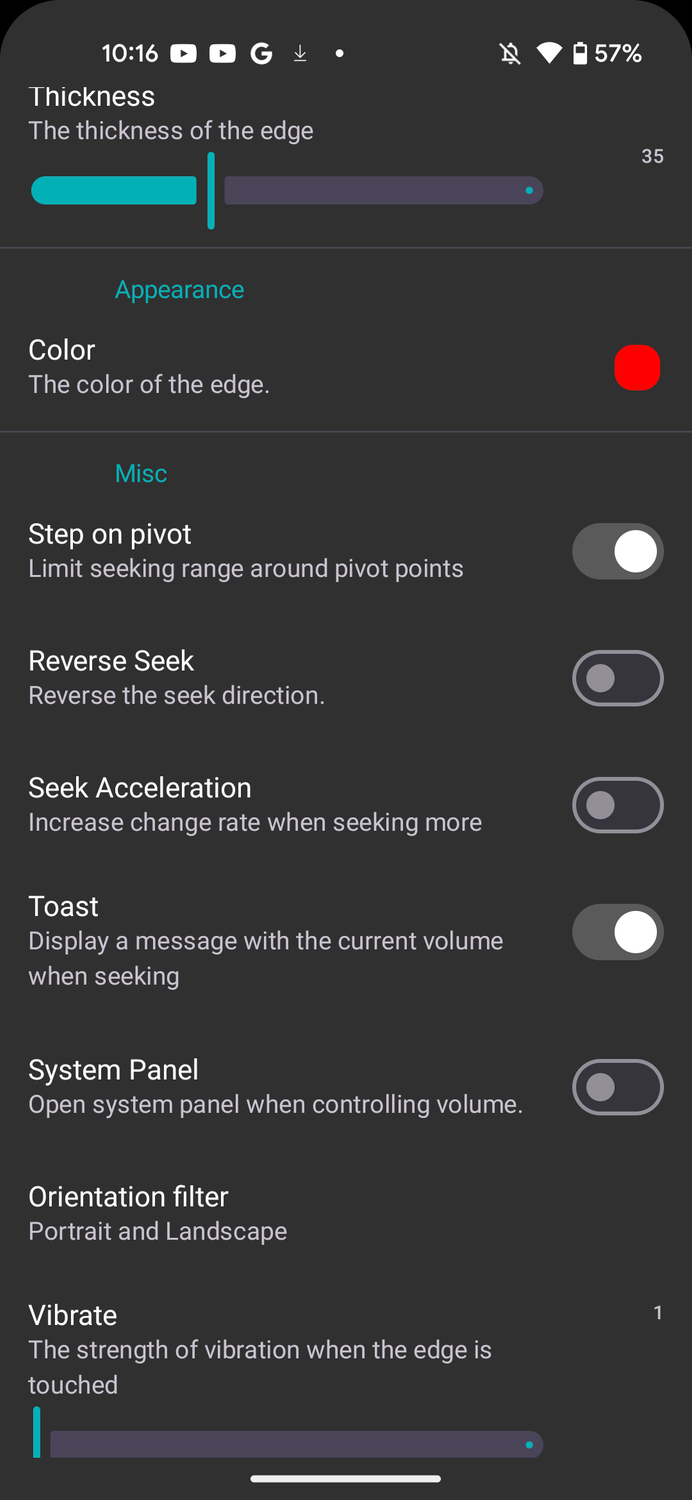
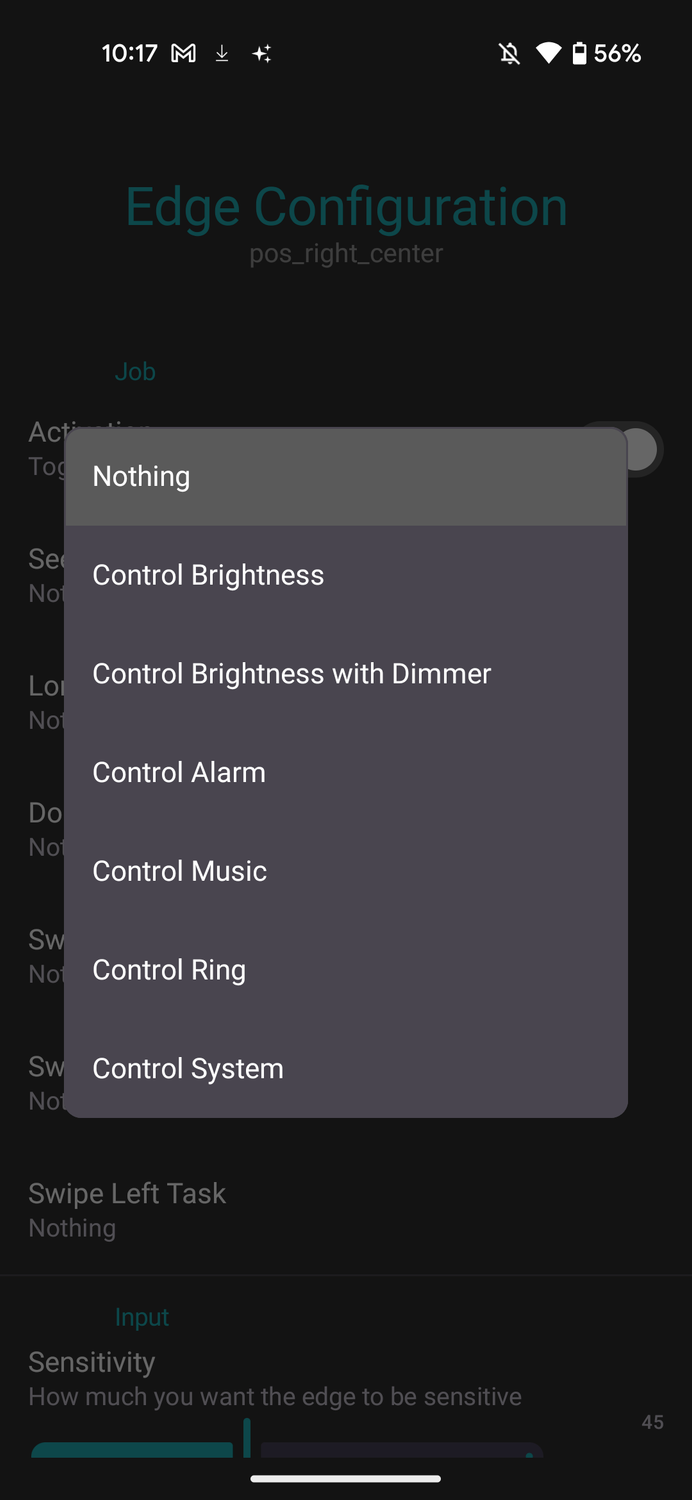
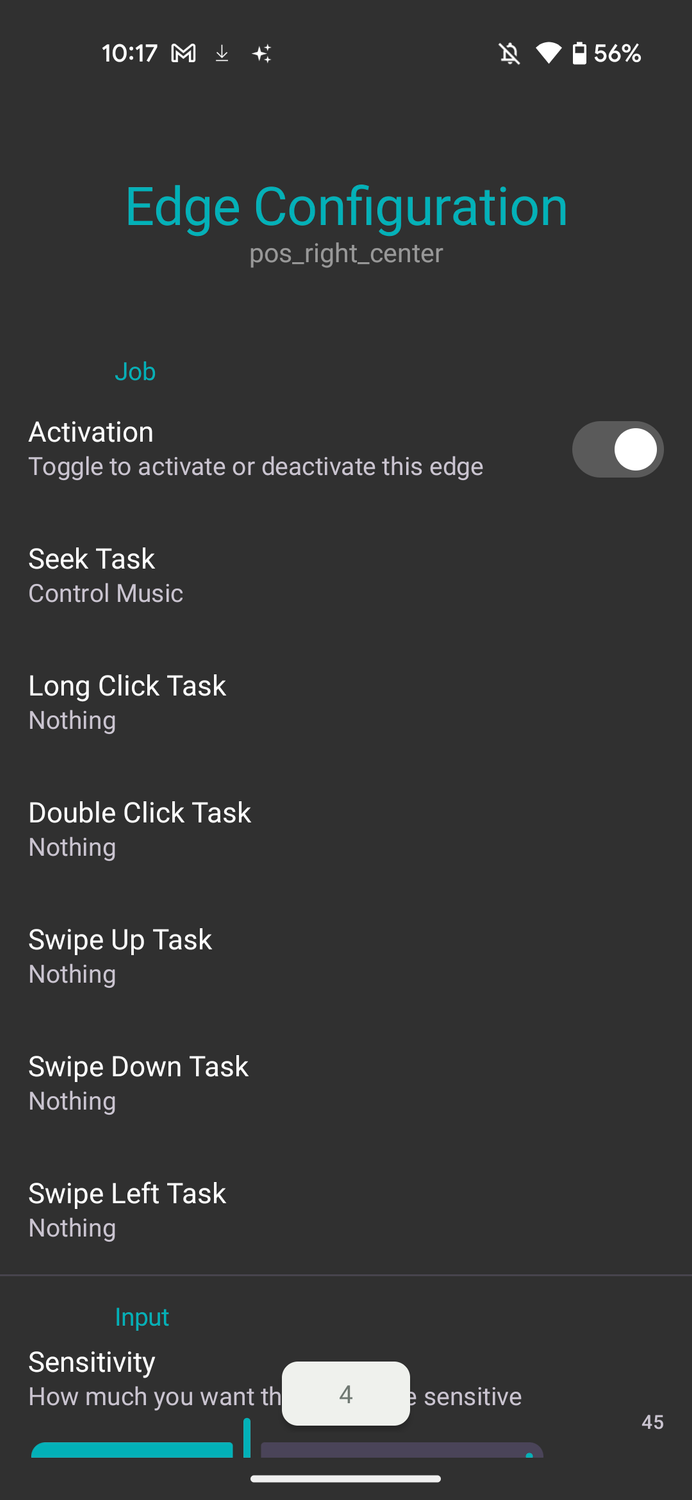
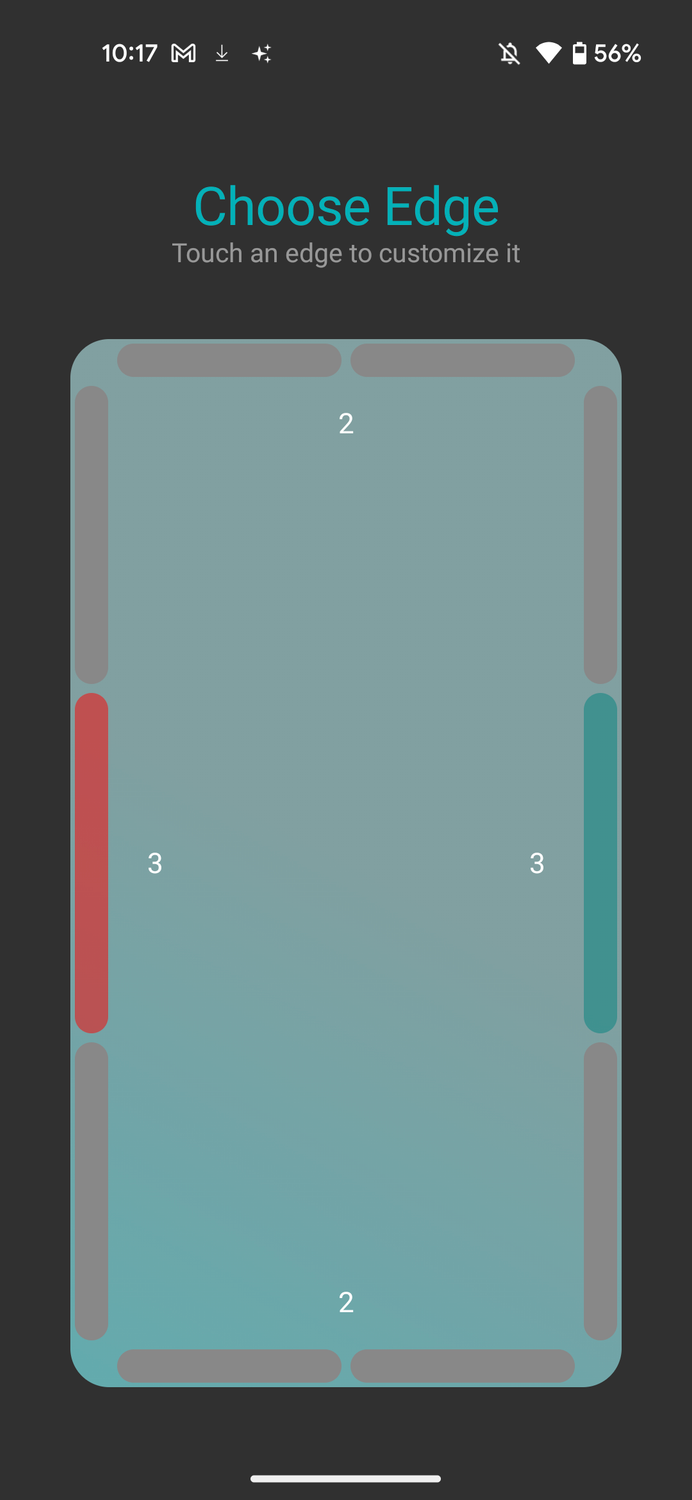
After I downloaded Edge Seek, I could create independent active zones along the edges of my screen.
I can swipe up or down to increase or lower brightness and volume in real time without ever swiping down for the notification shade.
But the gesture goes beyond just controlling the two functions. Its standout feature is , which lets me reduce my screen brightness below the system's minimum setting.
You may have noticed that sometimes even when you've decreased the brightness to the lowest level, it's still bright, especially in a dark room.
But this setting lets me go below that minimum, which comes in handy for night reading before bed.
I can even customize the slider to my liking by splitting these zones into upper, middle, or lower sections of the screen.
I can also adjust the active area width, increase edge-indicator visibility, and reset brightness on the fly.
I started with a thicker zone and clearly visible indicators to build muscle memory. Eventually, I hid and reduced the slider width after I got used to it.
Other added benefits include using long-press, double-tap, and for other actions.
These actions can include expanding the status bar or launching the quick settings panel, all with one hand.
It goes to show that stock Android clearly lacks in the gesture department, and a simple app could transform how I interact with my phone daily.
But I won't deny Edge Seek has some drawbacks. There is a learning curve for zone placement, as it depends on your particular habits and hand.
You may also accidentally trigger sliders early on if you haven't developed muscle memory.
Finally, if you have massive hands as I do, it might not feel intuitive and increases the chance of accidental inputs unless you actively try to master edge gestures.
Stock Android has a lot of catching up to do when it comes to gestures
Edge Seek improved how I interact with my phone. It adds meaningful gestures that let me control basic features with a single hand.
But what's astonishing is that stock Android still hasn't caught up by offering gestures like that as an optional setting.
All it takes is an to add something genuinely useful without reinventing the smartphone.