Reducing glare and allowing modern light technologies will be two goals.
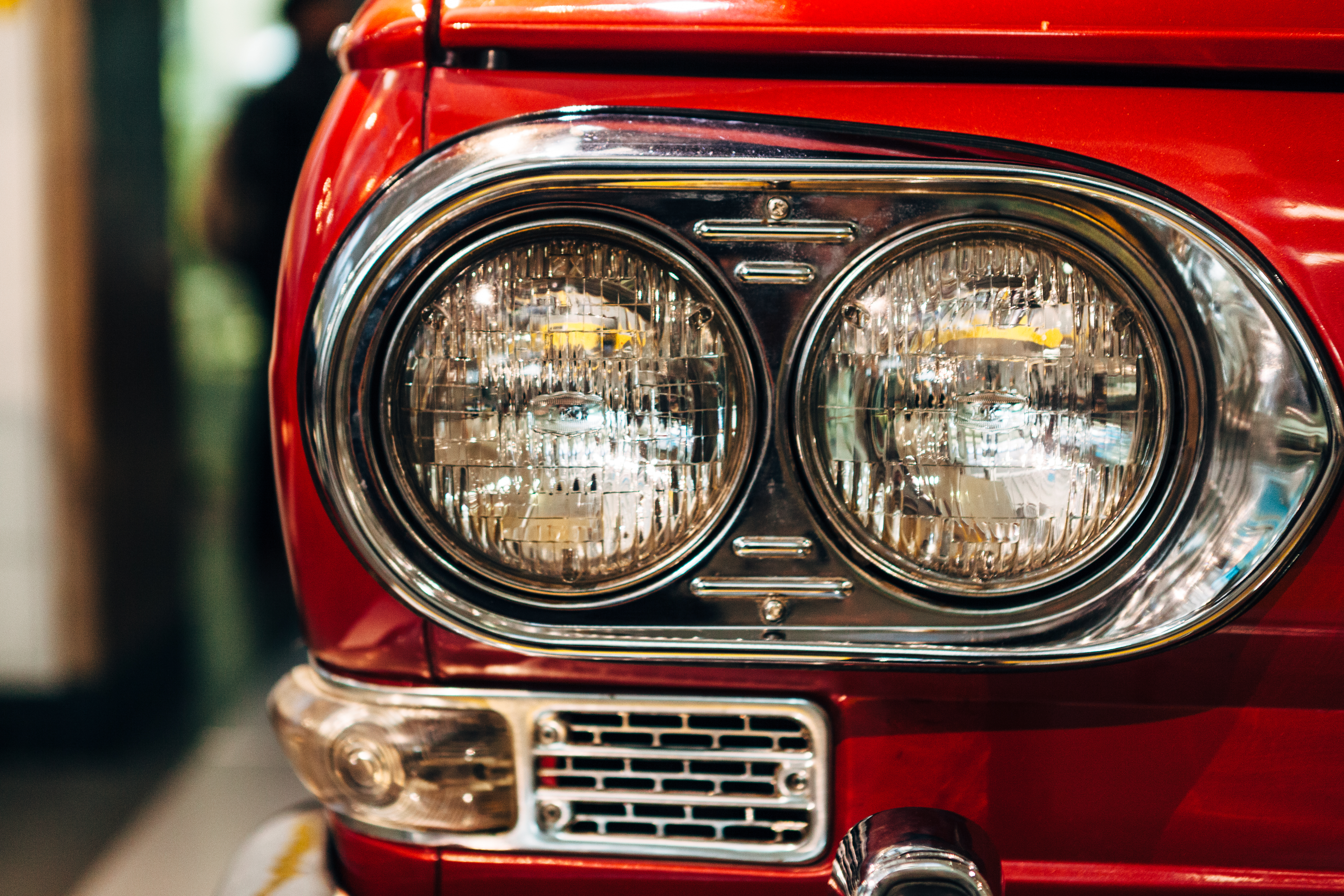
One of the regulations that make vehicles in the US different from those in Europe or Japan is our headlight rules. They’re laid out in the Federal Motor Vehicle Safety Standards (FMVSS), and changing them is—or used to be—a lengthy, laborious process, which is a major reason automotive lighting technology has lagged in the US. But the current administration says it’s time for “bolstering driver safety, slashing red tape, and embracing new technologies,” so it’s going to start a negotiated rulemaking process to rewrite the regulations to suit 2026.
“Today’s standards do not allow automakers to deploy the latest safety-improving lighting technologies, so we are bringing key experts and stakeholders together to modernize our standards and address potential causes of glare,” the National Highway Traffic Safety Administration’s Jonathan Morrison said. “This collaborative approach will allow us to update outdated regulations, foster innovation, and keep everyone on our roads safer.”
While it is fair to be skeptical of the government’s efforts to streamline bureaucracy, it is also fair to say US headlight regulations really could use an update.
When Ars started covering cars, automakers like Audi, BMW, Mercedes, Toyota, and Volvo were trying to import adaptive headlight technology. At the time, the FMVSS only allowed for “dumb” high- and low-beams, nothing else. Meanwhile, lighting technology evolved, adopting first lasers and then LEDs with addressable pixels that can block out those that would otherwise illuminate oncoming cars.
In 2013, in response to Toyota’s petition, NHTSA said it would start the rulemaking process. It took another five years before a rule was published for consideration; in the interim, the NHTSA was considering adopting Europe’s rules before deciding that if a car with adaptive beam lights “does not have a long preview of another vehicle, such as in an intersection scenario or when two vehicles are oncoming on a curved road, ADB does not have enough time to react to adapt its beam pattern.”
One key difference is how vehicles are regulated. In Europe, cars are homologated for type approval; manufacturers submit examples to authorities for testing to ensure they conform to the rules, and then the authorities approve the car for sale. In the US, OEMs tell NHTSA their cars comply with the FMVSS, or face sanctions if that turns out to be false later. At the time, NHTSA felt that Europe’s glare tests were too subjective for a self-certification regime and decided instead to write its own.
In 2022, that final rule was ready. Since then, cars with active beam matrix LED headlights have gone on sale in the US; Audi’s big new SUVs are a good example, although they are limited in functionality compared with the same technology fitted to European-spec cars.
Among NHTSA’s goals for an updated FMVSS 108 are harmonizing US standards with their global counterparts, updating the rules for technologies like LEDs, ambient light sensors, automatic high beams, and replaceable light sources, improving test procedures for lenses and optics, understanding how to better aim headlights, and making sure that none of this blinds anyone else on the road with glare.