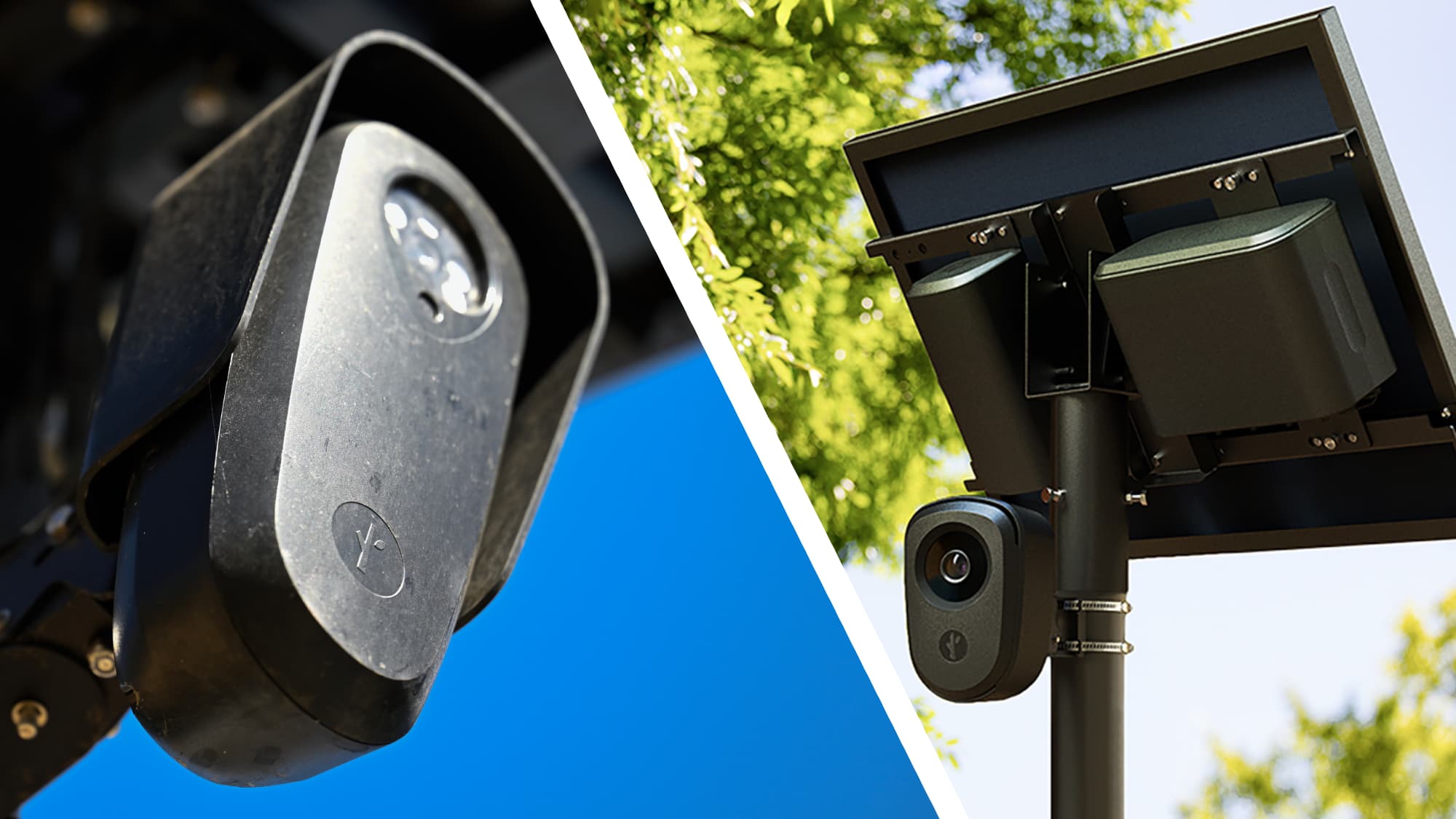
- Henrico County in Virginia was forced to remove Flock cameras by hand
- Officials say the company is failing to fulfil its “contractual obligation”
- A growing number of police forces are cancelling contracts with Flock
Work crews in a Virginia county have removed more than 120 Flock cameras after officials said the surveillance tech company had failed to fulfil its “contractual obligation” to remove them.
An image obtained by news outlet 12 On Your Side shows a pile of cameras and solar panels that were collected after Henrico County ended its contract with Flock in early October over privacy concerns.
Reportedly, the poles upon which the cameras were mounted still remain, as crews claimed Flock has to remove these itself.
The removal of the automatic license plate reading technology comes as public trust wanes, and concerns over privacy continue to grow.
The car belonged to Jaguar Land Rover's media fleet. According to Feder, the police had used Flock’s camera system to track the journalist down over a number of days.
A very similar license plate on another Jaguar Land Rover media vehicle was also falsely flagged by the Flock system in Nebraska a few days later, leading to another journalist facing lengthy questioning over the vehicle.
Plymouth Police Chief Eric Fadden told The Drive that the City Council voted to discontinue using the Flock system in September of this year.
Fadden stated that the police force “did not hear any reply from Flock Safety Corporate or Legal, other than some communication with our local representative.”
As a result of the lack of communication, he subsequently directed staff to “disconnect the power cords from the cameras,” according to The Drive.
However, the cameras remain the property of Flock, and both Henrico County and Plymouth are still waiting for a response from the company as to when they will be collected.
Analysis: controversy refuses to go away
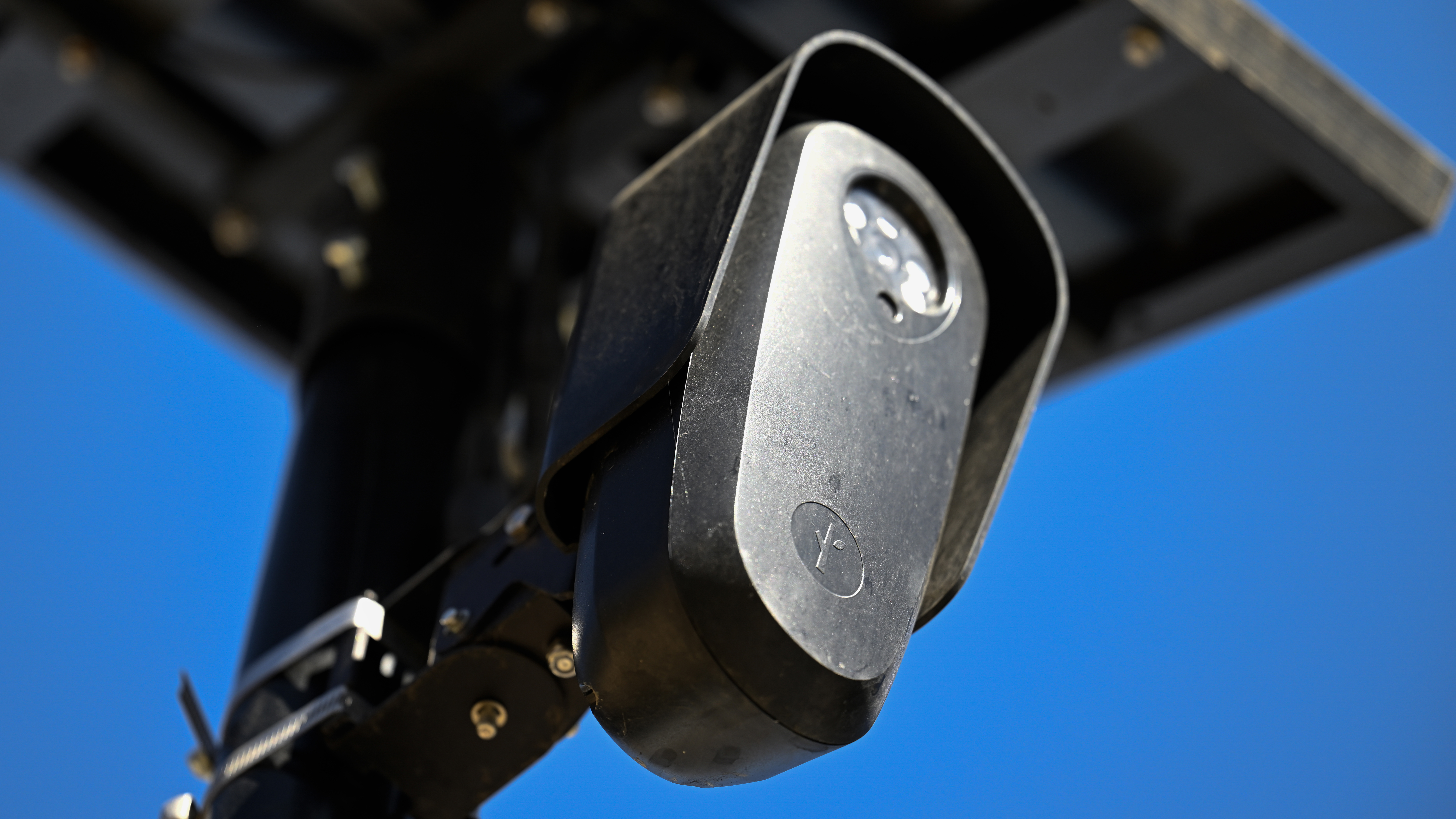
Flock’s automated license plate recognition cameras have caused plenty of controversy in the past few months, with stories surfacing of police department misuse, hackers gaining access to millions of images, and general concern over personal privacy.
Some people have been taking matters into their own hands by disabling cameras, while a number of software companies have been mapping the location of the cameras to help drivers avoid them.
MapQuest enjoyed a resurgence in popularity after it added a new Surveillance Layer to its app, showing the location of cameras from Flock, as well as those from rival companies.
But during the TechCrunch Disrupt 2026 event last month, Flock’s CEO Garrett Langley said we shouldn’t "pause progress” in the face of privacy concerns. “If we want to live in a society where, if you commit a crime, you have a higher probability of being held accountable, we shouldn’t pause progress,” he said.
Many privacy advocate groups have raised concerns over Flock’s technology, including the recent news that it was capable of processing ambient audio in order to determine screams, gunshots and even car crashes before alerting emergency services.
Flock pulled its plans to implement that particular feature, owing to suggestions from consumer rights groups that it could be classed as "mass surveillance", but a huge amount of public mistrust remains.

Leon has been navigating a world where automotive and tech collide for almost 20 years, reporting on everything from in-car entertainment to robotised manufacturing plants. Currently, EVs are the focus of his attentions, but give it a few years and it will be electric vertical take-off and landing craft. Outside of work hours, he can be found tinkering with distinctly analogue motorcycles, because electric motors are no replacement for an old Honda inline four.