The Fathom pickup won’t need a wall-mounted inverter to output 10 kW to your house.
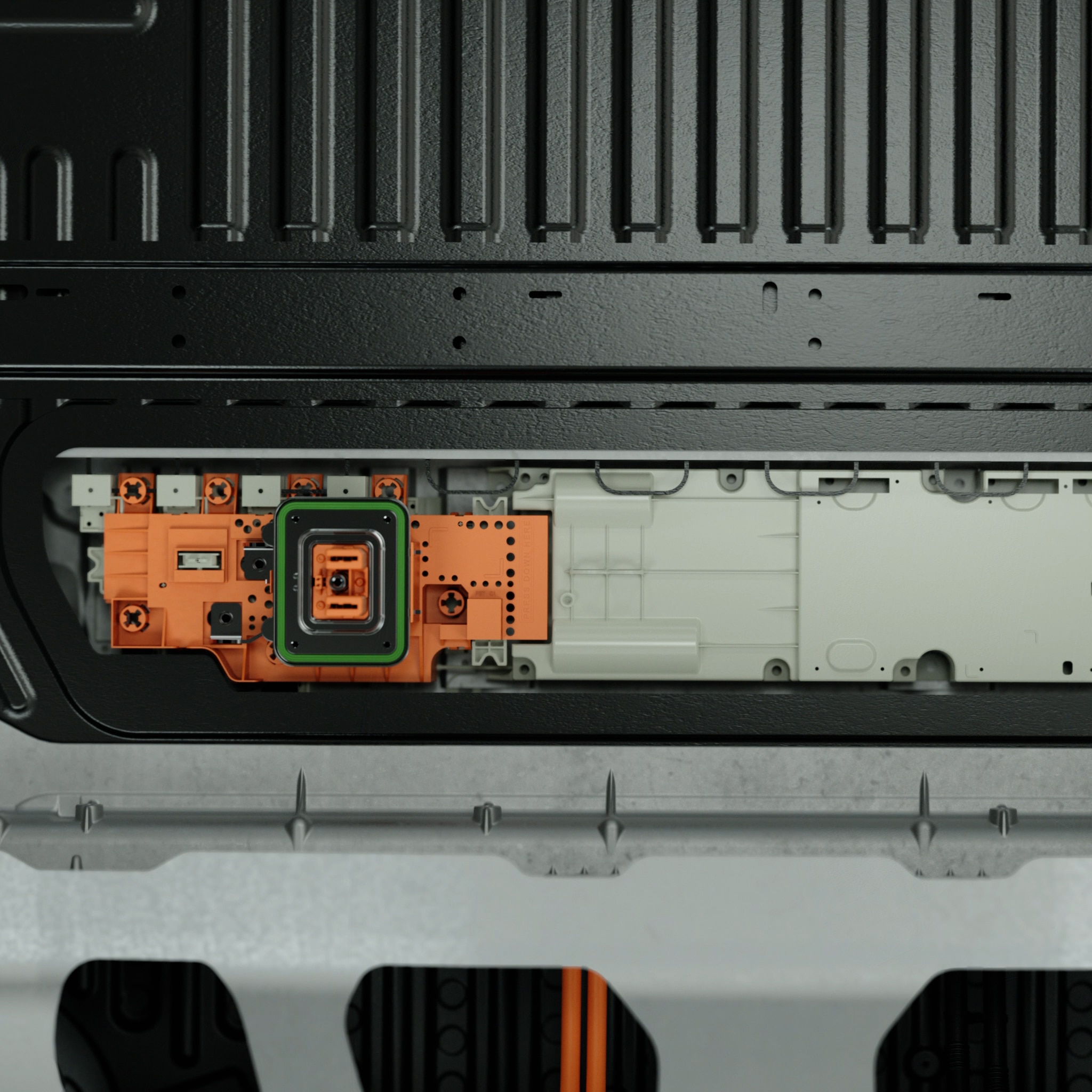
This morning, Ford revealed that buyers of the forthcoming Fathom—the company’s sub-$30,000 electric pickup truck due next year—will get more than just a truck. Until now, vehicle-to-home technology—like the setup Ford developed for the now-discontinued F-150 Lightning—takes DC power from the electric vehicle and runs it through an inverter built into the wallbox to turn it into AC the house can use. But with the Fathom, that inverter is built into the truck from the start. So every Fathom will be able to act as a backup battery for your home.
It’s typical: You wait a decade for a cheap electric truck, and then two come along almost at once. And they’re two radically different products from two radically different automakers that I think will reveal a few preferences from the EV-buying public. One is the Blank Slate, from a brand new startup offering a bare-bones two-door that capitalizes on features the Internet says it wants, like no onboard modem, no touchscreens, and no infotainment system.
The other is the result of one of Detroit’s big three taking a long, hard look at Chinese EVs and asking itself, “How do we make a car that cheap?” Although the Ford Fathom will cost $5,000 more than a Slate, that money does buy an extra pair of doors, modern conveniences like an infotainment system, CarPlay, electric windows, and a vast dealership network to service the car. That may be helpful given how many recalls Ford issues each year.
The new take on bidirectional EV charging came about when Ford acquired Auto Motive Power three years ago. The result is the Fathom’s charging module, one of five powerful computers that each handle a different aspect of the Fathom’s functions. (Known as a software-defined vehicle, this handful of domain controllers replace the dozens and dozens of discrete ECUs you’d find in an older design.)
Now, the Fathom won’t need a wallbox with an in-built inverter, like the 80 A unit needed for the Lightning. But you will still need the Ford Home Power Station, which Ford says should cost about half as much as the $1,310 device needed for the older, bigger truck. The management software knows to charge your car when electricity is cheap and uses it to power the house when rates are expensive.
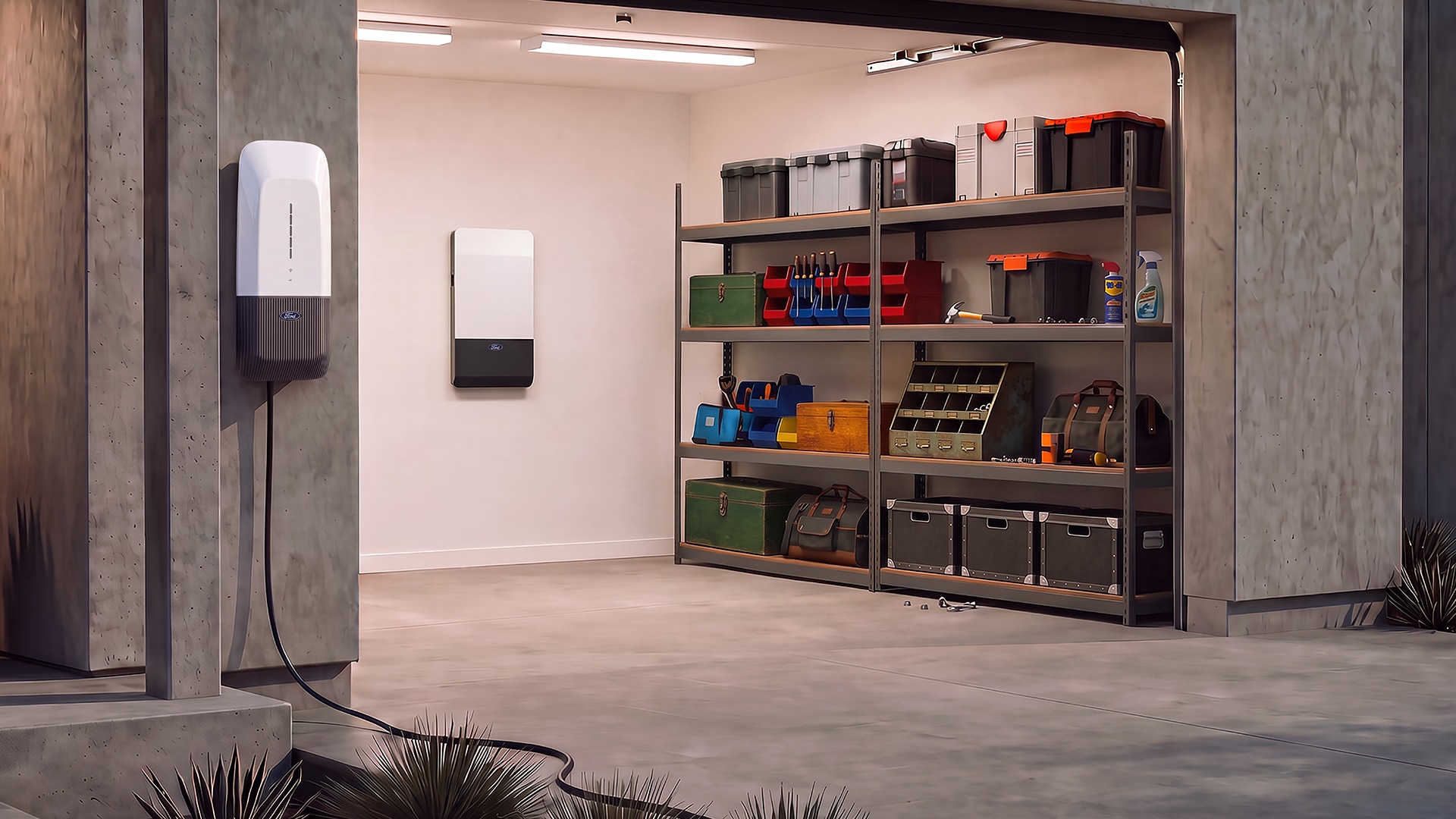
To use the Fathom as an emergency battery during outages, customers will also need Ford’s newer Home Backup Panel. The automaker says this should cost 60 percent less than the first-generation panel, which cost around $5,000. That means adding V2H to your house still isn’t free, but it should be a lot cheaper than before. It’s also the first sub-$30k bidirectional EV with AC power.
Ford is also working with a number of utilities across the US and Canada to hash out the details needed to begin vehicle-to-grid pilot programs with the Fathom. And it has made sure the system meets existing standards, including the UL 1741 standard for chargers, the IEEE 1547 standard for connecting vehicles to the grid, and SAE J3068, a communications standard.