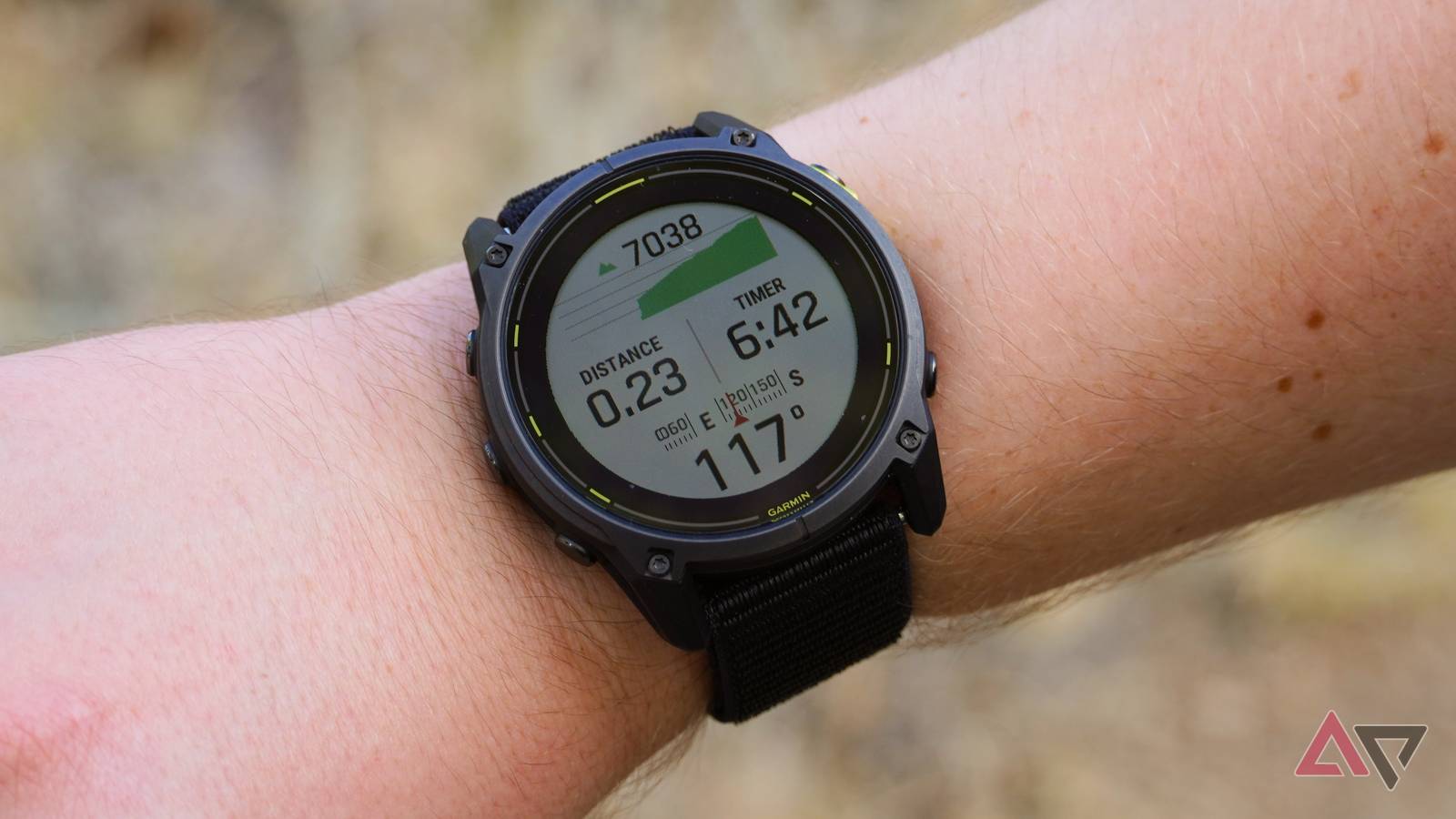
Smartwatches are getting better and better every year. However, we still aren't seeing impressive battery-life gains from brands like Apple, Samsung, and Google. Garmin, however, has really harnessed the power of its components and software, offering different watch variants to serve a wide range of customers.
Garmin's wearables deliver impressive health and fitness tracking, but battery life always manages to make the headlines. Even with its OLED products, it's starting to hit record numbers the competition can't even dream of. But with its Memory-in-Pixel (MIP) display products, paired with solar, that's where things get ridiculous, with some devices reaching up to 90 days of battery life.
MIP will stick around until the gap closes
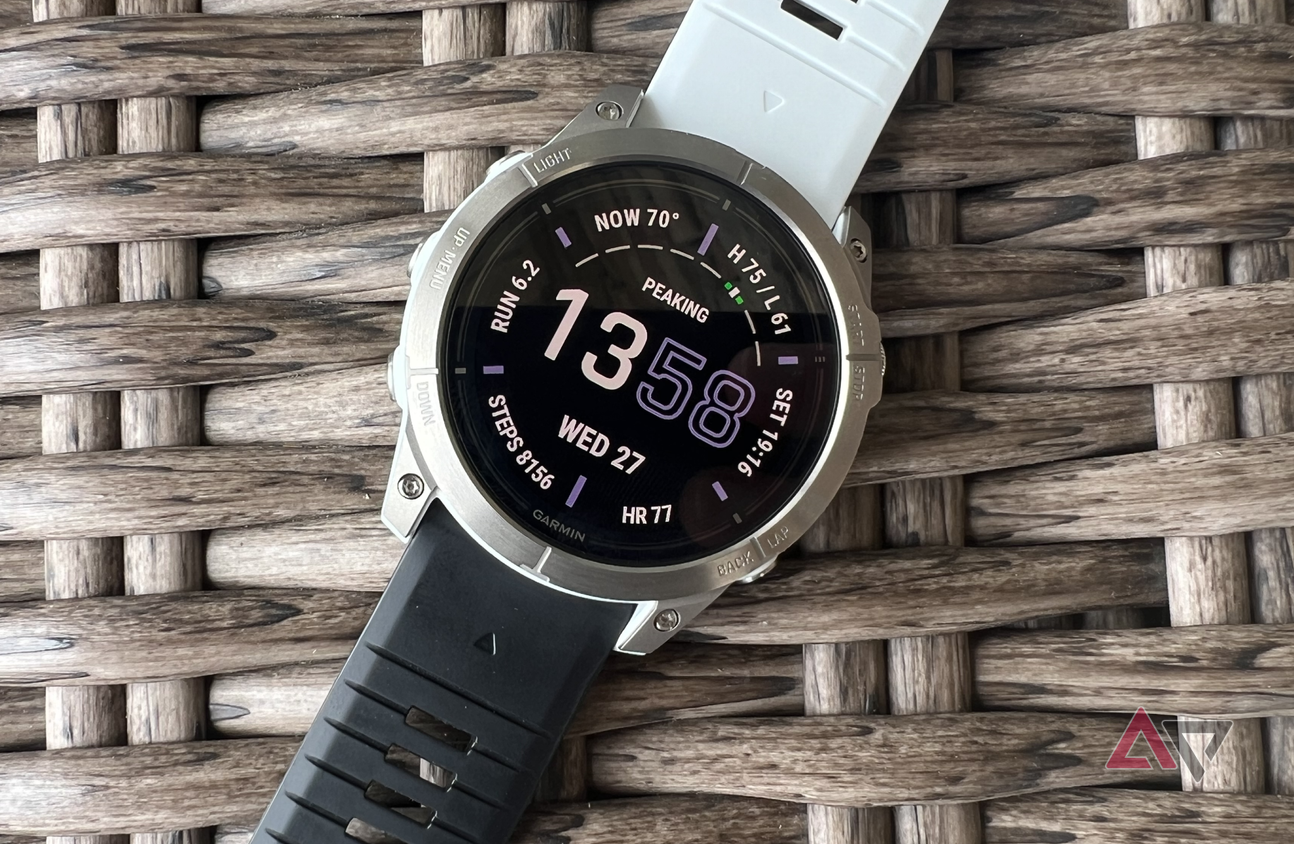
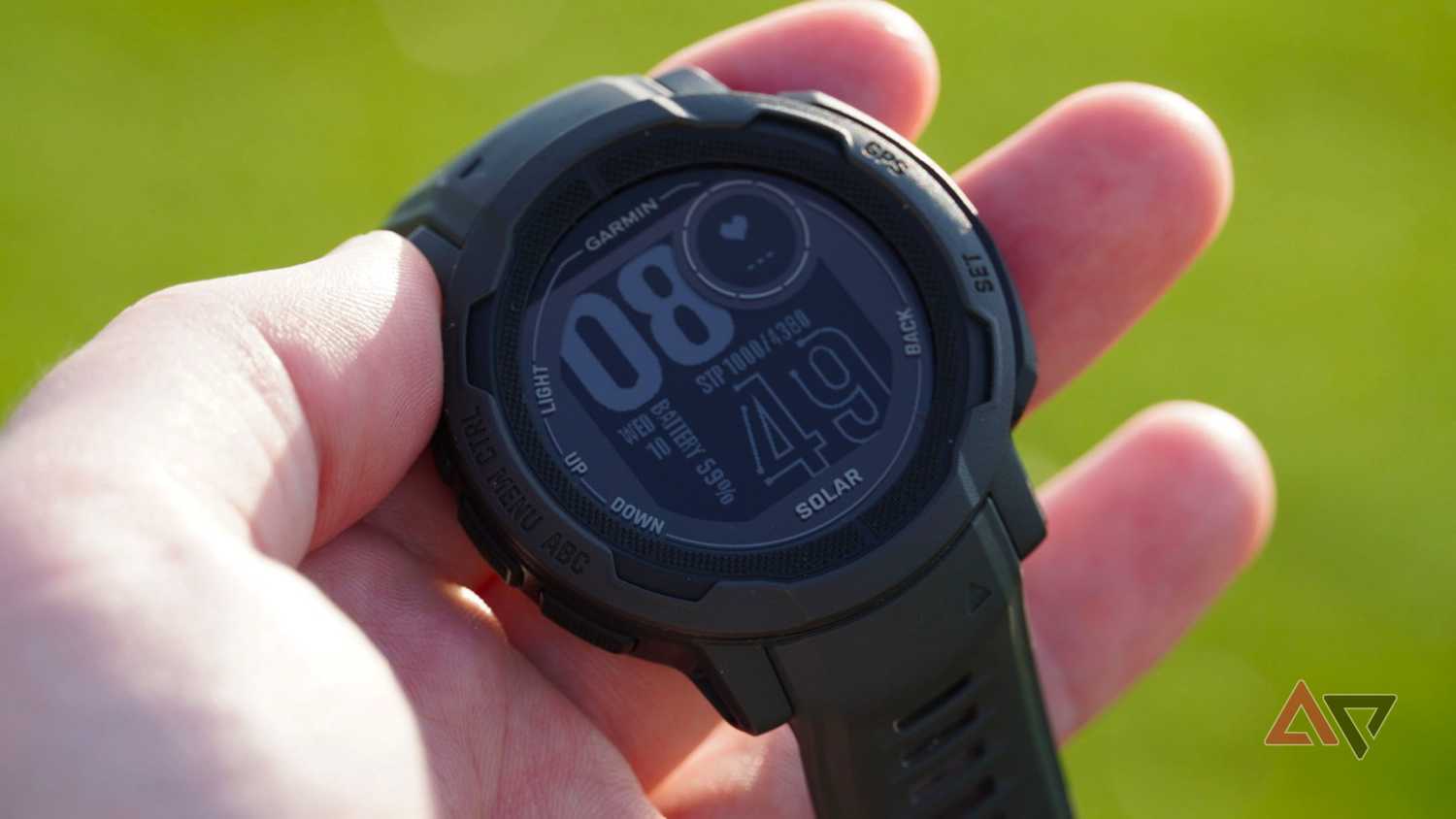
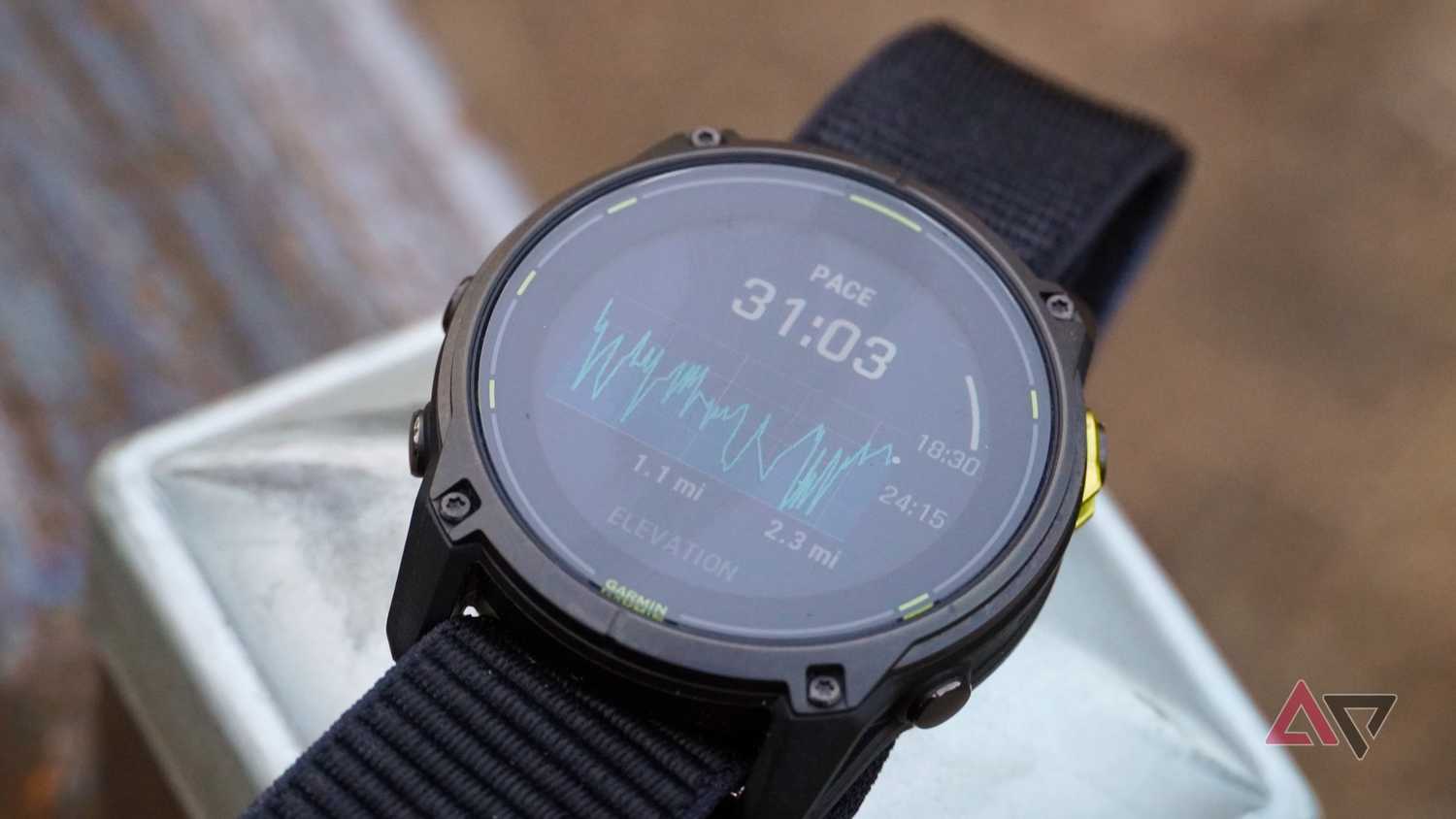
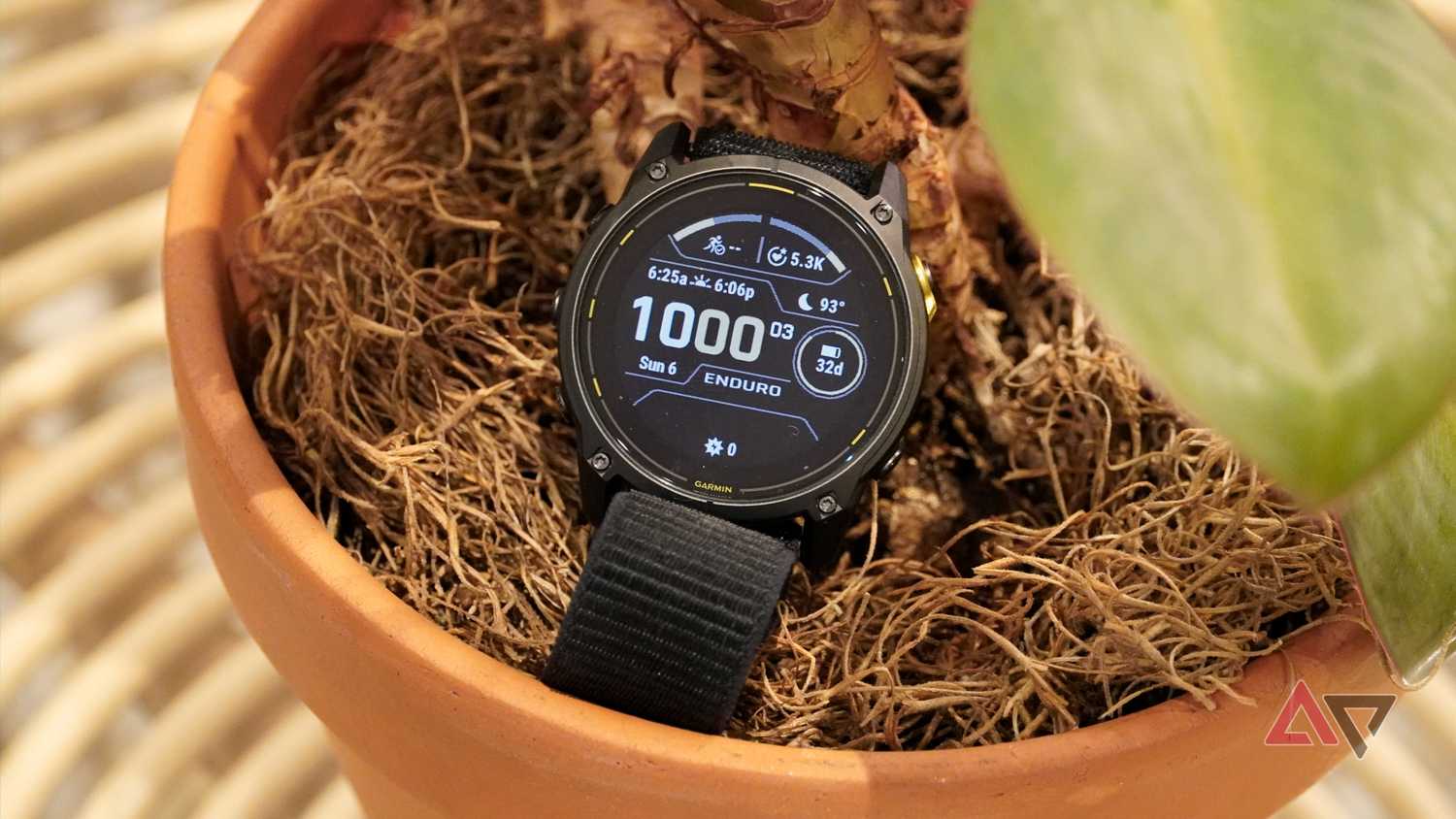
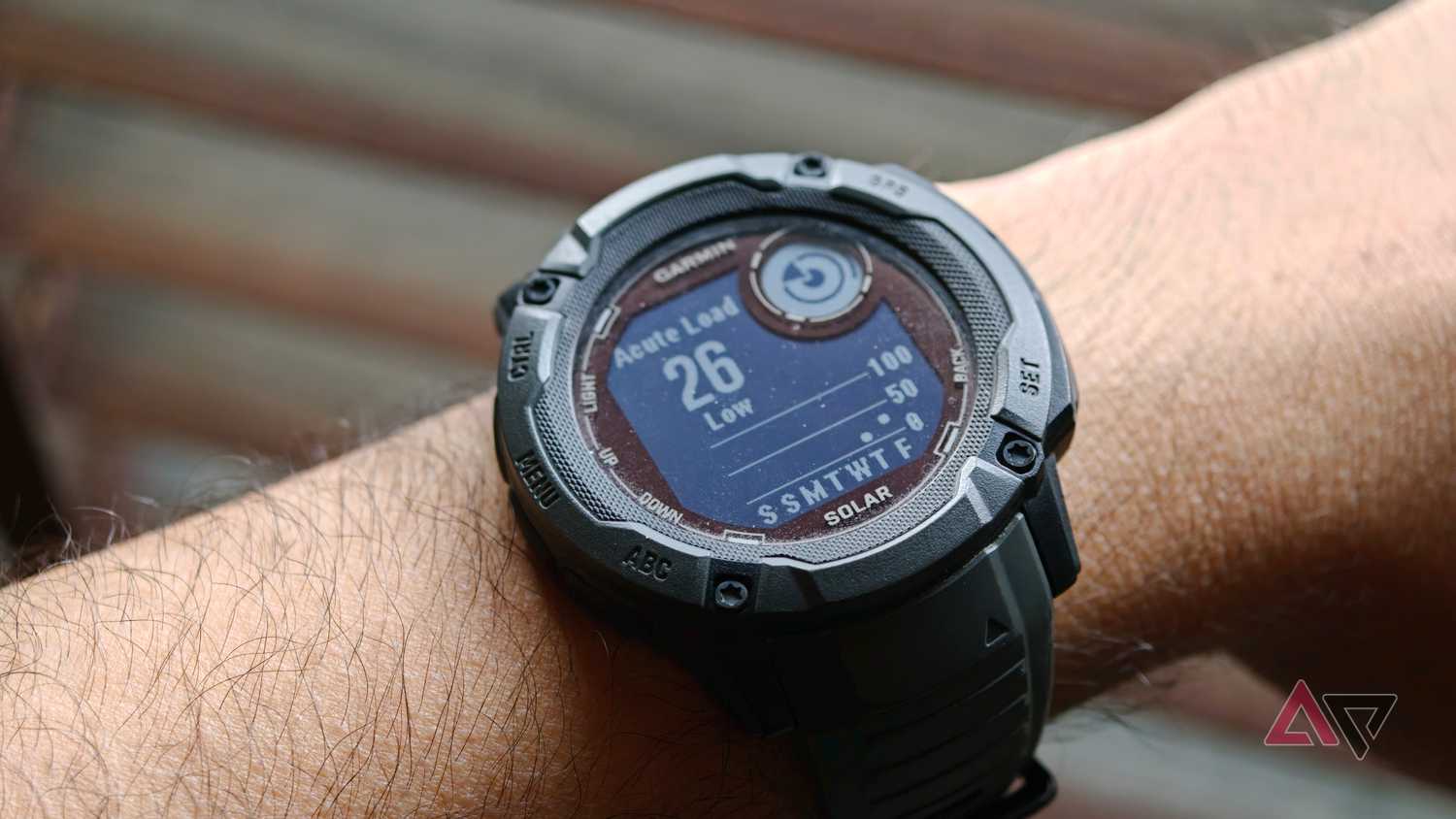
It's easy to see why Garmin still uses the Memory-in-Pixel display in its products. The battery gap, when compared to OLED, is quite extreme, especially when you look at a product like the Garmin Enduro 4, which can last up to 90 days with solar charging.
However, that doesn't mean that its OLED products are falling behind completely, with the Fenix 9 lasting up to 31 days. Each generation just gets better and better. But the gap is quite extreme right now. And it's why MIP displays will still be around for a while.
TechRadar sat down with Garmin COO Brad Trenkle to talk about its MIP display and what he thinks about its future. Naturally, the conversation turned to battery life on Garmin products and how MIP displays currently affect them in their current form, along with how those products sit alongside OLED devices.
Trenkle shared that “It's closed a lot, which is why you've seen battery life on our OLED products continue to increase generation over generation. But that gap has not completely converged, and I think until it does, we definitely don't think that MIP will completely go away.” Looking ahead, Garmin will need to find a way to let its OLED products access solar charging as well.
TechRadar also asked about this, suggesting that maybe crystalline silicon technology could be a way to merge OLED and solar charging. Trenkle shared that “It's always finding the right technology to apply in the circumstance that we want, but in that case, you don't get any degradation or loss, whether it's reflectivity or [image quality]. Yes, it would be a way to counter that.”
So, for now, the future surrounding this will be less clear. We know OLED displays look better, but MIP screens have far better battery life. Unless Garmin can find a way to make this work, it won't let go of MIP technology anytime soon.
The interesting part of all of this is that if Garmin can crack the OLED solar charging code, other brands might introduce it into their products. We'd get Google Pixel and Samsung Galaxy Watches with potentially weeks of battery life. That could make Wear OS user very happy.