
While other industries such as banking have undergone a major technological revolution in the last few years, insurance has remained pretty much the same for centuries — at least as far as the consumer is concerned.
Sure, the way in which insurance operations have been transformed by AI may be profound. But when it comes to the end-user, most of us still buy our annual premium and cross our fingers that nothing goes wrong. Then if disaster does strike, we file a claim and hope to get a pay-out — eventually.
Now, though, this centuries-old business model is finally undergoing a shake-up. Driven by the rapid rise of AI, the Internet of Things (IoT) and smart devices such as water leak detectors and surge protectors, ‘InsurTech’ is transforming the insurance sector from one previously based around retroactive reimbursement to one that’s more centred around proactive prevention.
While still only a small fraction of the overall insurance market (currently valued at €6.9 trillion or around £5.9 trillion according to the recent Allianz Global Insurance Report), Mordor Intelligence claims the InsurTech market is currently worth around $1.34 trillion (£1.01 trillion) and is set to increase to $2.44 trillion (£1.85 trillion) by 2031.
And with an overall industry size of $53.53 billion (£40.48 billion) according to Mordor Intelligence’s United Kingdom Insurtech — Market Share Analysis, Industry Trends & Statistics, Growth Forecasts (2026–2031), the UK is one of the largest as well as one of the most rapidly expanding markets with a particular focus on ‘AI-driven claims automation, IoT telemetry and digital underwriting tools.’
Taking a more proactive approach
To understand where smart home insurance is heading, you only have to look at the motor insurance sector. Here, drivers — especially young drivers — have small telematics devices (most commonly called ‘black boxes’) fitted in their car that can monitor speed, braking sharpness and cornering habits. By feeding real-time driving data back to insurers, motorists are rewarded with more dynamic pricing based on their actual behind-the-wheel risk profile, rather than blunt demographic assumptions previously used.
“It doesn’t matter whether it’s the car, the home or even cybersecurity insurance — there’s more than enough data for companies to use,” explains Scott Thomson, Insurance Client Partner at NTT Data. “However, the problem is that way insurers manage the claims is very reactive,” he adds. According to Thomson, not only can real-time data help to provide more ‘dynamic pricing’ for the consumer, it also allows insurers to drastically slash operational expenses (OpEX) and indemnity spend — the actual cost of physical damage — by catching claims early and managing them proactively through automated AI triage.
Nouran Moustafa, Practice Principal and Executive Financial Advisor at Roxton Wealth, which works closely with property landlords and high net-worth clients, agrees: “The future of insurance should be less ‘something went wrong, here is a cheque’ and more about ‘technology helped stop it going wrong in the first place’”.
Nor is the car industry the only sector taking a more proactive approach when it comes to insurance. Traditional pet insurance is also being transformed by digital-first disruptors. For example, Lassie’s mobile app also acts as a digital companion, offering daily tips, vaccination reminders and even educational quizzes.
Furthermore, Lassie integrates with active wearable trackers such as Tractive. “If you buy a Tractive tracker, you can connect it with Lassie and share the data,” Hedda Båverud Olsson, co-founder and CEO of pet insurer Lassie, tells TechRadar. “We never want punish someone for not doing preventative things but rather reward users with better pricing when they do good things.”
Hannah Simpson, Chief Product Officer at rival Waggel, agrees, noting how offering 24/7 vet triage and digital activity rewards have prevented thousands of unnecessary clinic visits while delivering over £1 million in premium savings back to policyholders. “You could apply a similar idea to home insurance,” Simpson suggests. “Things like a smart sensor that spots a leak or alerts you to a problem early could help deal with something before it turns into a much bigger and more expensive issue.”
Plugging the leak
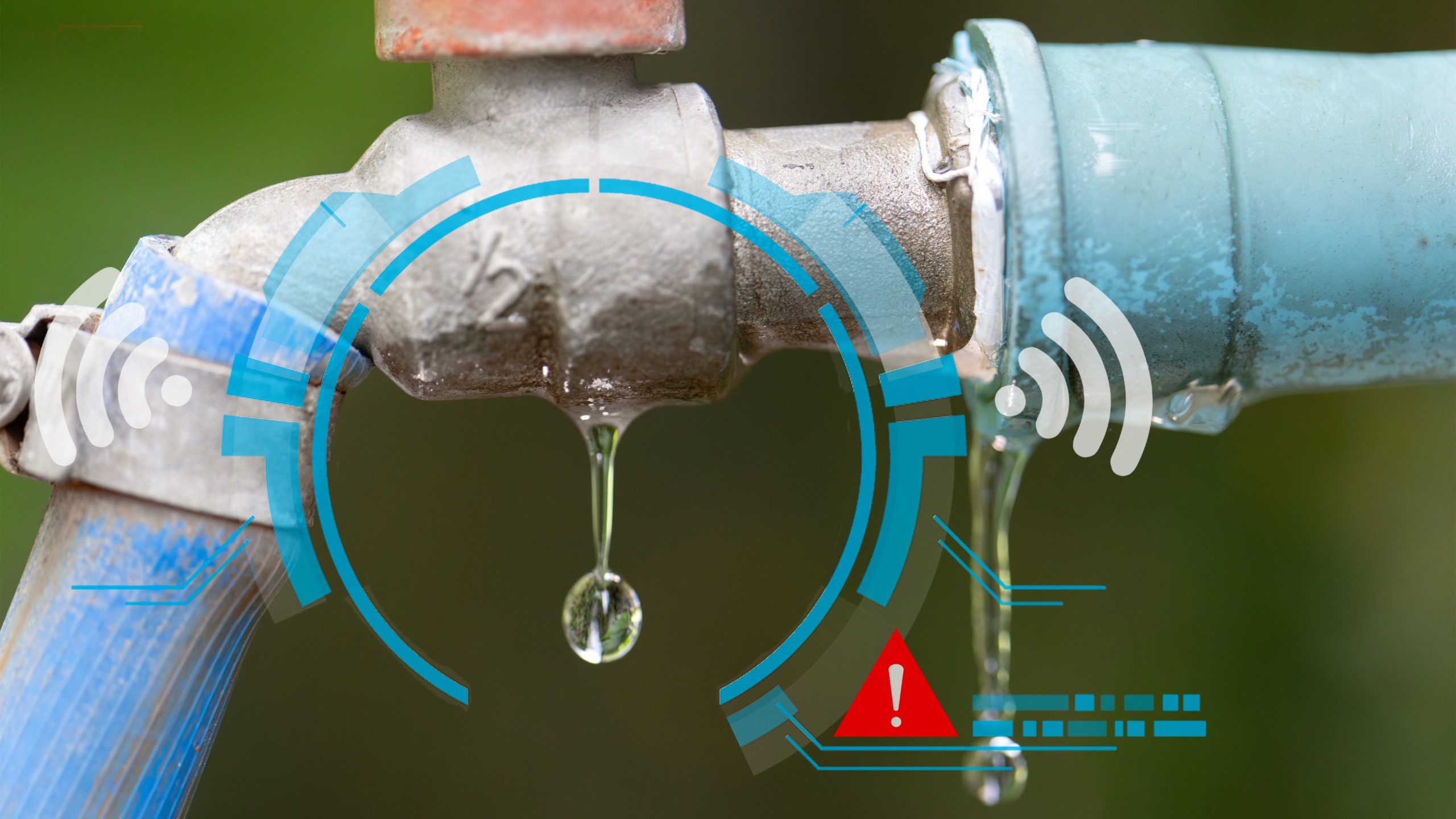
Indeed, when it comes to property insurance, the single most pressing domestic threat isn’t dramatic fires or forced-entry burglaries — it's water damage. Under constant internal pressure, behind walls and underneath floors, so it can be available instantly on demand, ‘escape-of-water events’ are a massive liability both for homeowners and insurance companies alike.
According to Paul Vacquier, CEO of US-based plumbing technology company Beagle Services, when it comes to property insurance, water damage represents a staggering "$14.5 billion paid in claims per year in the United States alone".
Because water is always seeking the path of least resistance, even the tiniest hairline crack in a pipeline, ageing supply line or failing washing machine hose can lead to severe flooding. “It’s the largest non-catastrophic loss paid by the carriers,” Vacquier explains. “While you can’t stop a hurricane, the technology does exist to prevent, or at least dramatically mitigate, this loss from occurring in the first place,” he adds.
Operating as a distributor of loss-prevention hardware through US insurance channels, Beagle Services effectively helps homeowners deploy multi-layered defences, ranging from simple puck-style IoT sensors placed under water heaters and dishwashers to non-invasive flow monitoring devices such as the LeakBot.
Developed in the UK by HomeServe Labs, and now owned by Ondo InsurTech plc, this small device clips directly onto pipes to detect tiny continuous flows as small as 5ml per minute as well as sudden changes in temperature, catching hidden issues such as slow pipe leaks before they result in catastrophic structural damage.
Several major insurance providers now partner with LeakBot, offering the clip-on device for free. These include Westfield in the US and LV and Hiscox in the UK. “Much like our customers, our goal is to protect their homes and smart solutions like LeakBot will become an increasingly fundamental part of this. It's often the smallest, hidden leaks that go undetected and ultimately cause the most damage, so spotting these early is essential,” said Phil Thorn, former Head of Propositions at Hiscox UK when it became the UK’s first insurance company to introduce the technology back in 2020.
Water shut-off valves
Nor is the Leakbot the only type of preventative device on the market. For ultimate protection, insurers frequently encourage — even mandate — inline automated water shutoff valves tied to the mains water supply. Beagle also offers a Watchdog monitoring services which automatically flags abnormal pressure spikes and consistent drips, allowing human teams to intervene before a pipe bursts.
“Water is where I see the most damage,” says Peter Kravchuk, Founder of Seattle-based New Day Construction. “While a battery-powered puck under a sink will chirp at you, a flow-shutoff valve installed at the main line actually closes the water off when it detects an abnormal flow pattern, and that's a different category of protection entirely,” he adds. Nick Nastos, Real Estate Broker at Chicago Property Shop agrees: “Buyers and investors ask me about cameras constantly and almost never about leak detection,” adding “automatic shutoff valves near the mains are worth pricing out on any property.”
As well as proving vital for high-risk properties and those who have previously experienced water damage in the home, Vacquier claims the technology is particularly useful for ‘holiday homes and vacant properties where slow leaks can go unnoticed for weeks.’ Adds Nick Nastos: “I’ve walked into flats after a January freeze where a single burst supply took out ceilings, flooring and a tenant’s belongings on the floor below. The damage almost never starts as a flood. It starts as a slow drip behind a washing machine or under a water heater for weeks.”

For landlords managing residential portfolios, a shift from reactive to proactive insurance could also provide a particularly welcome relief from administrative burdens, claims Roxton Wealth’s UK-based Nouran Moustafa. She argues that rather than landlords having to fill in "excessive paperwork", housing regulations should be directed "towards having better alarms and leak monitors". She adds: “This is going to be massive for tenants, for landlords and for insurance providers.”
Beyond plumbing
Although burst pipes remain the single biggest preventable risk in the home, it’s not the only risk that InsurTech can help to reduce. For example, in the UK, Sky Protect Home Insurance blends traditional buildings and content insurance, underwritten by global insurance firm Zurich, with real-time data from a whole host of smart devices in the home.
Officially launched in May 2023, the package is designed around a ‘prevention first approach’, rather than the reactive approach favoured by most traditional insurance companies. Integrating smart devices such as video doorbells, indoor cameras, motion and contact sensors, and leak detectors directly into a unified app experience, the platform uses real-time monitoring and automated alerts to help homeowners catch issues such as minor leaks or security breaches before they escalate into costly formal claims.
“We already make people’s lives easier at home through our TV, broadband and mobile services and with Sky Protect, we’ll be able to take the pain out of home insurance,” claimed Stephen van Rooyen, former Chief Executive Officer, Sky UK & Ireland and Chief Commercial Officer, Sky Group, in a press statement at launch. “By combining smart home technology with insurance, Sky Protect aims to prevent losses and provide financial peace of mind, should the unexpected happen,” added Tim Bailey, Zurich’s UK CEO.
Another area that is getting a lot of attention right now — but isn’t yet generally integrated in home insurance packages — is electrical safety. This can be significantly enhanced using specialist equipment designed to mitigate transient overvoltages, commonly known as electrical surges.
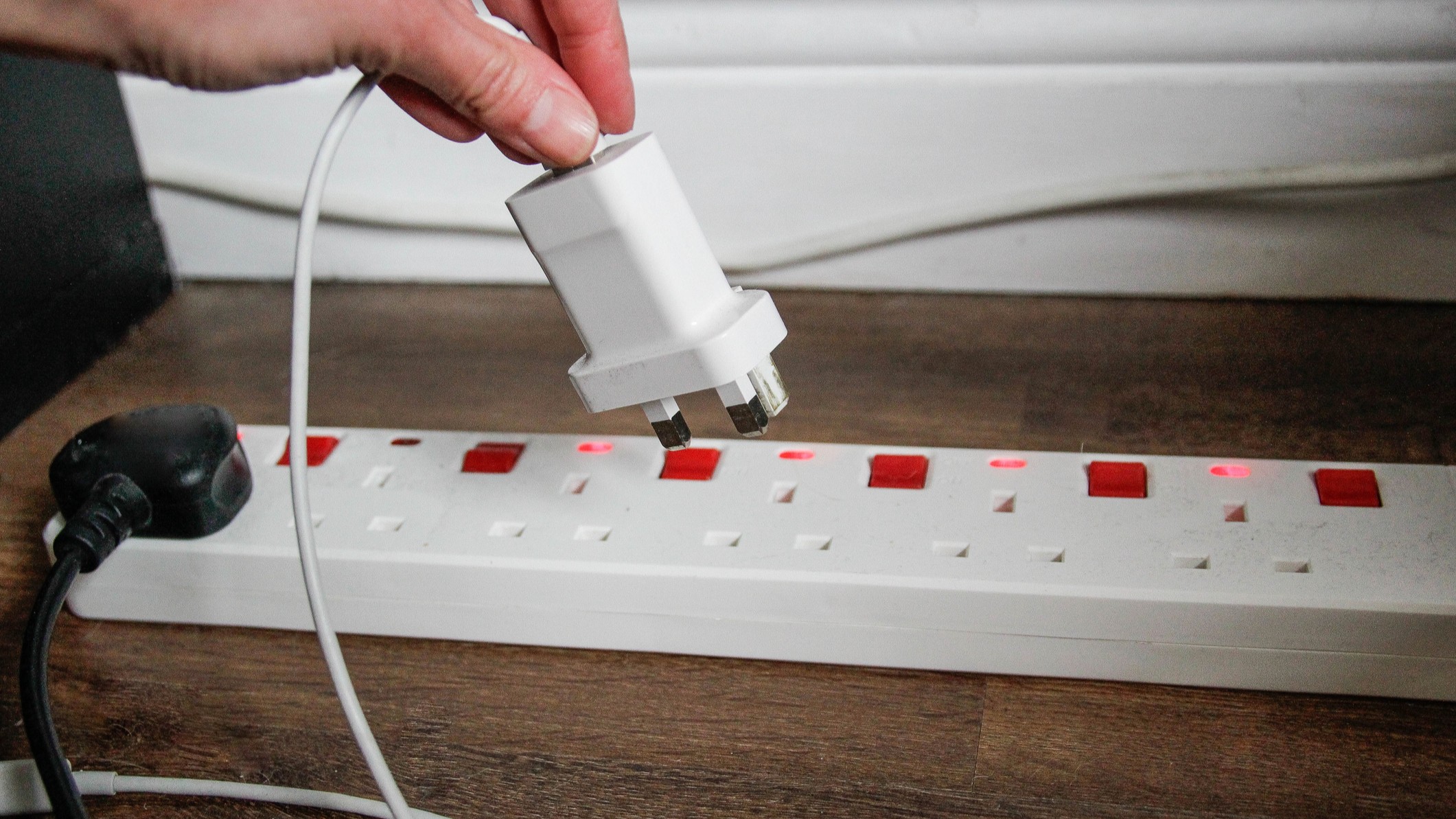
Triggered by external grid switching, internal appliance cycling or even lightning, these sudden voltage spikes pose a constant threat to sensitive home electronics and major appliances. To safeguard a property against these risks, whole-home Surge Protective Devices (SPDs) can be installed directly at the electrical panel.
"Whole-home surge protection is the other piece homeowners rarely ask about,” New Construction’s Peter Kravchuk says. “But a protective device mounted at the panel is a small line item during a panel upgrade and covers everything downstream. Plug-in strips can't do that job on their own." Operating as an automated safety barrier, a SPD detects a sudden surge in voltage and instantly diverts the dangerous excess electrical current safely away from household circuits and into the grounding system to prevent equipment failure and reduce potential fire hazards.
Insurance discounts
One company that specialises in tech for preventing disasters in the home is X-Sense. Though it doesn’t work directly with insurance companies, US users buying X-Sense smoke alarms, CO (carbon monoxide) alarms, or combination smoke and CO alarms who subscribe to its Protect+ Elite professional monitoring service (costing $49.99 per year, or $4.99 per month) can claim home insurance benefits.
“Through the X-Sense app, eligible customers can obtain a monitoring certificate confirming that compatible alarms have been installed and connected to a professional monitoring service capable of coordinating emergency response, including fire department dispatch when necessary,” an X-Sense spokesperson told TechRadar.
“Customers can then provide this certificate to their home insurance provider and may qualify for a homeowners insurance discount. The exact discount varies by state and insurer, but in some cases it can be as much as 15%.”
It all sounds very promising , especially if you like saving money — and who doesn’t! However, that’s not to say there aren’t any potential risk of embracing this new InsurTech revolution. Alarms which monitor everything from smoke and carbon monoxide levels to burglars breaking into a property not only require a sizeable hardware investment up front, they also generate a lot of potentially sensitive data. As Taimur Ijlal, Information Security Leader at Proxy Coupons, notes: “Once a sensor, camera or smart lock starts reporting to a third party, it become both an attack surface in your home and a data pipeline out of it.”
Indeed, the fragility of backend B2B data pipelines was recently demonstrated by a security incident involving Dublin-based InsurTech firm Companjon, a subsidiary of La Mobilière, which suffered a major data exposure via an unprotected Apache Kafka data stream. Revealing millions of records, including future-dated travel itineraries and personally identifiable information, the incident demonstrated how third-party vendor vulnerabilities can easily compromise consumer trust.
Consequently, experts advise homeowners asking questions before adopting bundled InsurTech such as who owns and retains the device data and for how long? What is the manufacturer's security patch policy? And what happens to policy coverage if a device fails or is disconnected?
The future of home insurance
While hurdles remain, such as legitimate concerns over data privacy and device cybersecurity, InsurTech undoubtedly represents the long-term future for home insurance. The convergence of IoT sensors, AI-driven claims processing and hi-tech detection devices is set to reshape our digital home lives, just as ‘black box’ telemetry has done for many motorists and tracking apps are starting to in pet and health insurance too.
Rather than the reactive ‘something has gone wrong, here’s the cheque’ approach of yesteryear, insurance is moving in a more proactive direction towards ‘technology stopped it going wrong in the first place’. For homeowners embracing this new way of thinking, ultimately it means greater peace of mind, as well as potentially reduced home insurance premiums. A real win-win.