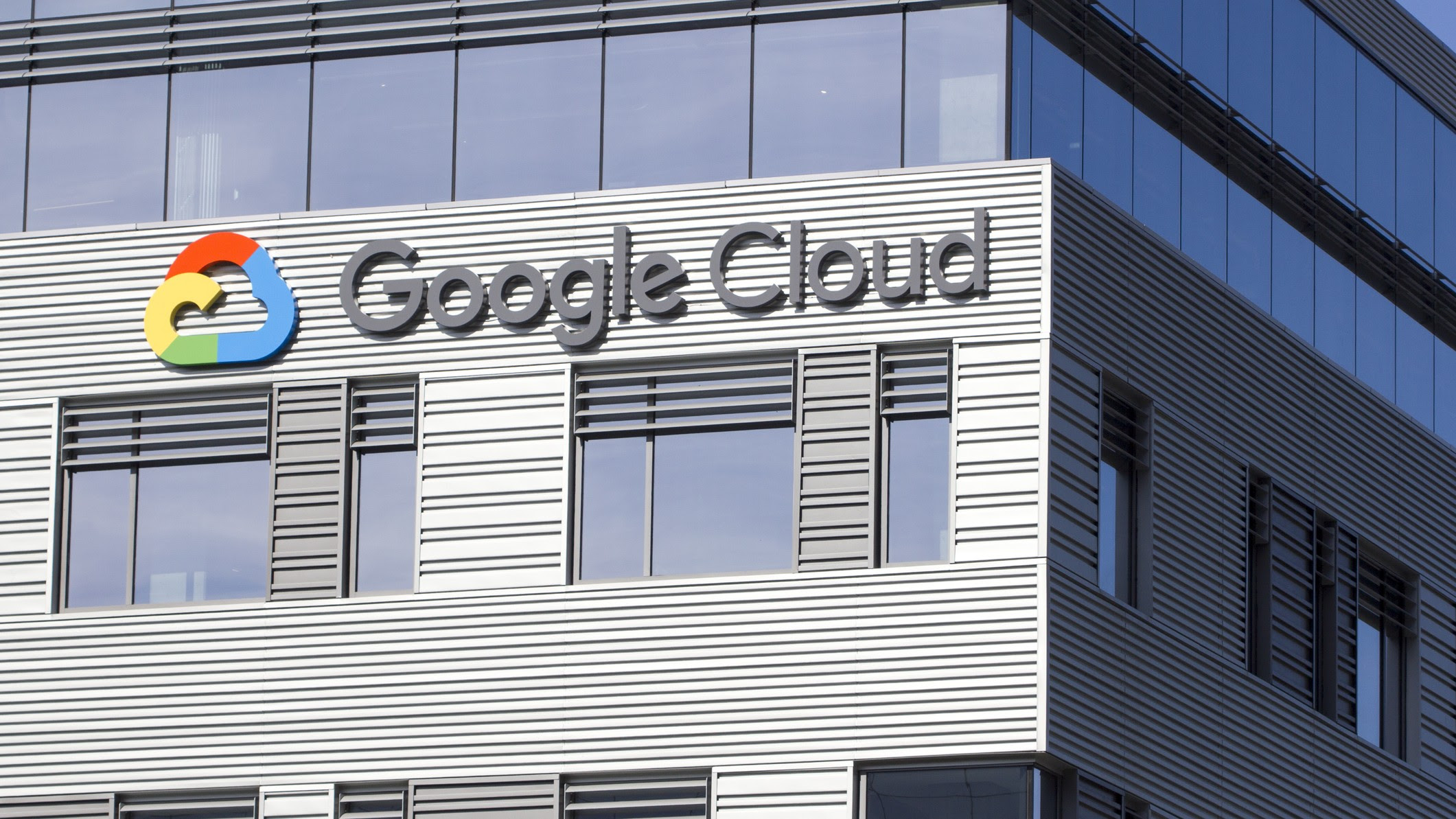
Millions of customers across the UK experienced severe disruptions on Tuesday after a major systems failure at Google Cloud’s London-based data centre knocked out a wide range of essential digital services.
The outage, which Google blamed on a ‘power event ‘, crippled banking apps and payment platforms, leaving users unable to access funds, log into accounts, or complete transactions at the till.
Major financial institutions and platforms, including Revolut, Lloyds Bank, HSBC, Barclays, Bank of Scotland, NatWest, Halifax and Nationwide reported widespread issues.
Delivery and postal services, including Royal Mail and DPD, alongside used in courts across England and Wales, were similarly impacted, forcing judges to manage significant procedural delays.
Google confirmed that while the initial power event was mitigated, services faced downtime because of shared infrastructure dependencies. Google Cloud stated that a full recovery of existing workloads was expected to be completed tentatively by 2 pm today (October 20th, 2026).
The incident has reignited concerns over society’s heavy reliance on a handful of tech giants for foundational digital infrastructure. Commenting on the widespread fallout, Sam Richardson, Editor of Which? Money, said:
“Consumers will be rightly concerned by reports of widespread Google Cloud outages, which are impacting a range of third-party businesses including banks and payment platforms. In the worst-case scenarios, these outages could prevent people from making essential purchases or even paying their bills.
“Customers should keep evidence of impacted payments in case they need to make a claim against their bank, and in the meantime, anyone likely to miss important bill payments should contact the company involved to ensure they waive any late fees.
“Tech and banking outages have become increasingly frequent in recent years, and the impact can be widespread when they happen. It’s worth considering having back-ups in place in the event your main provider goes down – for example, a card with a different bank, and a small amount of emergency cash to tide you over should you be unable to make card payments.”
While the disruption caused immense practical difficulties for consumers, leaving many temporarily unable to buy groceries or pay for fuel, cybersecurity experts noted that the incident points to an availability failure rather than a security breach. Dr Hamza Mutaher, Lecturer in Cyber Security at Birmingham City University, noted:
“An outage does not, by itself, mean that personal data has been stolen or compromised.
“The reported network failures point to an availability problem, rather than proof of a data breach, although the full cause and implications still need to be established.
“This is the time for organisations to understand what technology and digital systems they are dependent on. This can be done through regular testing to see how essential services would continue operating if a key provider became unavailable.”
As services gradually return online following Google’s mitigation efforts, regulators and experts are urging organisations to review their contingency planning and recognise the hidden vulnerabilities of shared cloud infrastructures.
For latest tech stories go to TechDigest.tvDiscover more from Tech Digest
Subscribe to get the latest posts sent to your email.