The first Gemini smartglasses are a collab between Google, Samsung, Gentle Monster, and Warby Parker.

Smartglasses have always faced an uphill road to acceptance. Not only is propping a computer up on your nose an uncomfortable proposition, but the privacy aspect has been vexing people since the Google Glass days. Now, Google is ready to take another swing at “intelligent eyewear” for the Gemini era after previewing its plans a couple of times. The first glasses are up for preorder today from Gentle Monster and Warby Parker, but they’re no impulse buy.
These devices are a collaboration between Google, Samsung, and the aforementioned eyewear designers. Gentle Monster and Warby Parker have each designed a few different frames, with options for transparent and tinted lenses. Samsung is providing the computing hardware that fits inside them, and Google has the software covered.
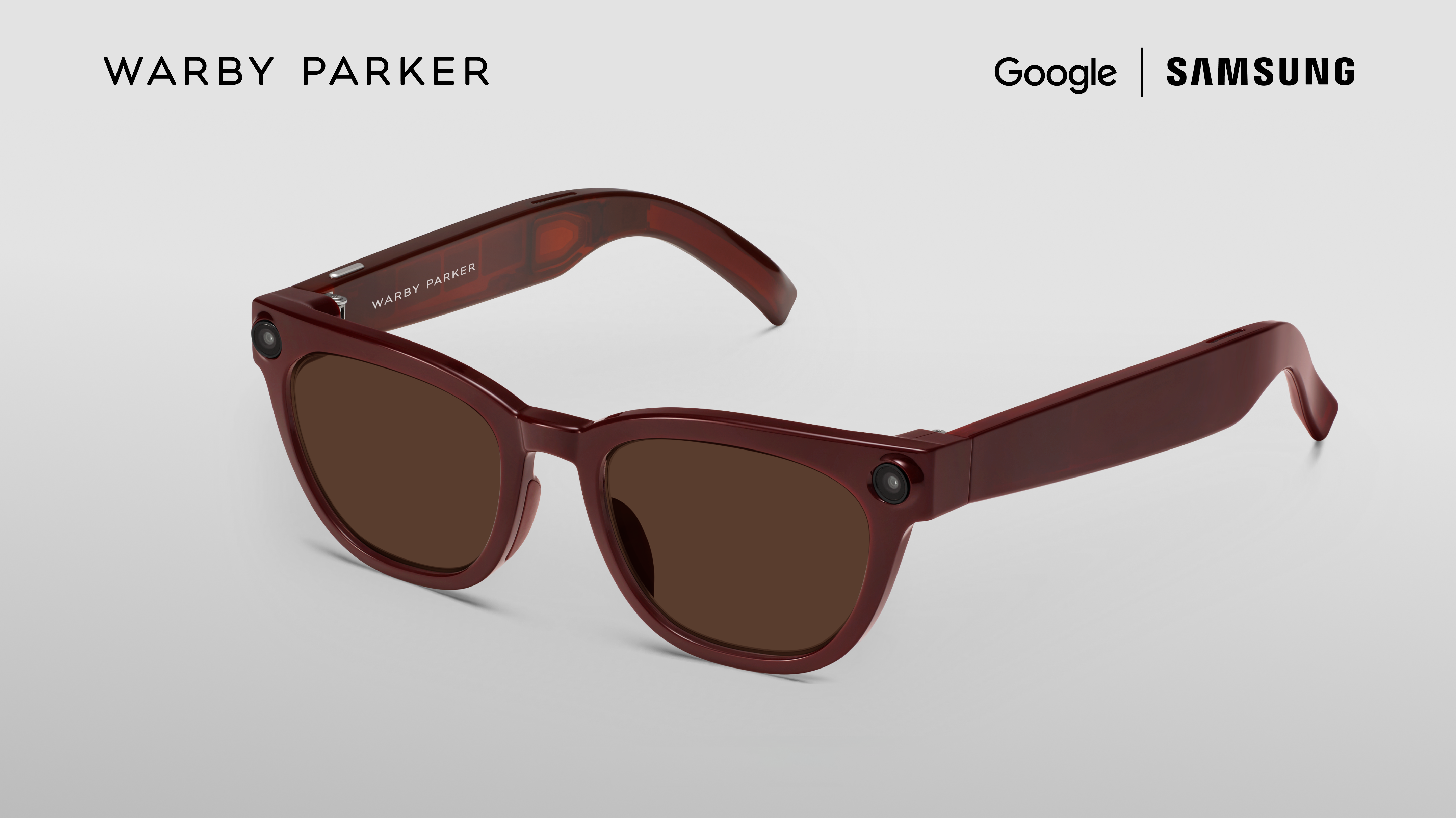
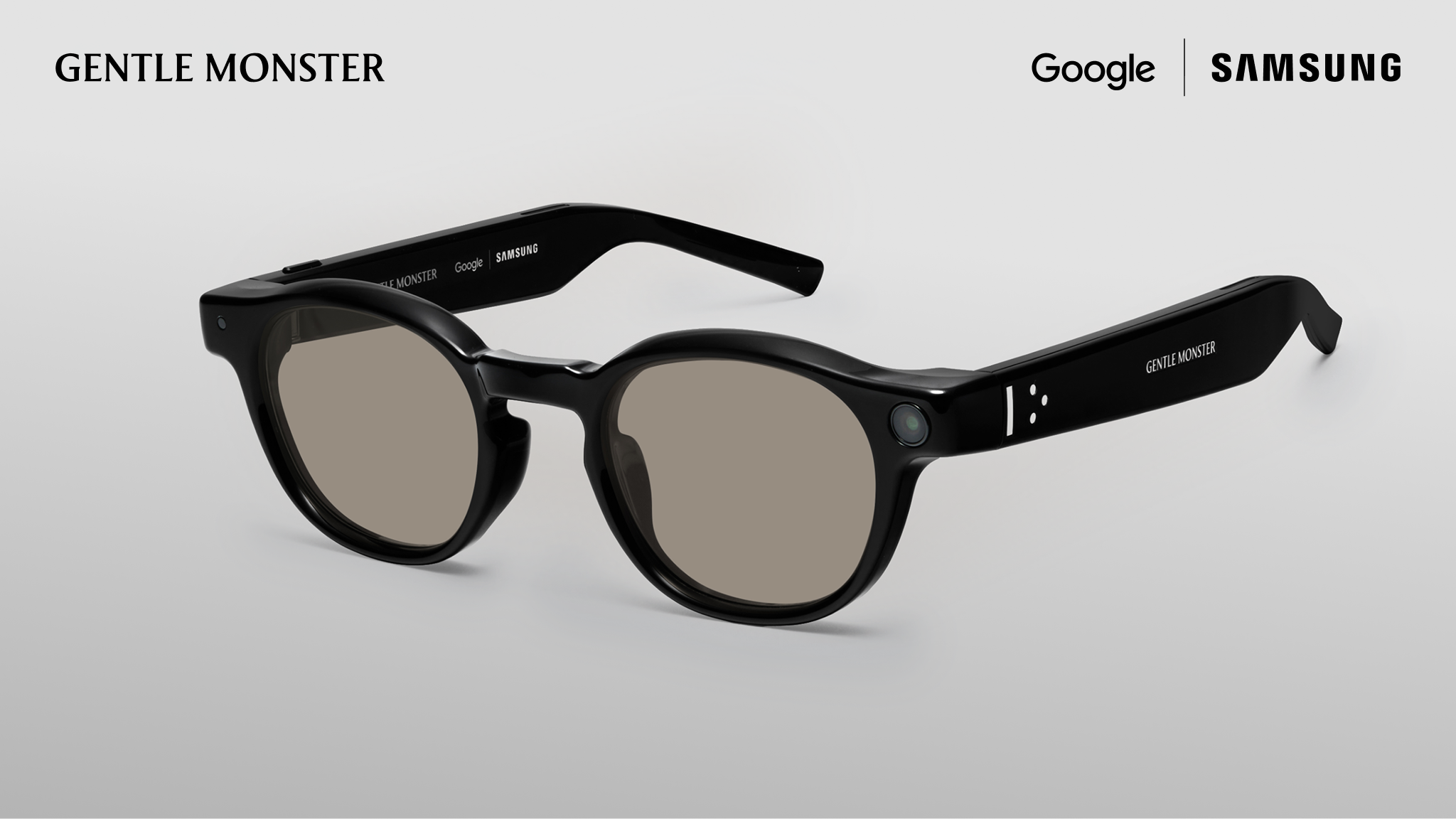
Warby Parker has designed three frames for Google eyewear, called Alden, Reid, and Wren (see above). They are available with both standard optical and sun lenses in Pine, Saddle, and Jet Black colors at $395 and higher. Warby Parker is only selling devices in the US. Gentle Monster has gone a bit further with six styles, but Google hasn’t told us any names for those yet. They come in dark red, pink, gray, and yellow colors and are available with clear, tinted, blue, or brown lenses. The Gentle Monster styles start a little higher at $449, and they will be available in the US and South Korea.
Google says the frames all weigh about 41 grams, which is not terrible but is definitely near the top for glasses generally. They will, naturally, weigh much more when you account for lenses. That will also determine the final pricing. So far, we only have the starting prices for these devices, including non-prescription lenses.
The setup here is similar to the Ray-Ban Meta glasses we’ve seen for a few years. There are no screens in the lenses, but you can interact with the AI system via voice or by activating the integrated camera. The experience should be similar to using Gemini Live on your phone, but it will be a lot easier to fire up the AI. You can say “Hey Gemini” or tap a touch-sensitive area of the frame to start interacting with the robot.
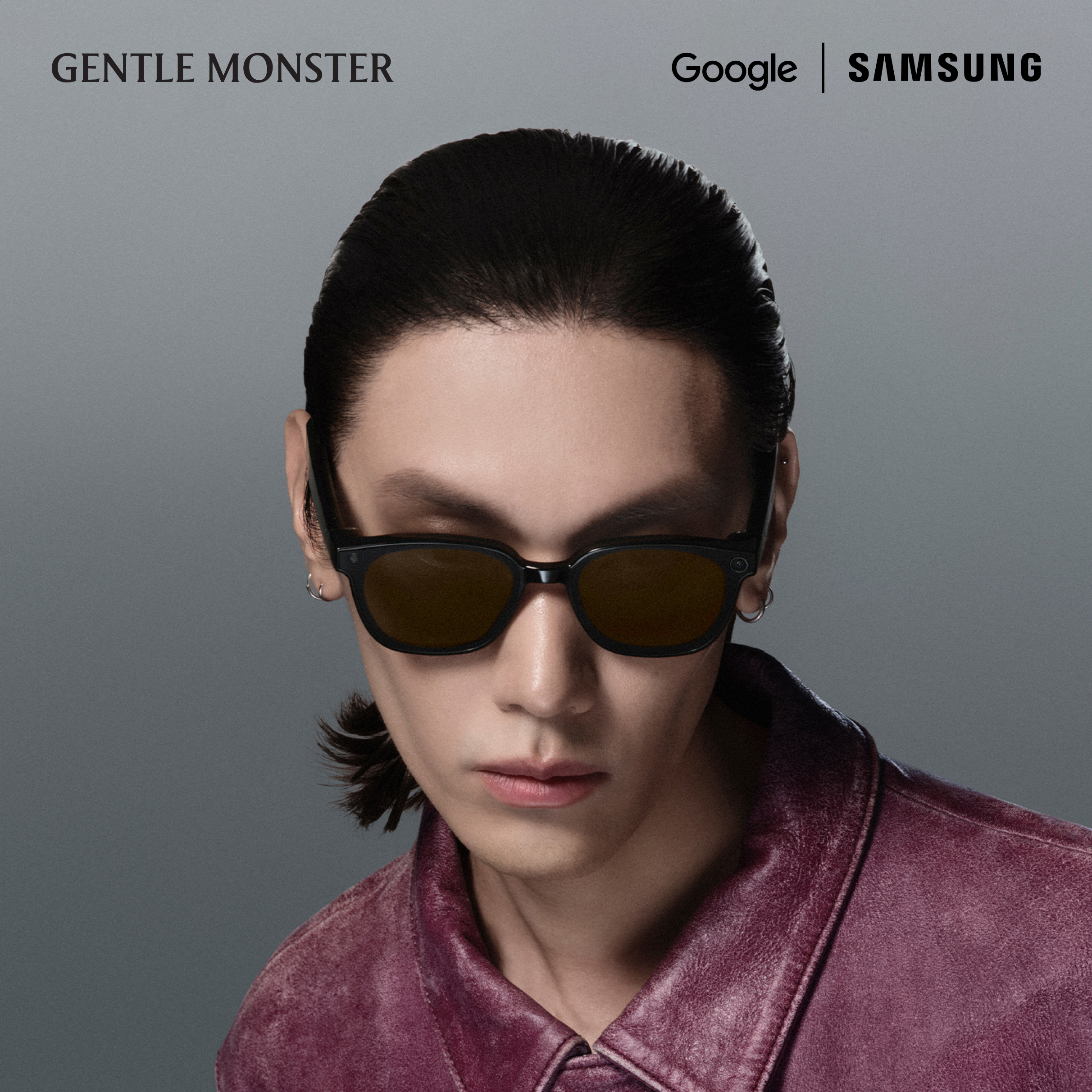
Since this is the same chatbot that operates across the Google ecosystem, it has access to your data and preferences. You can ask questions and get personalized answers, have Google Maps guide you by voice, or just talk with the AI to kill time. The glasses use custom open-ear speakers to limit distractions for those around you. Google notes the directional microphones should not pick up speech from other people, either.
Adding the camera feed is where things get interesting. When the AI can see what you see, it has the potential to do more work on your behalf. Google suggests asking Gemini for recommendations when looking at a bookshelf or glancing at an event poster to have the AI add it to your calendar. The glasses will also support Gemini Guided Vision, which provides conversational audio descriptions for people who are visually impaired.
The utility of these devices hinges on Gemini. I would be remiss not to point out that Gemini, like all AI systems, is not infallible. In fact, it can be fallible at times. The chatbot still regularly screws up simple things like adding calendar appointments or identifying objects in an image in my testing, and when you don’t have a screen to verify the AI’s output, it may be harder to trust it. These devices will really only make sense if you can rely on Gemini to do things right, and that’s still not a guarantee.
Google’s privacy promises
All the Gemini-powered glasses from Gentle Monster and Warby Parker feature a 12 MP wide-angle camera capable of shooting photos and video. Google says it has implemented a number of features and limitations to ensure people don’t do creepy things with its intelligent eyewear, and that it doesn’t do creepy things to you—Google claims its approach respects privacy on “both sides of the lens.”
For starters, there’s a recording light that is on whenever the camera is active. Like the Meta glasses, Google’s eyewear will detect if the light has been covered up or modified in any way that would prevent it from illuminating. In that event, the glasses will refuse to activate the camera. All Google-powered glasses will have a physical off switch, too.
The terms of use for Gemini eyewear also require users to agree not to record people without consent or in sensitive areas. If Google finds out someone has broken those rules, it may remotely disable the glasses. Google is going a bit further in restricting video functionality than Meta, too. Google says it will not allow any apps in the Play Store to live stream video to social media from the glasses (not even YouTube live is supported). The content you record is saved to your gallery, and you can upload that wherever you want, but going live is apparently not on the agenda. Real-time facial recognition is also off the table, according to Google.
On the user privacy side, Google says it will not save any images or videos captured by the glasses in your Gemini history. Additionally, none of that data will be used for training AI models or targeting ads. Your voice interactions with Gemini via the glasses are, as with all other Gemini endpoints, not guaranteed the same level of protection. You can delete your chats from the Gemini history, though.
Data on the glasses is encrypted, and it remains that way during transit to the cloud. However, it’s not encrypted on Google’s servers. The company does note that it’s working to bring Private AI Compute to glasses, which will isolate data during processing so not even Google can access it.
Anyone looking to get Gemini on their face and test Google’s privacy promise can preorder the glasses from the Gentle Monster and Warby Parker websites. Devices should ship and appear on store shelves on December 10. Importantly, support for these devices is a bit narrow at launch. They will work with all iPhones from the 13 Pro onward. On the Android side, you’ll need a Pixel 7 or newer or a Samsung Galaxy S or Z series device running One UI 9 or later. If you’ve got a cheaper Samsung Galaxy or a device from another OEM, you’re out of luck at the moment.