Between Nest speakers, smart lights, and connected appliances, I've invested plenty of time and a lot of money into Google's ecosystem. But on more than one occasion, I've wished I hadn't.
Unlike practically everything else in tech, it is ridiculous to think that these speakers and displays perform worse today than they did at launch. Commands often don't work, responses take forever or are irrelevant, and basic features are still missing.
I've dabbled in the side of things as well and am not a fan of the company's overzealous advertising. That's why I'm glad that Apple has entered the space with its new HomeView smart home hub and HomePod Mini 2 combo.
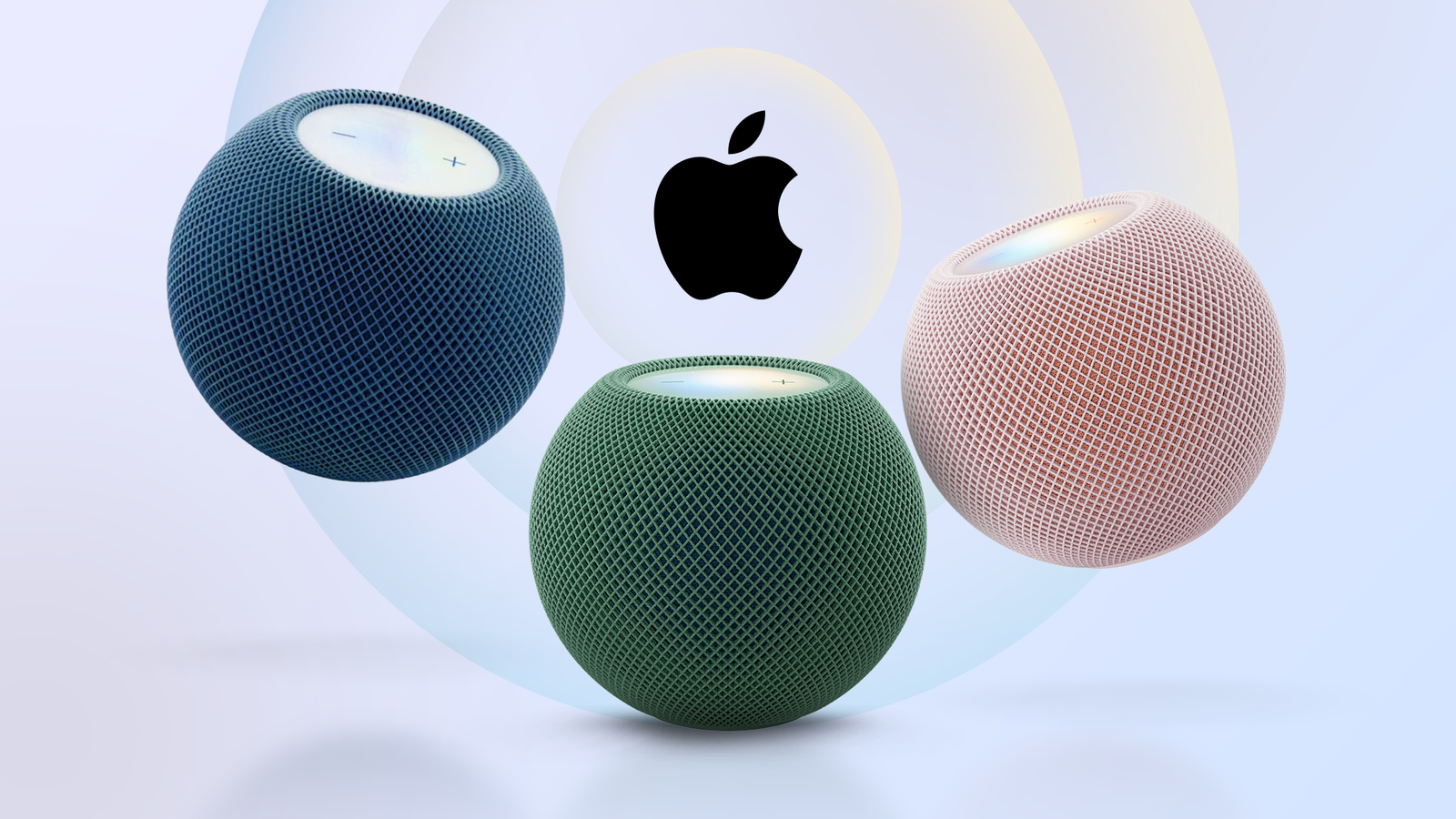
With Apple's first display-equipped smart speaker and the upgraded HomePod mini, Apple is finally showing it is serious about the category and could pose a real challenge to Google.
I hope this is the wake-up call Google needs. Here's why.
I miss the times when my Google Nest just worked
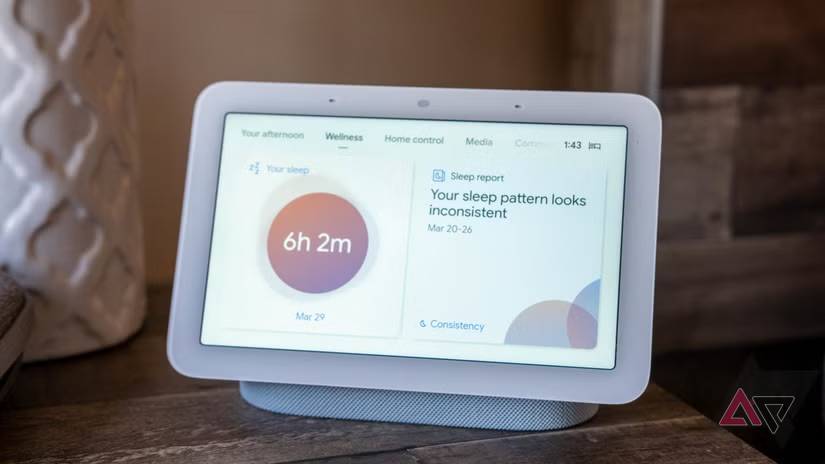
My first foray with was borderline magical. Being able to use a Nest speaker to turn off the lights, adjust the temperature in my room, or play music was astonishingly cool. More than that, it worked reliably.
I used the original Google Home all the time. But that is not the experience you get today, at least not consistently.
For one, Google has done little to refresh its smart home hardware. Take, for example, the . The hardware launched in 2020 and has seen no refreshes.
However, the Nest Hub Max is no longer a thing and has no apparent successor. Meanwhile, the smart home market has boomed with plenty of third-party options available.
Yes, I'm aware of the Google Home Speaker, but the general experience is largely consistent across Google's hardware lineup.
Say what you will about the Amazon Echo's software, but even Amazon has been rolling out solid hardware upgrades across its lineup.
On the software side, I can't say Google has fared much better. I expected the transition to Gemini to be a night-and-day upgrade, but that hasn't been my experience.
For one, every time I turn the lights on or off in my living room, I don't need a full conversation with an LLM. I just need the lights to turn off.
But more than that, I only want those specific lights toggled. Instead, my Nest Hub just turns off the 70-plus smart lights in my home.
Then there are times when it drops the conversation while I'm still giving it a command. The same unreliability applies to Google's still-flaky speaker groups and multi-room audio implementation.
For a company that popularized speaker groups, it's odd that it still runs into synchronization issues. The experience has been bad enough that I have moved to dedicated streamers. Which brings us to Apple's announcement.
Apple's approach is immediately appealing because it addresses several of my biggest pain points.
A dedicated display with proper multi-user support solves the problem of sharing a single interface across a household. I'm astonished that nobody else has tackled it yet.
Meanwhile, local control and deeper automation reduce the need to rely on voice commands. From what I've seen of the interface, the quick access toggles are immediately accessible instead of needing a swipe from the top like on the Nest Hub.
Apple's HomeView puts smart home control front and center
A premium design, local controls, multi-user support, and privacy
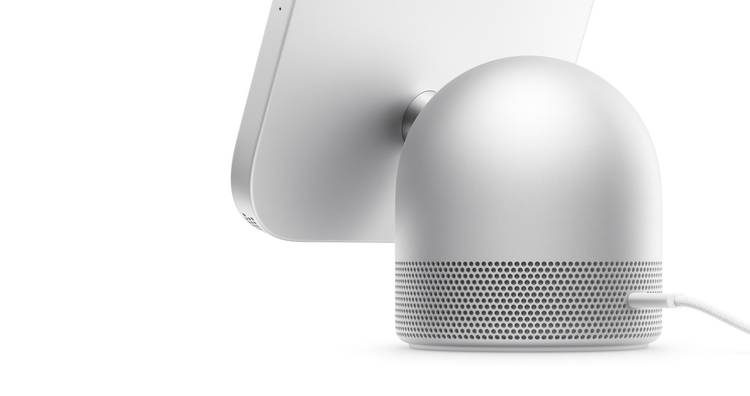
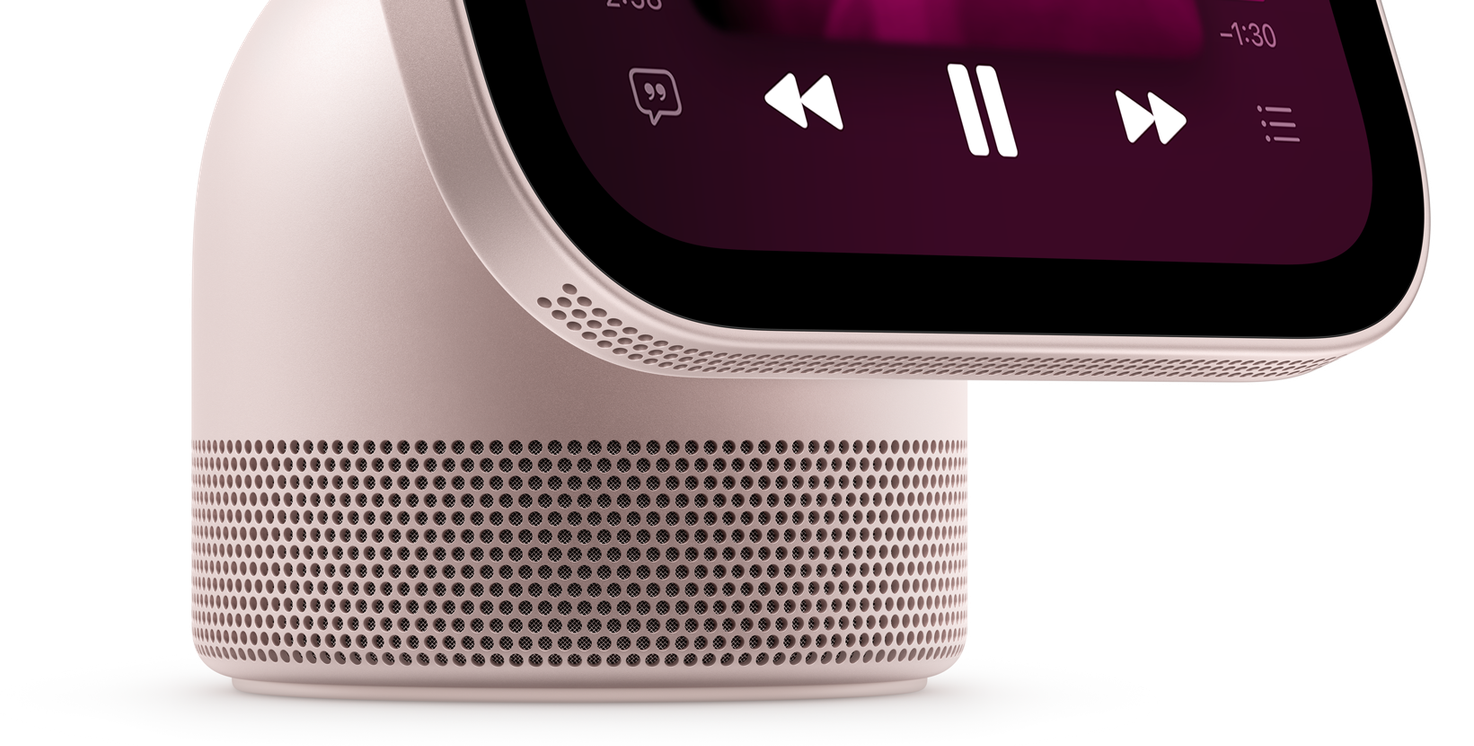
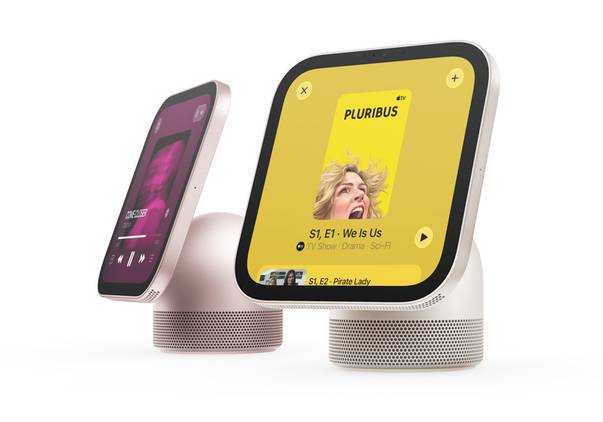
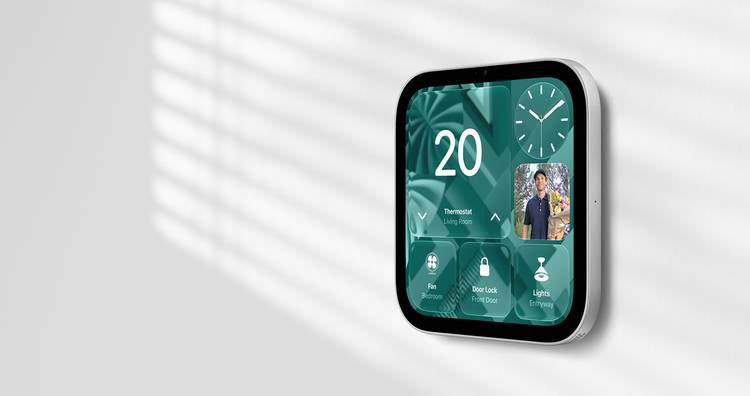
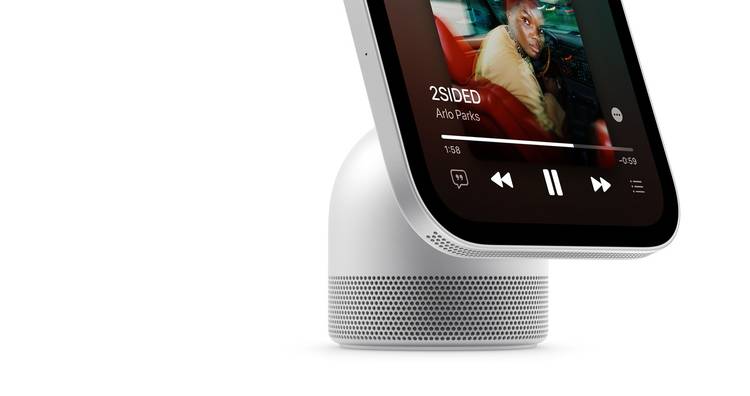
While upgrades to the HomePod mini are welcome, Apple's new HomeView is the more interesting bit of kit because it brings interesting ideas to the category.
Between the 7-inch Liquid Retina display, aluminum design, and speaker base, this is a premium piece of kit. You also have a wall-mounted option that, as a long-time smart home user, I can confirm is a fantastic addition for quick access toggles.
But more than the form factor, I'm more interested in how it fits into Apple's wider smart home ecosystem.
Voice assistants are only one part of the experience. A true is one where you don't need to pass on any commands. Your smart home should be able to trigger automations based on inputs like when you get home or unlock a door.
Apple Home, like most other smart home ecosystems, supports that. But it stands out because it also treats local control as a first-class citizen.
Not to mention that HomeKit Secure Video offers fully encrypted remote viewing, plus person and object recognition. If you value local-first, private smart home controls, Apple might have built the next best thing to Home Assistant.
HomeView also stands out for its proper multi-user support. It recognizes up to six household members and adapts its interface to each person. You can access your own reminders, calendar, and messages, while only shared photos and music remain accessible to everyone.
The experience won't be completely offline, especially with being deployed across both HomeView and HomePod Mini 2.
However, Apple processes the data through its Private Compute architecture, which means none of your voice or other smart home interactions are used to train an AI model.
That's important when it comes to a device placed in your living room or bedroom.
Google needs to focus on getting the basics right again
As good as Apple's new-new sounds, I'm not looking to switch ecosystems. I have a lot of Google gear on hand, and I would rather have Google fix its platform and become truly competitive.
It could, and should, combine Gemini with faster hardware to enable better voice command recognition, smoother audio playback, and more responsive smart home controls.
Reliability is what truly sells you on an ecosystem, and for Google to not just retain but grow its position in the segment, it needs to get the basics right again.
I need my speakers to understand what I'm saying on the first try, and for the smart assistant to respond. I need my to handle separate calendars, photos, and more for all my family members.
I hope Apple's new hardware and smarter approach to home management give Google a much-needed shove in the right direction.