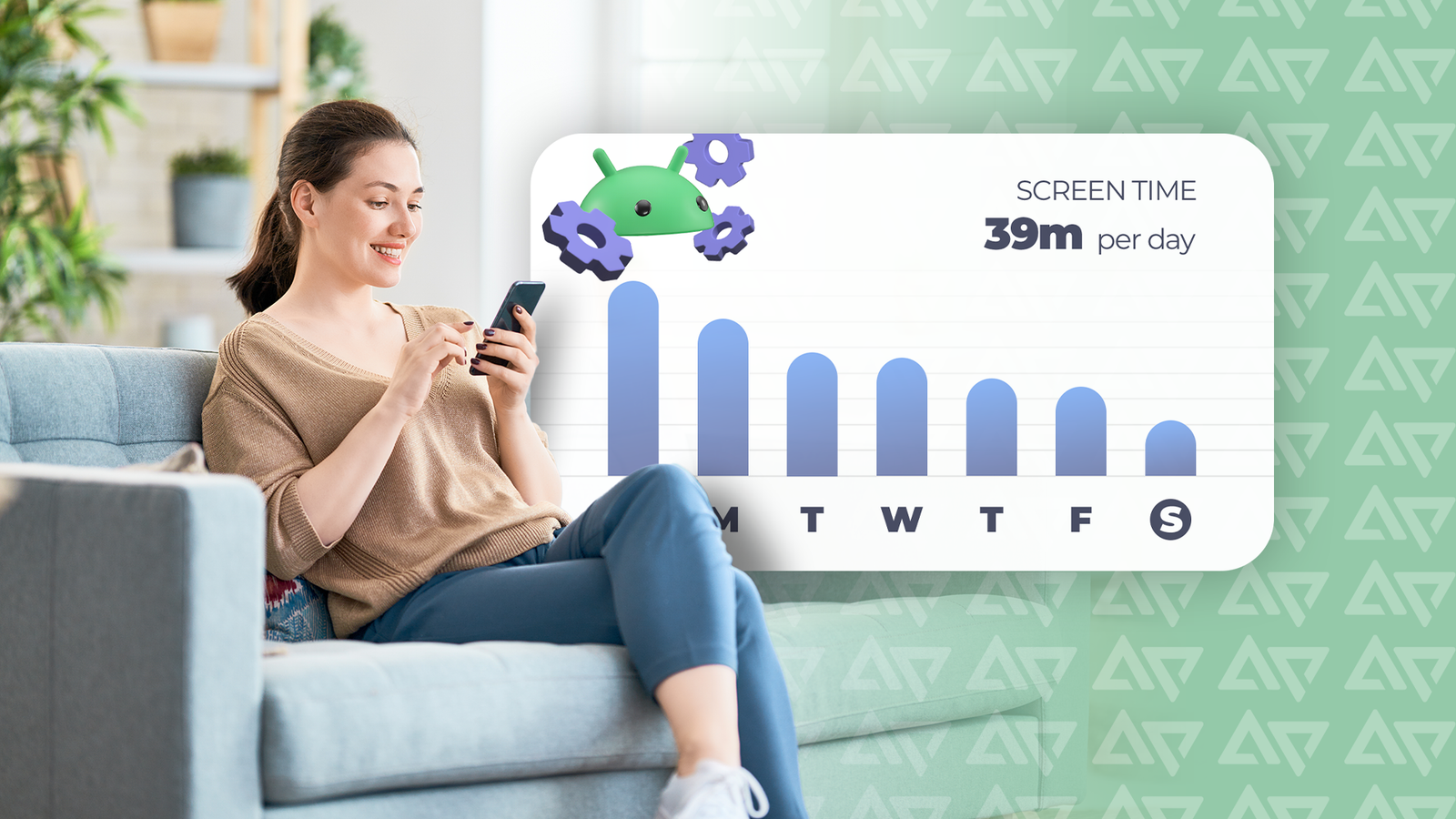
I didn't realize how much control my phone had over me until I checked its built-in Digital Wellbeing tool.
I noticed that what started as a quick scroll between tasks turned into hours lost in a blur of videos, shopping carts, and notifications. Every app seemed designed to steal my attention.
So, I did something I'd always told myself I didn't need to do: I deleted apps. Not just unused apps, but the popular ones that had stolen control of my focus.
Here are the eight apps I deleted to reclaim my time.
I opened Instagram way too often
It had become a curated highlight reel

I used to open Instagram dozens of times a day, sometimes without realizing it.
I told myself it was to stay in touch with friends or find inspiration. But the truth is that I was mostly scrolling through reels and comparing my life to curated snapshots of strangers.
Instagram was taking up time and shaping how I viewed myself and my life. I'd find myself obsessing over lighting in a photo, wondering if my pictures looked aesthetic enough to share.
The worst part was that I started measuring experiences based on shareability.
Deleting Instagram wasn't easy at first. I felt like I was missing out, but after a few days, I stopped checking my phone reflexively.
My screen time dropped, and I started engaging more in the moment instead of thinking about capturing it for others.
I still take photos, but I no longer feel pressure to post them. I also spend more time journaling or calling friends instead of documenting my life for an audience.
I kept getting caught in YouTube's rabbit holes
YouTube Shorts were a big distraction
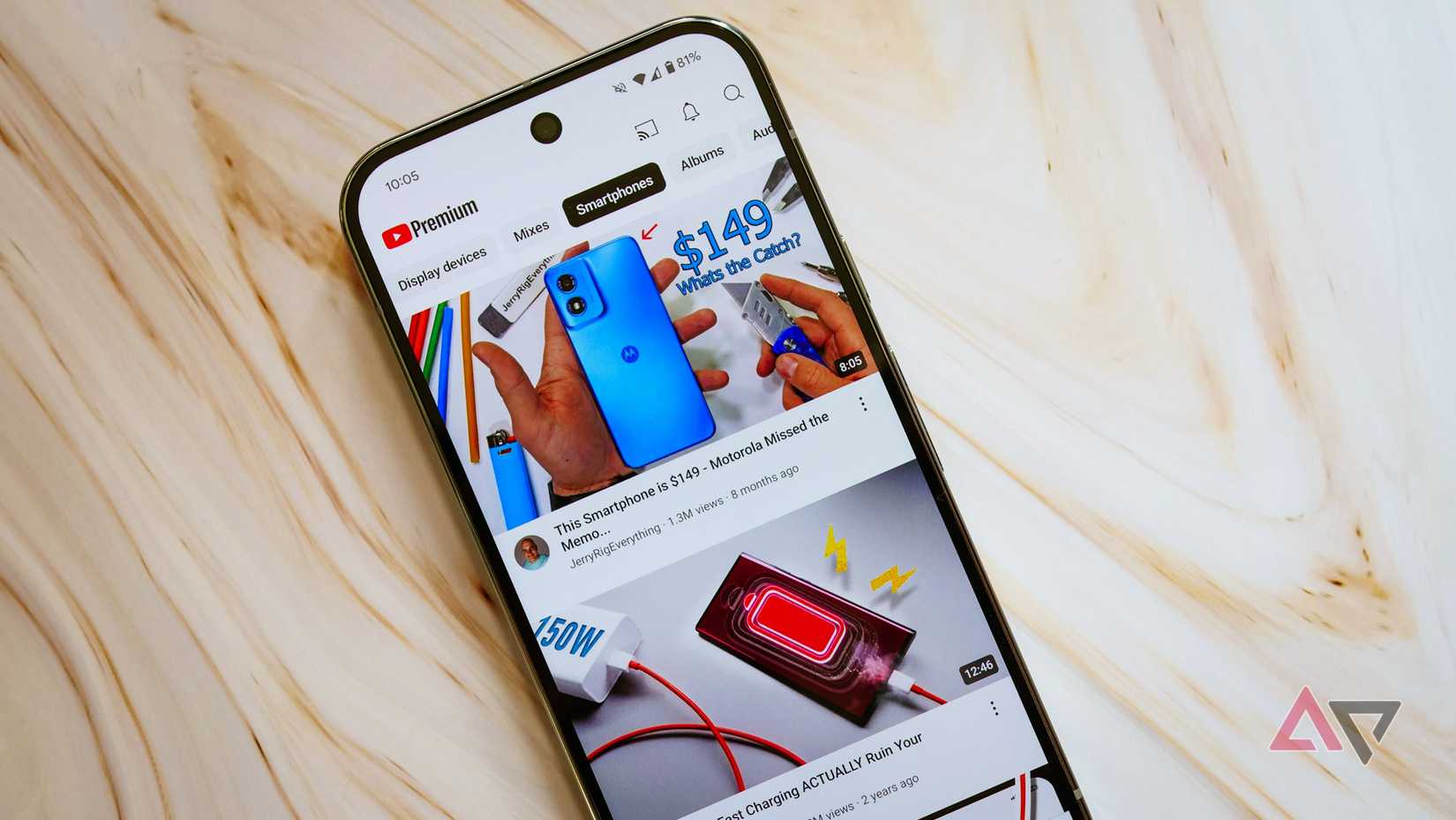
YouTube was my comfort app. I'd watch videos during lunch, while doing chores, or on commutes.
I'd find myself going down recommendation rabbit holes and giving in to late-night scrolling. Even short videos added up. A few minutes of videos here and there turned into hours per week.
Removing the YouTube app from my phone made me more intentional about my viewing habits. I still enjoy YouTube, but now I watch it on my desktop PC during downtime.
Without the app, I don't get sucked into autoplay or start watching because I'm bored. Treating it like TV instead of a time filler changed the dynamic.
I've also started using curated playlists or direct search to stay focused on what I came for.
X (Twitter) didn't deliver the news the way it used to
The app left me feeling anxious and reactive

I hung on to X longer than I should have. I assured myself that I needed it to , trends, and current events.
However, between the algorithm's push for video engagement and the endless stream of hot takes, it became a source of constant digital tension.
Compulsively opening X and scrolling through doom-filled threads left me feeling worse than when I started.
Now that the X app is off my phone, my mind is calmer.
I still get the news, but it's on my terms, and not through rage bait and viral misinformation.
Deleting it gave me back my emotional space. I've also noticed that my opinions are less shaped by what's trending.
I now spend more time reading long-form articles and books instead of scrolling through polarizing soundbites.
I can't find my friends on Facebook anymore
I should have deleted it earlier

I used to view Facebook as a way to connect with old friends and family and share milestones. However, the app has become a cluttered mess of ads, suggested posts, and people I haven't spoken to in years.
I didn't open the app that often, but I kept it because I thought I might need it. But it rarely gave me anything useful.
So, I deleted it. If someone matters to me, I make an effort to reach out directly.
Removing the Facebook app cleared space for more genuine connections. Plus, I no longer get sucked into comment sections or scroll past suggested posts that don't add anything to my day.
I spent too much money at Amazon
Impulse shopping had to go

With the Amazon app on my phone, shopping was super convenient. I'd browse out of boredom and end up with impulse purchases.
Endless recommendations, daily deals, and now the frictionless AI shopping assistants all blur the line between convenience and compulsive consumption.
I thought deleting Amazon would be inconvenient since it was the fastest and easiest way to buy anything I needed. Removing the app made me think before I buy.
Now, I go to the Amazon website on my PC, log in, and think twice before clicking Add to Cart. I also research more and compare options before buying a product.
I've saved money and found that waiting a day or two before purchasing often makes me realize I didn't need it.
Amazon still has its place, but without the app on my phone, I became more mindful about what I spend and started supporting local stores more often.
Stuck in the loop of endless planning


Pinterest is a fun, inspiring space to collect ideas for DIY projects, recipes, and home decor.
But for me, it became another scroll trap. I'd open the app for hobby inspiration and end up 45 minutes deep in bedroom makeovers or cat-themed art pieces.
I was collecting ideas without creating anything. So, I deleted the app.
Now, if I need a visual reference or tip, I use Pinterest on my desktop PC. When I browse for inspiration, I set a time limit and focus on one project at a time.
I've also started collecting real-life references from magazines and books.
Duolingo turned into a game, and I didn't learn a thing
The gamification felt hollow


I downloaded Duolingo to learn French and Italian. However, it soon became a streak-driven game that prioritized points, badges, and leaderboard rankings over real learning.
I found myself going through lessons to maintain my streak, often without truly understanding them. Over time, I realized I wasn't making meaningful progress.
After , I turned to slower-paced resources, like language books, YouTube lessons, podcasts, and conversation exchange apps.
I adopted a more grounded approach to language learning. I could focus better without the pressure of daily check-ins or push notifications.
Now, I'm learning at my own pace, retaining more, and enjoying the process.
Duolingo was a great starting point, but letting it go helped me shift from passive swiping to deeper learning.
My useless binge-watching flourished on Netflix
I spent more time scrolling for something to watch

I deleted Netflix from my phone because I watched shows whenever I had free time. I watched shows in bed, during dinner, and even while doing the laundry.
Watching Netflix became a background habit that filled every quiet moment. I'd scroll endlessly trying to pick something, then settle for a show I didn't care about.
The app made it easy to turn every moment into screen time. Without Netflix on my phone, I stopped reaching for it automatically.
I started reading more, calling friends, and spending more time on my hobbies.
I found I slept better when I stopped watching thrillers or docuseries in bed.
I became more focused after deleting distracting apps
Deleting these apps didn't magically fix my attention span or make me more productive.
However, it made me notice how I spent my time and what I missed. I started using my phone less and and hobbies.
If your phone feels addictive or overwhelming, start small. Pick one app that feels draining. Delete it for a week and see what happens.