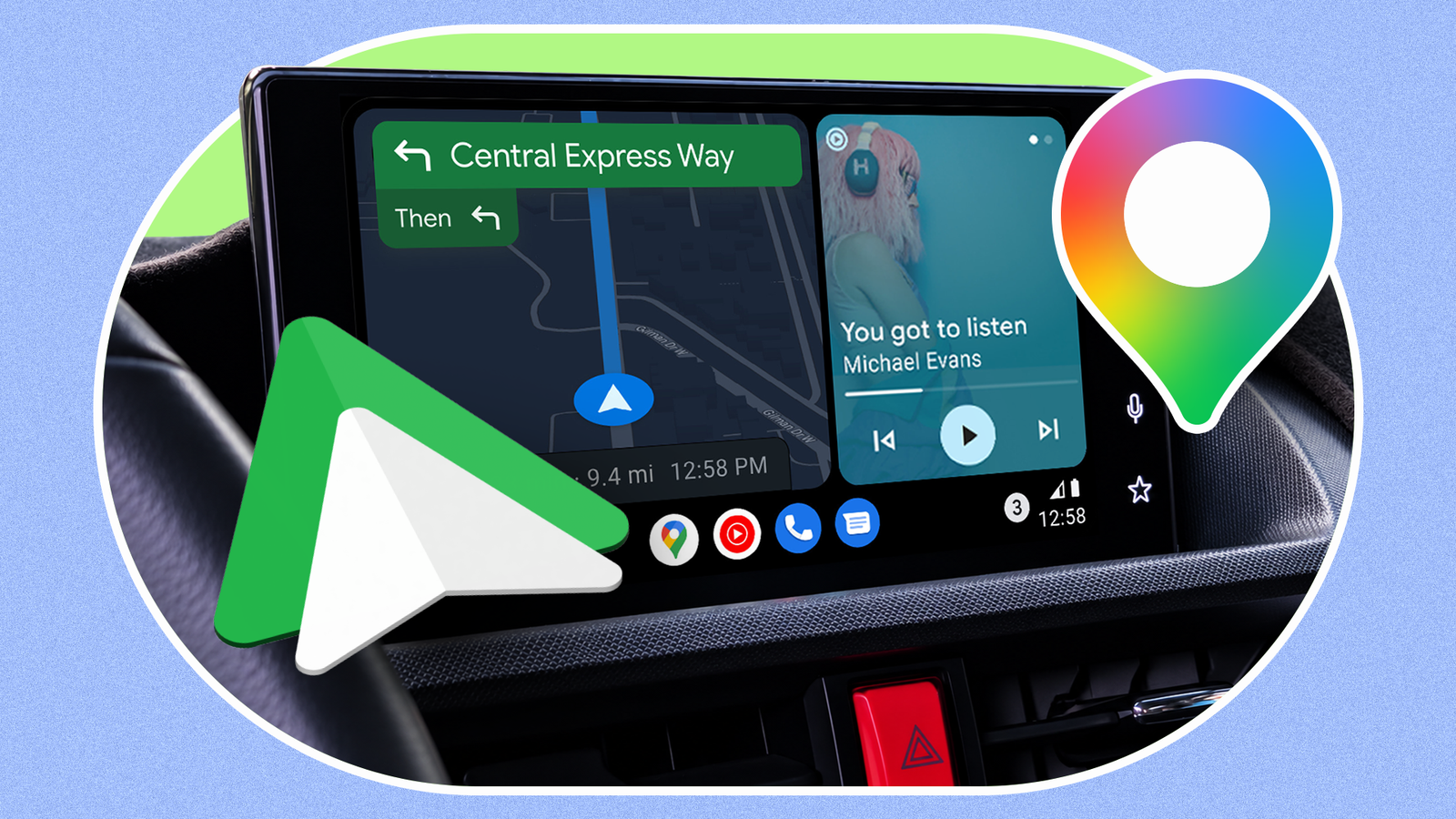
If you've used both Google Maps and Waze, you likely know Waze is the better navigation app for real-time traffic alerts and more aggressive traffic avoidance.
However, that doesn't mean that it is always superior on every route or trip.
Over the years, Google Maps has blossomed from a basic travel service into a reliable driving platform.
I've been using both Maps and Waze extensively for a few weeks, even on short-haul trips through rural and urban areas, to see if Maps can finally replace Waze as my primary navigator.
I was genuinely surprised by the result.
What I look for in a navigation app
A long road test helped me realize which app actually drives better
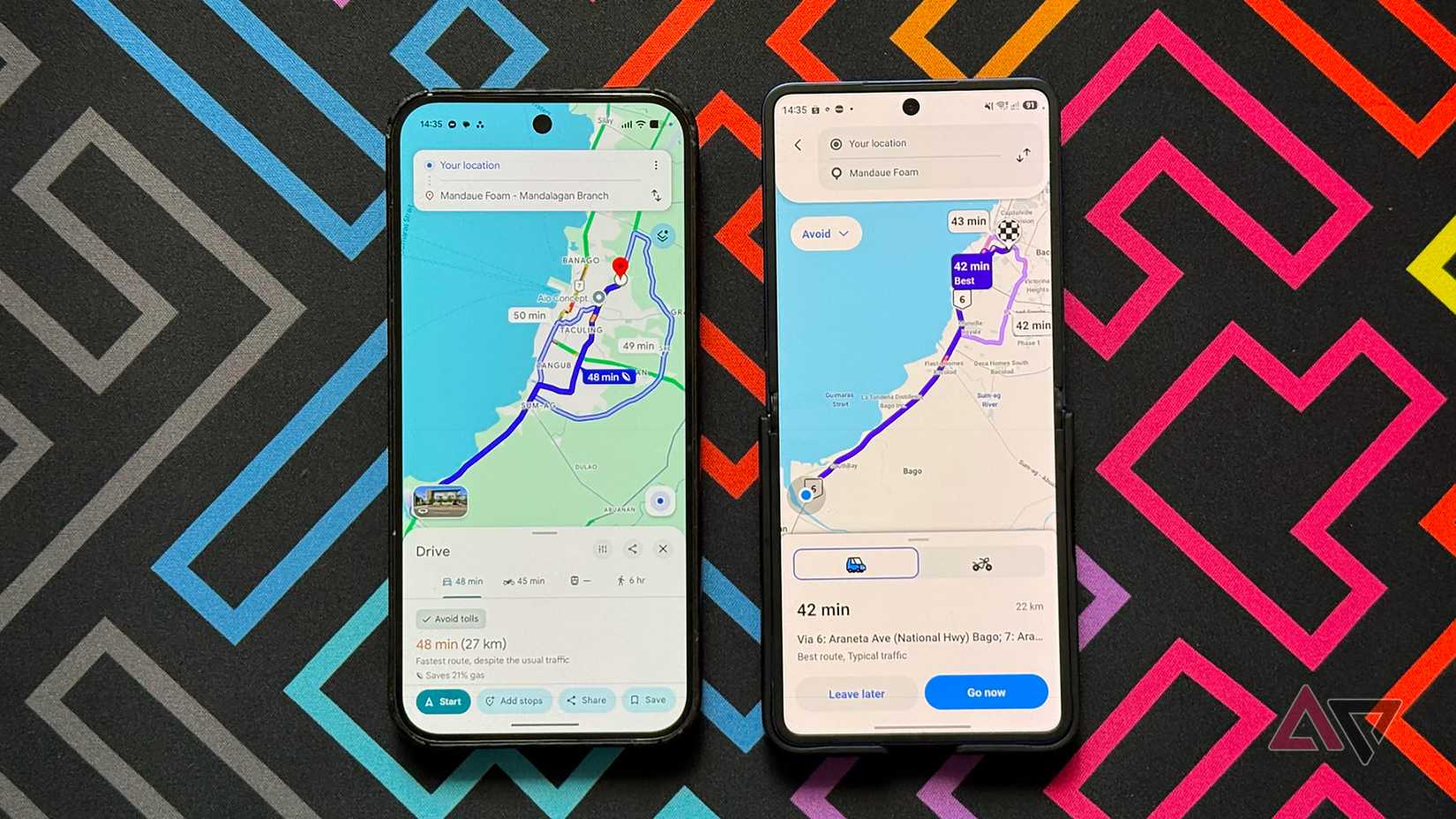
My setup was simple: I had both Maps and Waze running every time I drove.
I kept Maps open on my Google Pixel 9 Pro XL and ran Waze on my Samsung Galaxy Z Flip 7.
I launched both apps before hitting the road and made sure my handsets had active internet connections.
I occasionally alternated between them on Android Auto via the vehicle's dashboard display, but most of the time they were running as is.
The routes were a diverse mix of rural stretches that buried urban areas.
My longest trip was over 200 miles, while the rest were separate, shorter drives that added up to more than 500 miles.
My criteria focused on three pillars: , , and you can use on the go.
I know that's not a laboratory benchmark for determining which software is superior behind the wheel.
In reality, though, most drivers need an app to get from point A to point B, show the quickest route, and offer seamless hands-free flexibility while their eyes stay glued to the road.
Maps is better at cues and alerts
A smarter, calmer driving assistant
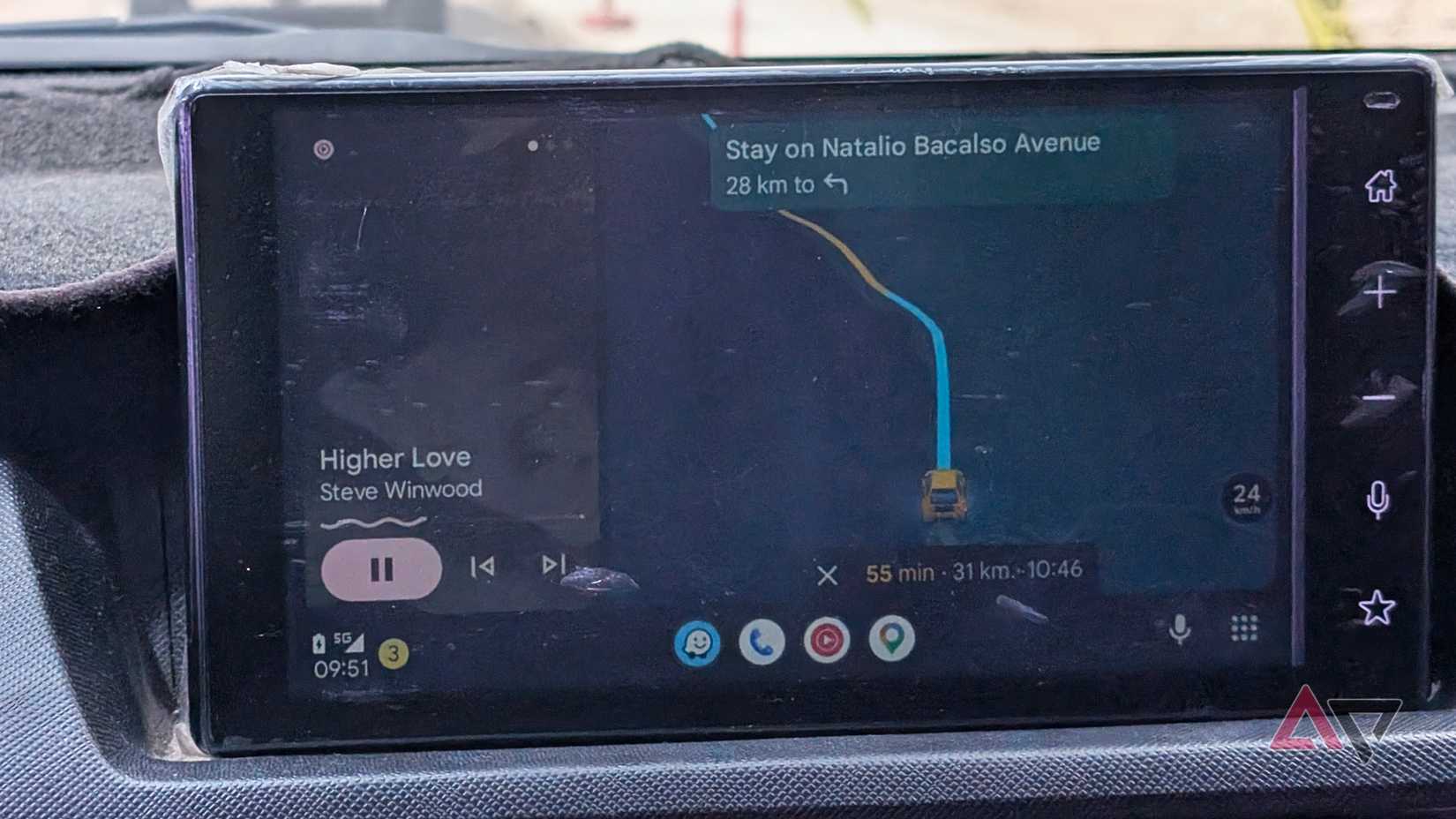
On longer journeys, especially across expansive stretches of highway, Maps noticeably outshines Waze.
It delivered more dependable lane assistance and turn-by-turn prompts across both visual and audio cues.
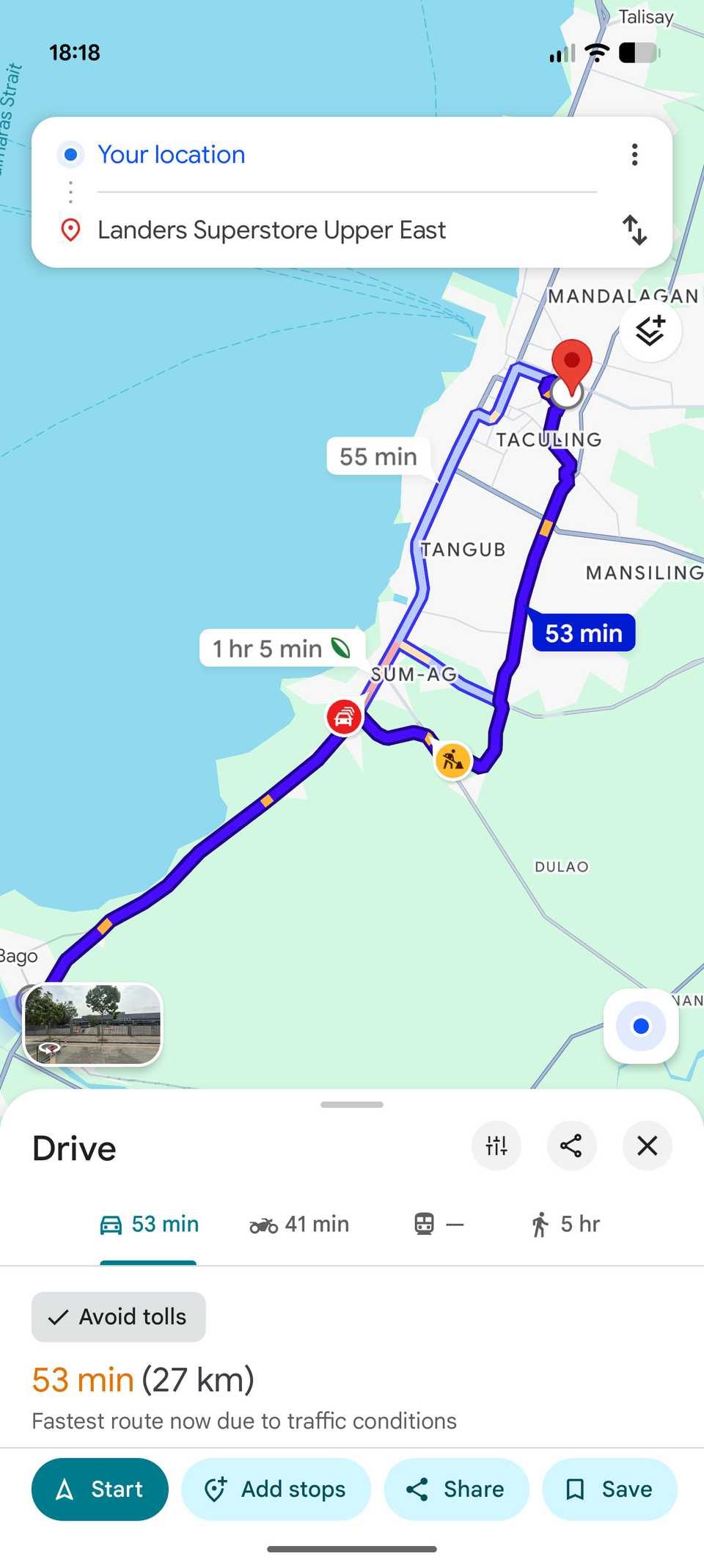
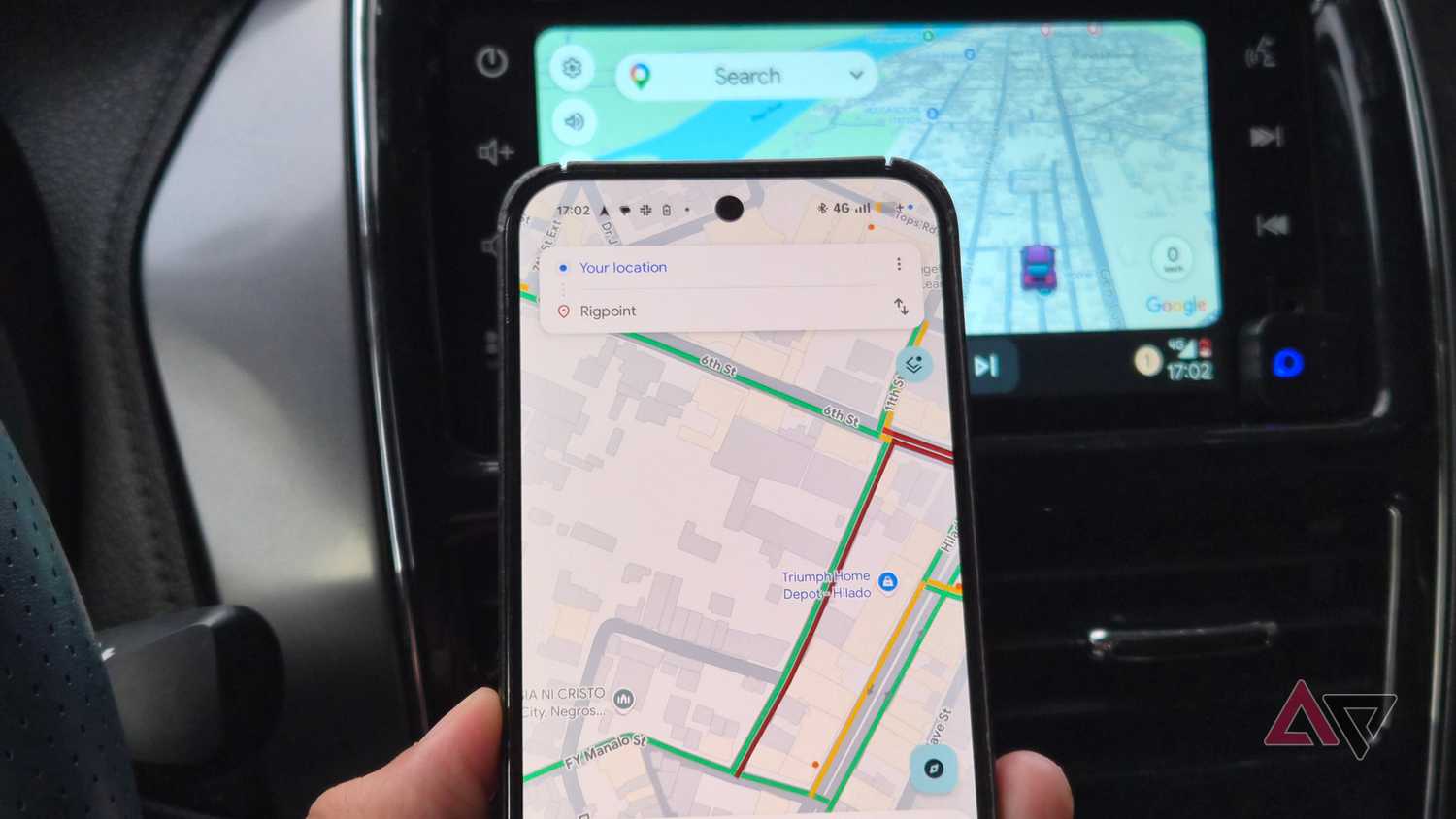
I could get a hint of the path ahead and see which upcoming sections were congested, usually marked in red. This frequently came down to active roadwork where only a single lane remained open.
This gave me an early heads-up on where to slow down or take cues that part of that road is under repair.
In Waze, most of those same jammed stretches weren't highlighted, which surprised me.
It often showed active traffic density only when I passed through heavily populated areas or sections. That's frustrating when traversing unfamiliar roads.
That omission also showed up during my city driving, where Waze routinely failed to mark choked intersections, while Google highlighted them in red.
Beyond visual indicators, Maps provides much more natural voice guidance.
It serves it in stages, such as when turning or when I need to merge or diverge.
Waze, on the other hand, felt more rigid, often waiting until the last second to issue a single instruction near an intersection or turn.
That small window makes it easy to miss an exit.
I'm tired of Waze's frantic detours
Maps has a conservative routing, but it's consistent
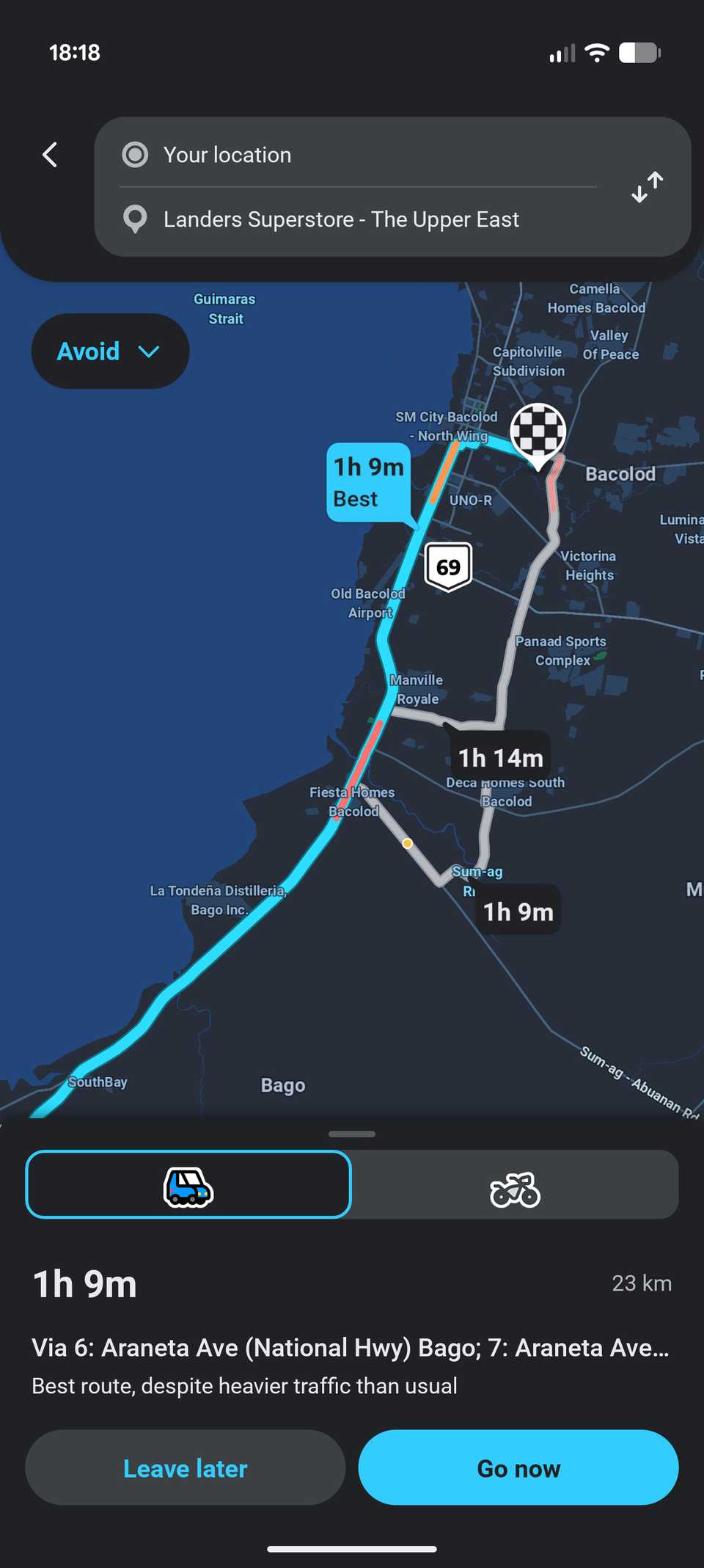
For many years, I preferred Waze for downtown driving, especially during rush hour and busy holiday weekends when more cars are on the road.
Its dynamic rerouting has traditionally been its biggest feature. It quickly calculates alternatives and automatically diverts when a sudden roadblock or incident appears.
Once, I followed its frantic advice and ended up wedged in a narrow alleyway, where I had to stop every time an oncoming vehicle squeezed past.
I assumed that was an isolated fluke, but on subsequent trips, Waze repeatedly rerouted me down choke points.
With Maps, the routing is considerably more predictable. What I like most is that most routes stay consistent unless something unexpected happens.
I also noticed that across most of my drives, Maps delivered a much more accurate arrival time and distance estimate.
A few minutes or a few hundred meters might sound minimal, but it becomes crucial when you are racing against a tight schedule or trying to catch a meeting or flight.
Gemini works wonders behind the wheel
I manage stops and routes without lifting a finger
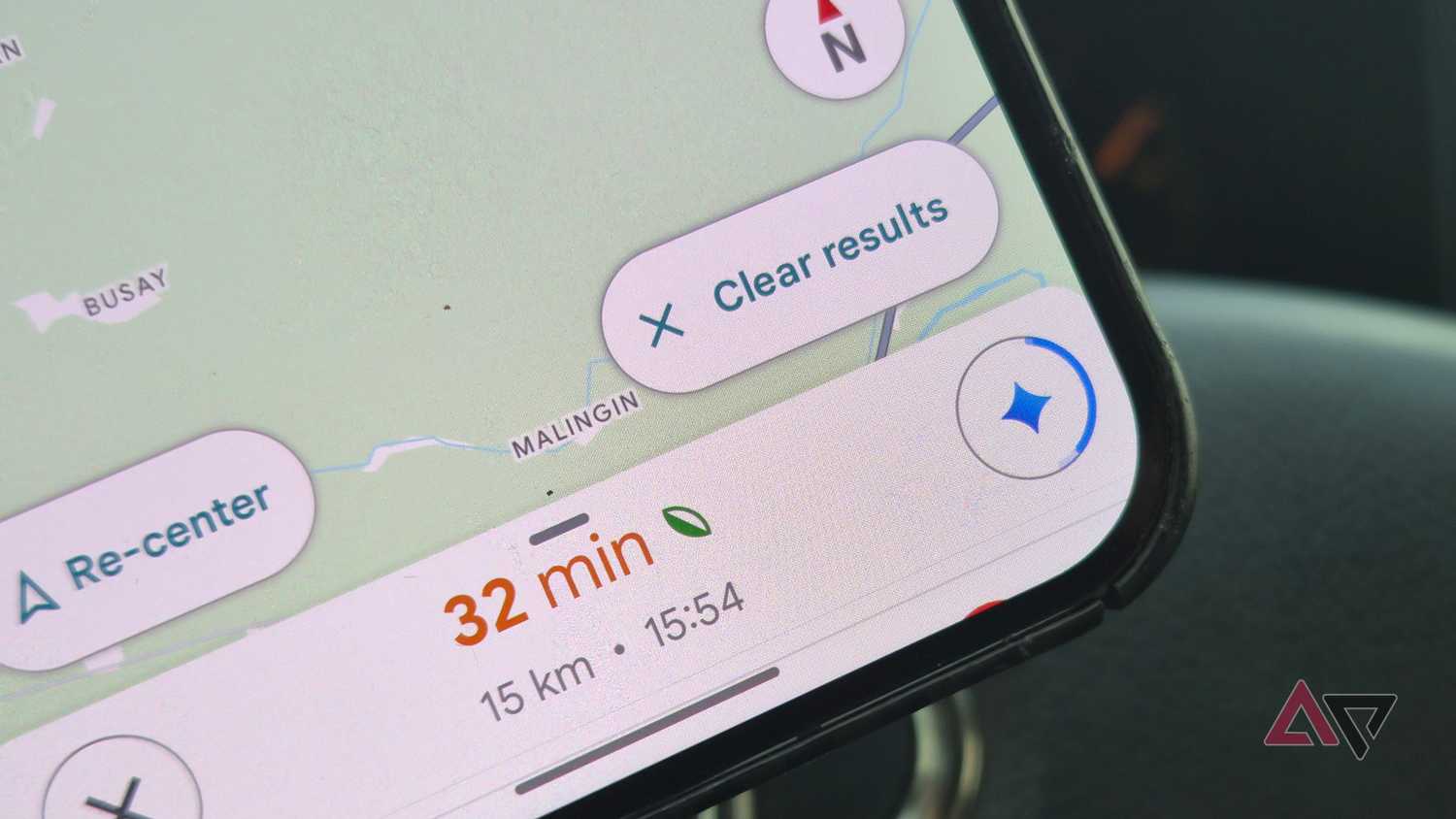
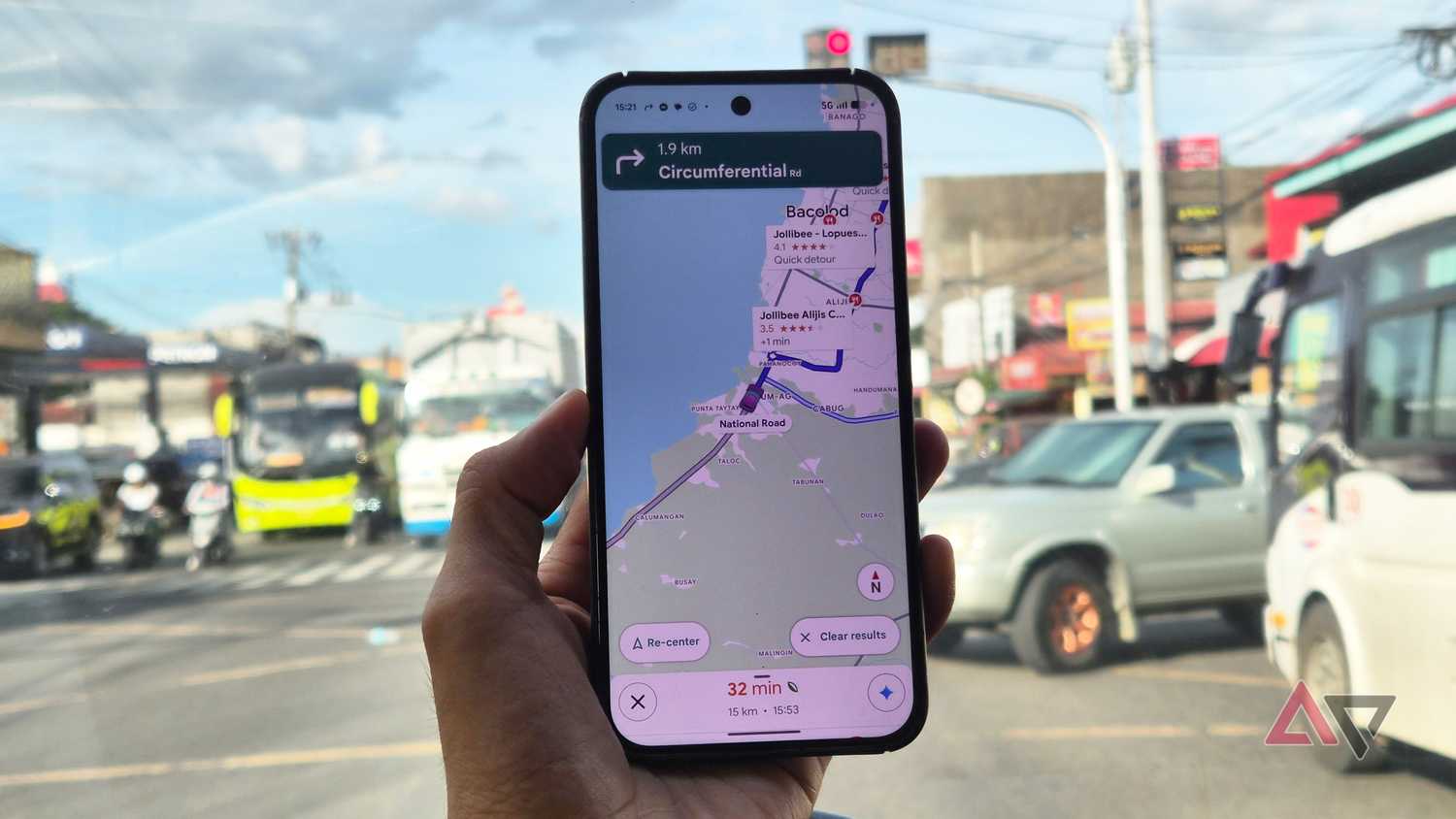
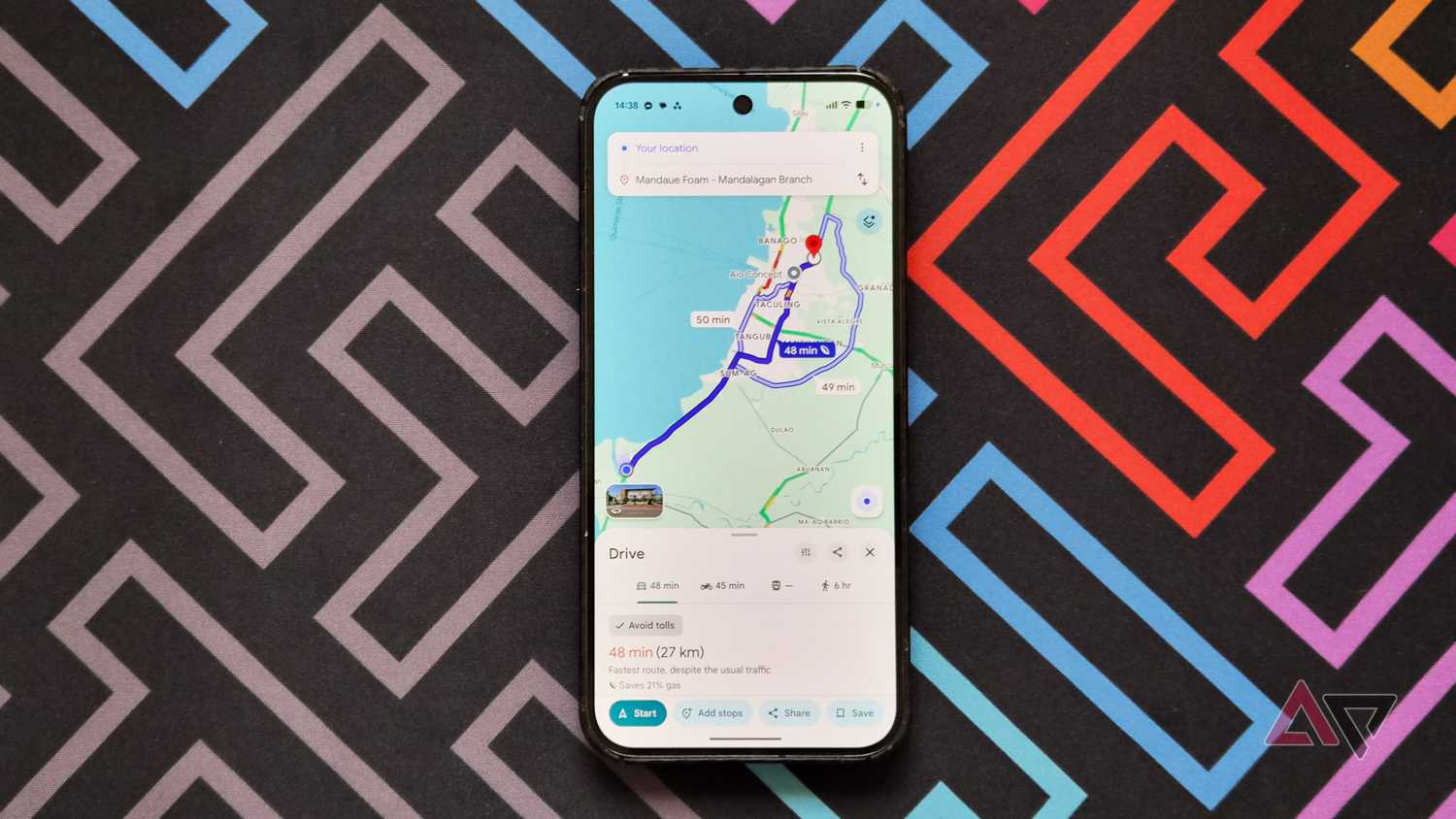
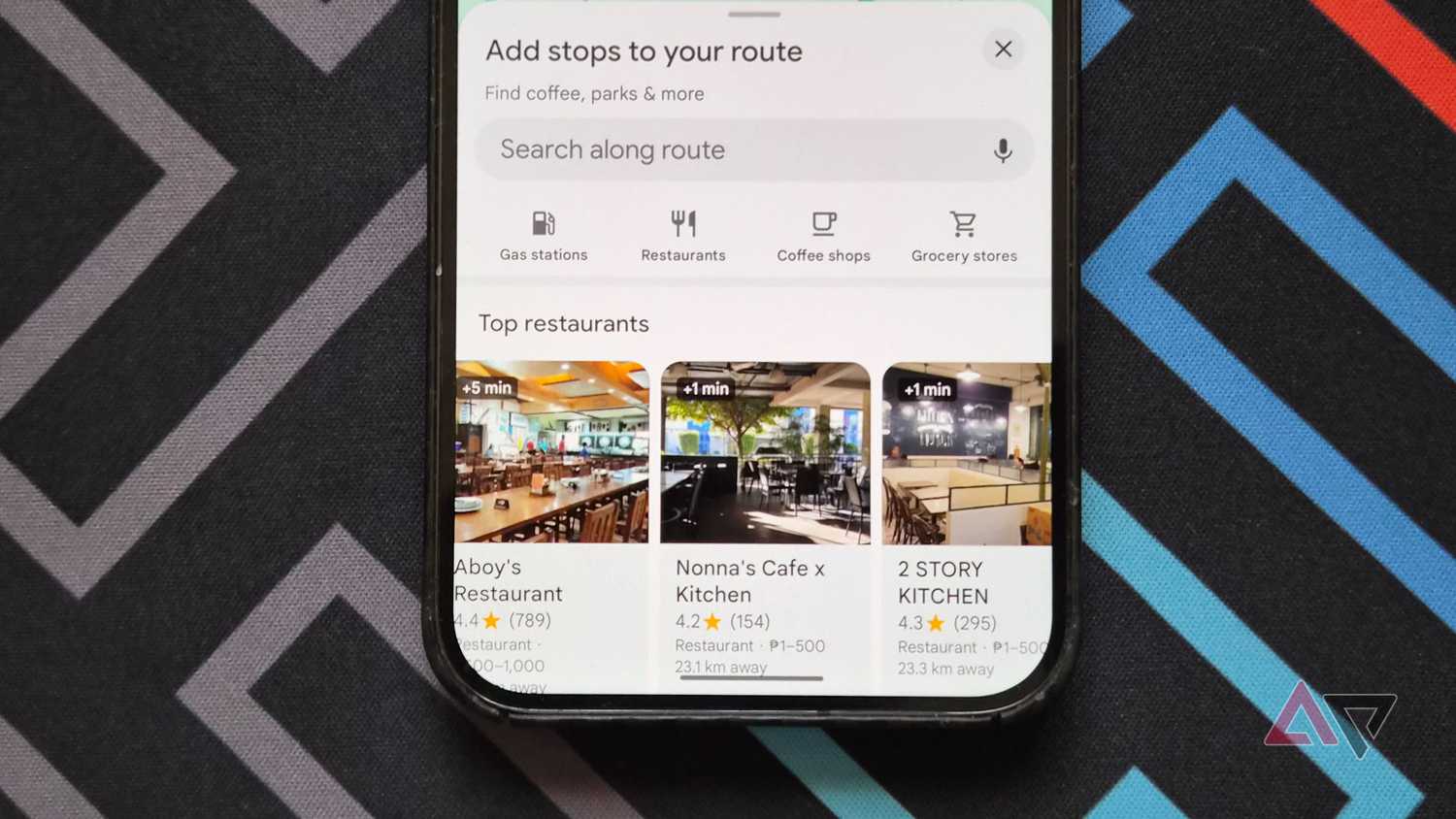
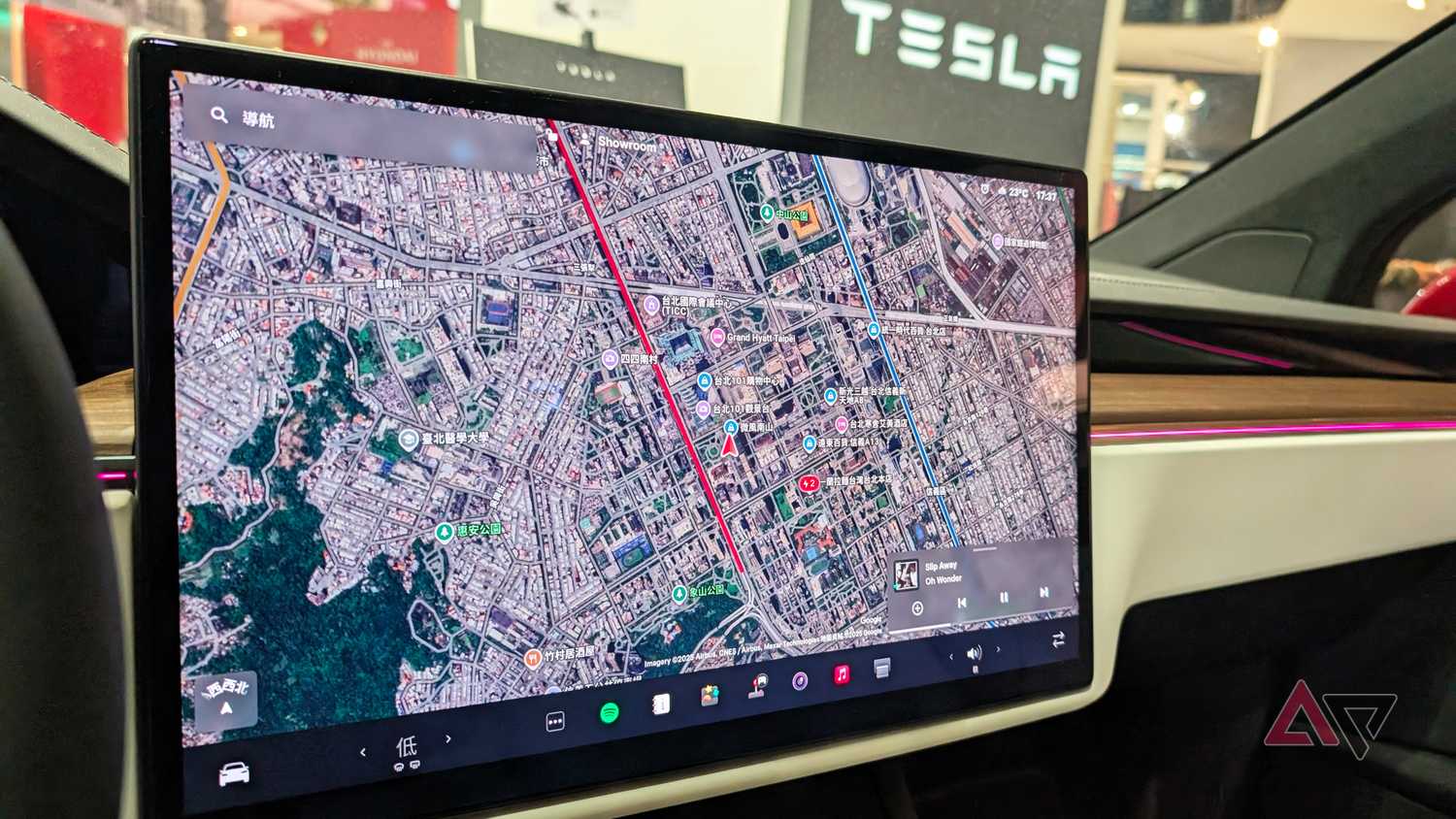
Another major reason Maps won me over on these trips was the driving assistant.
It works natively in Maps, the same model as the standalone app.
That brings hands-free voice control to the dashboard, which proved invaluable on every trip.
I now open Gemini when I need to recalculate routes or add and manage stops.
I also set Gemini to scan real-time hazard alerts and handle incident reporting. That eliminates the screen tapping when rerunning routes or managing stops.
That's a stark difference from Waze, which is purely a navigation app. Although it has Gemini integration, it's limited in incident reporting, which uses natural language to understand questions and prompts.
I also understand it's aimed at simplicity and straightforwardness for dive navigation, but options are always welcome.
Maps has evolved into a complete platform
Waze still has its niche for aggressive rerouting and incident alerts, which other commuters and drivers prefer. But when it comes to choosing an all-around driving navigator, Maps takes the crown.
Google spent years turning it into an exceptionally reliable platform that goes beyond a travel app for finding points of interest.
Beyond dependable lane guidance and conversational Gemini integration, Maps also offers excellent offline map support and richer navigation previews that make it harder to replace.