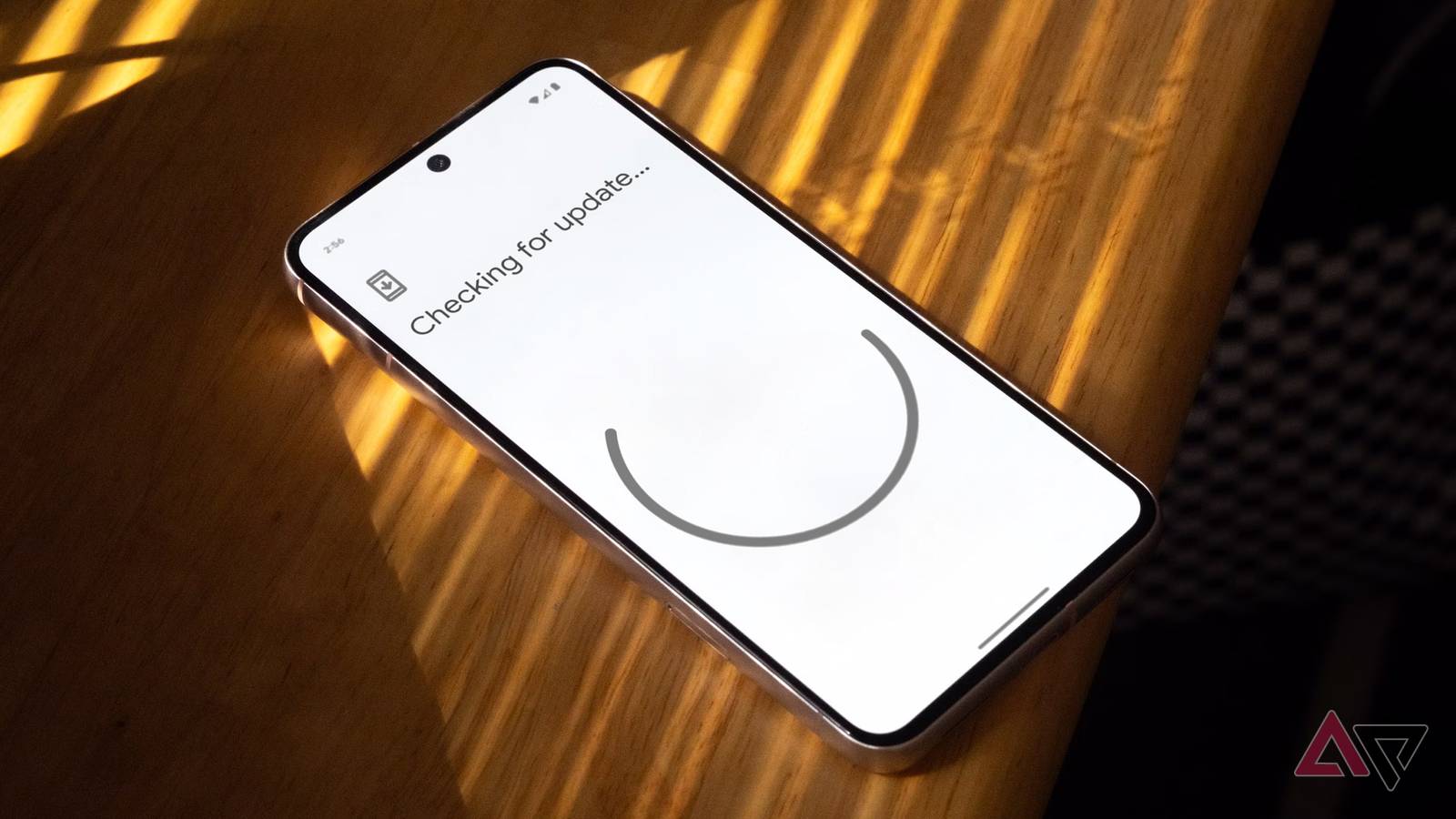
Android is my go-to mobile platform for several reasons. I like to customize my home screen, choose from different phone brands, and have more control over my phone.
There's a phone for every budget, whether you want something very affordable or high-end.
Using Android also has its share of frustrations. Sometimes software updates get delayed, have many preinstalled , and switching between phone brands might mean relearning how to use a phone.
Google and Android device makers have made improvements. Now there is more software support, apps have more compatibility across different Android device screens, and connectivity has improved.
Several everyday issues still need to be addressed, and they're far from resolved.
Android software updates are still frustrating
7 years of support won't fix slow rollouts
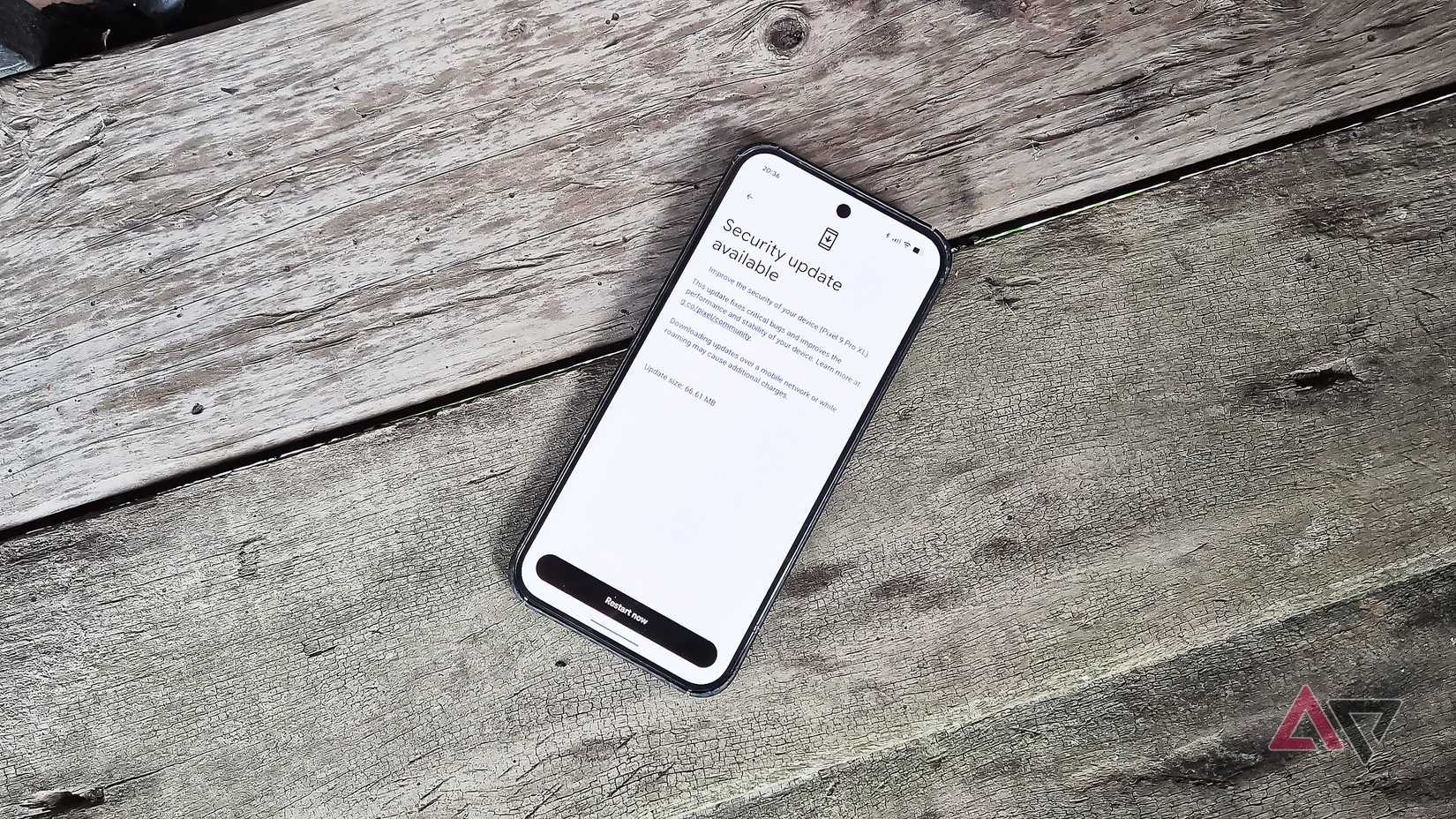
Waiting for Android operating system updates can test your patience sometimes. After Google publishes a new version, it's made available to Google Pixel phones first, followed by an additional period for other manufacturers (Samsung, Tecno, Xiaomi, and Motorola) to finish development and publish the update.
Updates are not instant. Different manufacturers support different device lineups and have different rollout timelines. Still, some timelines for certain devices are unpredictable.
Software consistency varies across devices with similar versions. One user could be using the new Android version, while another is still waiting for the update. You could miss out on features for an extended period while others enjoy them.
There's been some progress. Google provides seven years of for the Pixel 8 and onwards. That's a significant improvement over the relatively short support cycles many older devices had. Other Android manufacturers have also started extending support to a wider range of devices.
Still, a long support promise only tells half the story. What users really want is for those updates to arrive on time. The updates should be a fundamental part of phone ownership.
I don't need manufacturers filling my phone with apps I never asked for
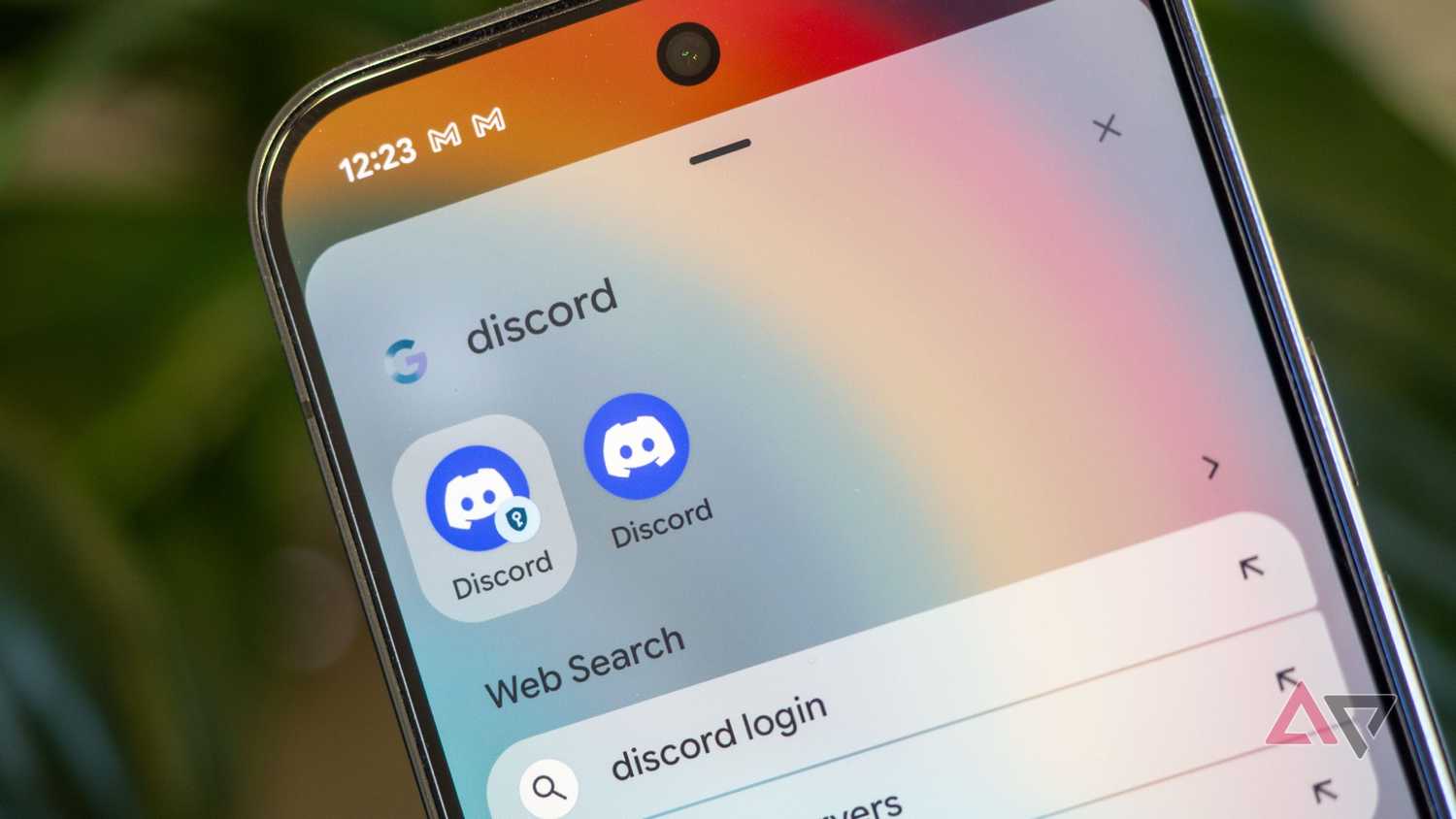
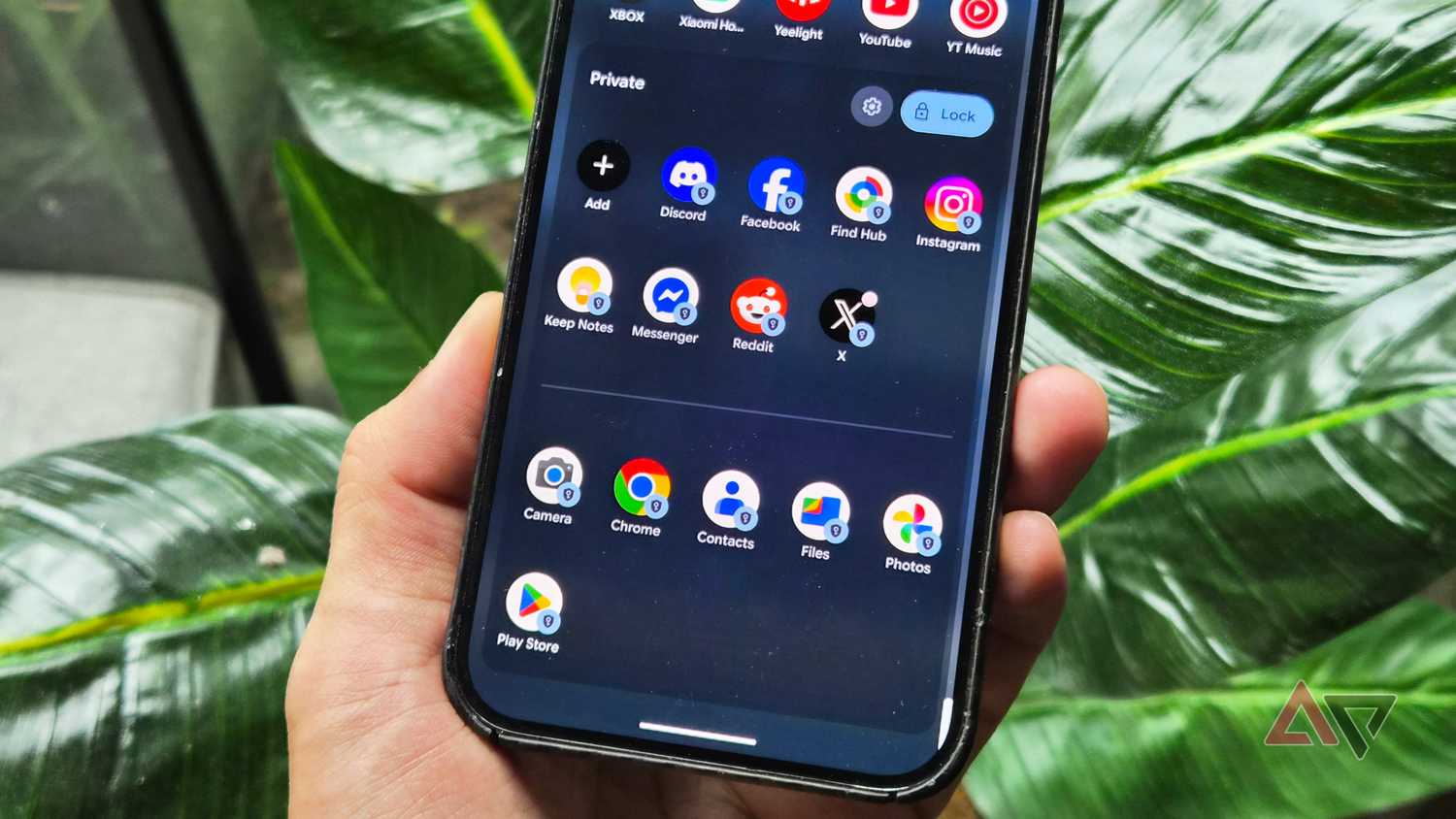
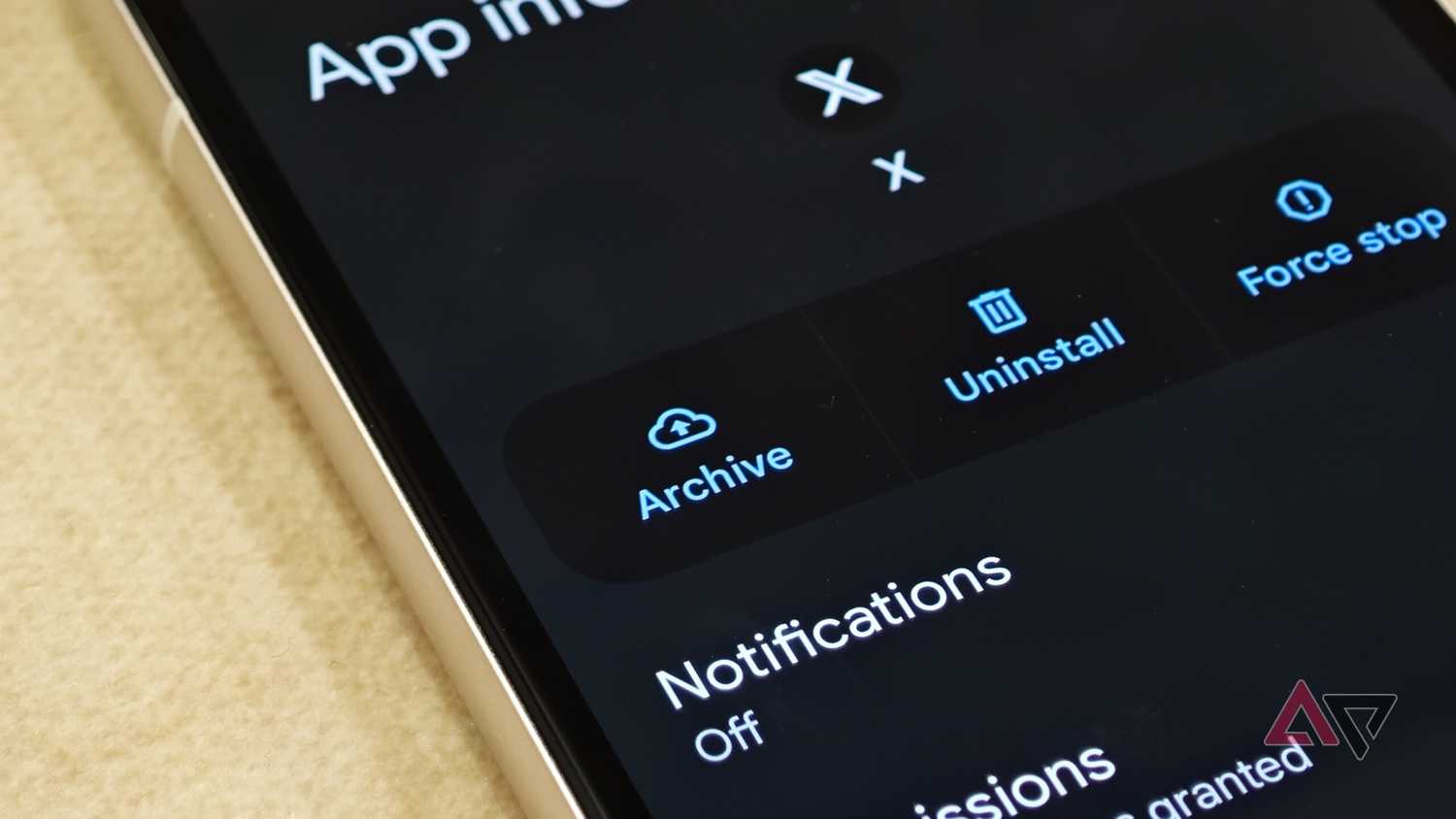
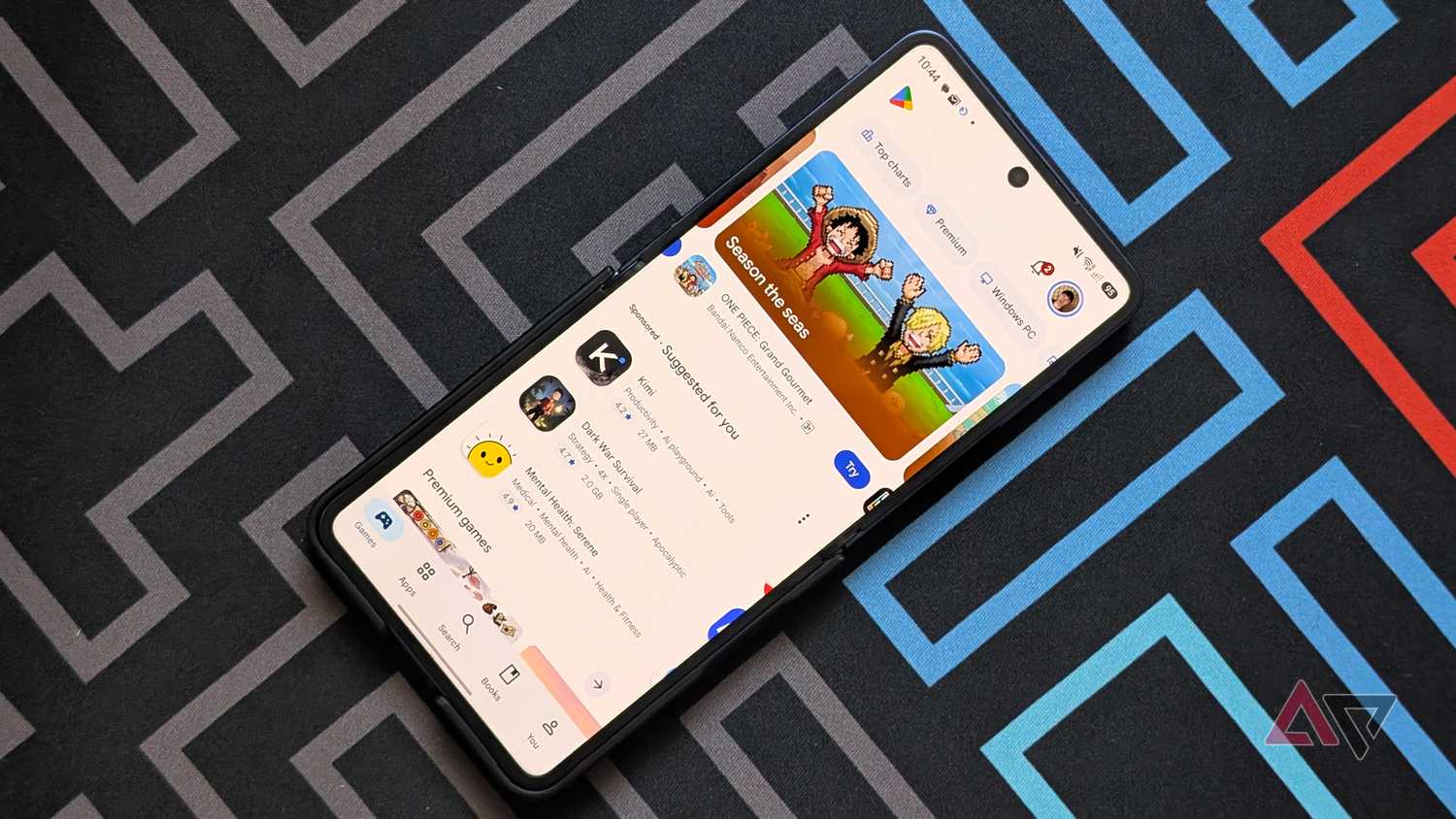
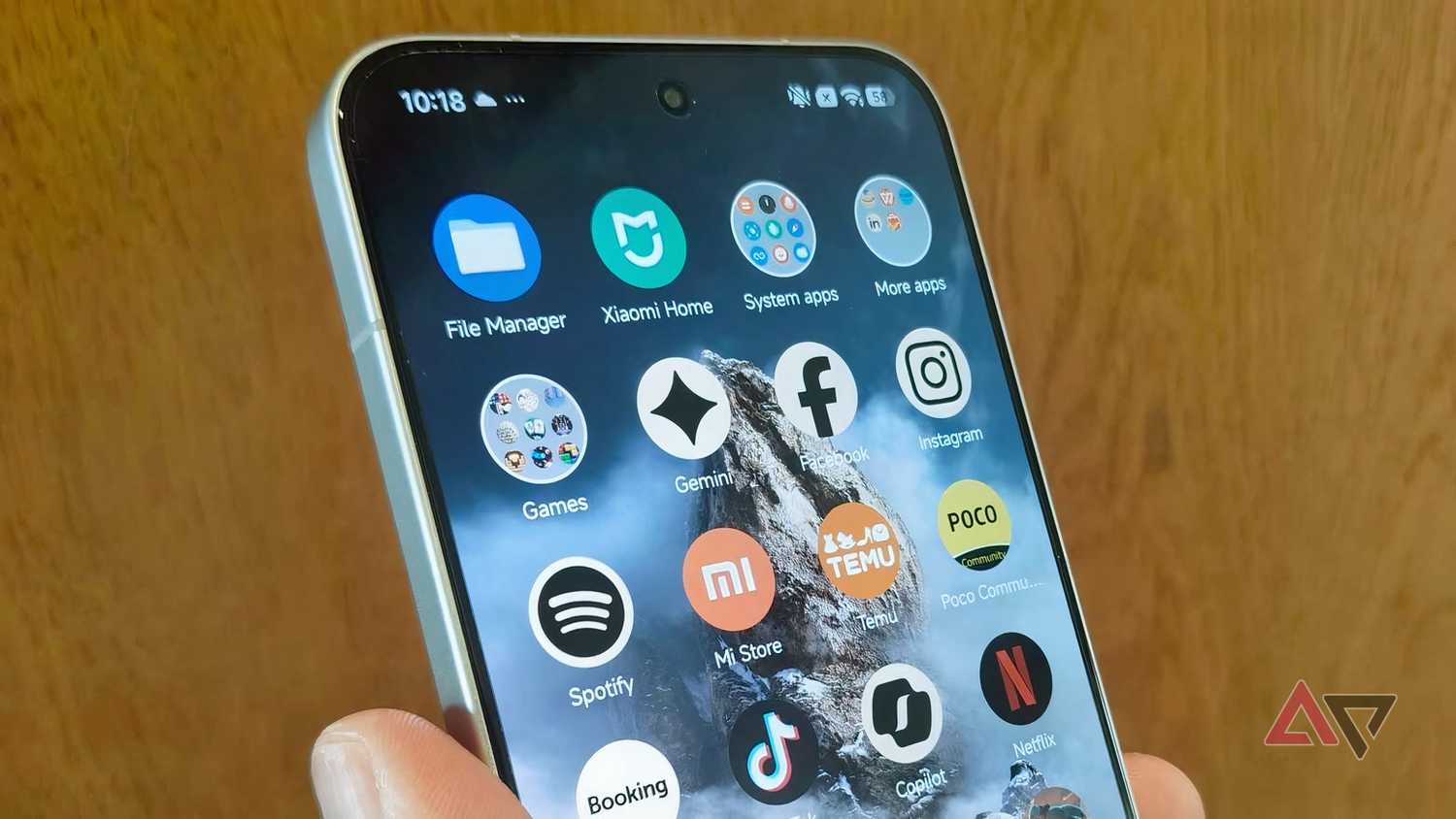
Buying a new Android phone means I'll run into several preinstalled apps. Some are from the manufacturer; some are from partners.
Samsung, for instance, has its own browser, app store, and notes app. Xiaomi, Tecno, and several other brands also have their own versions of the standard apps.
Some of these apps are genuinely useful. Others are reinventing the wheel in terms of functionality. I don't need several music players or file managers vying for my attention when one good one is enough.
The bigger problem is when they send me notifications I didn't ask for, show me recommendations I don't want, or eat up my storage.
I often have no idea which apps I can turn off. Some preloaded system apps aren't removable through the phone's settings.
I understand why the manufacturers would have their own software. It's a way to differentiate their phones, and some apps use built-in features. That doesn't mean every app has to be there by default.
A new phone should let the user choose which extra apps they want. If the manufacturer includes their browser, notes app, or music player, there should be a simple way for the user to remove it.
Essential system apps are one thing; optional apps are another, and they shouldn't be hard to remove.
Android settings shouldn't feel different on every phone
Switching Android brands can mean learning the settings all over again
Android is interpreted in many ways. Manufacturers develop their own interfaces. For example, Samsung's One UI, Xiaomi's HyperOS, and . Each also has different designs, features, and settings.
Giving phone hardware some personality has benefits. A Samsung phone should feel different from a Tecno or Motorola phone. It gets annoying when that personality goes too far, and I can no longer recognize features as part of Android.
For example, the Settings menus: What is simple on one device can be very complex on another. They can name the settings their own way and organize them into submenus however they want. Permissions, battery, control settings, and the like vary from device to device.
Google doesn't have to tell every brand to use the same interface (otherwise Android would be rather boring), but it should ensure that basic features work consistently across brands.
Android still has a cross-brand compatibility problem
I shouldn't have to check compatibility before buying accessories

Android tools like Quick Share, Google account sync, and Phone Hub (to link your phone to your Chromebook) help devices work together. However, your experience will depend on the device.
Samsung has its own connected features for the Galaxy range (phones, tablets, watches, and earbuds). Other brands have their own services too. They generally work well in their own ecosystem, but you can run into all sorts of issues if you start mixing brands.
For example, can handle basic audio and calls with phones from other brands, but features like Auto Switch and 360 Audio only work on Samsung devices. To use Auto Switch, you need a Samsung phone or tablet signed in to your Samsung account.
The basics work on any phone, but the best features shouldn't depend on which brand you choose. I wish more of these features worked for everyone.
The same applies to connecting a tablet or a smartwatch. I shouldn't have to check compatibility every time I get a new device.
The Android experience should be more consistent across brands
I like that Android phones come in all sorts of designs, with all sorts of features, and at different prices. I don't want Google to take that away by having every phone be the same.
However, some things should be the same across all Android devices. Updates should arrive on time for all supported devices.
I should be able to as I want, and the basic settings should be easy to find no matter which brand I choose.
Getting the updates, apps, and basic settings right would be more useful than releasing another feature that most people won't use.