Positioned as a rival to Apple's new budget-friendly MacBook Neo, the Dell XPS 13 returns for 2026 with an all-new design and lower price point. It's a bold move, and while Dell doesn't quite stick the landing, the end result is still a solid choice of laptop for anyone who prefers Windows over macOS. Battery life and display quality are great, and the all-metal chassis feels durable, if a bit less flashy than previous models. However, it falls down a little when it comes to pricing, and the base configuration is somewhat underpowered, further compounding the price issue.
Why you can trust TechRadar We spend hours testing every product or service we review, so you can be sure you're buying the best. Find out more about how we test.
The new Dell XPS 13 (2026) is a shift from Dell's usual modus operandi, finally bringing the premium-quality XPS line down to a more affordable space. If that sounds familiar, it's because Apple did the exact same thing earlier this year: the arrival of the MacBook Neo has shaken up the laptop market, and evidently left other manufacturers scrambling to front their own competition to Apple's new wallet-friendly MacBook.
But before I delve into how effective a frontline soldier Dell's new effort is in the never-ending battle between Windows and Mac, it's time for a brief history lesson: the lore of XPS, if you like.
Dell's XPS brand was unceremoniously killed off last year, before being suddenly resurrected at CES 2026, presumably because their executives realised that shuttering your single most iconic and well-loved brand is a bad idea (shocker, I know). But as I mentioned above, the return of XPS has seen a paradigm shift; while the Dell XPS 14 and XPS 16 are still the pricey, high-end laptops I've come to expect from the XPS lineup, the new XPS 13 is an entirely different beast.
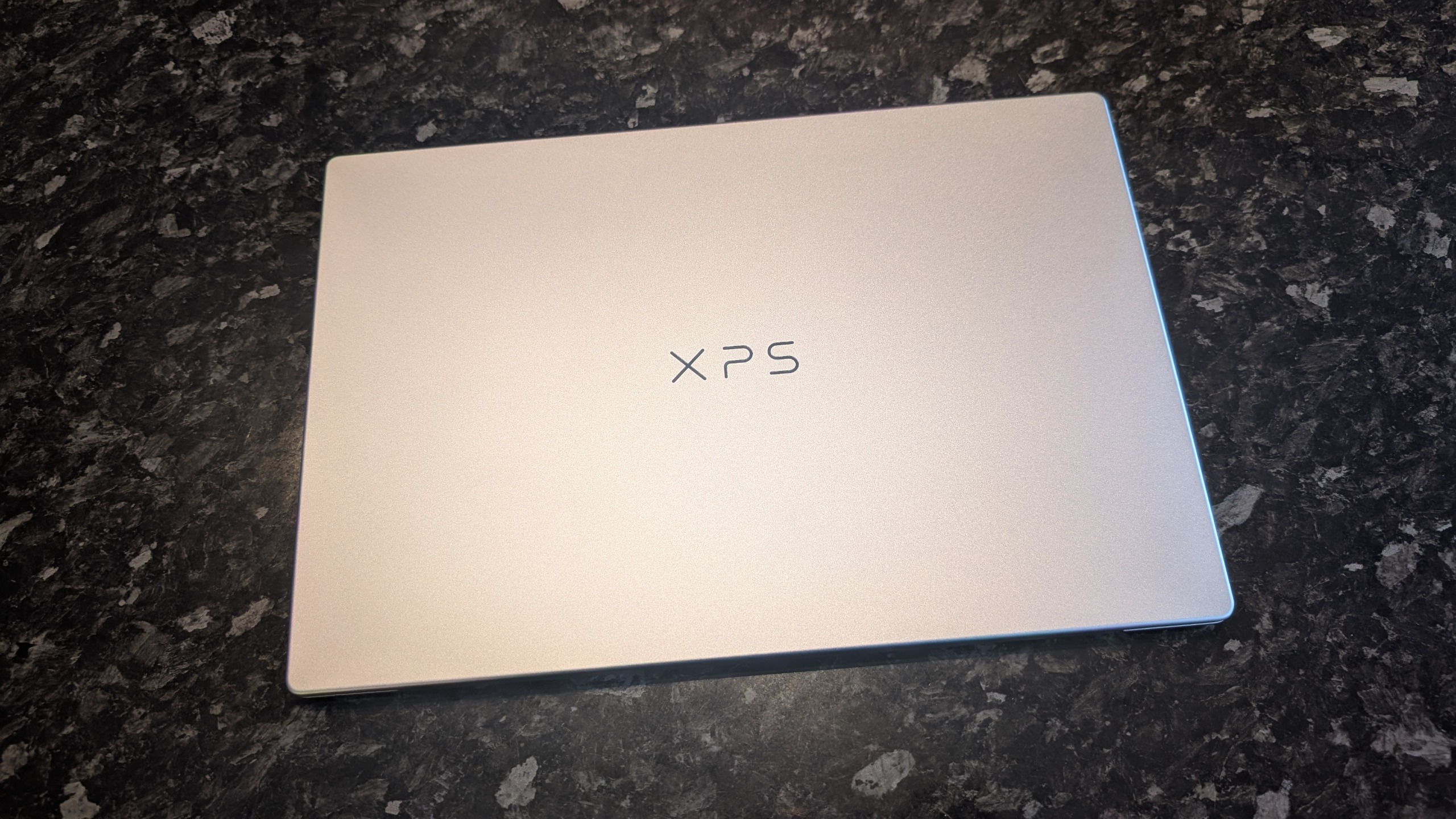
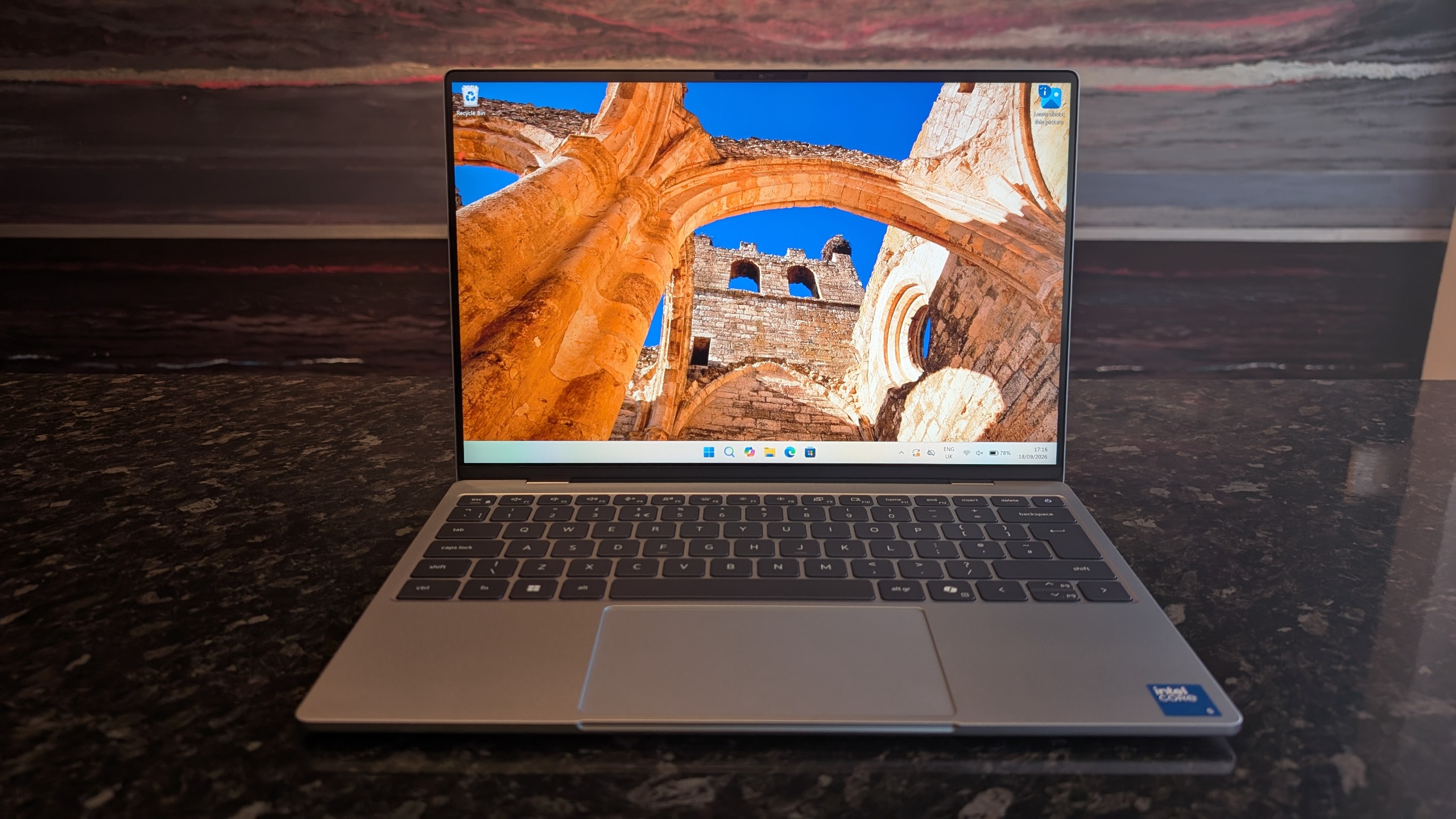
It's still identifiably an XPS laptop, there's no denying that. From the ultra-thin chassis to the all-metal casing and minimalist logo on the lid, you'd be forgiven for thinking at first glance that this was just another premium XPS model.
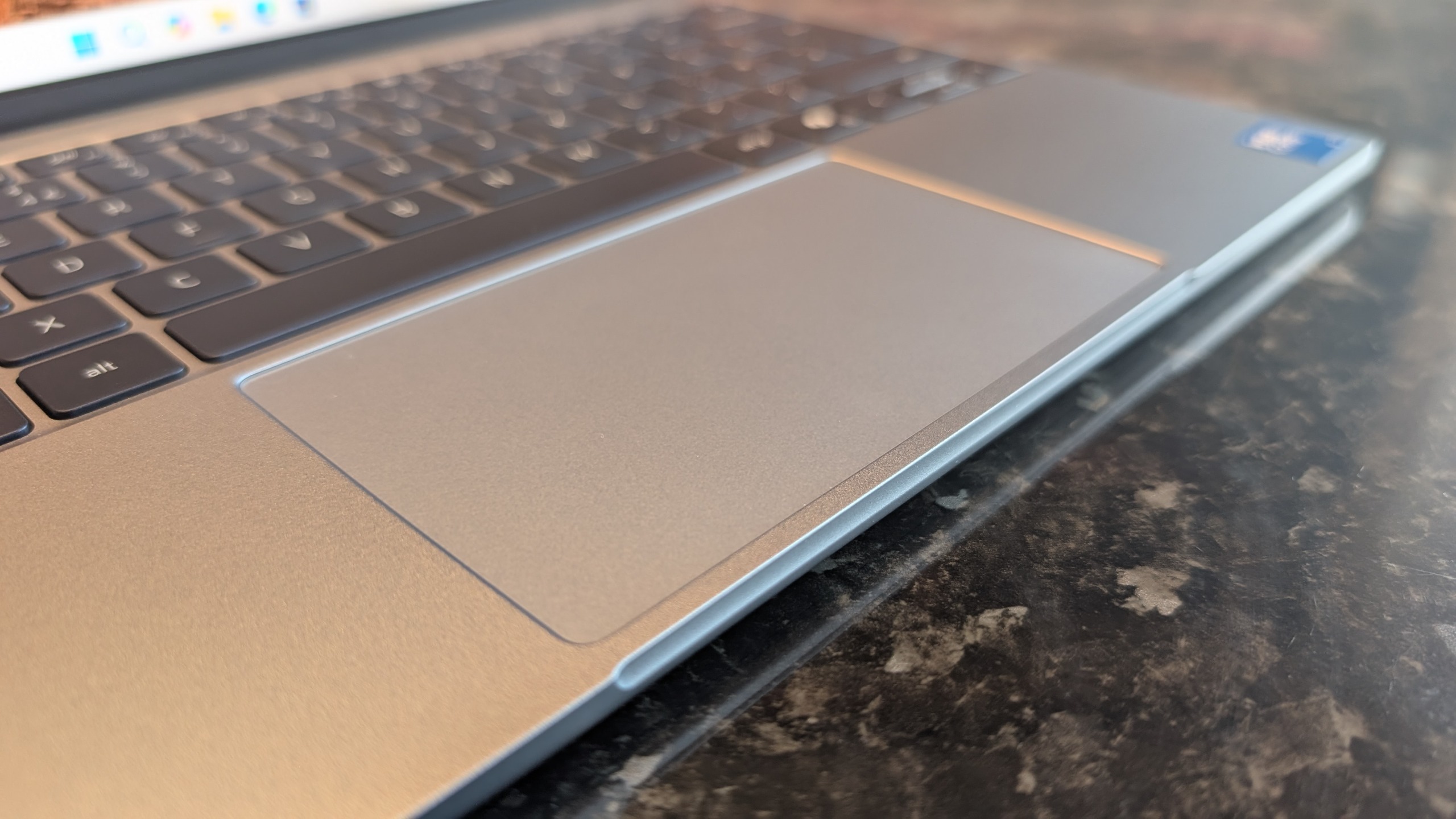
But opening up the laptop betrays its more budget-conscious nature immediately; gone are the giant, edgeless touchpad and zero-spacing keyboard seen on this year's 14- and 16-inch models, replaced instead by more traditional fare. The touchpad and keyboard here wouldn't look out of place on the average Chromebook.
A peek at the spec sheet further solidifies the new XPS 13's position as a MacBook Neo rival; a lower-end hexa-core Intel Core 5 chip and only 8GB of RAM in the base model all point to this being a more sensibly priced product.
I'll dig into the performance specifics later in this review, but the good news is that the lower-spec hardware doesn't render the XPS 13 dangerously underpowered. This laptop is perfectly capable of handling everyday work, even if it's not a performant powerhouse like its bigger siblings. The battery life is also excellent, and the display is very high quality for the price point. In short, there's a lot to love here.
Unfortunately, there are a few things that hold this new breed of XPS back. The base configuration features only 8GB of RAM, which is fundamentally insufficient in the current era of Windows software, and the measly port selection may prove frustrating for some users. It's also just a bit too expensive to be considered a true rival to the MacBook Neo.
Now, it's arguable that this isn't entirely Dell's fault. The ongoing RAM crisis, spurred by skyrocketing demand for AI data center hardware, is causing the prices of all kinds of computer components to spike sharply. Shifting to 8GB of RAM in the base configuration is very likely to be a cost-saving move. Overall, I'd say that this is a pretty solid effort from Dell – just don't expect too much from it.
Dell XPS 13 (2026) review: Price & availability
- Starts at $699 / £749 / AU$1,597.20
- Student discounts help a lot
- Available worldwide
Brace yourself: this is going to be one of the longest price sections I've written for a review in a while. There's a lot to talk about here, sorry!
Apologies to our readers outside the US: the pricing of the Dell XPS 13 beyond America is pretty damn awful, to the point where I'm worried it might have already scuppered any chance of this laptop being a genuine competitor against the MacBook Neo.
In the US, the base configuration comes with a 256GB SSD, Intel Core 5 320 processor, and 8GB of RAM. It'll cost you a very reasonable $699, or $599 with a student discount – in other words, exactly the same price as the 256GB MacBook Neo.
However, I'd generally struggle a little to recommend that version. 8GB of RAM is simply substandard for running software in Windows 11 these days, especially if you plan to run multiple programs at once. Stepping up to the safer recommended 16GB of RAM (which also mandatorily bumps up the SSD to 512GB) will cost you , already taking us a fair bit beyond the competing MacBook Neo. Of course, there's no 16GB version of the Neo available, but it's worth noting that the 'unified memory' used by Apple's laptops is a bit more efficient than traditional laptop RAM.
Outside the US, things start to look dicey. For starters, there's no 256GB SSD configuration available in Australia, with the cheapest available models starting at £749 / AU$1,597.20 – a far less attractive prospect after accounting for exchange rates. And if you want to bump things up to 16GB of RAM, you're looking at a fairly steep £1,099 / $1,897.50. My review unit is the 8GB UK configuration with 512GB of storage, which will cost you (though at the time of writing, it's already on sale for )
There are higher-spec models available, too, with the RAM configurable up to 32GB and the SSD up to 1TB, as well as the option to upgrade the CPU to a significantly more powerful Intel Core Ultra 7 355. This top-spec model will cost you $1,799.99 / £1,899 / $3,698.20 – and quite frankly, at that point you might be better served by opting for the more premium XPS 14. Configurations with the Core Ultra 7 processor also benefit from an upgrade to Thunderbolt 4-capable USB-C ports.
Overall, I'm not too impressed by the pricing of the Dell XPS 13, especially considering its market position as a Windows-toting rival to the MacBook Neo. There's certainly still an argument that it deserves a place among the best budget laptops (for buyers in the US, at least), but it's not the phenomenal value product I was really hoping to see when I first heard about it. Still, if you're a US shopper who wants a basic but effective laptop for work or school, it's not a terrible choice.
- Value score: 3 / 5
|
Base spec |
Max spec |
|
|
$699 / £749 / AU$1,597.20 |
$1,799.99 / £1,899 / $3,698.20 |
|
|
8GB LPDDR5X |
32GB LPDDR5X |
|
|
13.4inch, 2.5K (2560 x 1440), 120Hz, 500 nits, Touch |
13.4inch, 2.5K (2560 x 1440), 120Hz, 500 nits, Touch |
|
|
256GB M.2 PCIe SSD |
1TB M.2 PCIe SSD |
|
|
Ports and Connectivity |
2x USB-C 3.2 Gen 2; Wi-Fi 7, Bluetooth 6.0 |
2x Thunderbolt 4 USB-C; Wi-Fi 7, Bluetooth 6.0 |
|
52Wh |
52Wh |
|
|
2.2lbs (1 kg) |
2.2lbs (1 kg) |
|
|
11.7 x 7.9 x 0.5 inches / 297 x 201 x 13mm |
11.7 x 7.9 x 0.5 inches / 297 x 201 x 13mm |
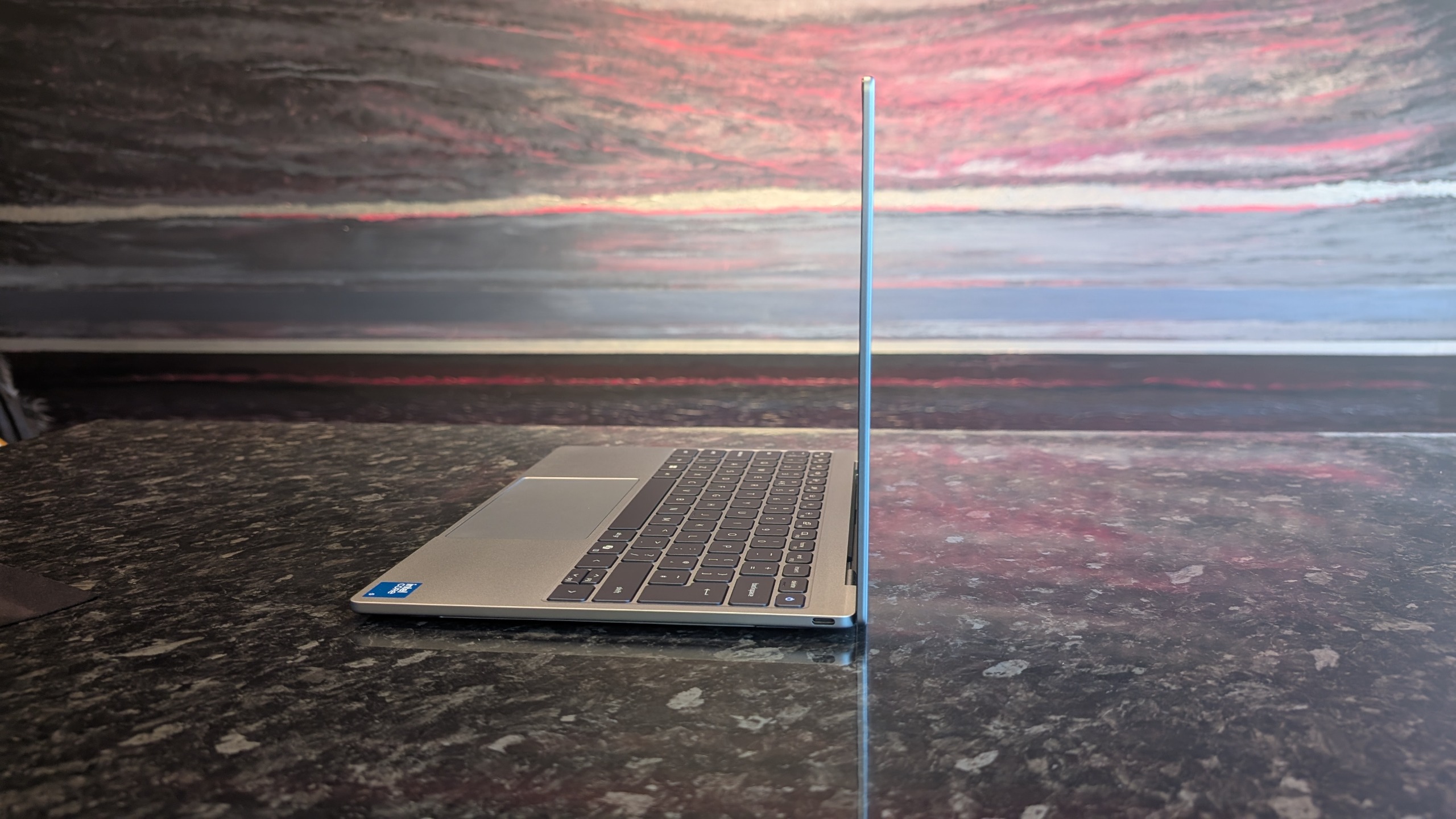
Straight off the bat, despite its aggressive redesign and shift towards more conventional aesthetics, the 2026 Dell XPS 13 still feels like a premium product. I might have complained about the pricing further up in this review, but considering that the build quality remains solid regardless of which configuration you buy, I have to admit that I'm very pleased here.
The entire chassis is machined from high-grade aluminum, making it highly durable without compromising on weight. The whole thing weighs almost exactly one kilogram, and combined with the 13.4-inch display's slim bezels, it's a very portable laptop indeed.
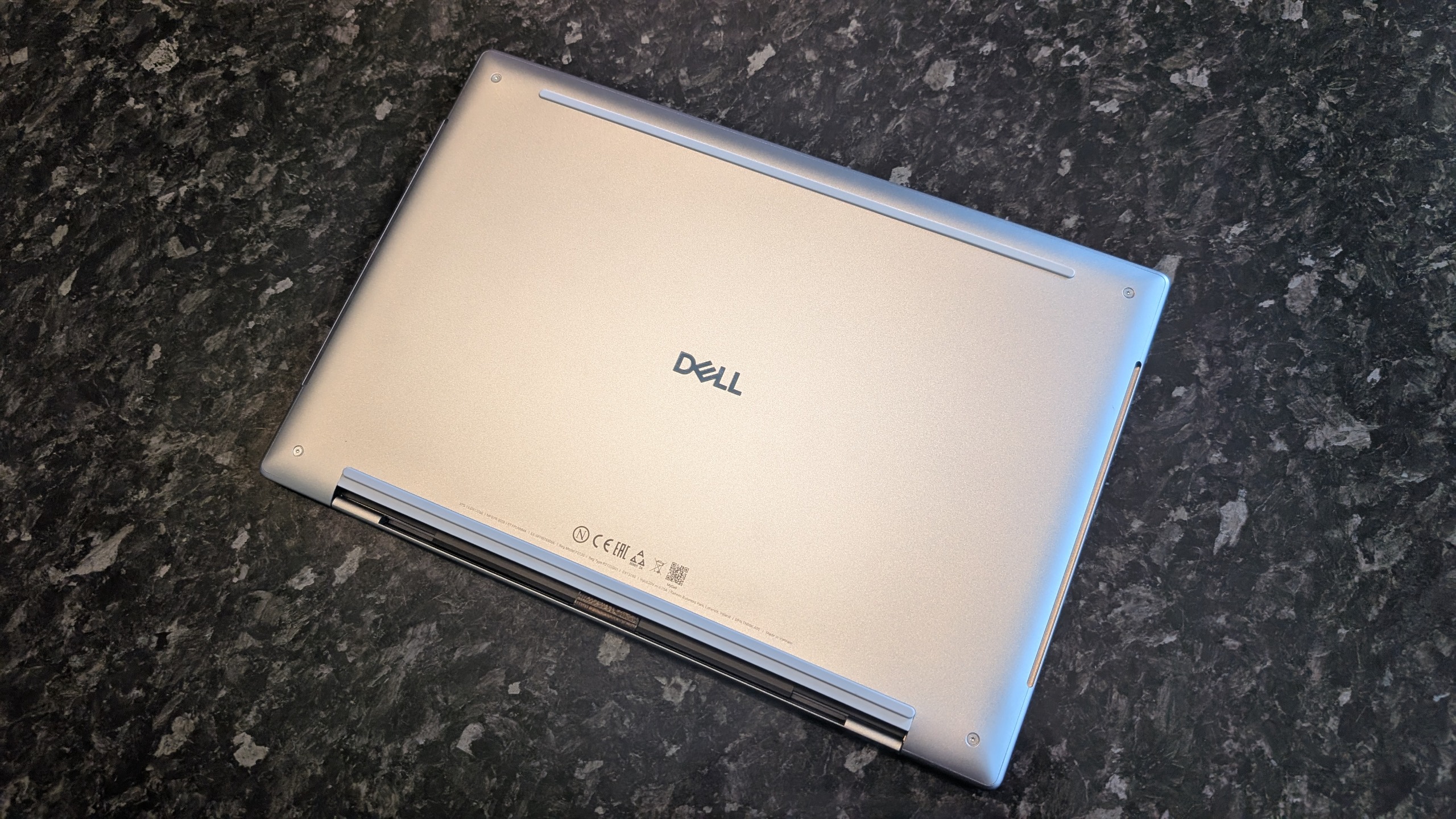
It's also impressively thin, measuring just half an inch thick with the lid closed. The casing has rounded corners and a smooth matte finish, which is reasonably good at resisting scratches and fingerprint marks. It's available in a few different colorways, all muted metallic tones, with availability varying between regions and configurations.
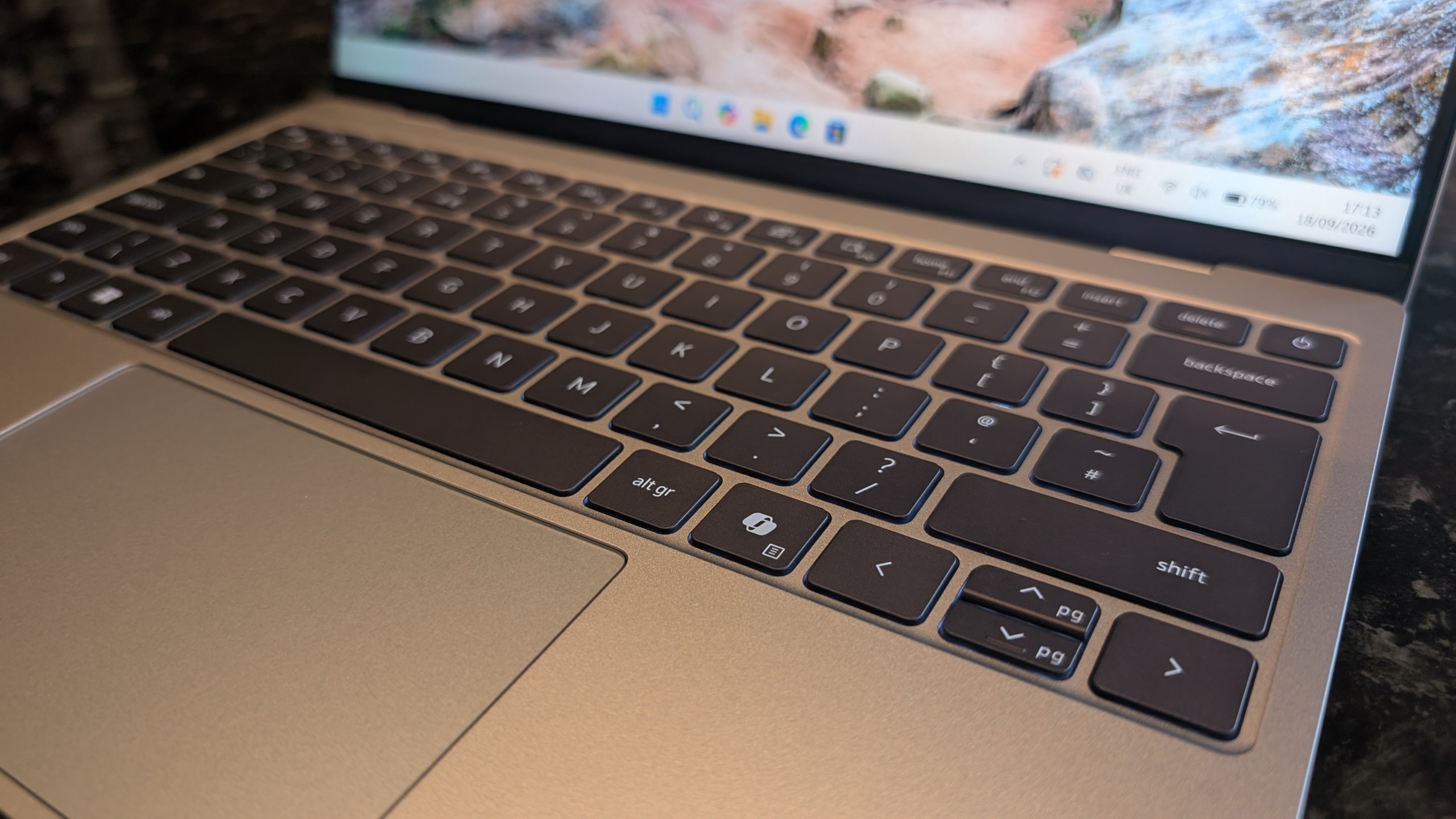
The keyboard and touchpad are totally different from what we've seen on previous XPS 13 models, now trending towards functionality over style. The LED-backlit keys are reasonably spaced, comfortable to type on even for extended periods, and have a decent amount of travel despite the laptop's ultra-thin design.
They're perhaps a spongy on full presses for my liking, with a bit of flex in the keyboard housing; something which I consider completely forgivable in a sub-$800 laptop, but might push some users towards the more premium typing experience of the XPS 14 or 16. Similarly, the touchpad has a satisfying click, but firm presses on the bottom corners feel a tiny bit flimsy – definitely not a dealbreaker for a budget laptop, but again, it gives me pause when it comes to recommending the higher-spec models.
Thankfully, some things haven't changed from previous models. The display is once again the star of the show here: a fantastic 2.5K touch panel, boasting good maximum brightness and impressive color reproduction, especially considering that the screen is the same regardless of which internal spec you opt for. If you get the cheapest configuration, you're getting plenty of bang for your buck when it comes to the display.
Looking at the rest of the physical design, it's all good without being spectacular. The speakers are integrated under thin slots on either side of the base and are reasonably loud for such a small laptop. Don't expect thumping bass here, but the volume is good without high notes sounding tinny.
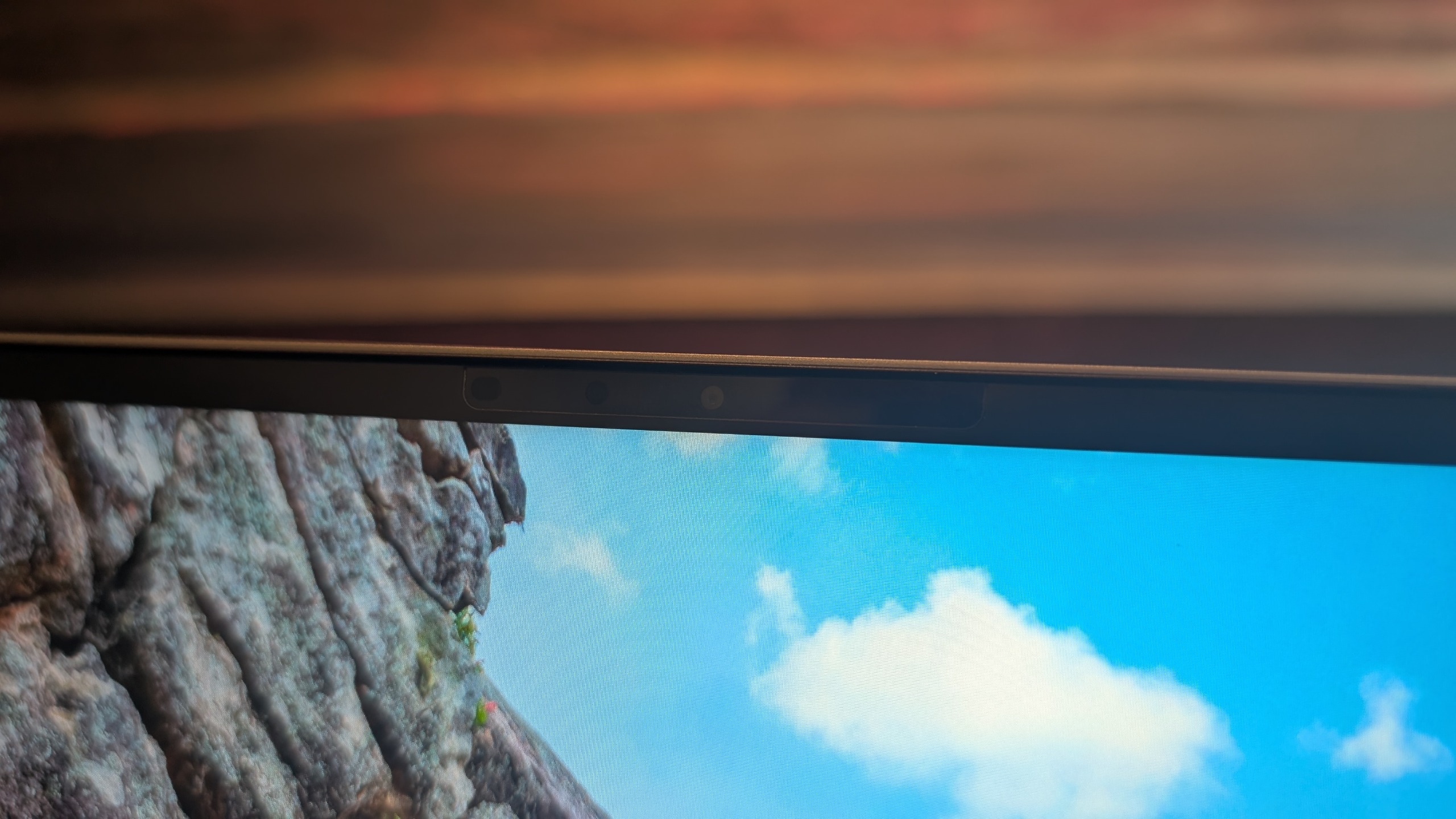
The webcam is also decent, 1080p rather than the 720p resolution you'll find on many budget-conscious laptops. I've certainly seen sharper webcam footage, and the low-light performance is merely okay, but it gets the job done well for the most part. It also supports facial recognition logins via Windows Hello. The integrated microphone array is decidedly average, though, so I'd advise getting a decent headset if you plan to make regular video calls.
Lastly, we come to connectivity, which is perhaps the most mixed part of an already mixed bag. Wireless connectivity is top-notch; Wi-Fi 7 ensures speedy, lossless internet (assuming you're connected to a network that supports it!) while Bluetooth 6.0 is an exceedingly rare sight on any laptop under $1,000.
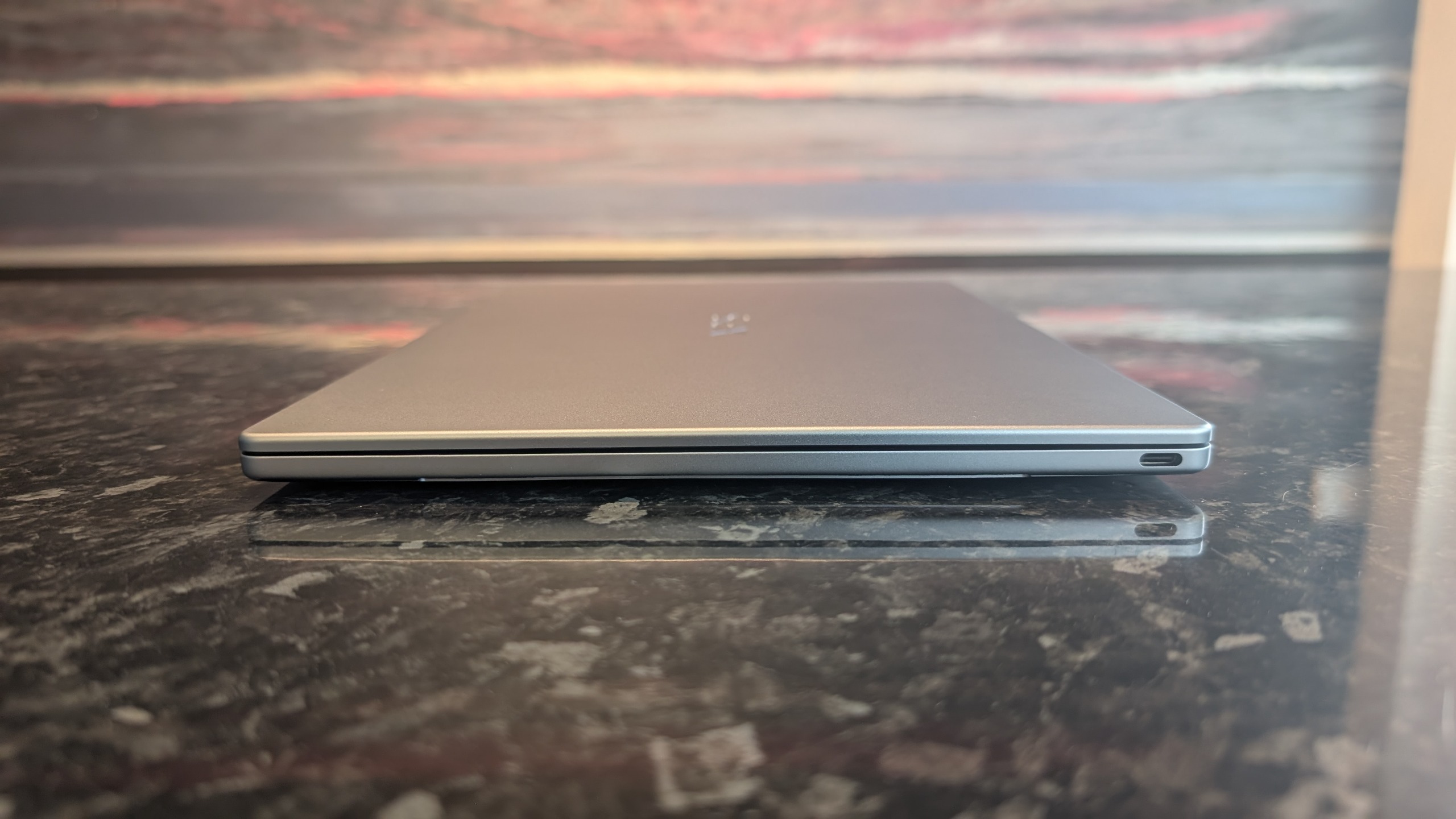
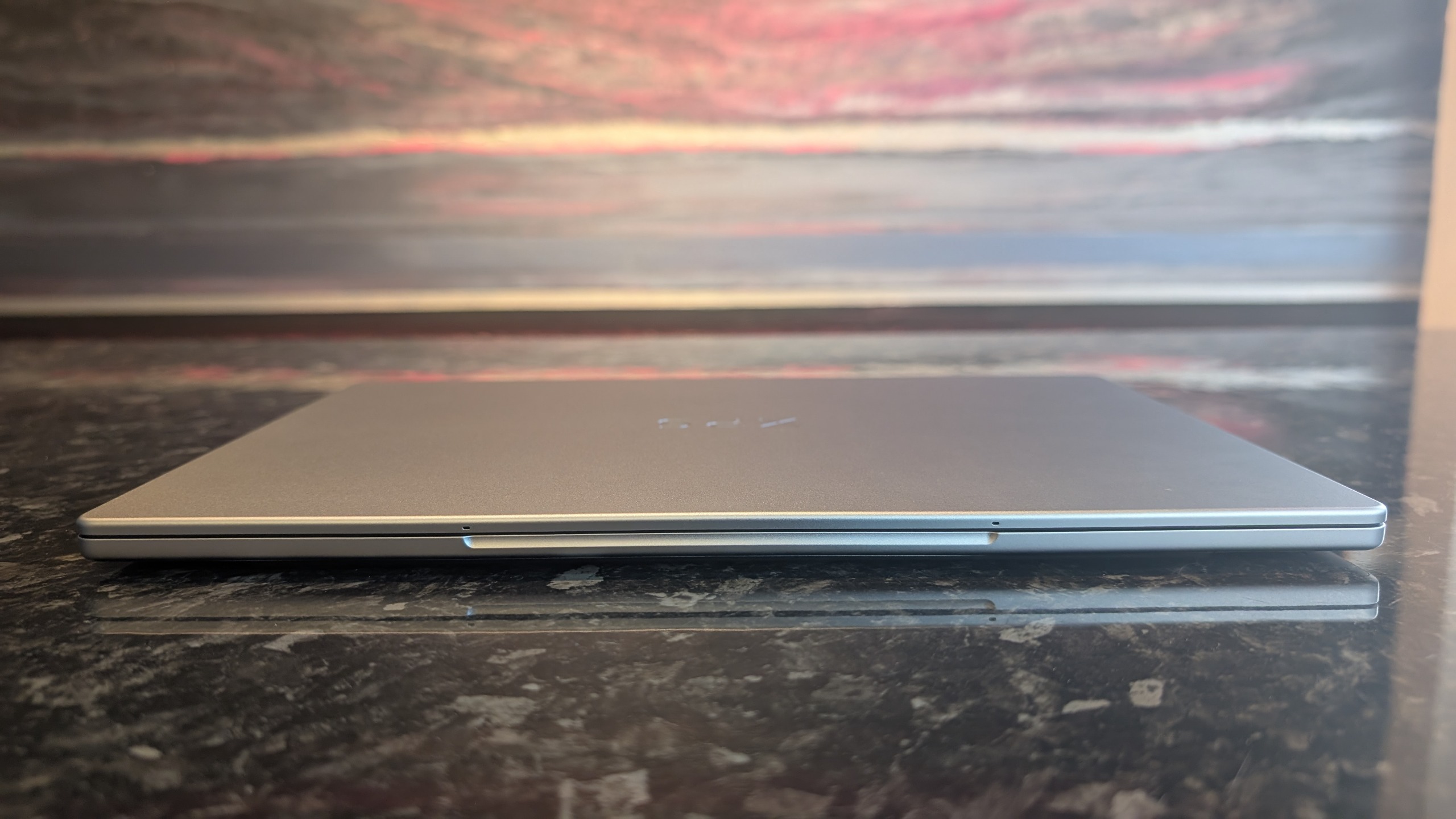
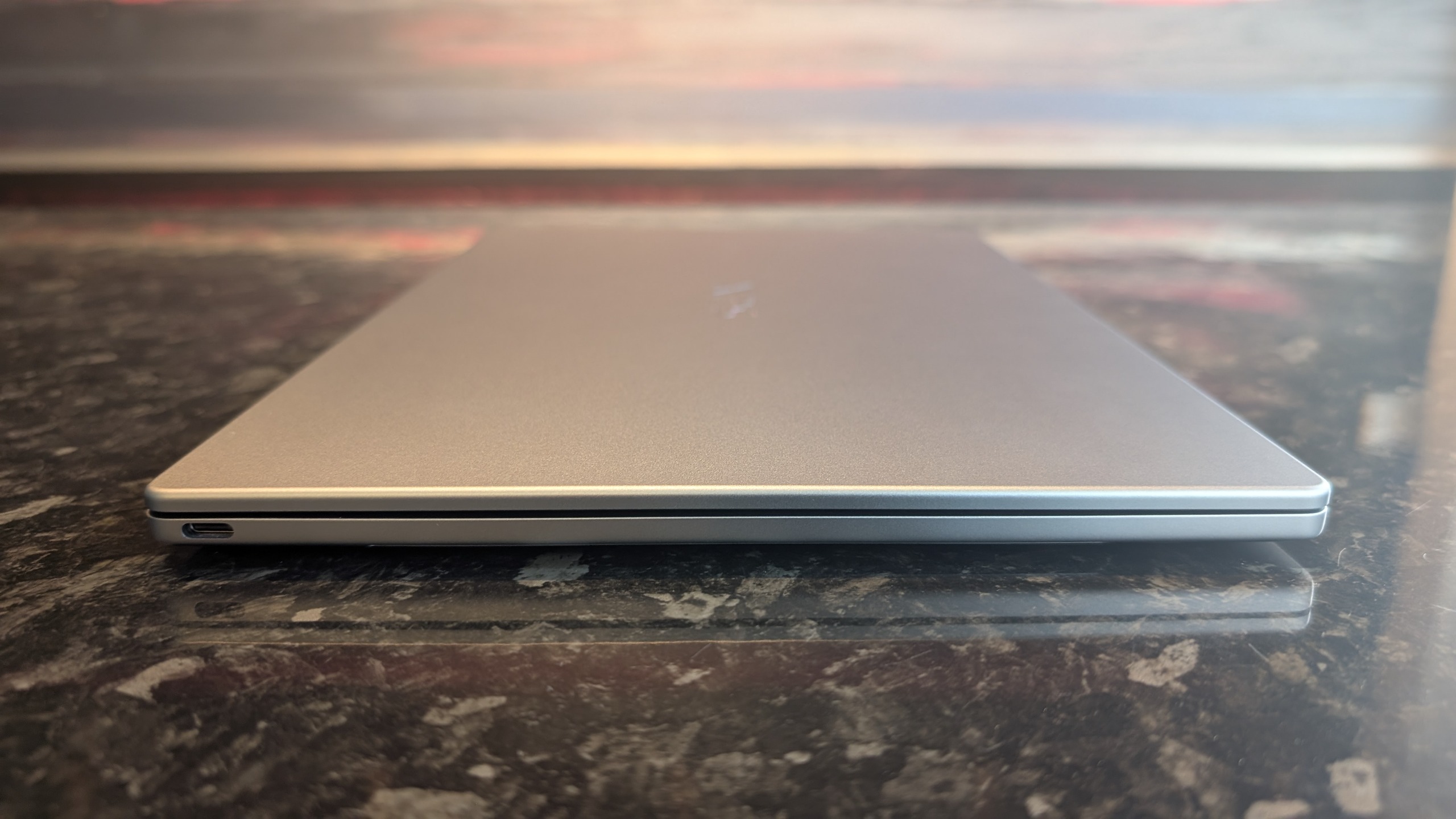
Physical connections, though? Yeah, this one's a wash. We criticised the MacBook Neo for only having two basic USB-C ports (no Thunderbolt 4 support), and it's the same case here. Granted, these are both USB 3.2, while one of the Neo's ports is a frankly pathetic USB 2, and springing for the higher-spec CPU upgrades both ports to Thunderbolt 4, but it's still just fundamentally .
Considering that the only way to charge the XPS 13 is to use one of the only two ports available, you're down to just a single port any time it's plugged in. Power users who want to connect multiple peripherals are going to need to spend extra on a USB-C hub, and anyone who doesn't shell out for the more powerful CPU will be dealing with slower charging and data transfer speeds.
Overall, it's a well-designed laptop that feels like it should last for years, but I will be docking a point for the sheer dearth of ports. If you prefer to connect your hardware solely via wireless means, though, you should have very little to complain about here.
- Design score: 4 / 5
- Decent everyday performance
- Gets a little warm under load
- 8GB RAM is simply not enough for heavier workloads
3DMark: Night Raid: 17,611; 3,308; N/A; N/A; N/A; N/A; N/A
Multicore: 7,103; Single-core: 2,345
Single Core: 455; Multi Core: 1,604
N/A
3,872.3; 16,166.2 2D Graphics: 745.0; 3D Graphics: 2,566.9; 2,389.7; 33,862.4
3,774MB/s; 2,829MB/s
22.48fps
N/A
N/A
Battery Life (TechRadar movie test): 16 hours and 17 minutes
I'm a big believer in setting realistic expectations, so once I learned that my XPS 13 review unit was the UK standard configuration with 8GB of RAM and the decidedly low-end Core Ultra 5 320 CPU, I immediately tempered my hopes of great performance.
Despite this, this XPS 13 performed a bit better than I'd expected overall. Performance in my everyday workloads – including web browsing, word processing, and some light image editing in GIMP – was good, with virtually no slowdown even with half a dozen Chrome tabs open and Spotify running in the background. Windows 11 generally felt snappy and responsive.
The more you start to load it down with tasks, though, the more it struggles. The simple fact is that in the current age of computer software, 8GB of RAM just isn't sufficient for more complex or varied workloads.
It was a telling moment when Apple finally relented and upgraded the minimum starting memory on the best MacBooks to 16GB rather than 8GB back in 2024; the demands of modern professionals have shifted, and I was rather upset to see that the MacBook Neo has reverted back to 8GB as standard. However, this is less of a problem for Apple, since the 'unified memory' used in MacBooks is faster and more efficient than traditional DDR laptop RAM, and the company's total control of the Mac software/hardware ecosystem makes optimizing for less memory a bit easier.
So let's break down how the XPS 13's 8GB of RAM actually performed. I'll start with the bad news: some of my tests failed to complete altogether, loading up but then aborting. I've not seen this happen in quite a while, with the 16GB industry standard evidently shielding me from such failures.
In total, the XPS 13 failed eight of our standard benchmark tests, most of which were the more demanding 3DMark graphical tests. However, I also noticed some instability in other tests; Cinebench crashed several times before I was able to get stable readings, and 3DMark also crashed once before I was even able to start running tests.
The tests that run showed decidedly lackluster performance in 3D rendering and similar creative workloads. This isn't a laptop you'll be squeezing in a few rounds of on, though I did manage to get Slay the Spire II running fine, so perhaps some 2D indie gaming is still on the table here.
Outside of regular testing, I also tried to fire up Adobe Photoshop and Premiere Pro. Both initially loaded without crashing, but were sluggish in practice, and Photoshop ended up crashing after about five minutes of use.
The Dell XPS 13 (2026) got rather warm during the more intensive tests. The thermal exhaust is a thin slot nestled into the display hinge, and while the fans remained impressively quiet throughout my testing, the underside of the laptop did get too toasty to comfortably have it actually on your lap while running resource-intensive software. It did remain cool and near-silent during regular office work, however.
The takeaway here is that while the 8GB model of the XPS 13 is perfectly capable of handling basic everyday workloads, it just doesn't have the oomph for anything more demanding than straightforward office or schoolwork. If that's all you want to do, the budget-friendly 8GB configuration should be fine; if you've got grander designs than that, you'll need to pay extra for a more powerful model.
- Performance score: 3 / 5
Dell XPS 13 (2026) review: Battery life
Intel's third-generation Core chips are clearly putting in some work here. Although the Dell XPS 13 (2026) only has a 52Wh battery (far smaller than the batteries you'll find on many ultrabooks these days), the efficiency of this chip can't be understated; our video playback battery test saw the laptop sail comfortably past the 16-hour mark.
There are laptops that can go for longer, but at this price point, that's a very respectable effort. It outstrips the MacBook Neo by nearly three hours according to our tests. I found that even at maximum brightness, with a Bluetooth mouse and headset connected and the Windows power mode set to Balanced, it could comfortably make it through an eight-hour workday without needing a charge.
The laptop also holds charge fantastically when not in use. My partner got sick, and I had to shelve this review for a couple of weeks, during which time the XPS 13 simply sat untouched on a desk in my home office. When I finally opened it up to start my review process, it was still at 90% charge. When plugged in, it charges up to full in just under an hour (though the higher-spec model with Thunderbolt 4 ports will presumably charge faster).
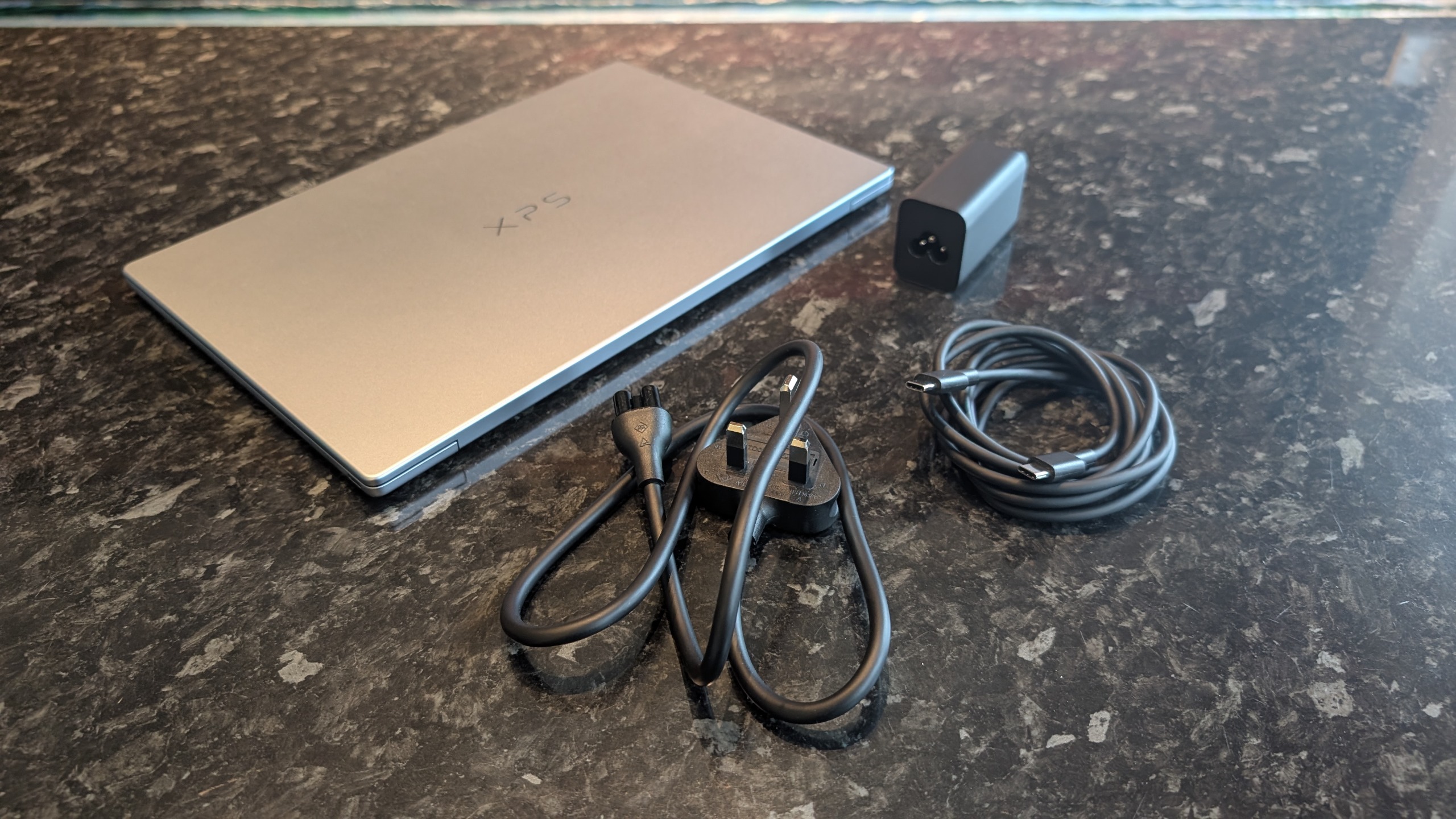
My only real criticism here is that it doesn't come with a power adapter in the UK and EU. Much like Apple's approach with the MacBook Neo, this is ostensibly due to local regulations that mandate consumers' ability to buy a laptop without a charger, but come on; you could include the option to add one at checkout. I've criticized Apple for this in the past, too: it's malicious compliance, and it's simply irritating for the end user.
- Battery life score: 4.5 / 5
Should I buy the Dell XPS 13?
|
The UK and Australia pricing is a shame, but student discounts help a lot, and the base model is very reasonable in the US. |
3 / 5 |
|
|
Despite a disappointing port selection, this is a well-crafted laptop that feels nicely durable and packs an excellent touch display. |
4 / 5 |
|
|
Decent performance in everyday tasks, but users aiming to multitask will definitely want to invest in the 16GB RAM model. |
3 / 5 |
|
|
Battery life |
The XPS 13 can comfortably cruise through a full workday (and then some) without needing a charge. |
4.5 / 5 |
|
The 2026 XPS 13 isn't quite the MacBook Neo-beater that Dell clearly hoped it would be, but it's still a solid pick for anyone who wants a Windows alternative to Apple's new budget MacBook. |
3.65 / 5 |
Buy it if…
Don't buy it if…
Dell XPS 13 (2026) review: Also consider
How I tested the Dell XPS 13 (2026)
- Tested for one week
- Used for a variety of workloads
- 8+ years of hardware testing experience
If you've read any of my other reviews, you'll already know the drill: I swapped out my daily driver (the excellent Asus Zenbook Duo 14) for the Dell XPS 13 for one full week, including the weekend.
This helps me get a proper feeling for how the laptop functions in everyday use scenarios, testing it out for a range of typical tasks including web research, writing articles, and image editing. Naturally, I also ran the laptop through our usual suite of synthetic benchmarking tests, including our looped video test for battery life.
I've been a computer hardware journalist for more than eight years, and working for TechRadar for half a decade. In that time, I've reviewed more laptops than I can remember for numerous different publications; the number is certainly in the dozens, quite likely into triple digits by now! I put every bit of experience and expertise I've gained over those years into my reviews, so you can rest assured that you're getting accurate, bias-free information.
Christian is TechRadar’s UK-based Computing Editor. He came to us from Maximum PC magazine, where he fell in love with computer hardware and building PCs. He was a regular fixture amongst our freelance review team before making the jump to TechRadar, and can usually be found drooling over the latest high-end graphics card or gaming laptop before looking at his bank account balance and crying.
Christian is a keen campaigner for LGBTQ+ rights and the owner of a charming rescue dog named Lucy, having adopted her after he beat cancer in 2021. She keeps him fit and healthy through a combination of face-licking and long walks, and only occasionally barks at him to demand treats when he’s trying to work from home.