As a productivity-enhancement enthusiast, I've dabbled in dozens of apps. For a long time, I struggled to find a single app that ticked all the boxes for me.
So, I used a range of apps to suit my needs.
For example, Notion was my system app, acting as a database for curating tasks, pitches, and more.
Obsidian was my thinking app, geared towards compiling research for ongoing projects and for things I needed to do.
Finally, Todoist was my go-to "get things done" app.
As scattered as it sounds, these three apps gave me three separate, purpose-built homes for everything I needed to do. The system worked for a while, but I started running into issues.
The real cost of running three apps is the constant context switching it takes to get things done and stay productive.
For example, you might be compiling research in Obsidian and come up with some interesting content ideas. Should that go in Notion or Todoist, or perhaps stay as a note within Obsidian?
This constant to-and-fro meant I spent more time planning how to get things done than actually doing them.
So, I decided to make one last sweep for a suitable replacement. Turns out, one option worked pretty well, so I replaced Notion, Obsidian, and Todoist with Anytype.
It's not a perfect one-to-one replacement for all three, and it has quirks, but it lets you build a consistent workflow that gives you most of the functionality of all three apps in one interface.
Three apps, three workflows, and too much context switching
Anytype's object-based approach keeps everything in one place
The biggest problem with the old way was that each app handled tasks differently.
Notion needs everything to be a page or a database entry.
Obsidian needs to be a note that's linked to another note if you want any semblance of organization.
Finally, Todoist is a to-do app, so it wants everything to be a task. Ideally, with a date and a label attached for further organization.
Individually, these are great. But managing your productivity across three separate apps, each with its own workflow, is challenging, to say the least.
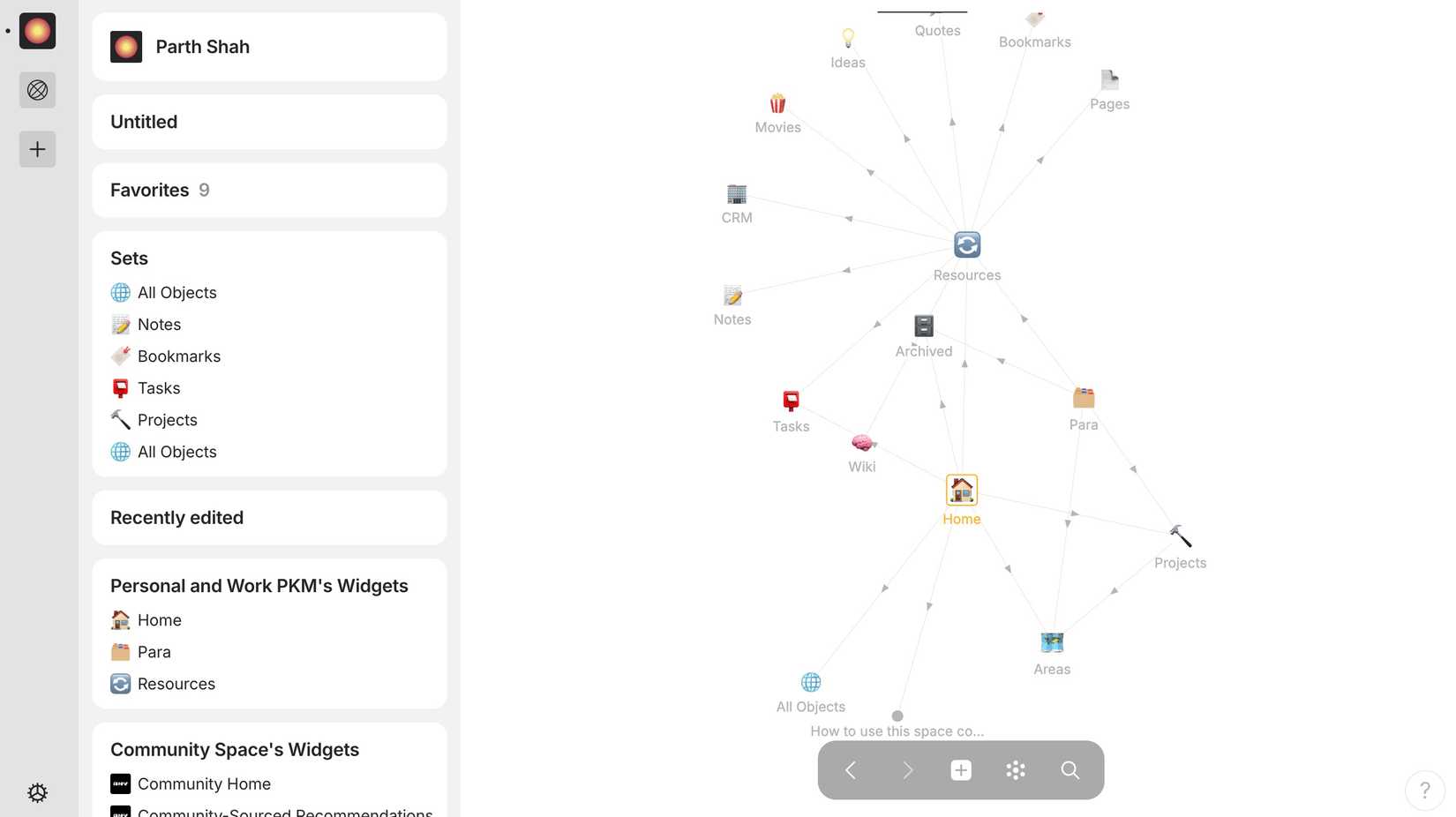
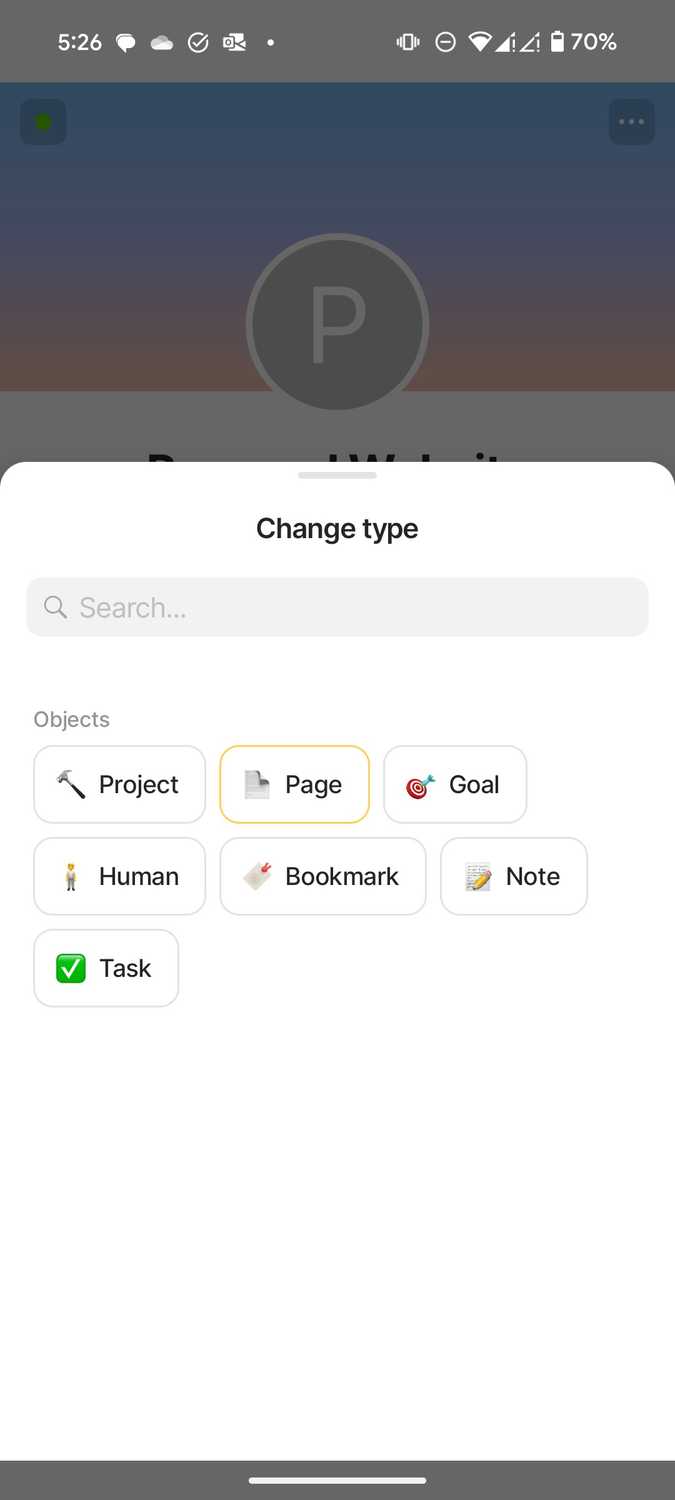
Anytype flips the script by making everything an object. A note is an object, so is a task, and you can move these objects where you want.
It takes a bit of learning, but after you start using the app, the object-based approach starts to feel more cohesive. Let's take an example.
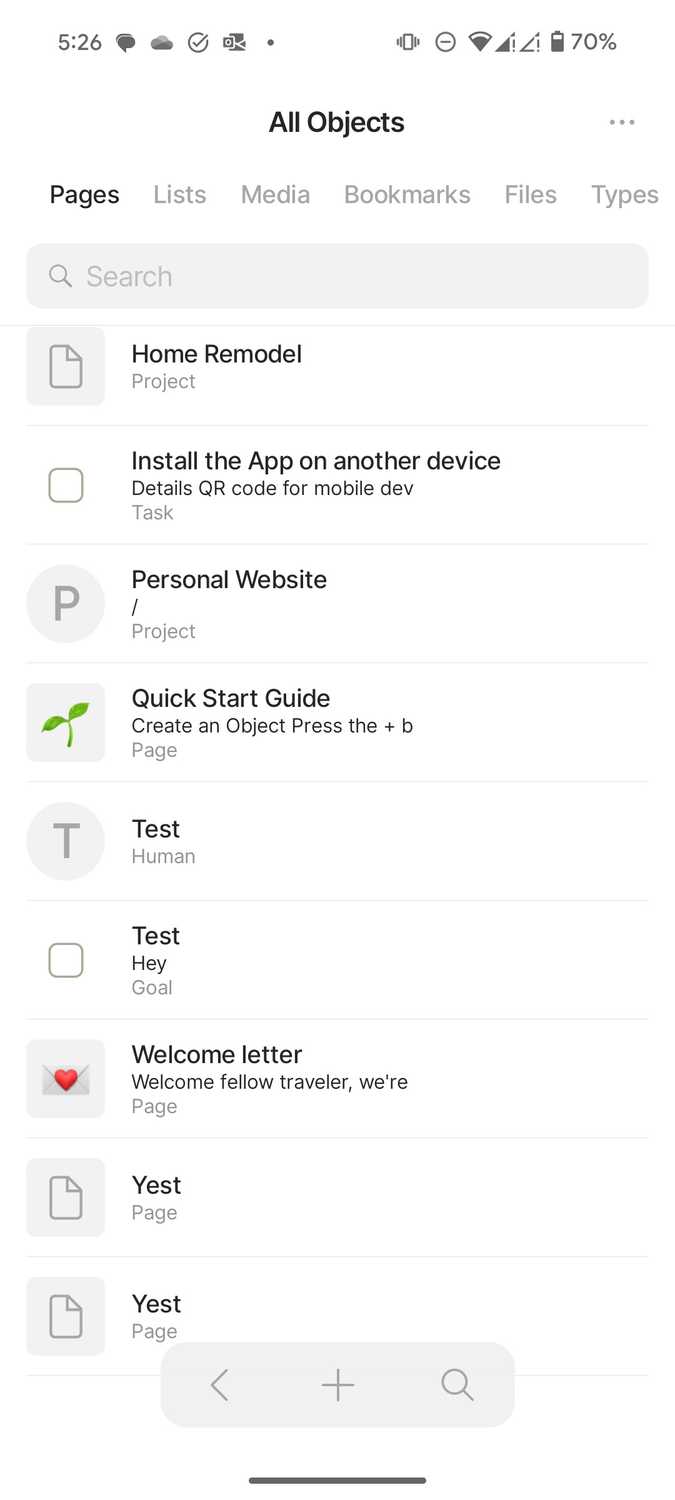
A project is an object, and a task is also an object. Meanwhile, a meeting note is an object, and it might be a random idea you had while doing your research.
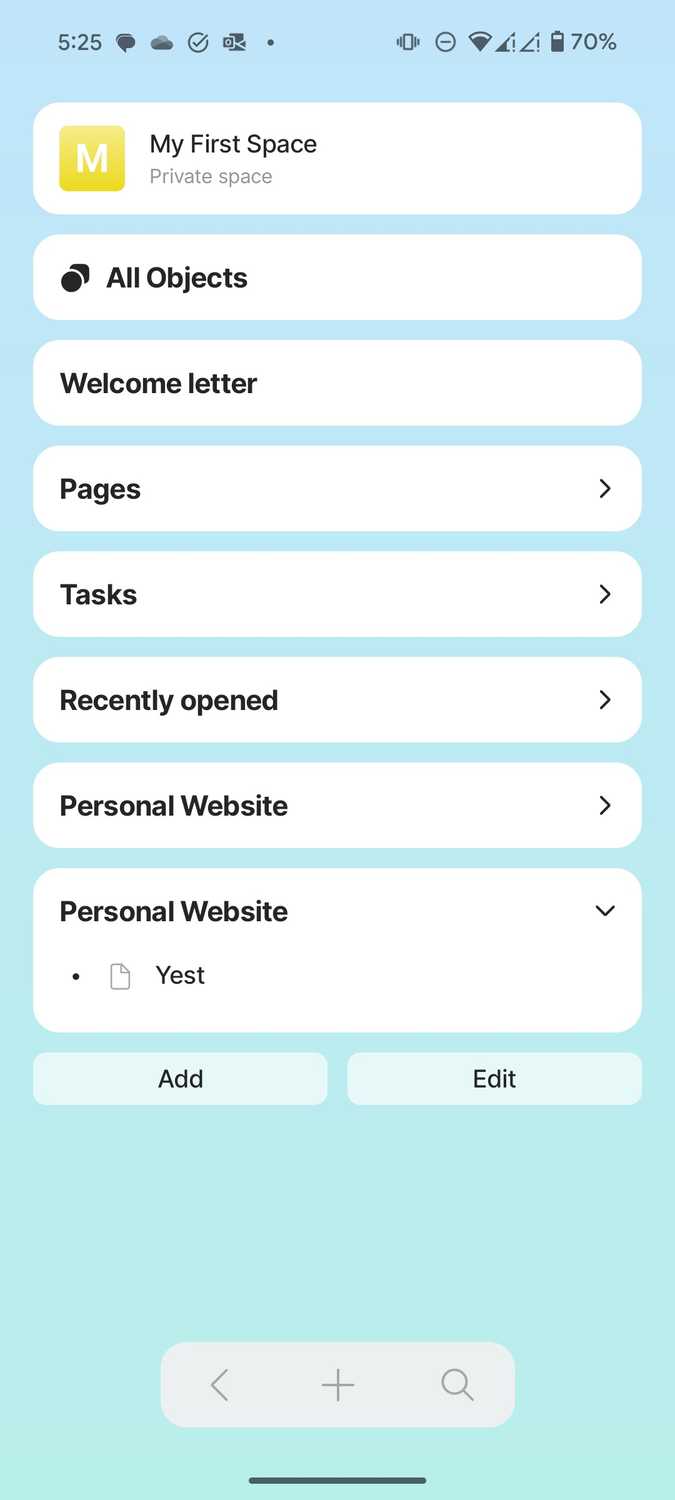
Now you can have a singular app tied to all these styles of content in one space. Instead of you having to adapt to the way an app works, Anytype adapts to what you're trying to do.
To start, that solves the problem of figuring out where something belongs, and more specifically, in which app.
When I used Notion, Obsidian, and Todoist, I sometimes noted something in whatever app I was in, only to realize it should've been in my Notion project tracker or as a research note in Obsidian.
That results in a lot of copying and pasting, moving and rewriting. Basically a waste of time.
With Anytype, I don't have to decide upfront. I can create something quickly, dump information into it, and organize it properly later without it feeling like I've lost the plot.
Anytype gives you structure without turning setup into its own workflow
Notion is great, but it's easy to overdo it
Many productivity fiends swear by Notion. I like the app too.
But it's easy to get trapped optimizing and improving your workspace instead of getting work done. You end up tweaking views, rearranging dashboards, properties, and more.
There's a community around making your workspace look pretty and efficient. Unfortunately, the system is never perfect, and you just keep wasting time. That's where Anytype surprised me.
It gives you all the without forcing you to go down the rabbit hole of theming and making your productivity app look pretty.
I use it fairly simply now.
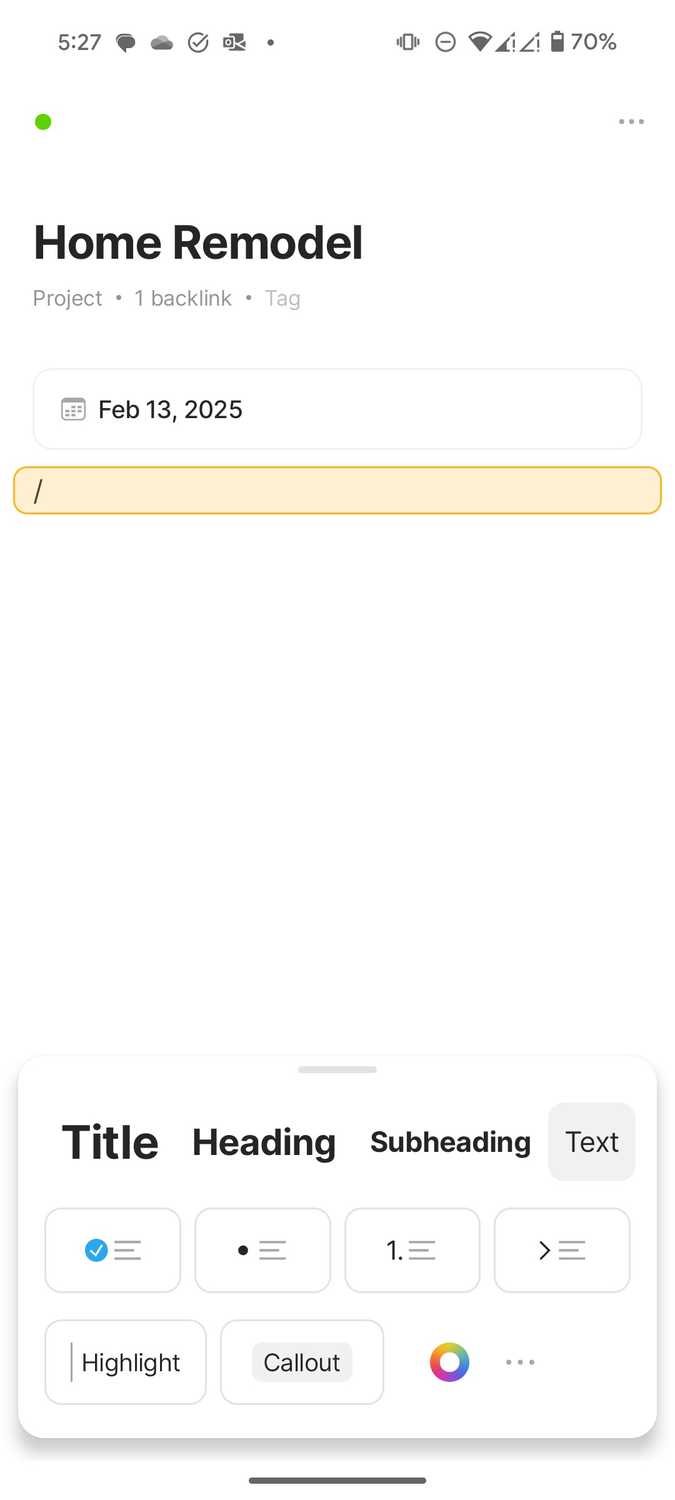
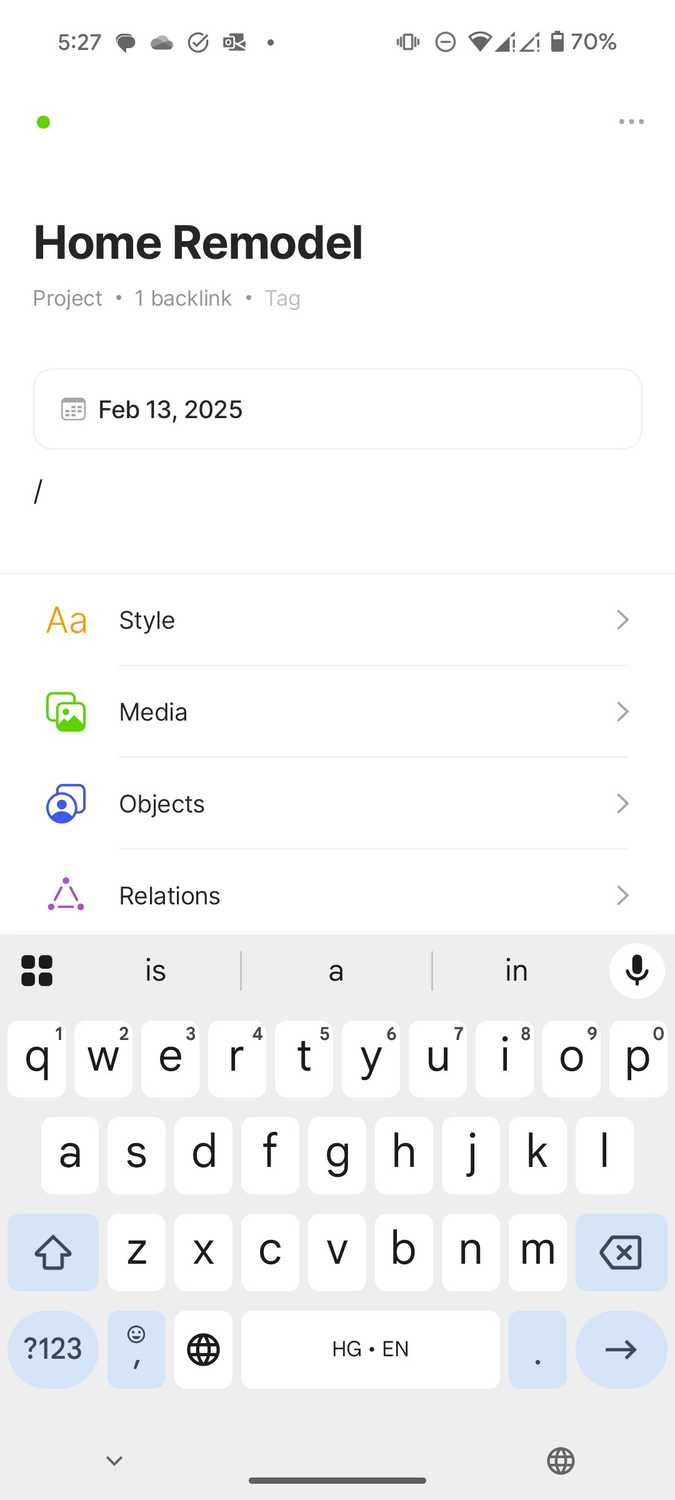
I create a project object for every ongoing assignment or major life thing I'm dealing with. That could be an Android Police story, a client pitch, an event I'm planning, or a long-term idea I want to keep tabs on.
Inside that Project object, I keep everything connected: working notes, related links, quick drafts, and tasks that actually need to get done.
The result looks like a Notion workspace in the best way, but it's easier to maintain because I'm not constantly asked to design the workflow. And because it's object-based, those pieces don't feel like separate tabs in a database.
Anytype also gives you the Notion-like ability to change views and sorting options. It also doesn't lock your information into a database structure, giving you flexibility in how you work with data, both today and in the future.
Anytype isn't perfect, but it's the closest I've found to an all-in-one solution
I'll be the first to admit, there's no . Anytype has its quirks too.
If building database-based systems is your priority, Notion is hard to beat. Obsidian should be your go-to tool for deep interlinked research, and Todoist is a classic choice for to-dos.
If your work flows between these three use cases in equal measure, Anytype brings all three under one window. And it does it exceptionally well.