I have been tracking my sleep for years, first with an Android Wear watch, then a Fitbit Versa, and more recently, a Google Pixel Watch.
It got worse when I became a father, and my sleep schedule went out the window. I wasn't sleeping well, even on nights when the baby did, and my watch telling me I wasn't sleeping well didn't help anything.
Google Health changed that with bedtime recommendations that actually helped.
Almost all wearables knew the problem
I needed to know what to do next
I started tracking my sleep with the Asus ZenWatch and the Sleep as Android app almost a decade ago.
Since then, I have used several wearables, and all of them have provided me with similar stats: how long I slept, how much time I spent in different sleep stages, and sometimes, a .
Beyond those numbers, they told me little about what I should do differently.
There were also days when I thought I'd slept well but still felt tired and didn't have enough energy for the gym or an intense workout.
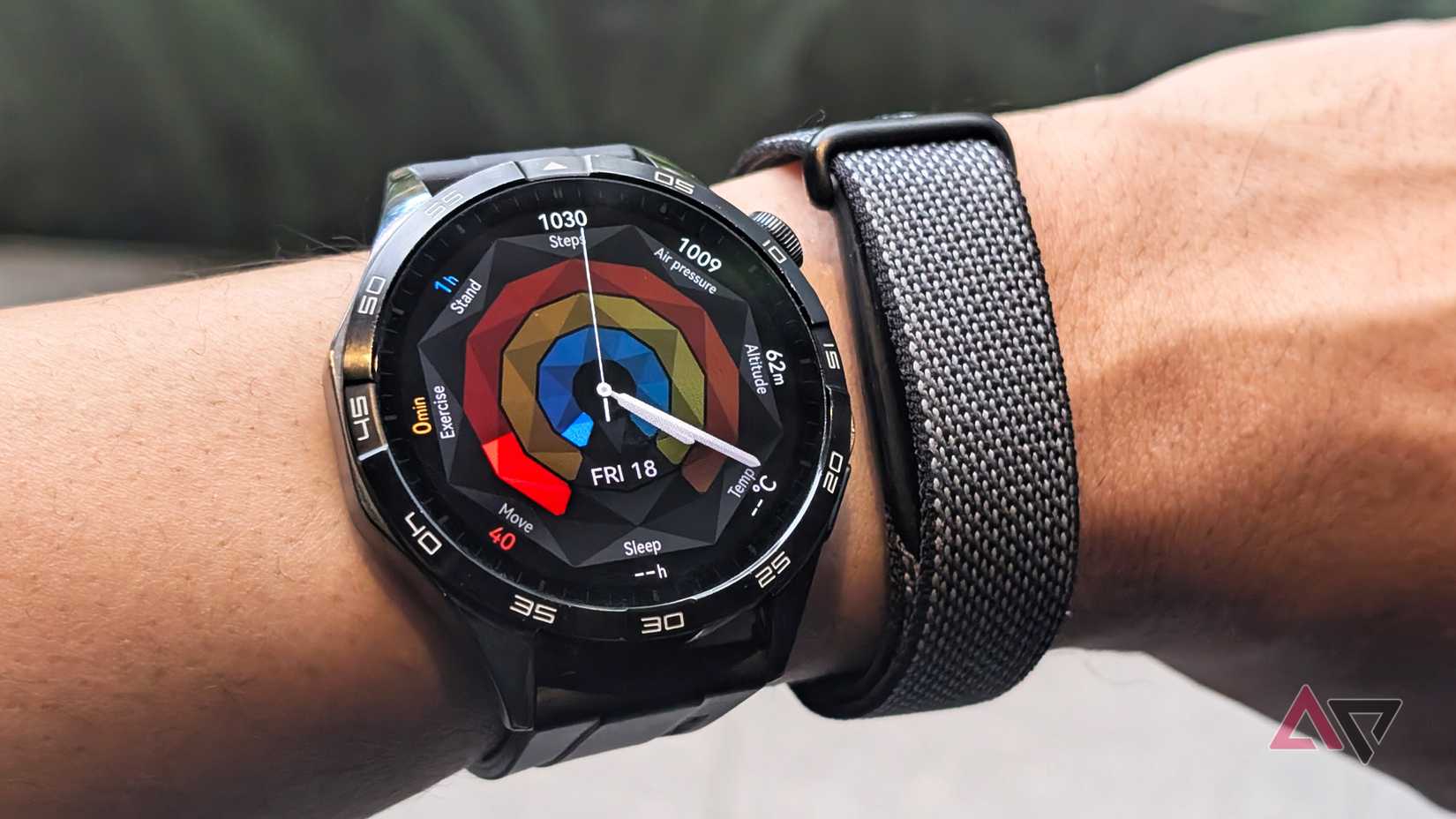
Ultimately, this made the numbers meaningless, because they didn't translate into how I felt.
I never paid attention to this problem until I became a father. Sleep became more precious than ever, and I needed more of it. On nights when the baby slept well, I wanted to make the most of that opportunity, but even then, I never felt well rested.
Knowing how much deep or REM sleep I got did not solve that problem in any way. I needed more useful, actionable insights to fix my sleep.
That's where Google Health started making a difference, using my sleep data to provide recommendations that helped me.
Good sleep is not just about 8 hours
Recovery needs more context
After using a for a couple of years, I switched to the in October 2025. That meant Fitbit had over three years of my sleep data.
However, it provided me with the same information as my previous trackers. I could check my sleep duration, stages, and score, but I never received useful guidance on what to do differently.
When the Fitbit app became Google Health, I didn't pay much attention to its sleep-tracking capabilities. I dismissed it as another app that would give me plenty of numbers about my sleep without helping me improve it.
Over time, probably frustrated by the lack of quality sleep, I started paying attention to Google Health's numbers and recommendations that came with them.
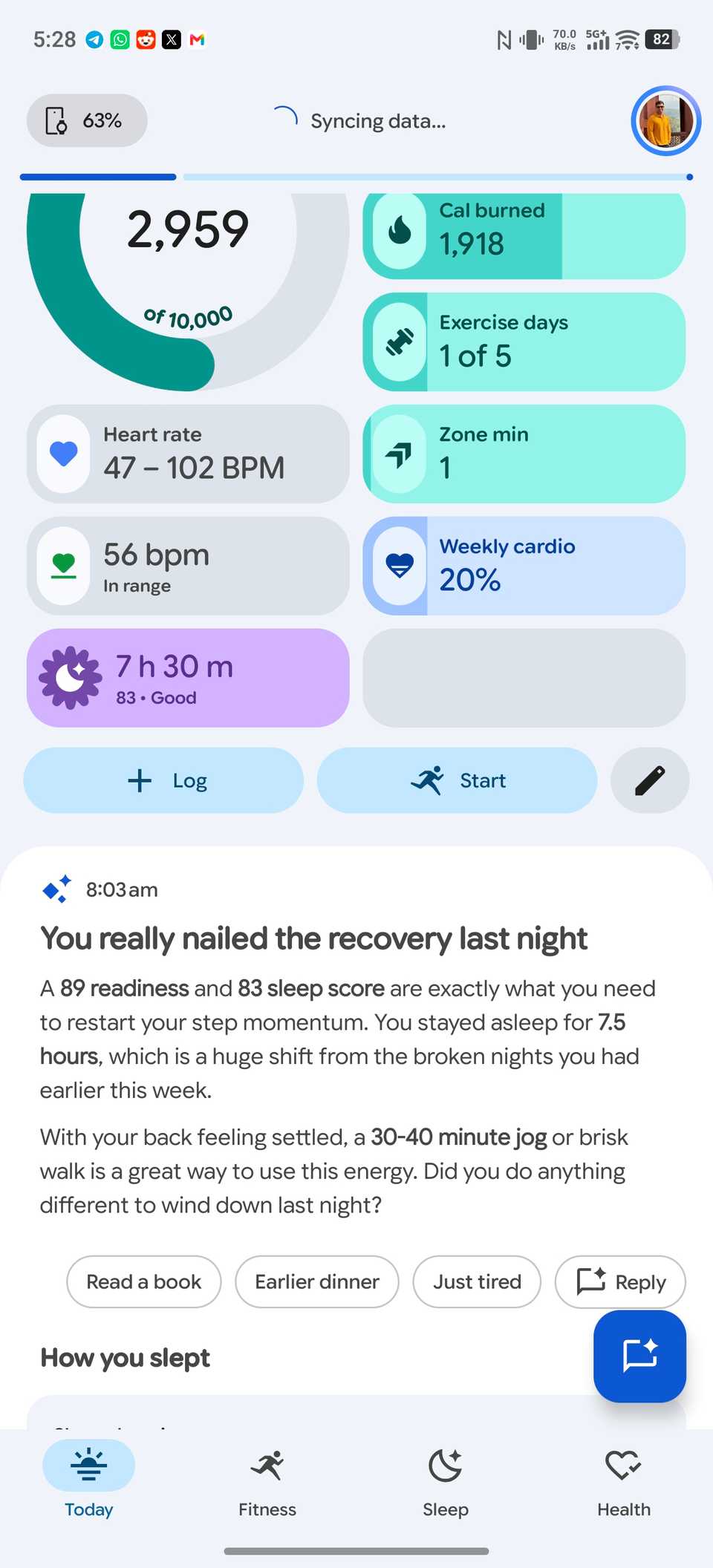
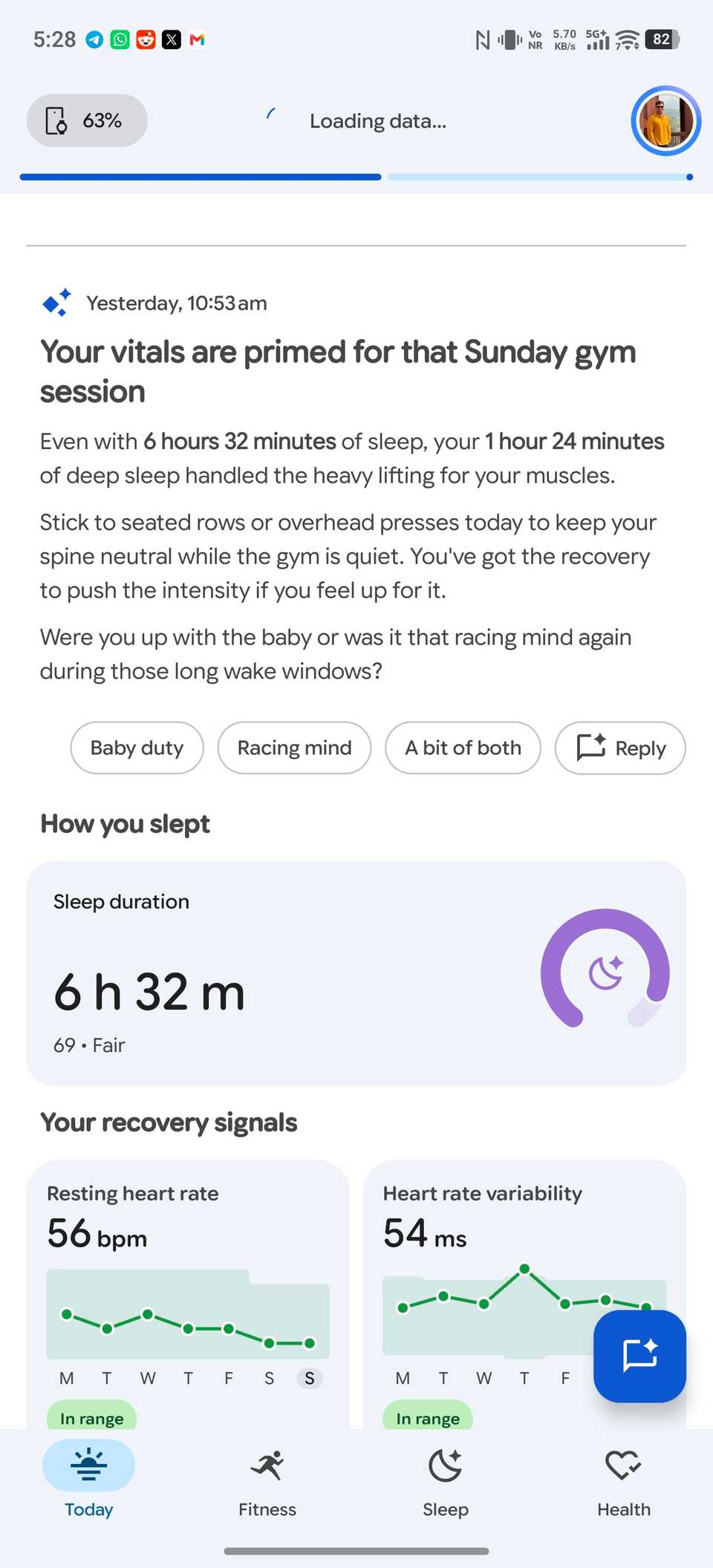
Unlike my previous trackers, Google Health's recommendations went beyond sleep duration.
On the days I slept less than I'd liked, Google Health still suggested I was ready for a high-intensity gym session. It based this on my key health metrics, such as resting heart rate and heart rate variability.
Those metrics helped me understand why sleeping longer didn't automatically mean I'd feel more energetic the next day.
On some days, even after almost eight hours of sleep, Google Health suggested taking things easy, with a brisk walk or a 20-minute jog instead of an intense gym session.
Beyond helping me plan my workouts, Google Health recommended going to bed about 30 minutes earlier, giving me a specific target to work toward.
I started following that guidance instead of checking my sleep score the next morning and sticking to the same routine. Over time, that change helped me get my erratic sleep schedule back on track.
The gym put the score to the test
The advice matched my energy

Google Health's readiness score also often closely matched how I felt.
Sometimes I went to the gym despite a recommendation to take it easy, only to find I didn't have the energy for the workout I had planned. That made me pay more attention to its advice and numbers because I could connect them to how I felt.
This was the connection I'd been missing with my earlier trackers. They never linked the sleep score to how I felt or how I should approach the next day. Google Health did exactly that, linking my workouts to my sleep.
The difference became clearer after I started exercising. Almost eight hours of sleep might sound like enough, but it didn't guarantee I had the energy for an intense session.
When Google Health's recommendation to take it easy matched what I was feeling, the readiness score and other suggestions started feeling much more relevant.
Google Health finally made sleep tracking useful
After years of wearing a smartwatch to bed, Google Health finally gave me the guidance I was looking for. Its suggestions helped me improve my sleep schedule, while its readiness insights often reflect how much energy I have the next day.
That gives me a reason to check the app beyond seeing how I slept: I can use its guidance to decide how hard to push myself.