A few weeks ago, I dug deep into Samsung's Auto Blocker and found it does more than block sideloading of apps.
Google has something similar on my Samsung Galaxy device, called Advanced Protection.
My first thought was that one of them had to be redundant. But after enabling both and digging through every option, I found they barely overlap, and you're better off keeping both turned on.
Let me explain why.
Auto Blocker covers Samsung's side of your phone
That includes the hardware
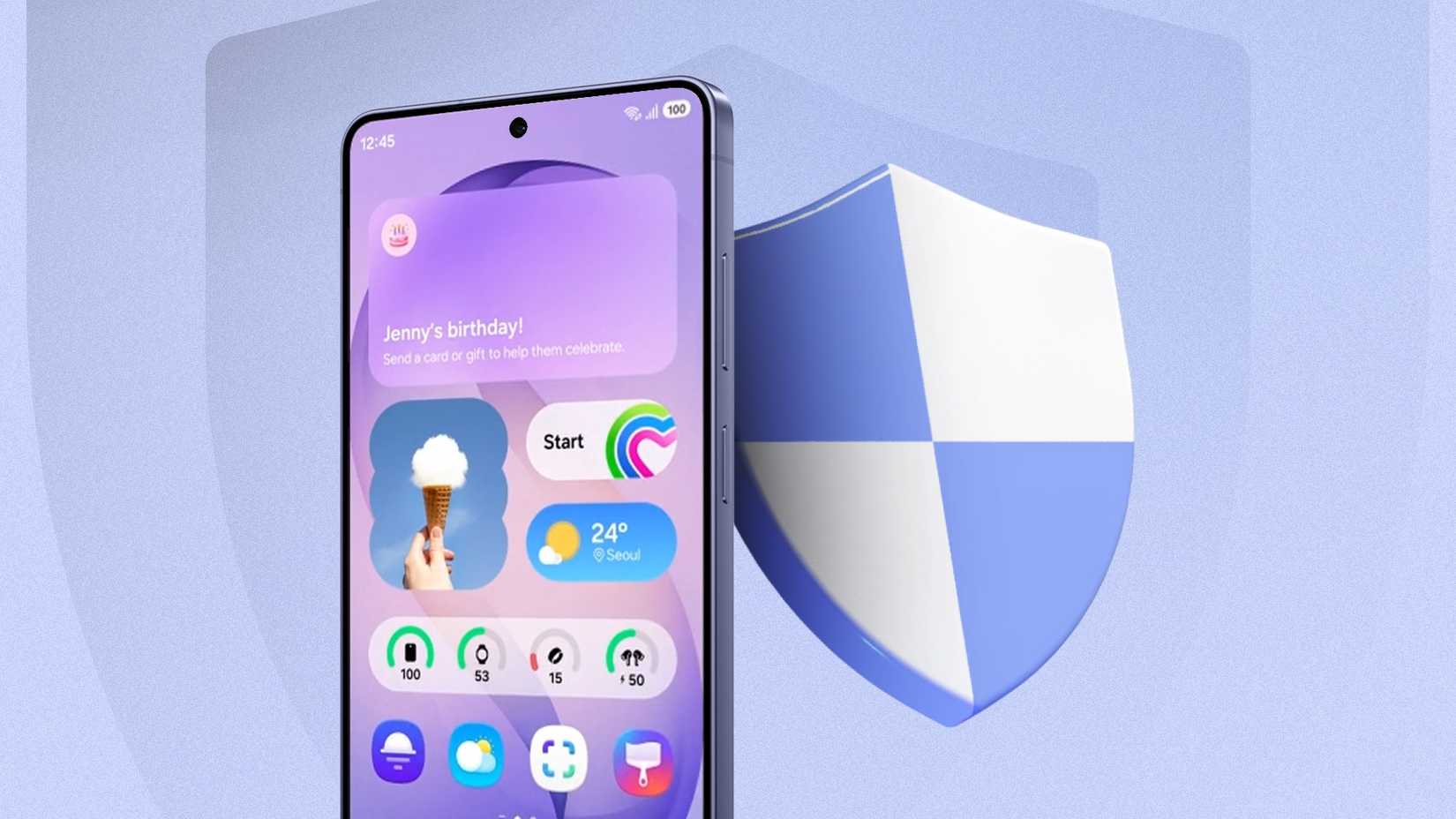
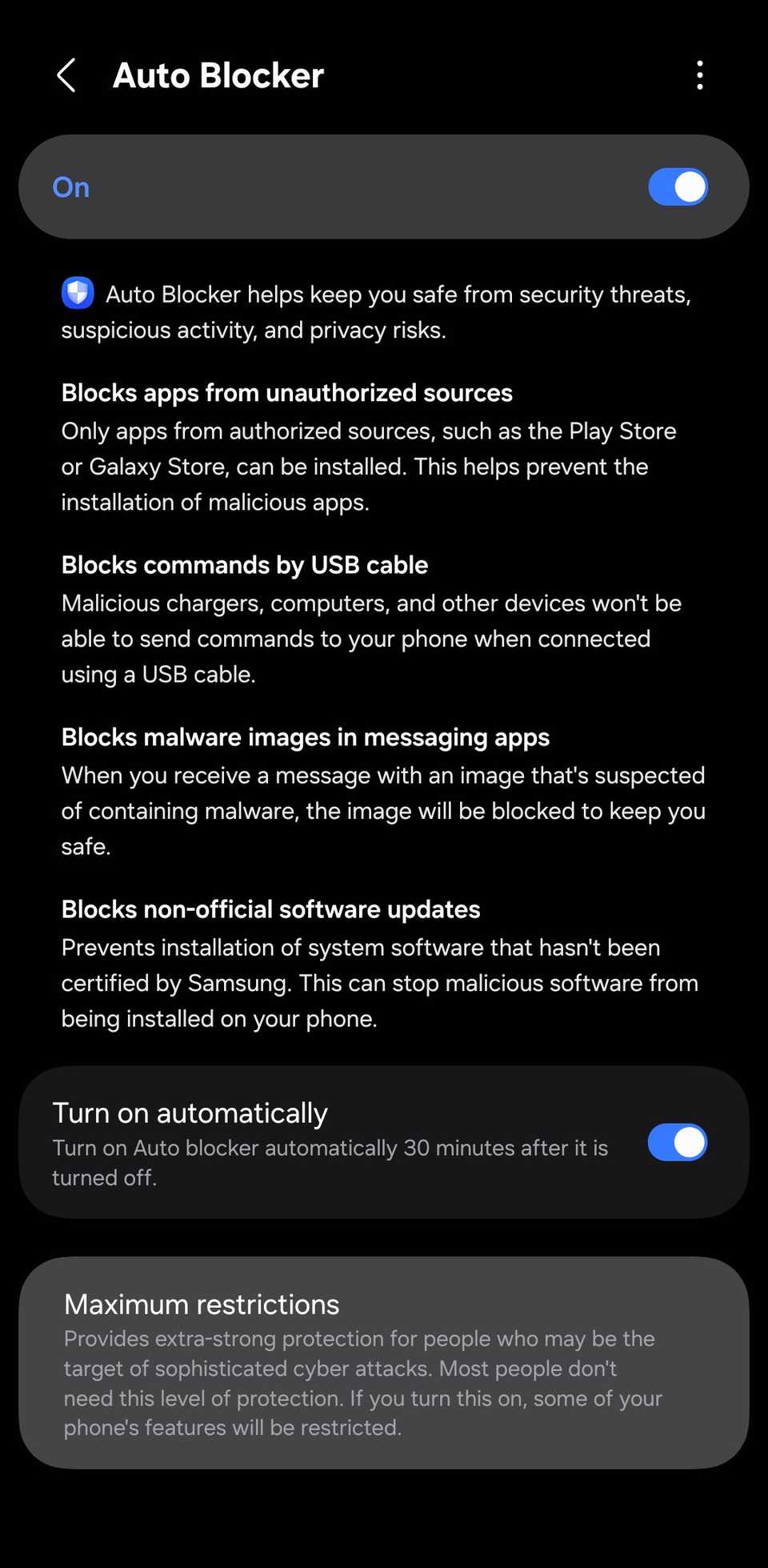
Auto Blocker is one of Samsung's security features. It has a default standard level and a stricter maximum restriction level.
The standard level prevents installation of apps from unauthorized sources, blocks commands from a USB cable, prevents malware images from loading in your messaging apps, and blocks software updates installed over USB.
The maximum level covers four main domains:
- Scans newly installed apps and checks your phone for viruses and spyware daily. It also prevents admin apps and work profiles from activating on your phone.
- Prevents your phone from connecting to 2G networks or non-secure Wi-Fi networks you've used in the past.
- Prevents Samsung Messages from automatically downloading attachments, stops links and pictures from creating previews, and removes location data when you share a picture. This is less relevant now that Samsung has killed the app in the US.
- Prevents you from sharing albums with others and vice versa. It also removes location data when you share gallery pictures.
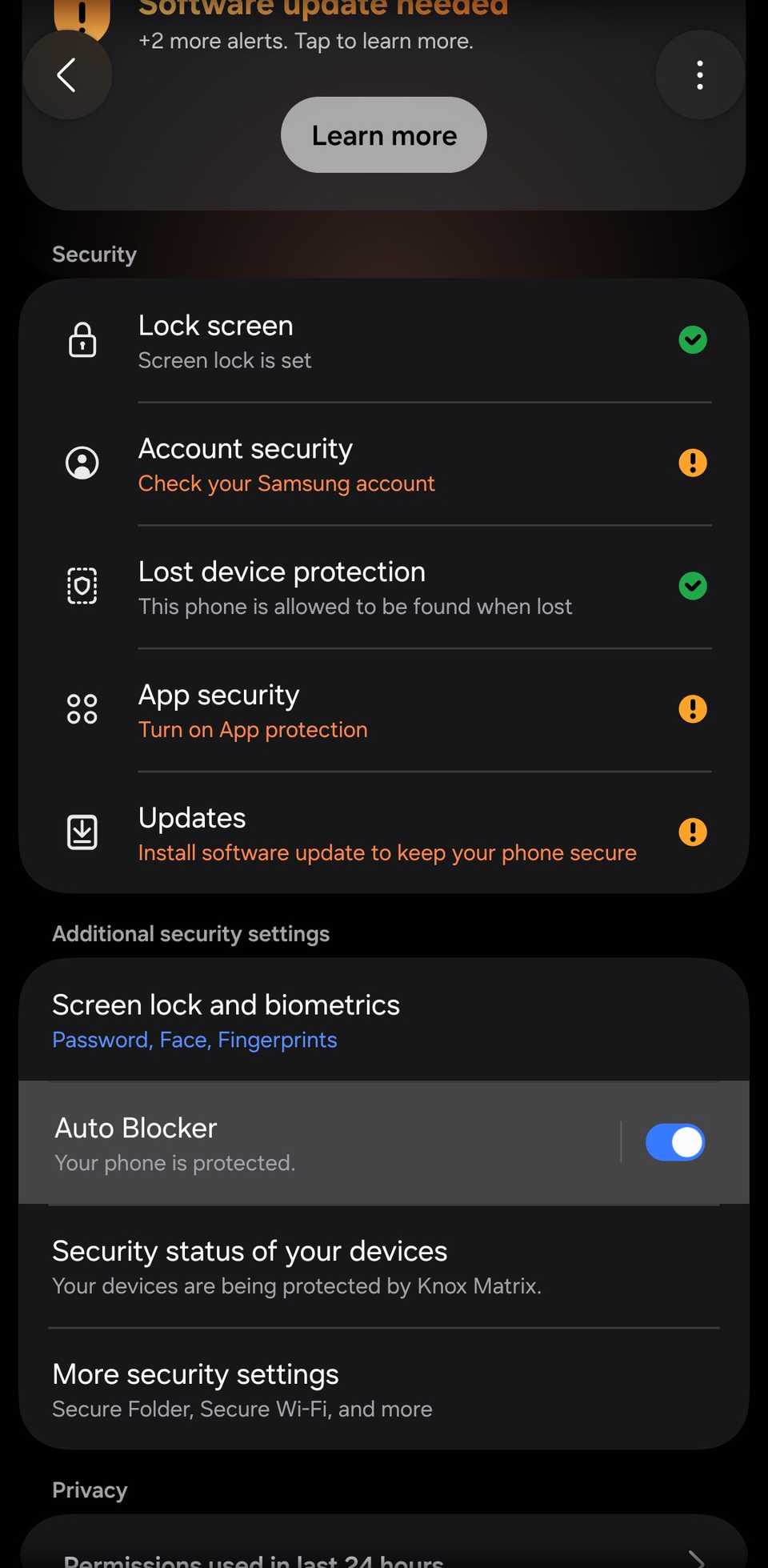
The standard Auto Blocker without Maximum restrictions is on by default unless you've turned it off. And there's a nifty toggle that turns it back on 30 minutes after you turn it off.
With that enabled, you can turn off Auto Blocker for any reason, like installing an app from your browser or using the SysDump dial code to check your battery health, and it'll switch back on after the time has elapsed.
You can find Auto Blocker by following these steps:
- Security and privacy.
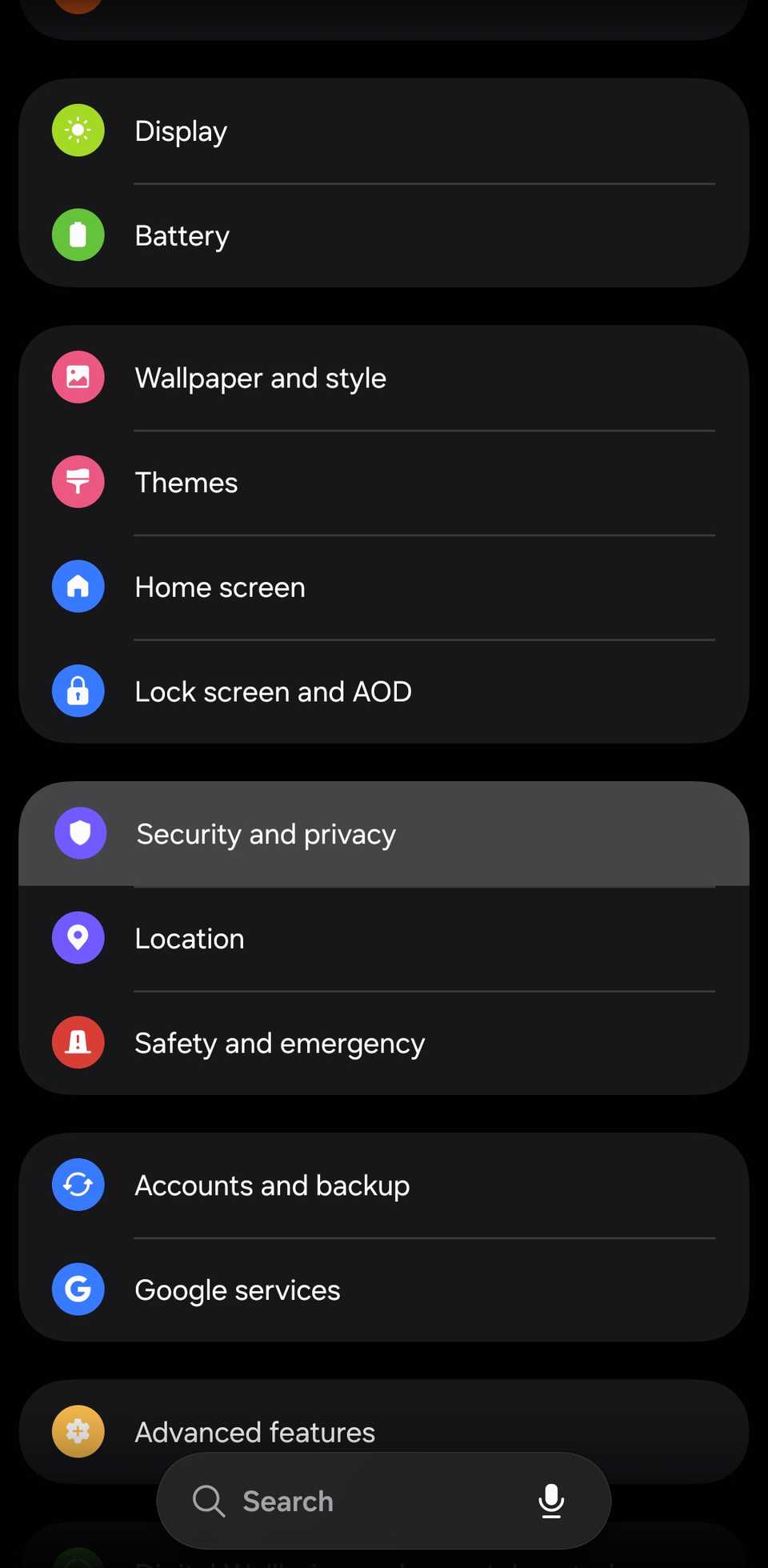
-
Scroll down and select . You'll see the Turn on automaticallyMaximum restrictions options.
Advanced Protection covers Google's side
And the web
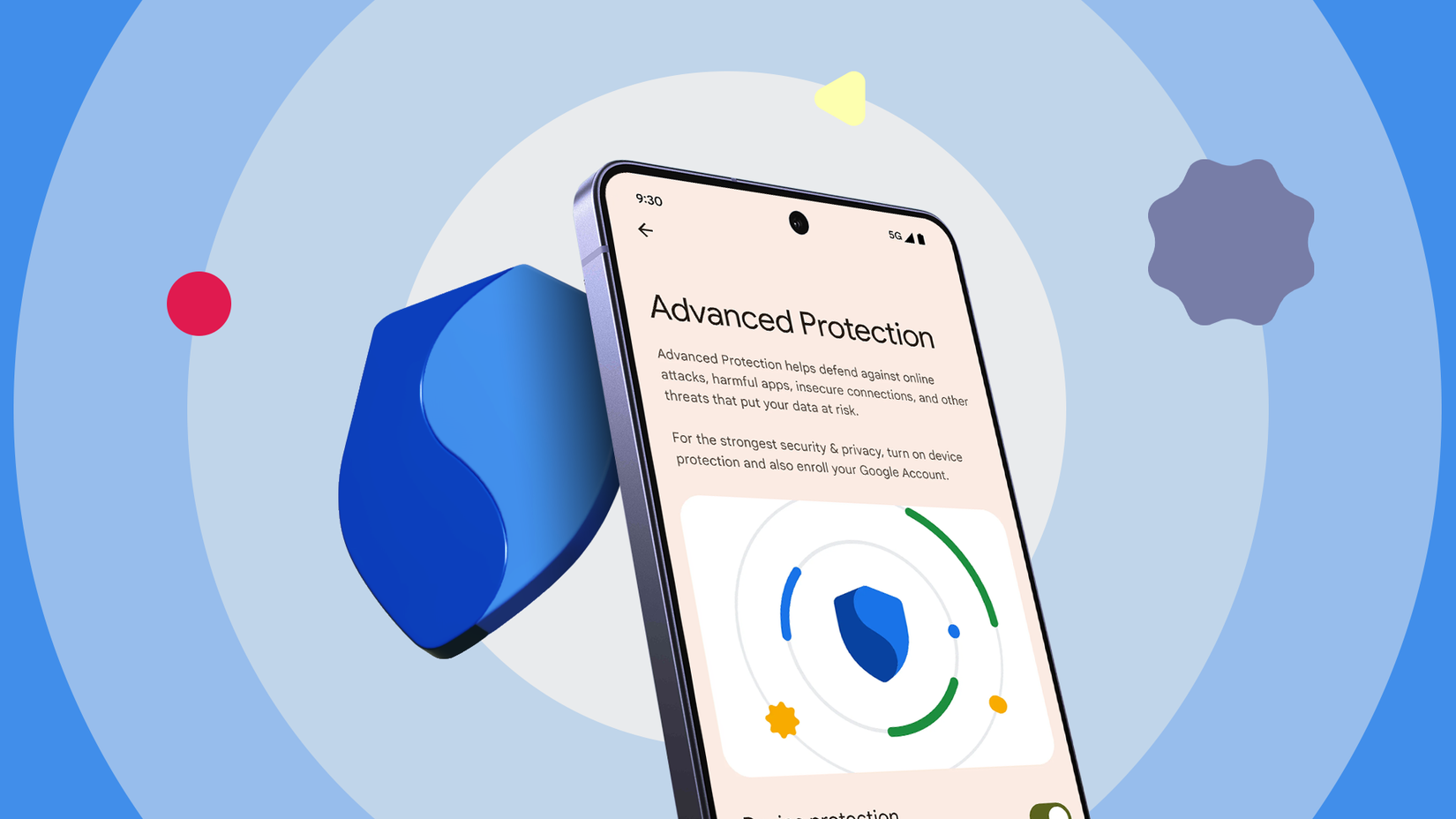
Google introduced Advanced Protection with Android 16, and Samsung brought it to Galaxy phones with One UI 8.
The tech giant says it's for people at higher risk of targeted attacks, like public figures and anyone handling sensitive information. It has two parts: device protection for your phone, and account protection for your Google account.
It includes:
- Device safety: Restarts your device if it's locked for three days.
- Blocks installation and updates of apps from unknown sources , like Auto Blocker. But it also keeps Google Play Protect enabled, which scans for unsafe apps and malware.
- Blocks 2G networks like Auto Blocker.
- Chrome uses Android Safe Browsing, which blocks harmful web pages, warns you before loading insecure HTTP sites, and limits some JavaScript features.
- Google Messages filters spam and warns you about suspicious links, kind of like Auto Blocker does with Samsung Messages.
Unlike Auto Blocker, it's not enabled by default. To turn it on:
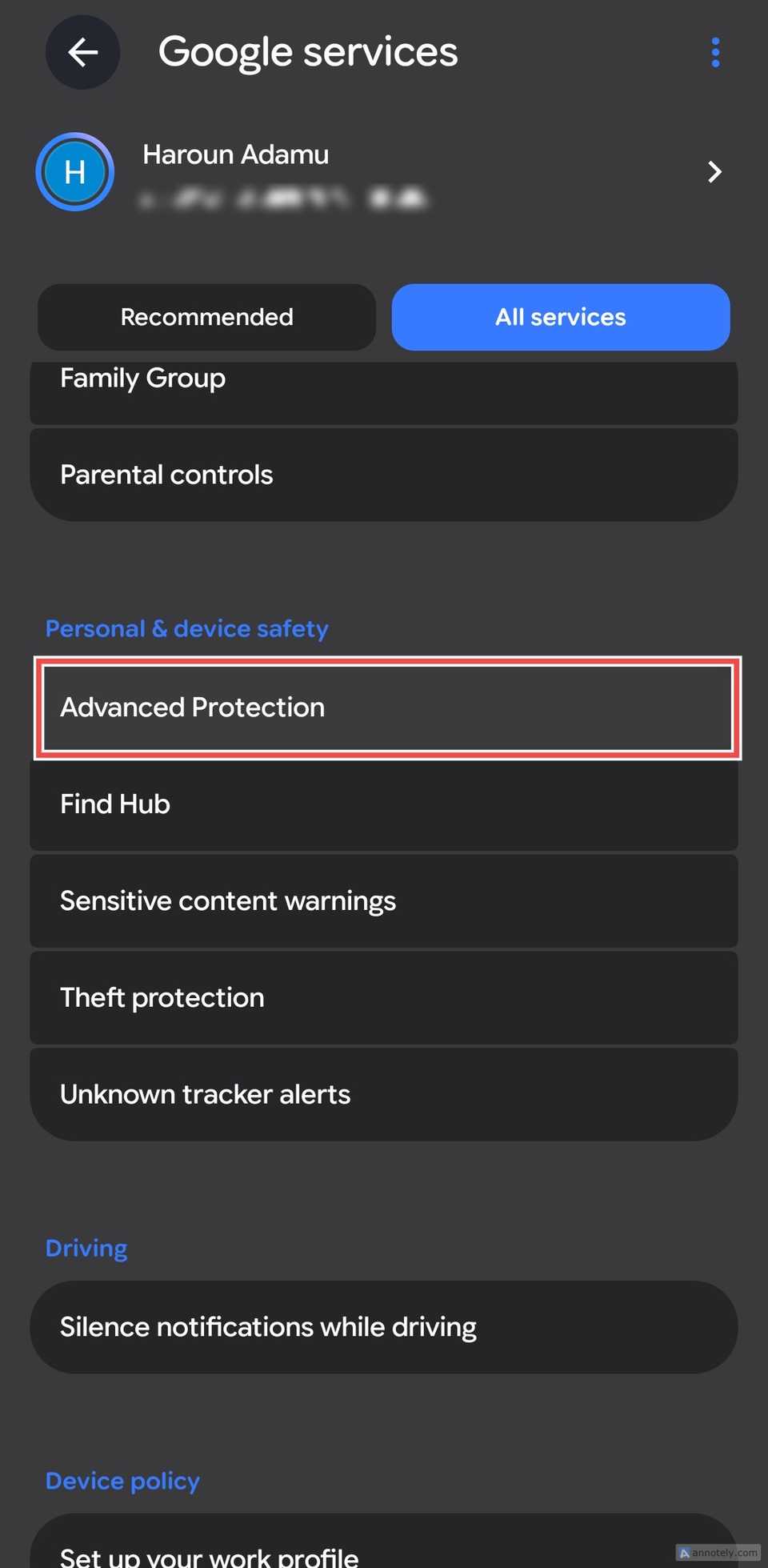
- Google services.
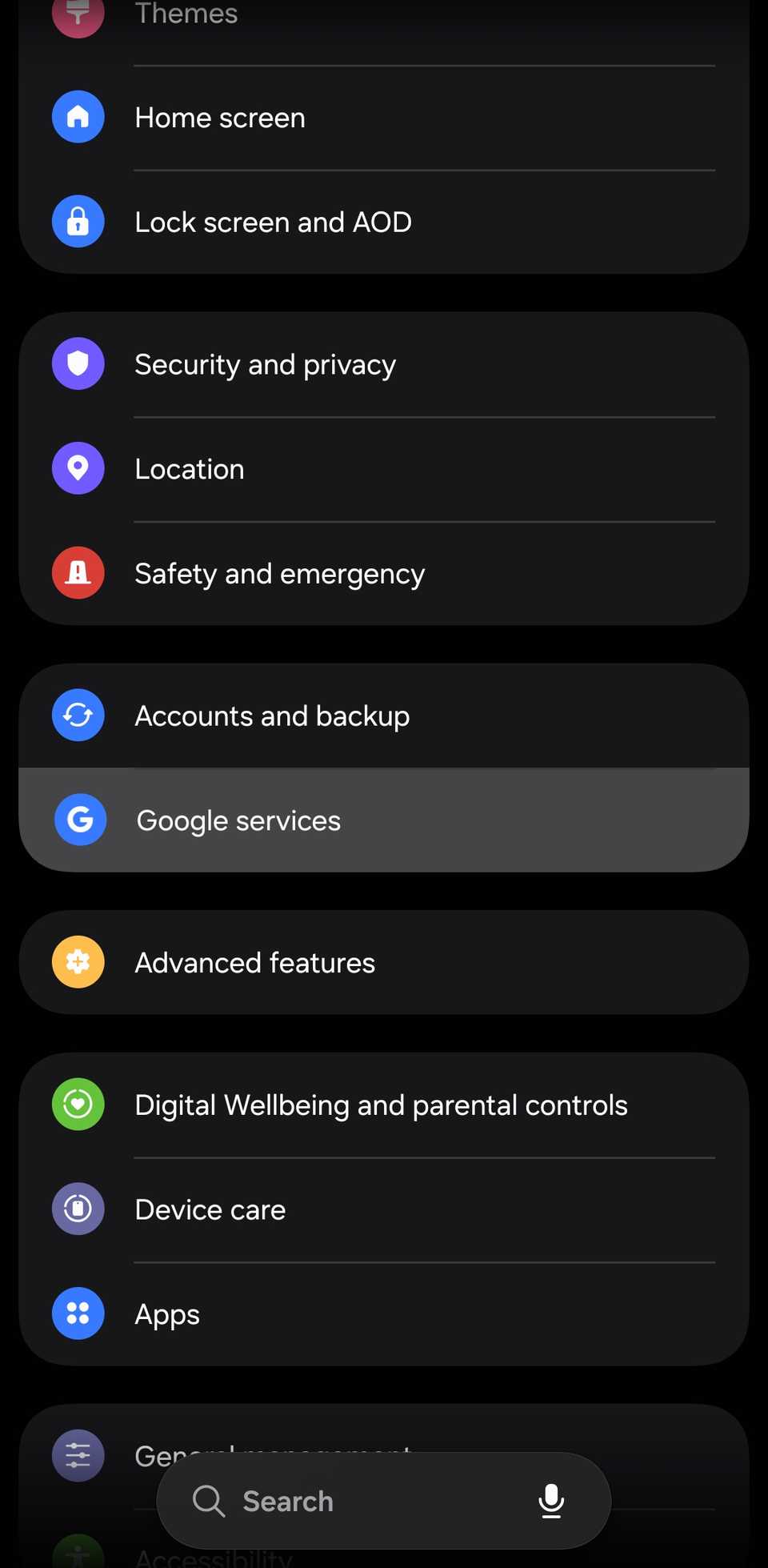
- Switch to the All services tab at the top and scroll down to the section.
- Device protection.
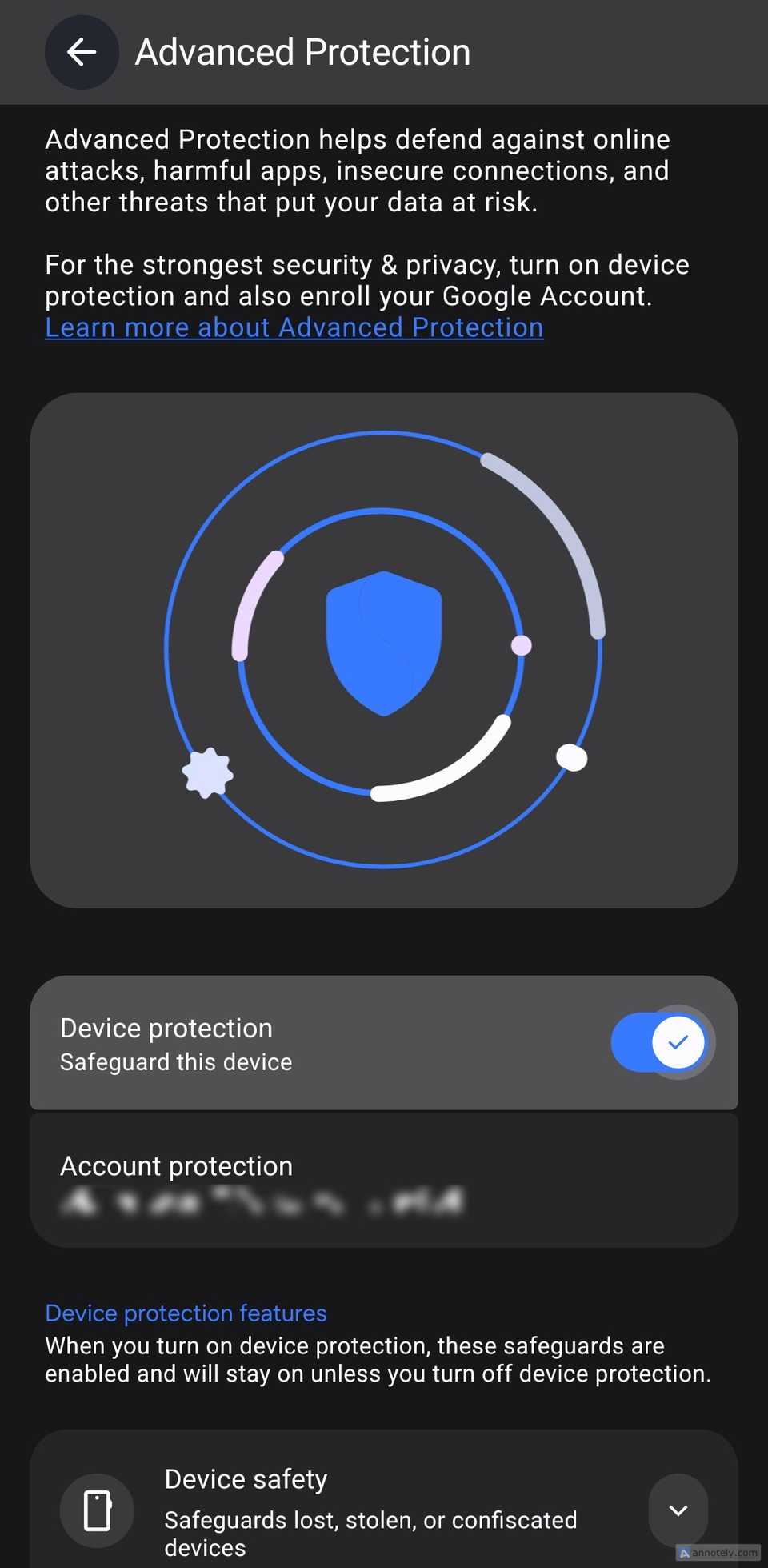
- Tap Turn on in the confirmation pop-up box.
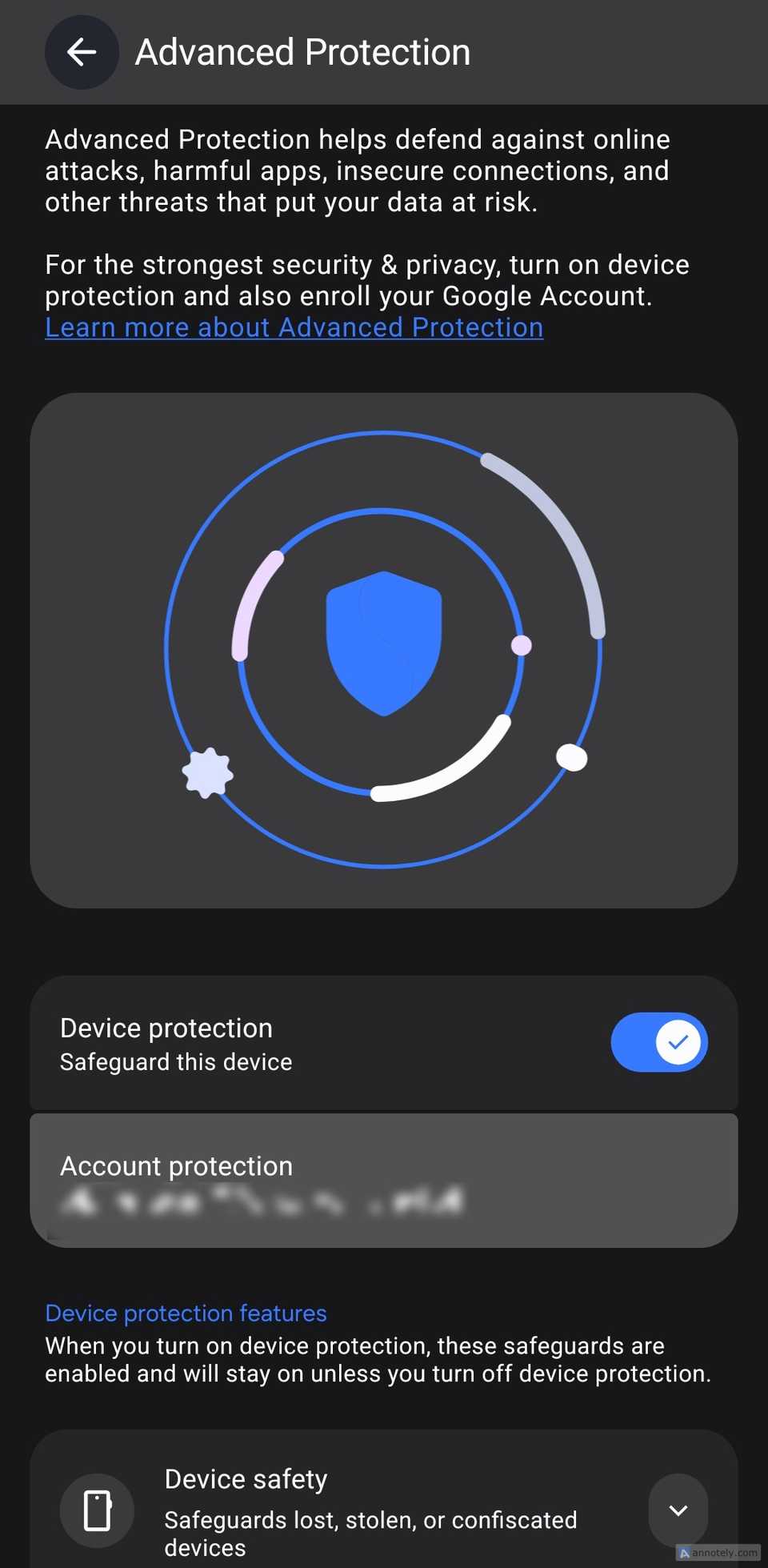
- Select Account protection under Device protection. It'll load a web page with your Google account and a request to unlock your device.
-
Scroll to the bottom and tap Enroll in Advanced Protection. You'll need to set up a passkey, recovery phone, or recovery email.
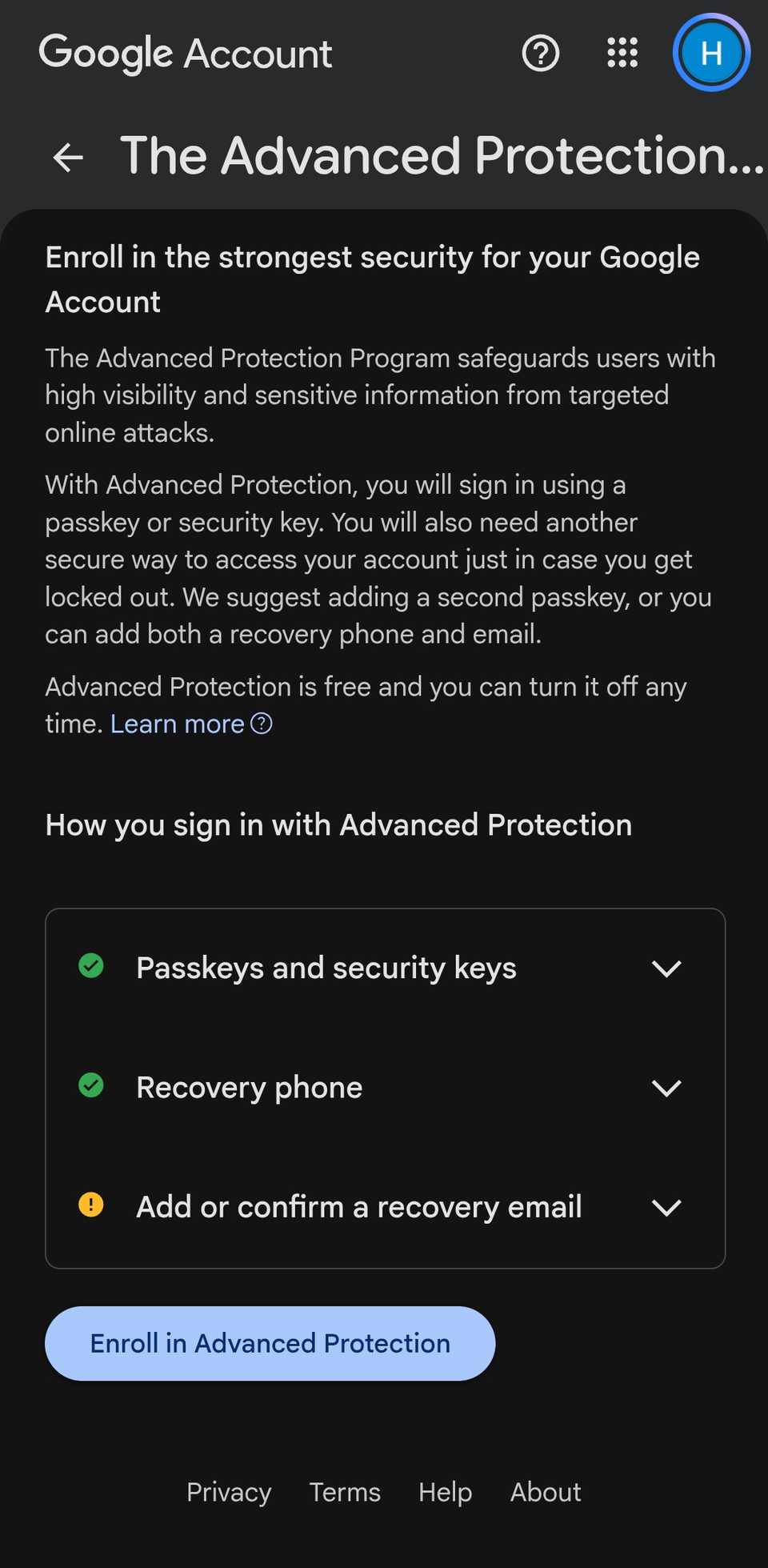
- Tap on the confirmation pop-up box.
Where they overlap, and where they don't
There's surprisingly little overlap
Both Auto Blocker and Advanced Protection block sideloading and 2G networks, and that's where they truly overlap.
Even here, Advanced Protection goes a little further. It also blocks updates to apps you sideloaded before turning it on.
But that's about it. Auto Blocker handles USB, dial codes, Message Guard, and Samsung's apps. Advanced Protection handles Chrome, Google Messages, Play Protect, and the automatic restart.
Neither feature seems to interfere with the other.
Turning on both features comes with trade-offs. You can't install apps from outside the Play Store or Galaxy Store, send USB commands from your PC, or use dial codes like the *#9900# Samsung SysDump menu until you turn them off.
Auto Blocker and Advanced Protection make a strong pair
Neither feature covers everything on its own, but together they leave very few gaps.
Combined, they cover more ground than either one does. If you want another layer of privacy on your Galaxy, consider making the most of your .