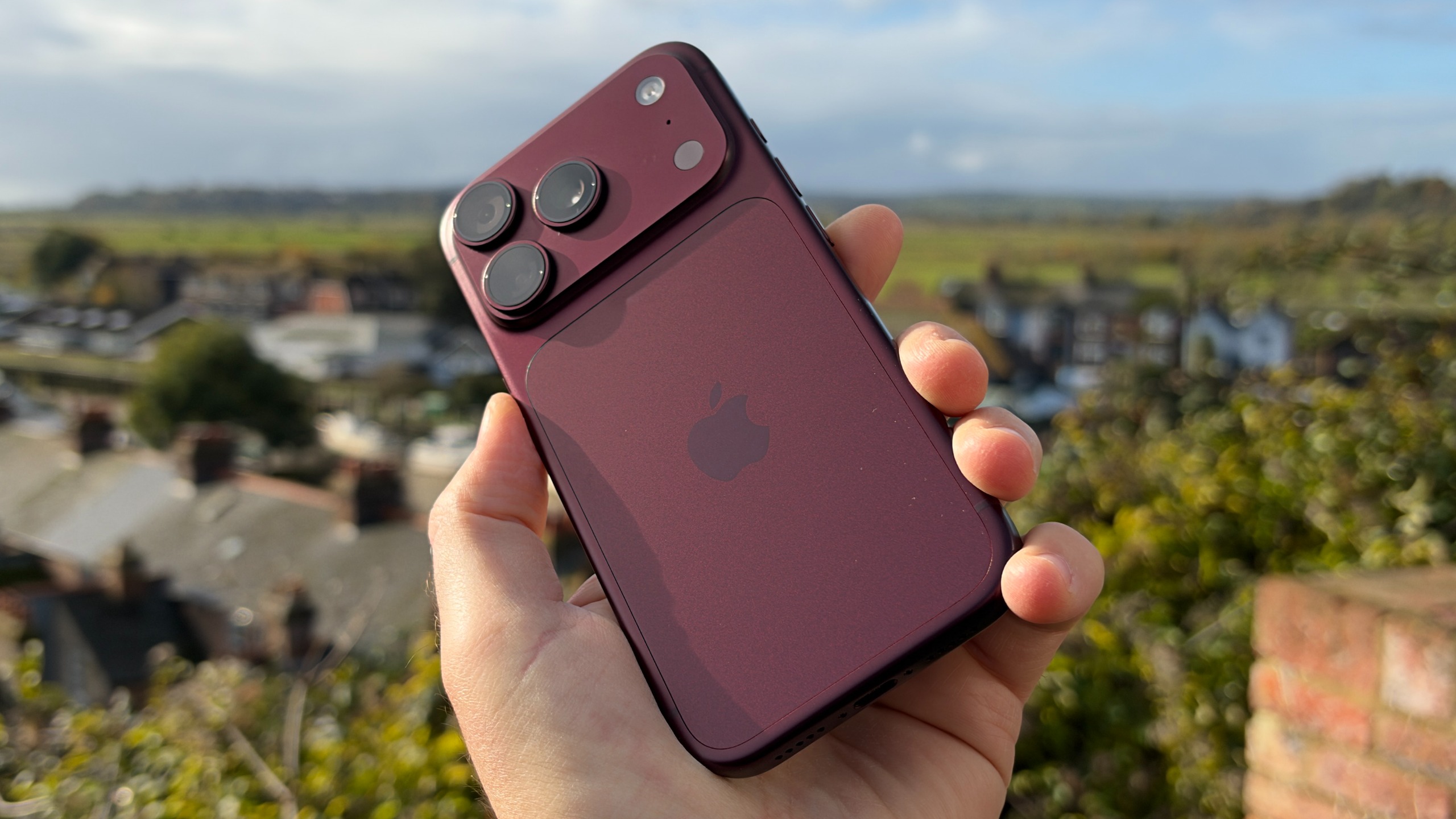
Apple has touted the addition of a variable aperture main camera on the new iPhone 18 Pro, claiming it delivers an improvement in low-light photos and video, and more control over depth of field when composing shots.
But with an almost identical design and spec sheet to the excellent iPhone 17 Pro, the iPhone 18 Pro begs the question: are these camera upgrades incremental, or worth the extra investment?
I received my iPhone 18 Pro review sample on September 21, two days before flying to New Zealand for a month-long trip to see family and friends. The country's dramatic scenery proved the perfect place to put the iPhone 18 Pro through its paces, and I ended up shooting more than 750 still images to see if Apple's much-hyped photography upgrades cut the mustard.
In addition to that variable aperture feature, Apple also added ‘pro’ manual controls to the iPhone 18 Pro's camera app for the first time, as well as more customization options for Photographic Styles, including a film effect and film grain effect.
Cumulatively, these granular control options are quite un-Apple, putting much more control in the hands of an iPhone photographer who might be used to a simpler point-and-shoot experience.
In doing so, Apple is asking for its latest iPhone to be held to a higher standard. And the bottom line is that, while the iPhone 18 Pro has the best and most versatile camera setup of any iPhone to date, there are more capable alternatives available just a short hop over the tech fence in Android land for platform-agnostic mobile photographers who want the very best available.
Variable aperture
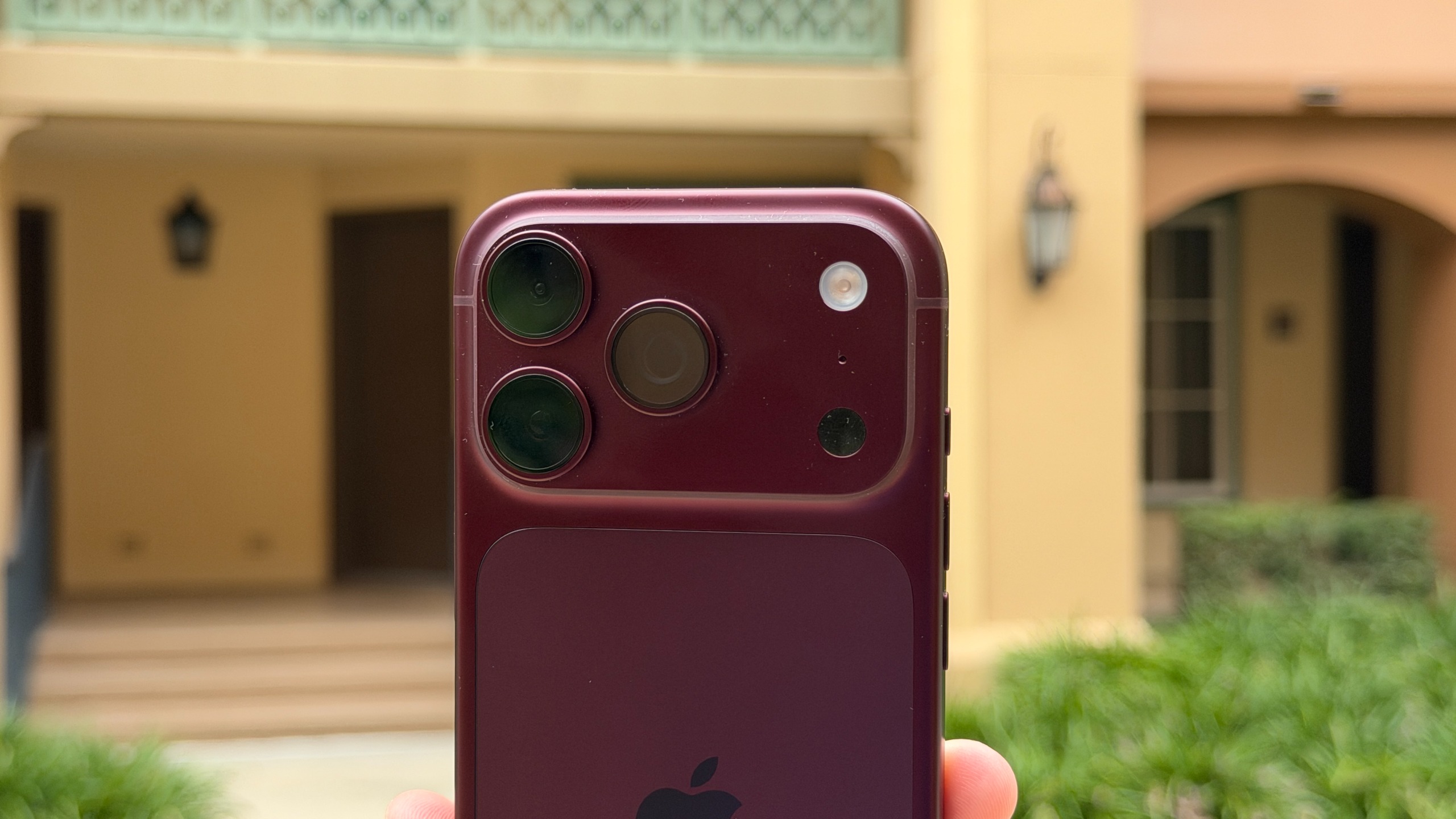
The variable aperture is a physically moving mechanism that can be manually changed between four different f-stops — the smaller the f-stop number, the more light is allowed to reach the lens, and vice versa.
The iPhone 18 Pro’s main camera is a 48MP sensor that can switch between f/1.4, f/1.8, f/2.8, and f/4.0. This makes it the most flexible iPhone camera lens to date, but Apple only allows those four settings — unlike a real camera, you can’t adjust to incremental f-stops between those numbers.
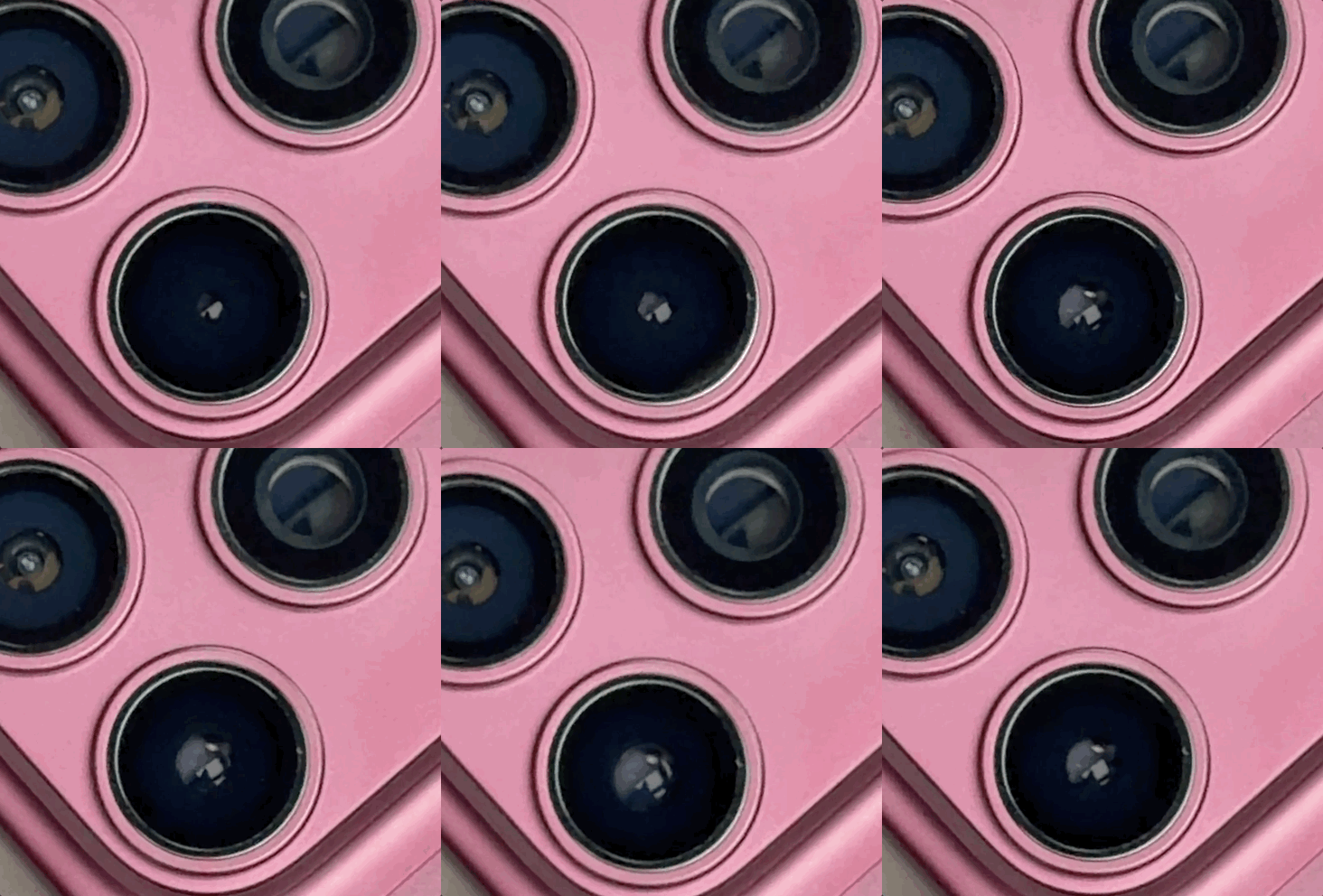
Changing the aperture on the iPhone 18 Pro subtly changes how much background blur a shot has when there's a subject in focus in the foreground. This is how cameras work, but usually, the small sensor on a phone requires software-enabled portrait modes to achieve this bokeh effect.
The iPhone 18 Pro can do it with hardware only, though the difference between the four settings is quite minimal, as seen here:




You can change the aperture manually, but it’ll also change automatically by default. And after a month of using the iPhone 18 Pro as my main camera, I feel this is still how Apple's latest flagship should be used: as a point-and-shoot camera with its default settings enabled. As you can see from many of my favorite images, the iPhone chooses the main lens at f/1.8 frequently, and it'll usually be spot on.
As mentioned, this variable aperture is the headline feature of the iPhone 18 Pro, but the subtlety with which it changes the photography experience versus the iPhone 17 Pro suggests there’s not much more Apple can do with its flagship camera system.
That said, the addition of customizable ‘pro’ controls within the camera app is a nice touch. I set my control panel to show shutter speed, white balance, and aperture, and they were fun to play around with to achieve better shots in low light, for instance. But unless you're invested in wringing the best possible results from the iPhone 18 Pro's lenses, you’ll likely forget about these new controls after a while.
The good news is that, if you're a more casual shooter, Tap to Focus continues to work well on the iPhone 18 Pro. I was impressed with the main lens' ability to capture the two images below. Tapping on the background and foreground, respectively, quickly focused on the part of the scene I wanted to highlight, with strong results.

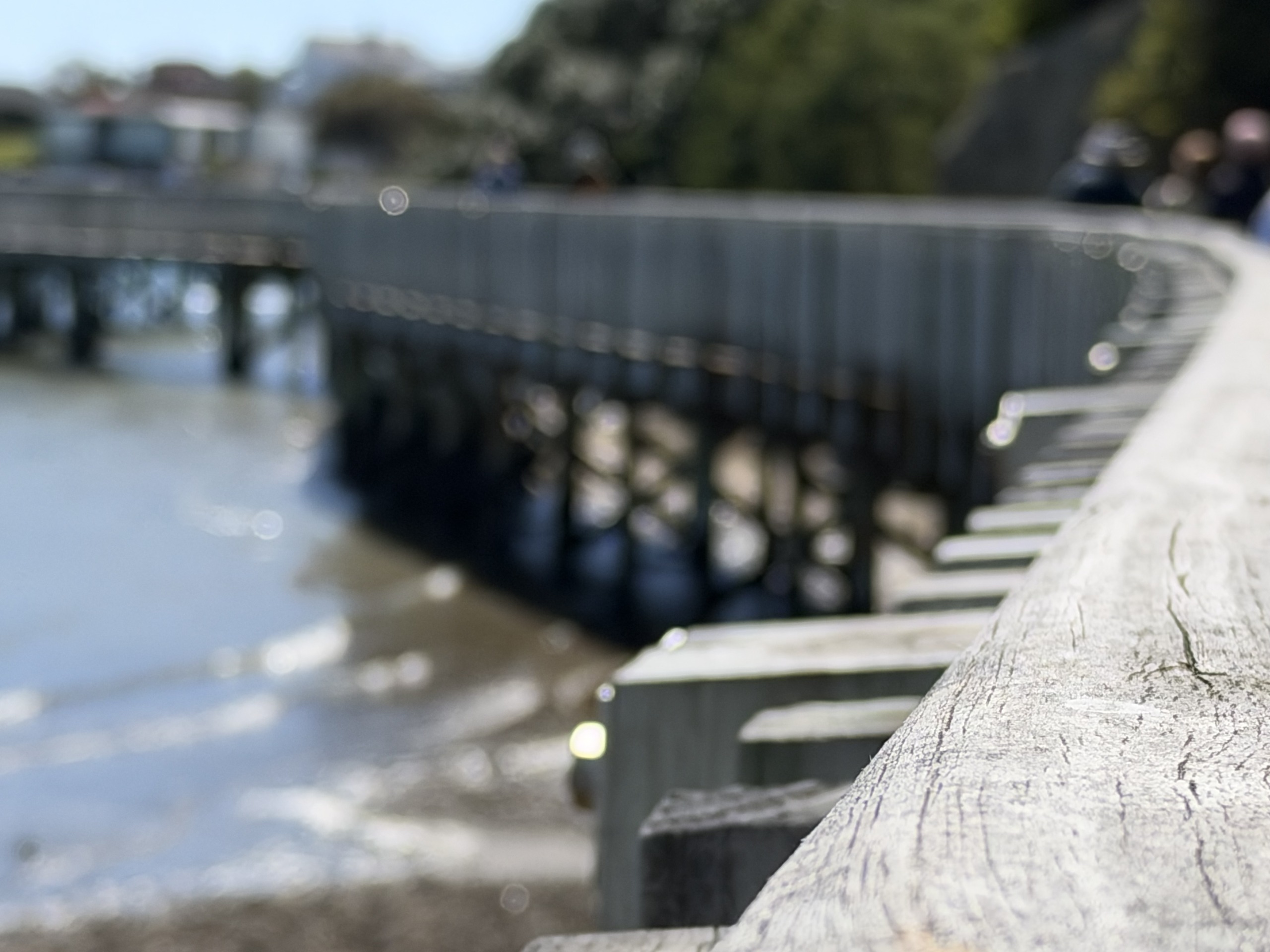
I’ve managed shots like this on phones like the Xiaomi 17 Ultra, but that handset has a much larger 1-inch sensor. It's a testament to Apple's hardware and software prowess that the iPhone 18 Pro’s smaller 1/1.28" sensor can be this capable.
Android phones have long had more technically capable camera systems than iPhones, and while that is still the case, the iPhone 18 Pro represents yet another small shuffle forward for Apple.
Apple has also updated the Photographic Styles on offer for the iPhone 18 Pro, and they're much more varied than before.
Below, I've included the same shot taken in succession with several different filters (in their default setting) applied, and noted each filter name in the caption. To my eye, some are tastefully done, others less so:
Handily, if you don't love the look of a particular filter, you can dive into each one and tweak both ‘palette’ and ‘texture’ granularly (though the little dot matrix Apple offers to do this is fiddly, and doesn't explain what you're actually changing).
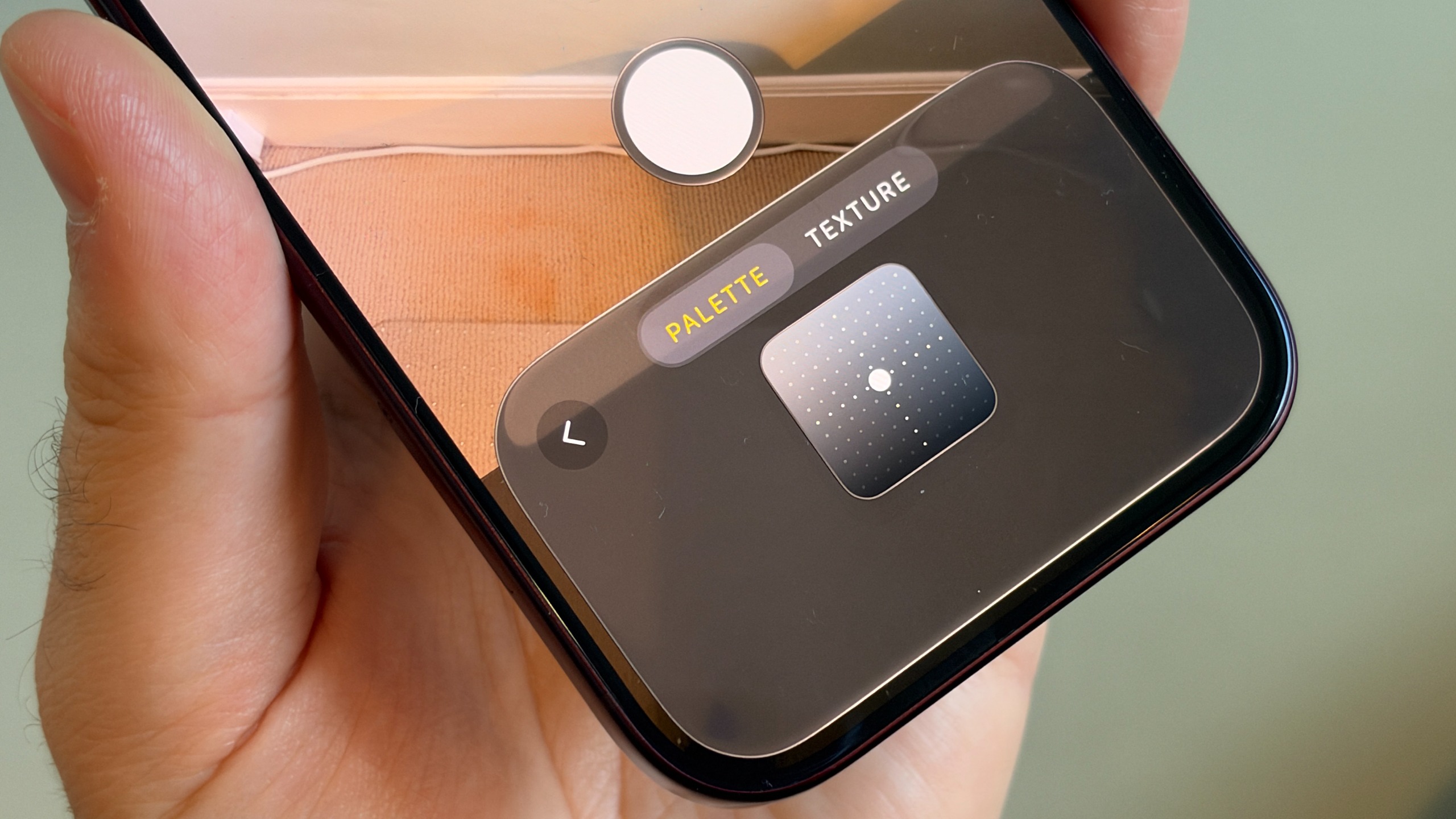
Within ‘texture’, you can add a film effect and then even extra film grain over that. It’s a bit heavy-handed for my liking, but I did get some cool shots from it:



4x telephoto
While Apple has advertised the variable aperture on the iPhone 18 Pro's main lens more than any other feature, I still really enjoy shooting with its 48MP 4x optical telephoto lens, which has no such capability.
It's the best-looking telephoto I’ve used on an iPhone to date, with optical image stabilization resulting in crisp and well-rendered shots. Some of these were captured on the move while pushing a pram, so a hat tip to the iPhone's ability to eliminate blur (or my steady hands — you decide).
All were taken in the iPhone 18 Pro's default shooting mode, with the Standard filter:
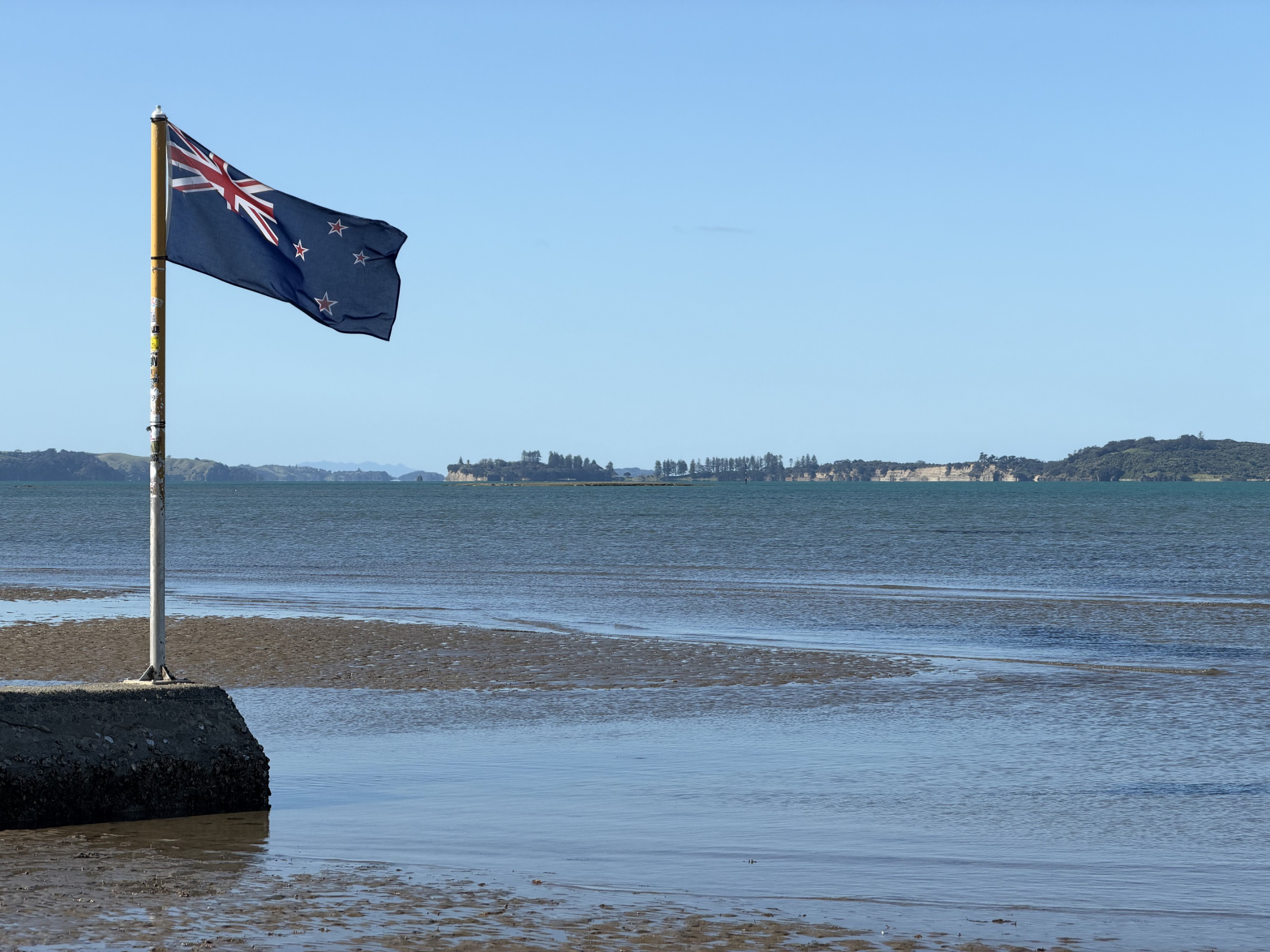
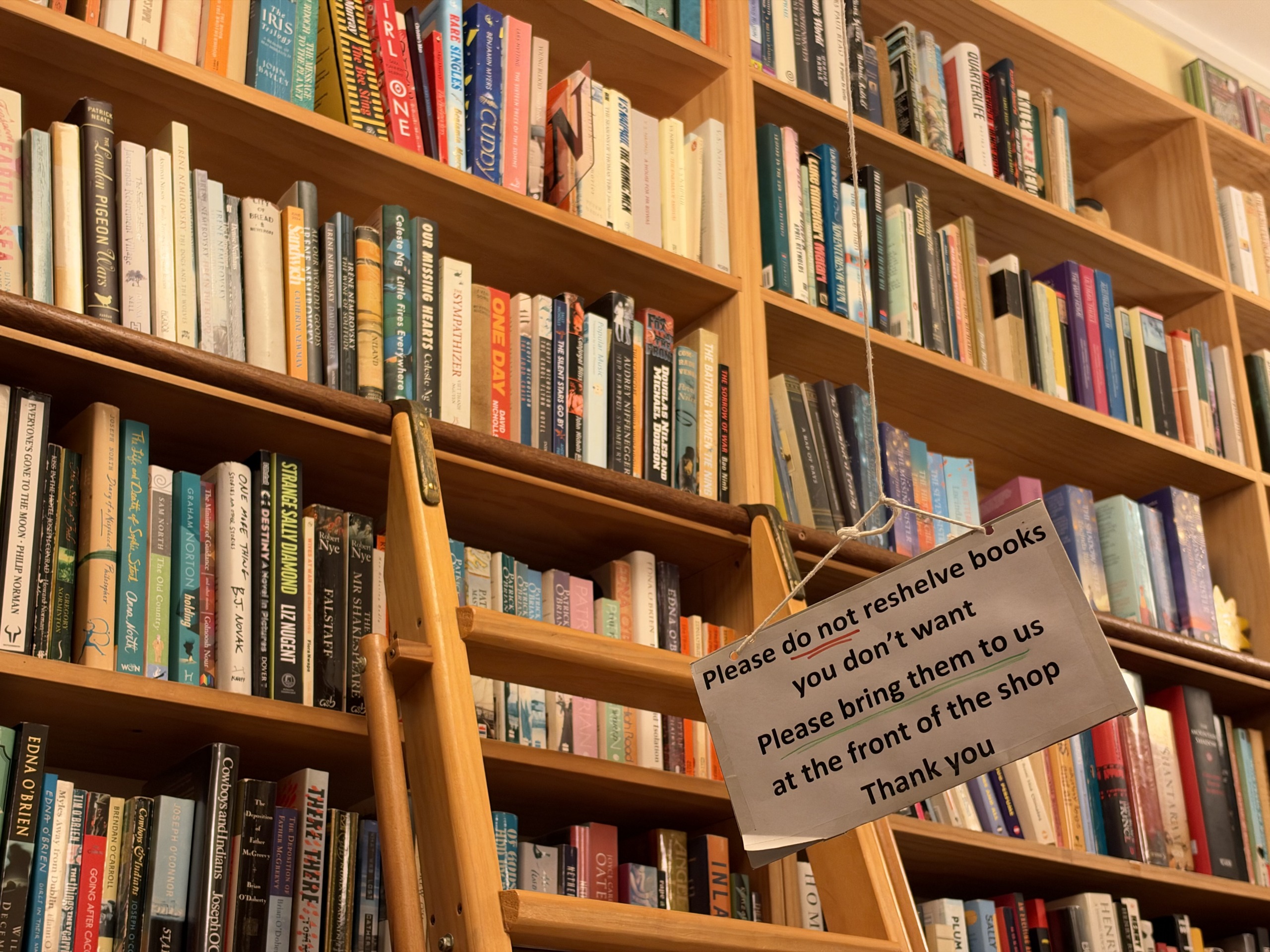
Admittedly, this telephoto lens is still not as capable as those you'll find on phones like the Xiaomi 17 Ultra, which boasts a formidable 200MP sensor and continuous optical zoom, or the Vivo X300 Ultra, whose own 200MP lens offers exceptional detail and tone. But it is stellar for an iPhone, and that's notable given Apple has long lagged behind the Android competition when it comes to imaging performance.
It's significant, too, that these small hardware improvements are paired with Apple's excellent iOS software. I love the Vivo X300 Ultra’s camera, but I find it hard to enjoy using Vivo phones for long periods given their comparatively unpolished Android software. Apple continues to rank at the top of the pile for software slickness.
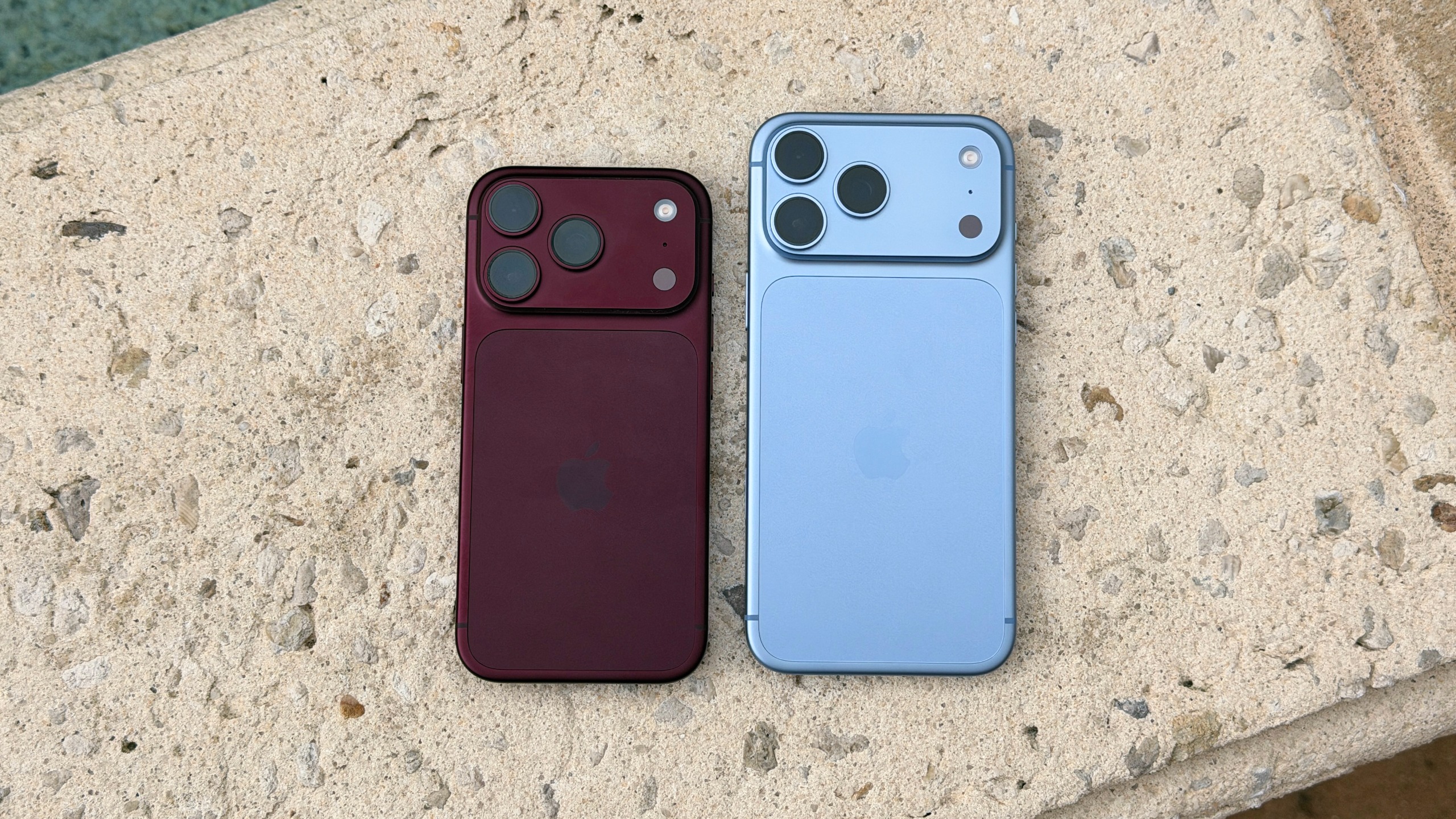
This was the first time I’d tested a Pro iPhone for an extended period of time since the iPhone 15 Pro Max, and compared to that phone, the 18 Pro feels like a sizable step forward in both hardware and software.
But that's a three-year evolution that I’ve been able to experience. The 18 Pro is certainly only a tiny step forward versus the 17 Pro, and it's not too far ahead of the 16 Pro, either.
So for iPhone fans who want a substantial camera upgrade over their current device, I'd only recommend upgrading to the iPhone 18 Pro if you've got an iPhone 15 Pro or older. You’ll certainly notice the step up in overall quality.
And although Apple sings the praises of the 18 Pro’s variable aperture feature in its wall-to-wall marketing of its new phone, in truth, it’s the cumulative effect of several years of iteration that make an iPhone’s camera system feel like a true upgrade.
That's the best praise I can give these excellent cameras, along with the simple fact that they're incredibly fun to shoot with, which I haven't always found while reviewing iPhones over the past decade.
To finish, here are some more of my favorite New Zealand-shot photos that I feel showcase the iPhone 18 Pro's versatility:
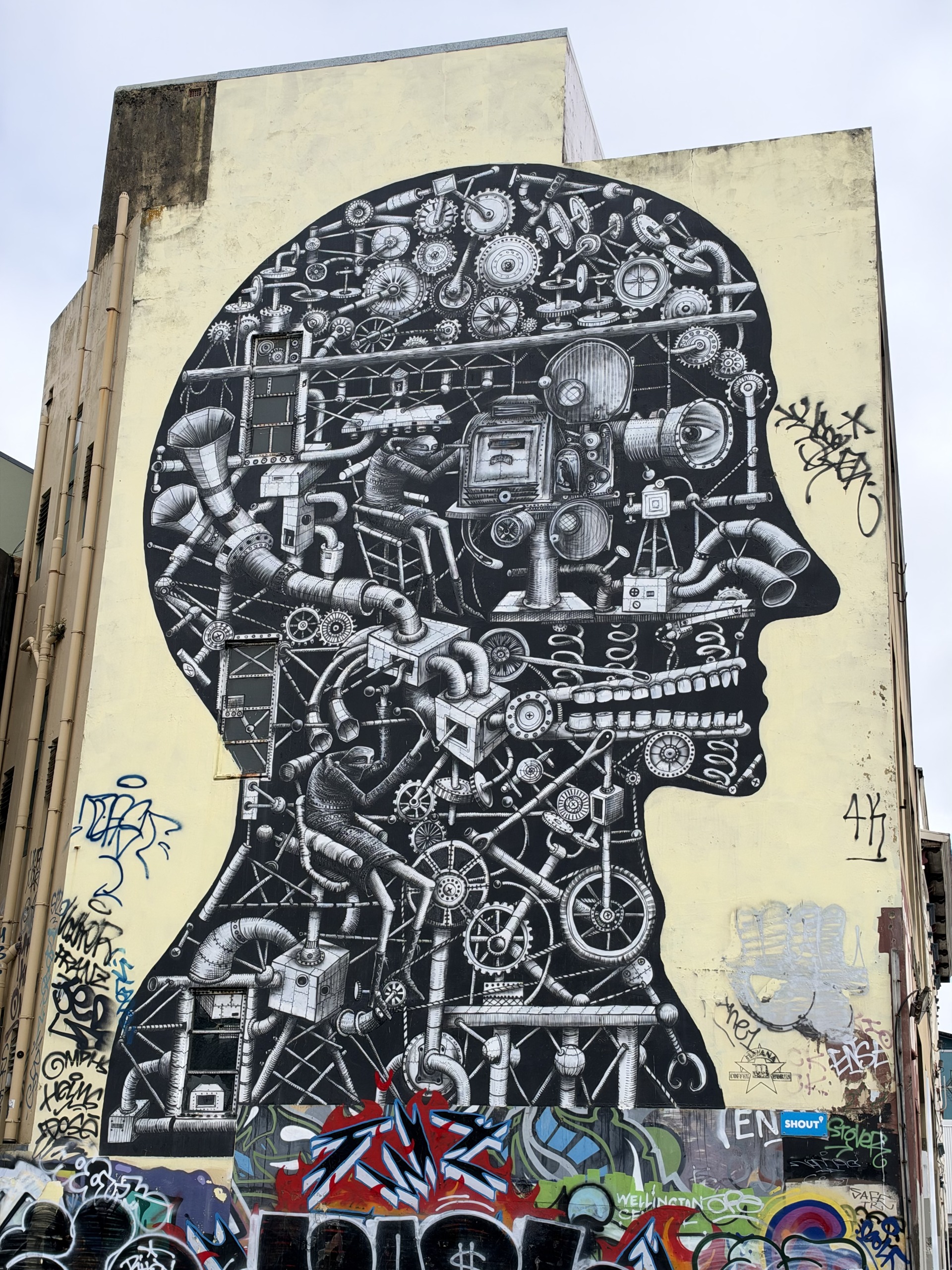
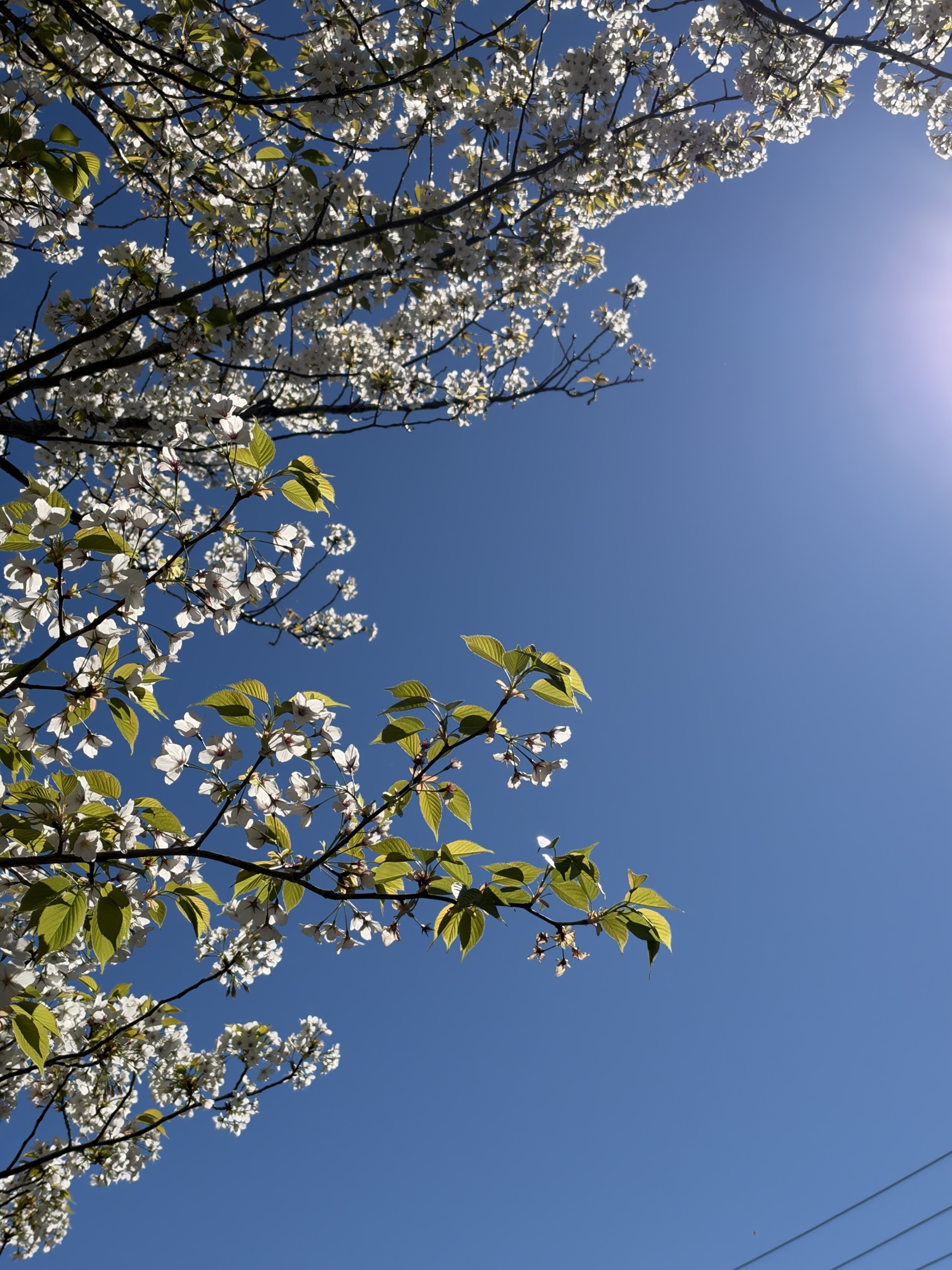



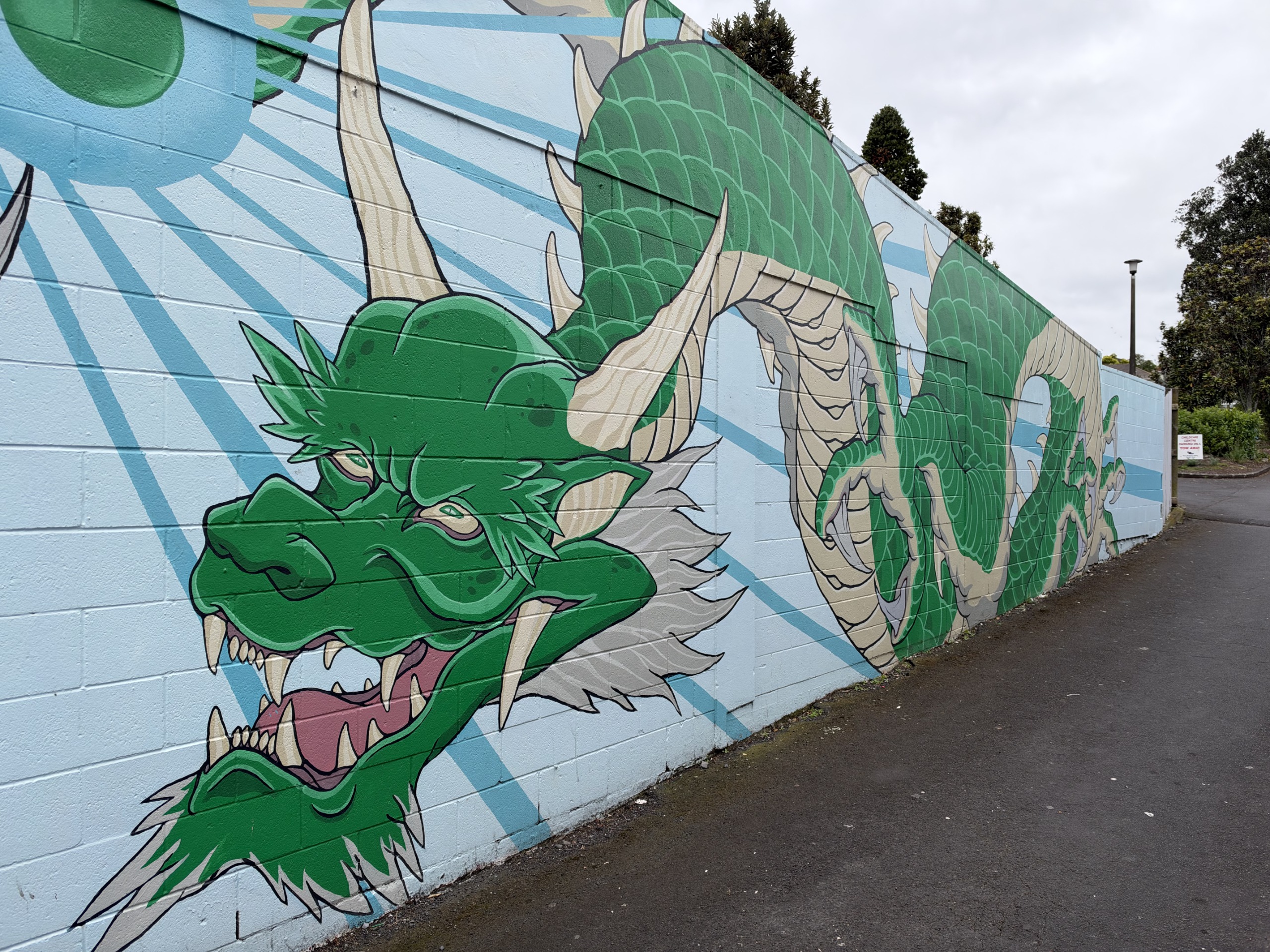


Android die-hard pixel peepers will understandably stick to their superior hardware. But as far as iPhones go, the 18 Pro will surely please all who carry it as their main camera.

And of course you can also for news, reviews, unboxings in video form, and get regular updates from us on too.
Henry is a freelance technology journalist with more than a decade of experience in the industry. Formerly Deputy Tech Editor at the Daily Express, he has also held senior positions at Tech Advisor, and has reviewed countless smartphones over the years, obsessing over screens, battery life, and camera smarts. He reviews phones, tablets, wearables and headphones, and has contributed to TechRadar, Trusted Reviews, Stuff, PC World and Macworld. He still daydreams about a time when the Game Boy Color was the bleeding edge of handheld gaming.