
I was a dedicated Chrome user for over a decade, so much so that I'd call myself a loyalist.
Over the past few months, my has grown, especially with how it drags down my phone and desktop.
I largely blame the aggressive data harvesting and tracking practices baked into Google’s browser. Even worse, it lacks native anti-tracking and integrated ad-blocking tools.
Following several colleagues' suggestions, I tested multiple alternatives.
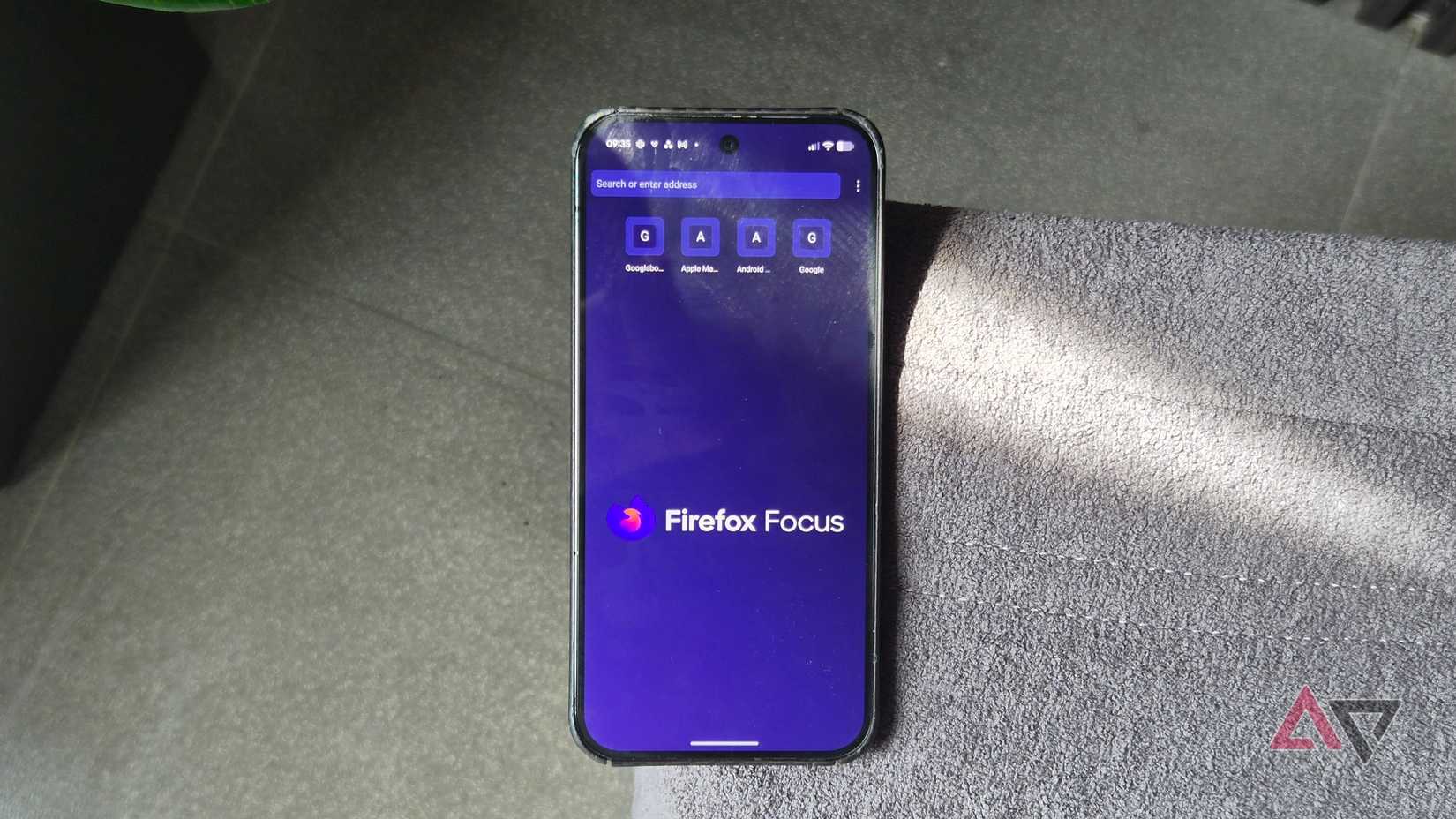
Although I settled on standard Firefox on my Google Pixel phone and on my Galaxy devices, I’ve also thoroughly enjoyed another browser over the past few weeks: Firefox Focus.
A browser tailored for disposable web sessions
It prioritizes privacy and speed
For years, I used Chrome as is, which is probably typical for most people.
I toggled every personalization option I came across, accepting Google’s recommendations without fully grasping the broad permissions and sensitive data I handed over.
Gradually, I realized how much it degraded my everyday browsing. It either bogged down my device or drowned me in targeted ads across Search, YouTube, and other services.
That quickly became irritating during quick browsing sessions. Even when I opened a single link, I got sluggish performance and invasive banners.
I eventually shifted to standard Firefox as my primary browser, which solved several headaches I encountered with Chrome.
However, it isn't an all-in-one fix, and it didn't match my habits for quick queries, especially when opening links from chat apps or news aggregators like Google News and Feedly.
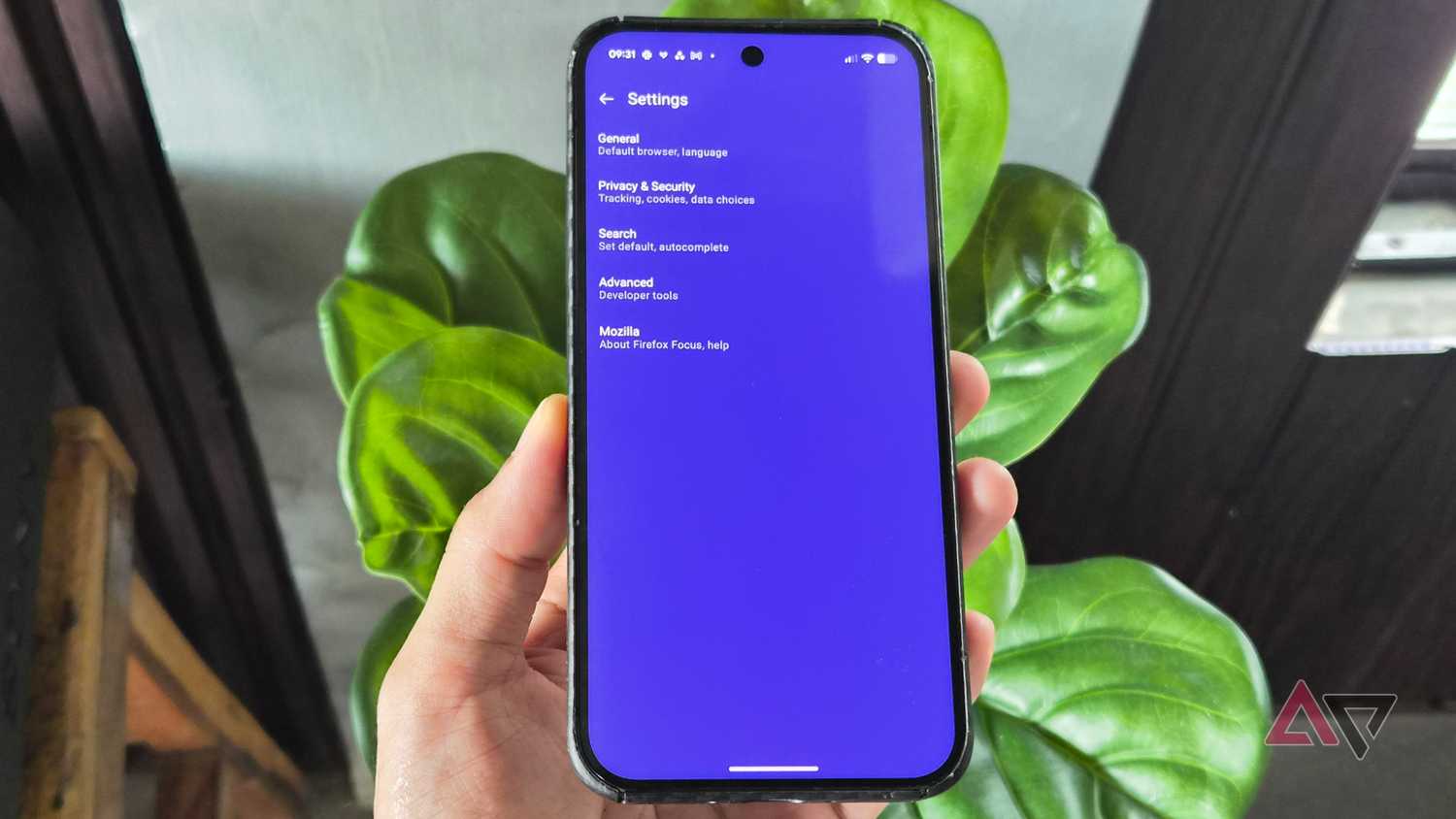
I wanted an option equipped with aggressive privacy safeguards enabled straight out of the box.
There had to be a browser suited to that exact requirement.
Why Firefox Focus fits my workflow
One tap to vaporize my browsing history
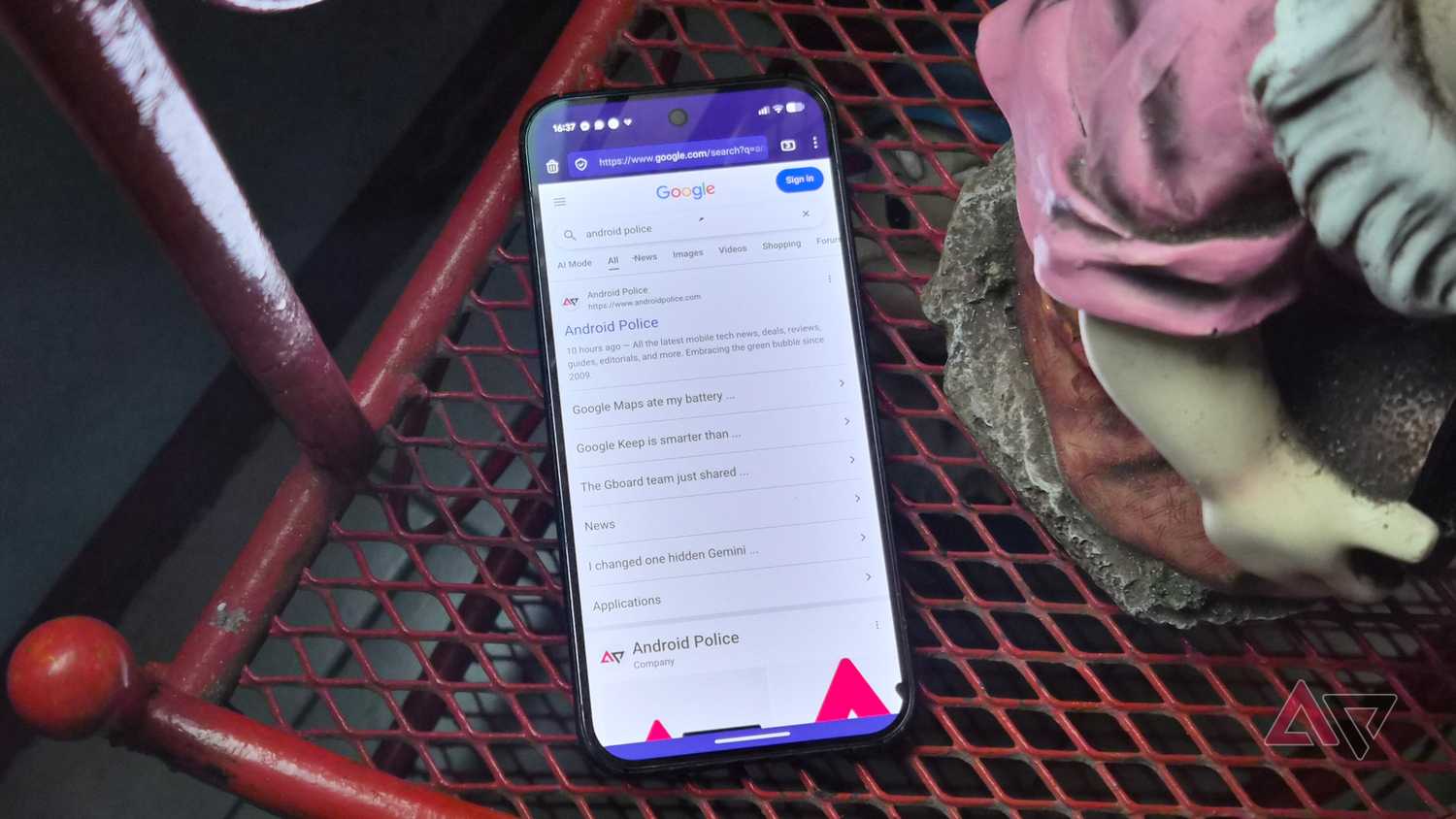
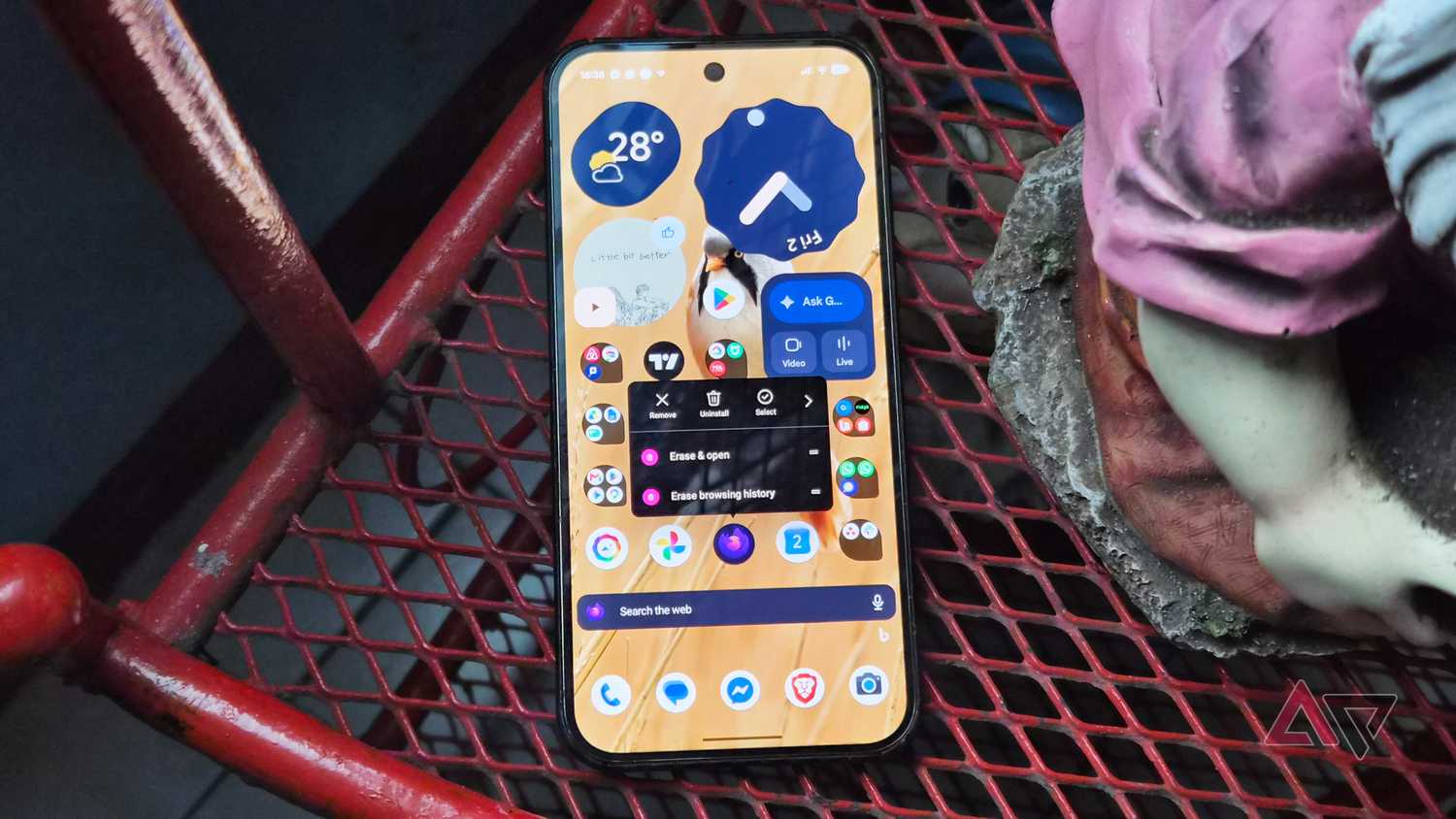
It didn’t take long for me to stumble across Firefox Focus.
It consistently sits near the top of recommended privacy-focused options, if not as number one.
So, how does it differ from standard Firefox and other browsers?
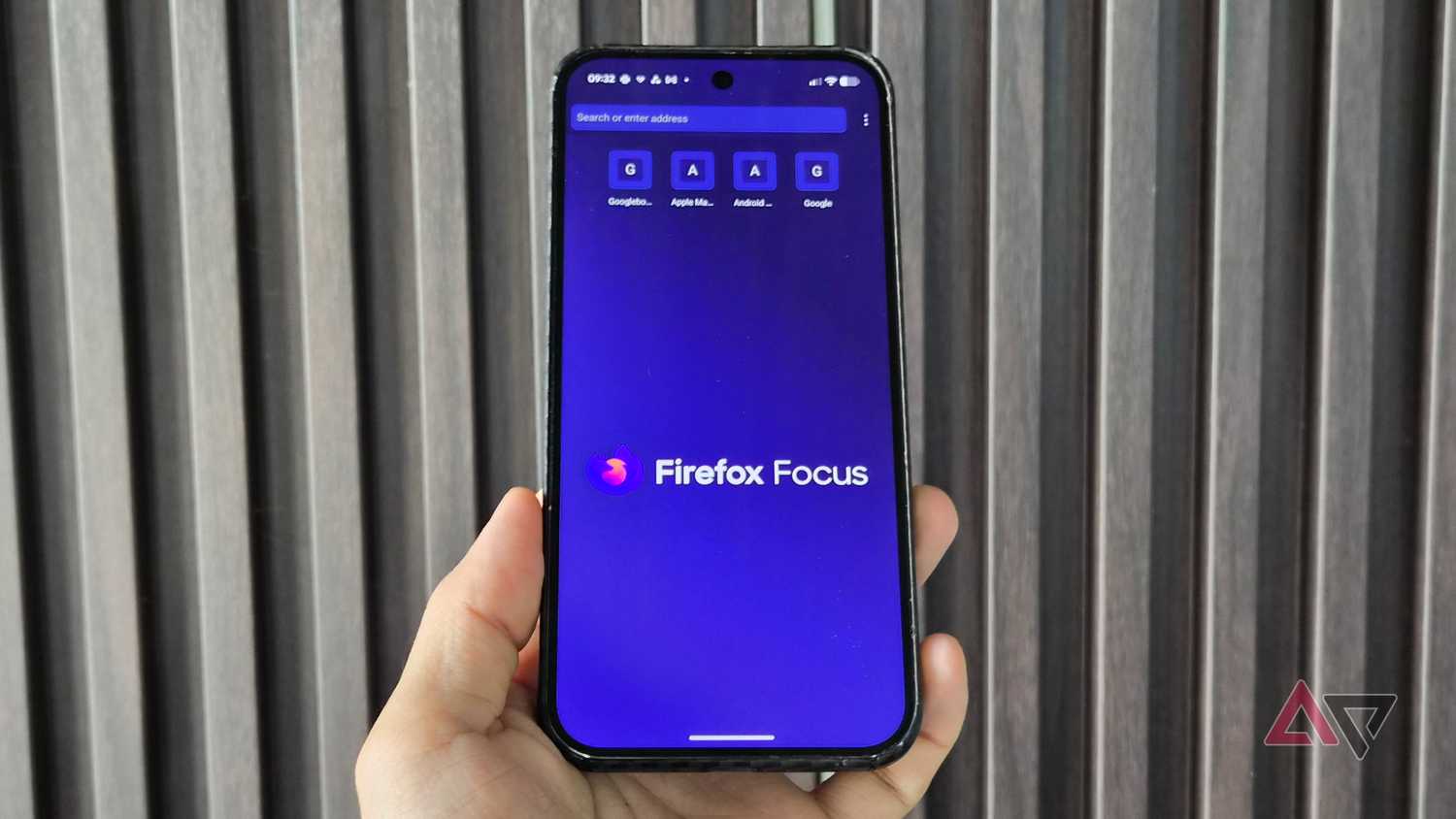
Firefox Focus is an ultra-lightweight utility. That sounds great on paper, but the real advantage is how it functions.
It edges out the competition with always-on tracker blocking and cookie scrubbing.
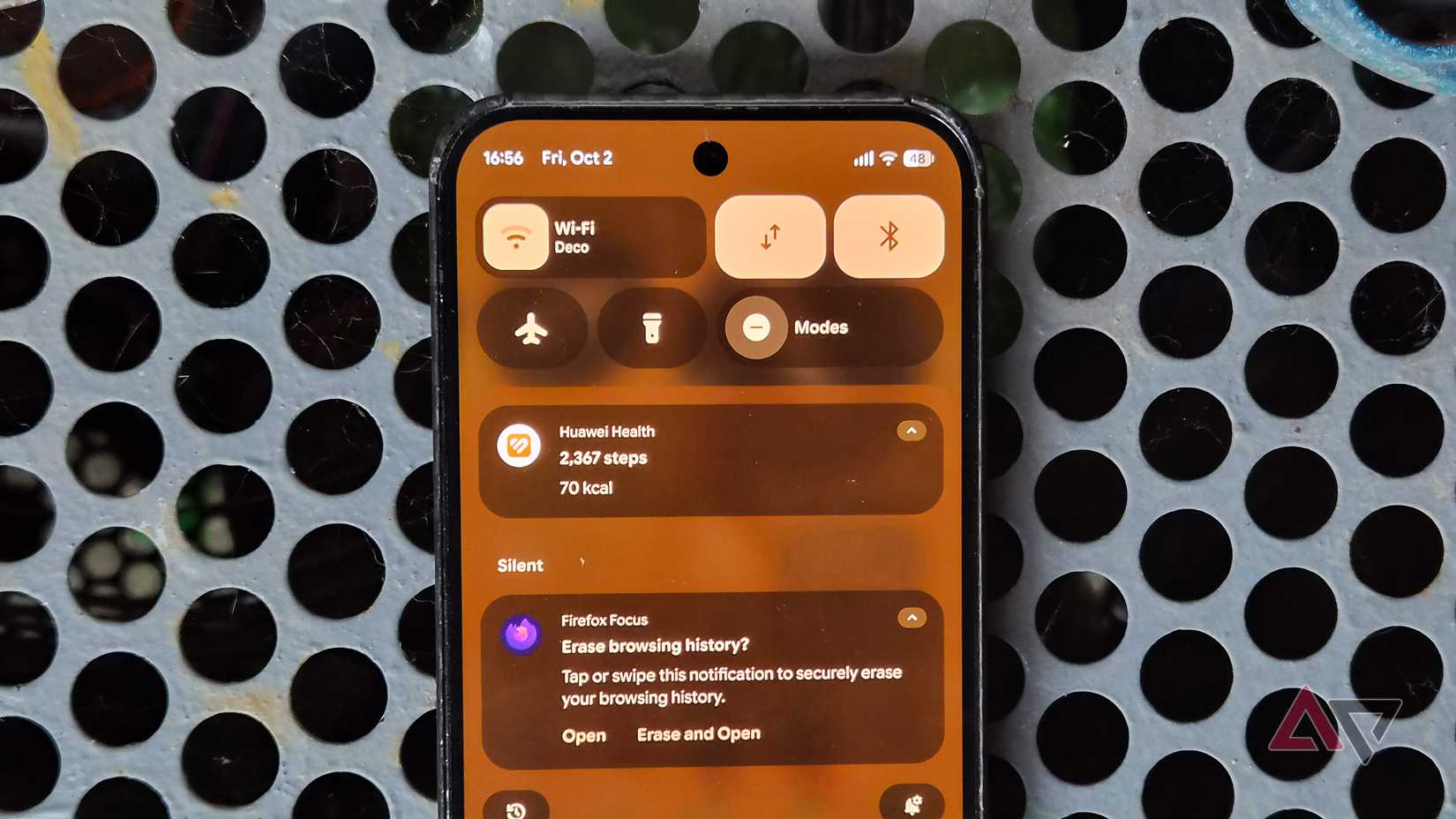
Focus works like the incognito tab in a traditional browser, but it runs in private mode around the clock. It eliminates the arduous task of manually deleting caches, browsing logs, and cookies.
I also appreciate the dedicated one-tap delete icon, which lets me purge an entire session in one swoop.
It brings peace of mind knowing websites or browsers can't harvest my activity to train their models, tweak my search results, or force ads down my throat.
Where Firefox Focus really shines
A light browser for aging devices
Firefox Focus's ephemeral design makes it ideal for checking unknown or sketchy links from WhatsApp or Messenger. But it works just as well for routine news articles.
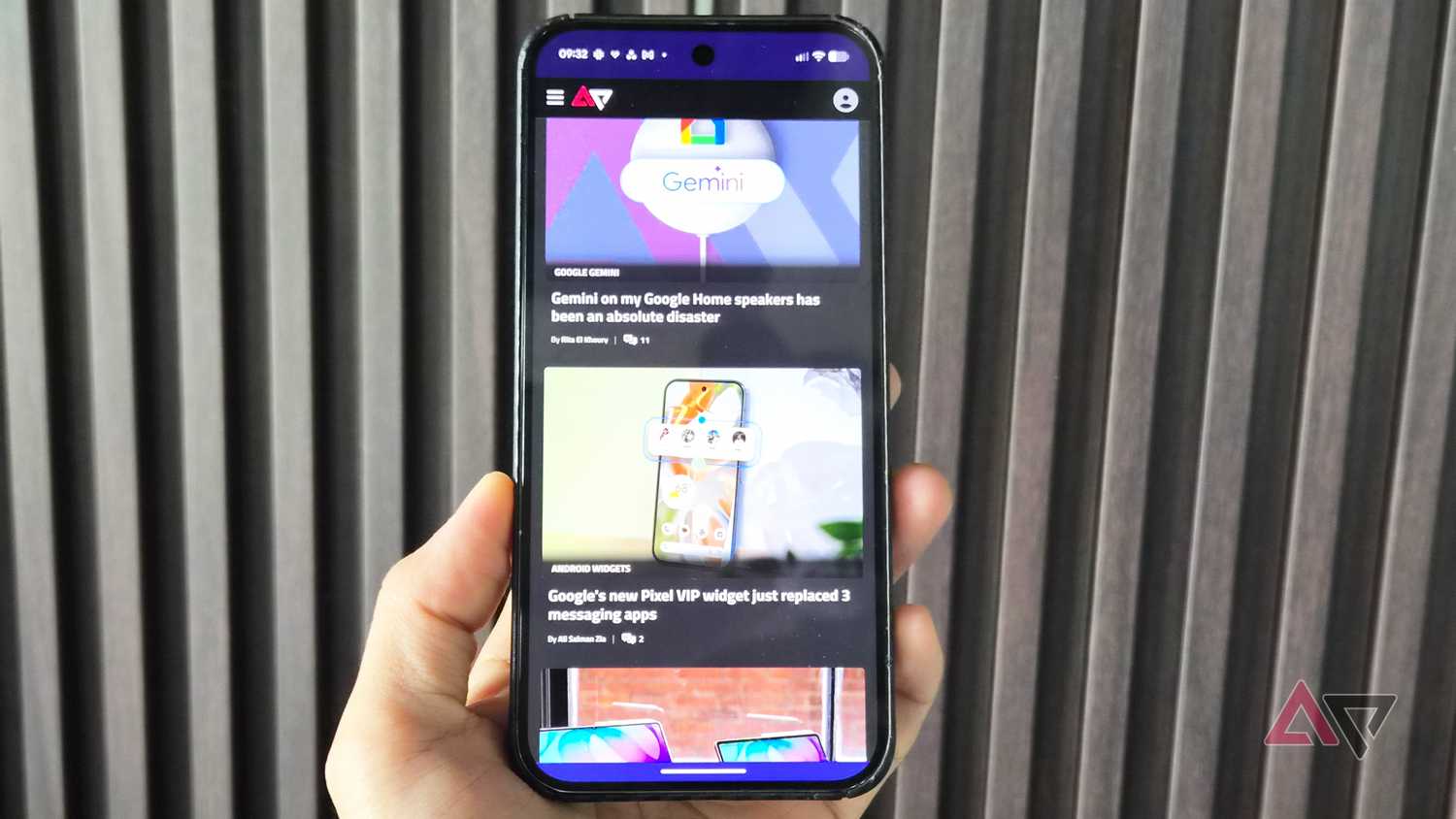
I rely heavily on Google News and Feedly, and Focus serves as a solid browser for consuming articles from different sources.
I can skim through headlines knowing these engines and domains don't secretly track me or record my data.
Plus, it automatically strips ads across websites, so you don't need to install and activate a third-party ad-blocker.
This means that pages render considerably faster on Firefox Focus because it uses fewer resources by shedding scripts.
That alone could help with aging devices, especially those with slower processors or limited memory.
But there are workarounds
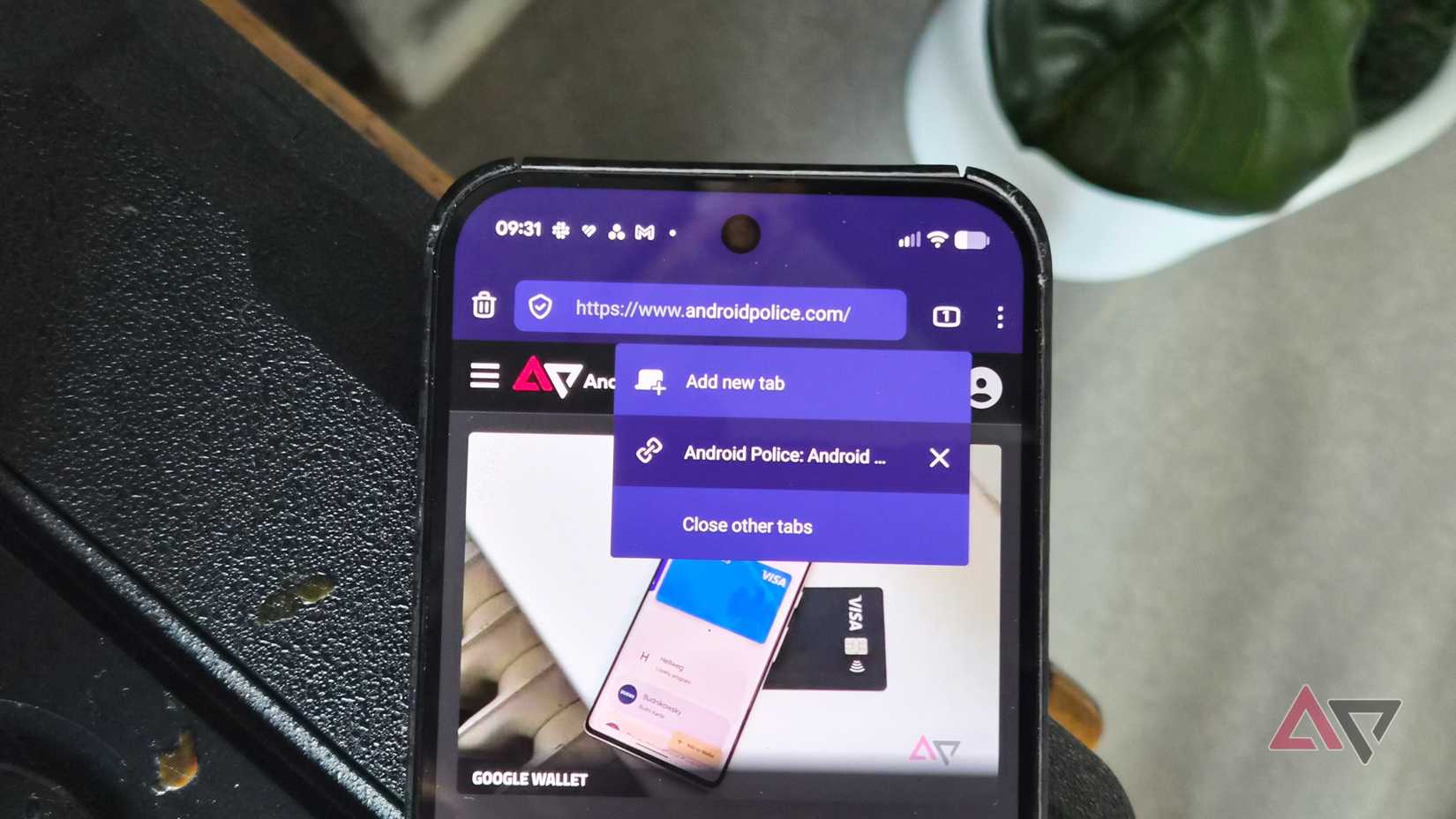
While Firefox Focus keeps your browsing safe and snappy, it won't fully replace a standard browser like Chrome or Edge.
These sessions are volatile, meaning logins are discarded as soon as you exit. As a result, you'll need to re-enter your credentials.
Although you can keep Focus running in the background, sessions still get wiped when you close the app or reset your phone, breaking continuity.
Moreover, it lacks cross-device sync features, which many users rely on. Tabs and browsing data won't sync across devices.
The lack of a dedicated desktop version is also another reason to skip Focus. While desktop Firefox offers private browsing mode, I would still welcome a Focus version for desktop.
Fortunately, simple workarounds can address some of these bottlenecks. For instance, Focus lets you pin up to four favorite sites for quicker access.
You can also use Android's system shortcuts to add website shortcuts to your home screen. I favor this over the in-browser shortcuts since I can add as many pages as I want.
Avoid signing out of your account by keeping Firefox Focus running in the background. This applies to all active tabs.
I pair Focus with a regular browser for a stellar setup
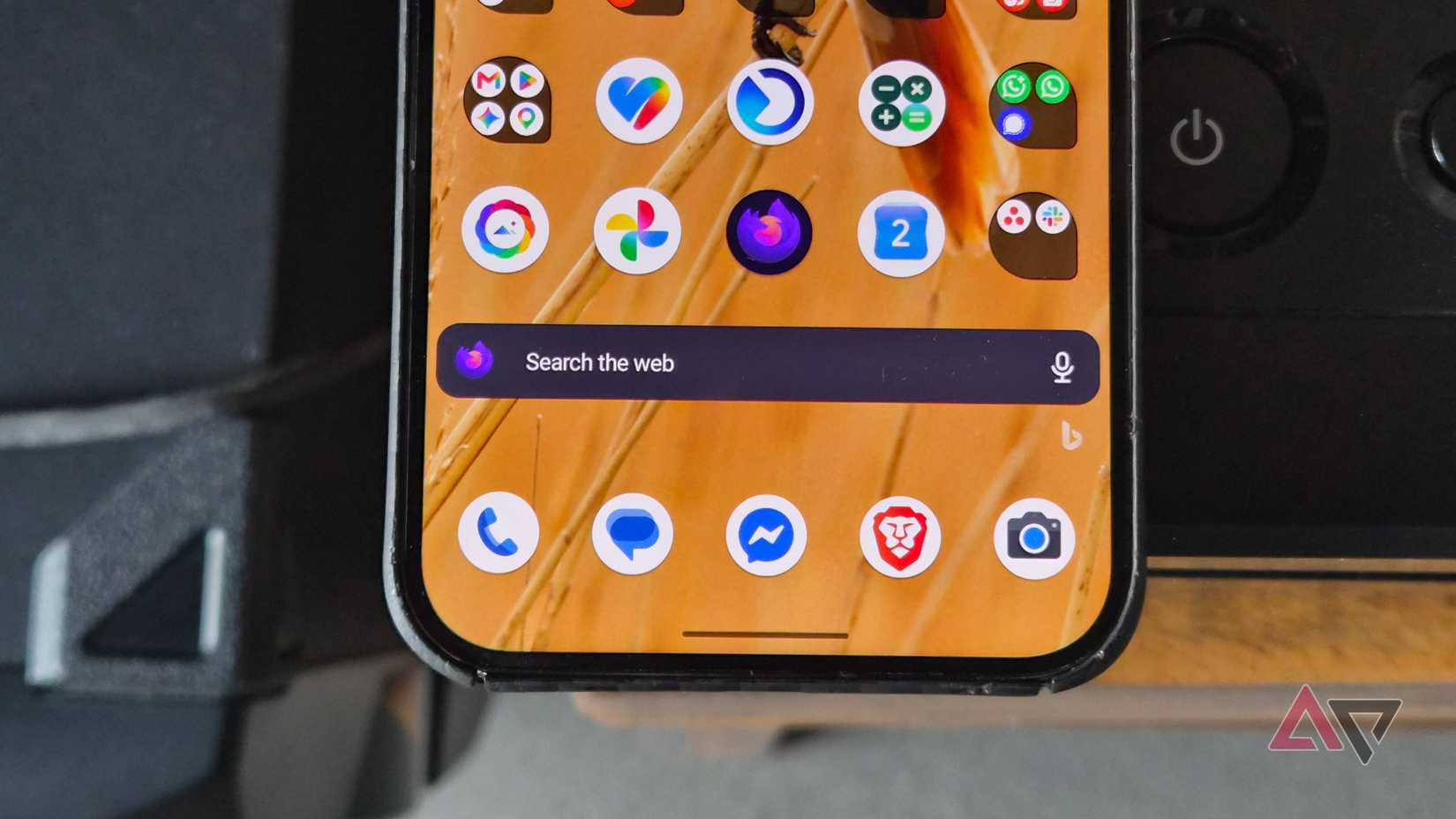
You do not need to lock yourself into Firefox Focus exclusively on Android.
I set up my Pixel phone with Focus as the , mainly managing one-off and external links or for quick search tasks.
When I need extended continuity, I switch to standard Firefox, which lets me keep tabs and sessions. It also syncs my history across my laptop and tablet.
If your daily routine is similar to mine, reading articles and managing disposable links without leaving breadcrumbs behind, Focus is a solid utility.
It excels at privacy and security while bringing a fast browsing experience that other browsers can't match.