Space Force considering options: public-private, federal installation, state land.
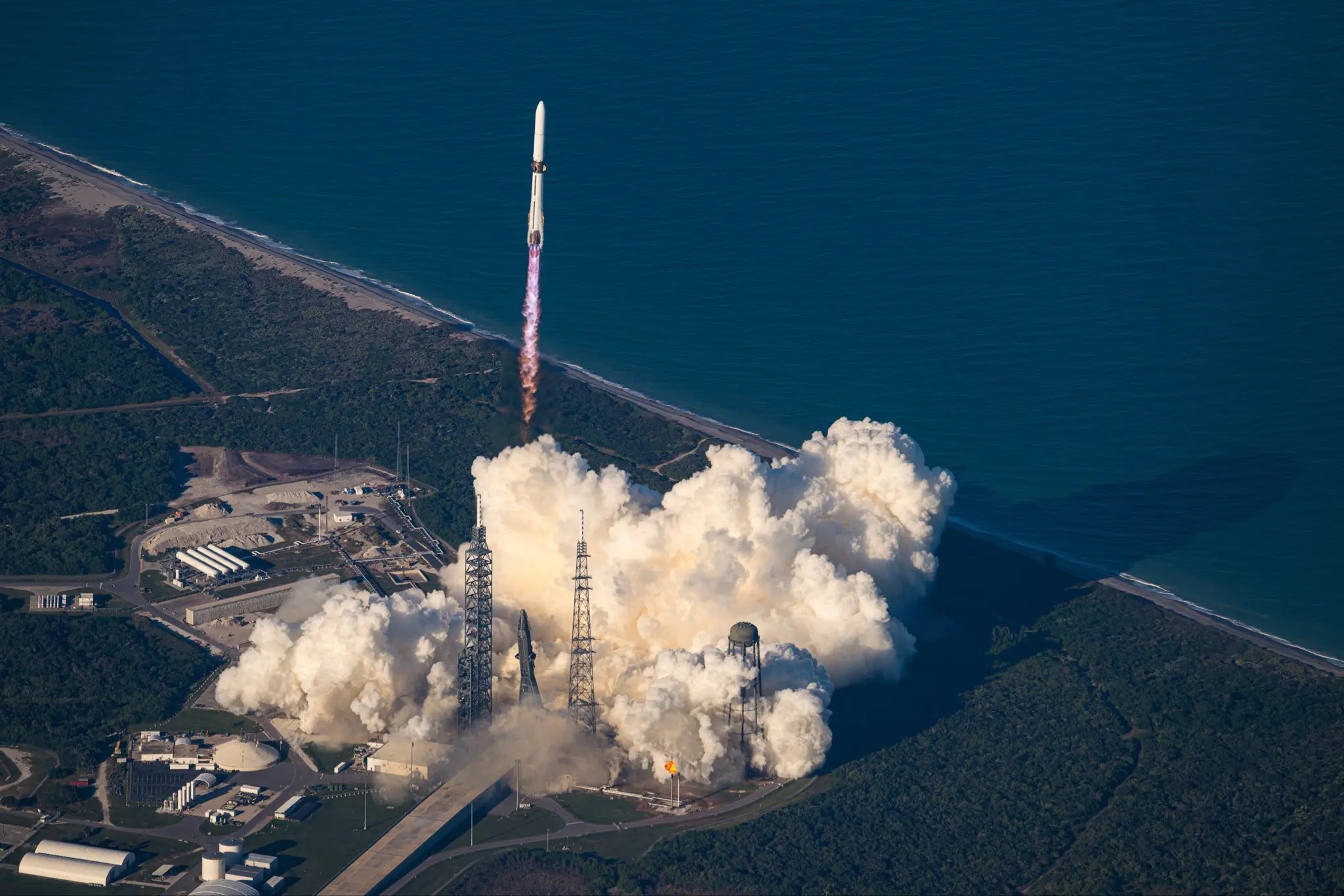
Leaders in the US Space Force would like to have a new spaceport up and running in four years, adding a third heavy-lift launch site to relieve pressure from bases in Florida and California that have shot rockets into orbit for nearly 70 years.
The obvious problem with that ambition is 2030 is four years away, and Pentagon officials have not determined where the new spaceport should go or how to acquire land for it.
Air Force Secretary Troy Meink first mentioned the service’s search for a third launch base in May. A congressionally mandated study of the Space Force’s launch infrastructure identified the need for “another site that’s capable of heavy and super heavy launch capability,” Meink said in a House Armed Services Committee hearing.
The Trump administration released a space transportation policy in August that endorsed the construction of more launch and reentry sites for commercial and military missions. This week, the Space Force general responsible for procuring launch services for the military laid out an “aspirational” timeline for a new launch site.
“We need this capability by 2030, but I’m also a pragmatist,” said Lt. Gen. Philip Garrant, head of Space Systems Command. “That is not an inconsequential demand to build a spaceport when you factor in orbital regimes, safety, access to commodities, the Americans that live near it. In many ways, it’s much like an airport, but even louder. So there’s a lot of consideration.”
Public, private, or both?
But there’s no firm plan yet for when the military might get moving on actually setting up a new launch base. “It’s going to take a strong partnership with local and state governments,” Garrant said. “As far as decision timelines, we don’t have anything yet.”
There were 175 orbital launch attempts last year from Cape Canaveral Space Force Station and Kennedy Space Center in Florida and Vandenberg Space Force Base in California. Space Force officials project the country’s established spaceports will need to support 700 launches per year by 2036.
A third launch site would offload some of the launch demand from limited real estate at Cape Canaveral and Vandenberg. It would also provide what Space Force leaders call “geographic resiliency” to mitigate the risk of a natural disaster or military attack knocking the Cape or Vandenberg offline.
The federal government already owns a third spaceport at NASA’s Wallops Flight Facility in Virginia, used for suborbital rocket tests and small- and medium-class satellite launches. Small rockets can also launch from Pacific Spaceport Complex, owned by the state of Alaska.
There are also commercial options that might be available for a new military spaceport. Ars asked Garrant if the Space Force might consider leasing property from a privately owned launch base, such as the expansive spaceport SpaceX plans to build in southern Louisiana.
“We’ve discussed that we need to consider all of those opportunities: public-private partnership, new federal installation, state land, leveraging commercial land—all of those are possibilities. They all have pros and cons. We haven’t made that decision yet, but we’re not discounting any of those options.”