Company says foreign-made robotic vehicles are crucial to US chip production.
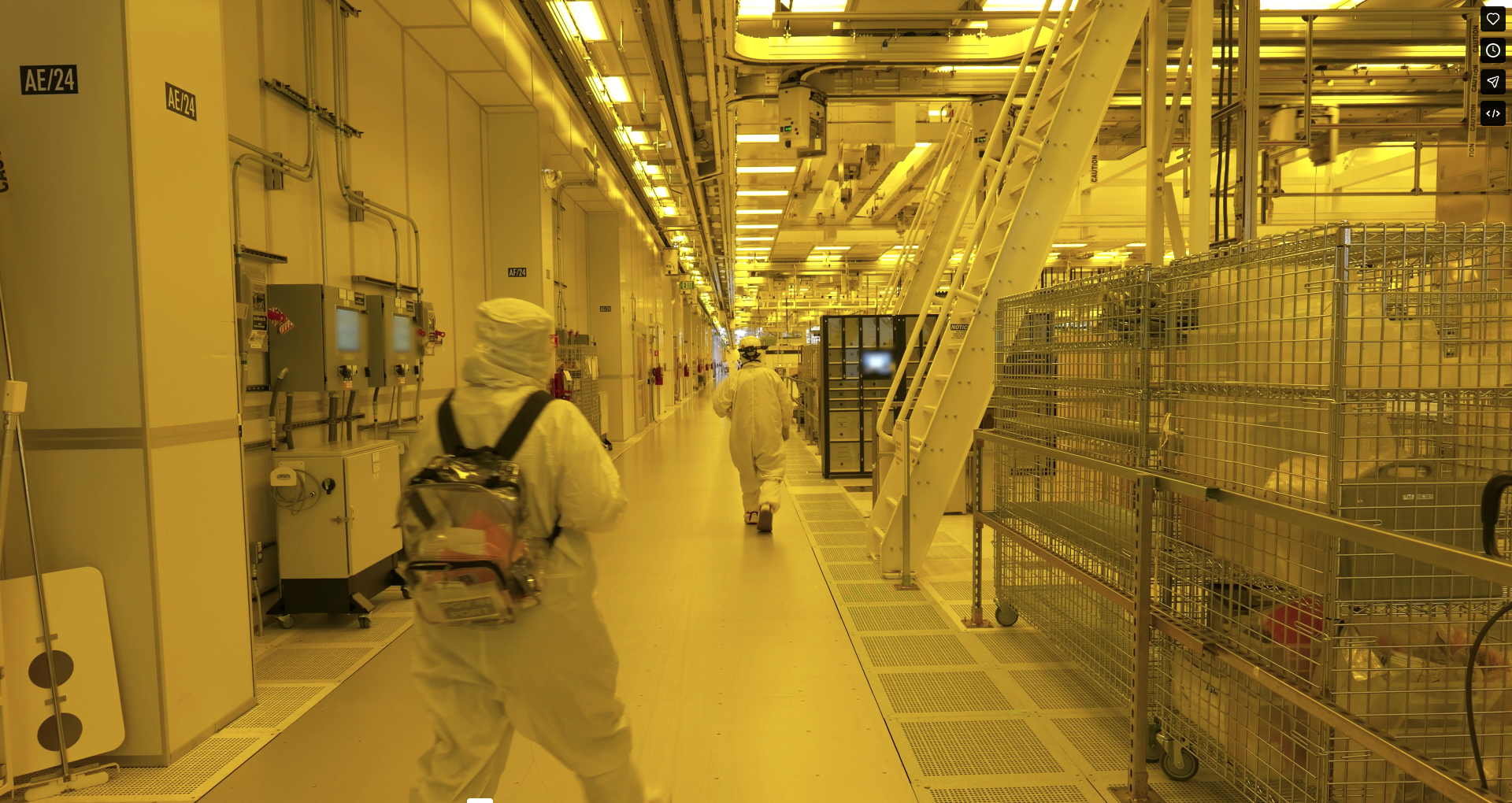
US chip champion Intel was so confused by the US government ban on foreign-made robots that it requested and received a waiver “out of an abundance of caution.” The tech company wanted to make sure that it could continue using certain robotic vehicles in its US chip fabs.
The uncertainty surrounding the Federal Communications Commission ban on certain foreign-made robots was revealed in the agency’s decision to grant Intel’s waiver request. On October 22, the FCC published its order allowing Intel to continue using the foreign-made robots in US semiconductor manufacturing facilities for a period of one year.
The robots in question are automated guided vehicles operating on “tracks or predefined paths” while often requiring operator oversight, according to Intel’s website. They help to move materials and items around within warehouses and factory floors.
Such robotic vehicles are typically manufactured by Japanese companies like Murata Machinery and Daifuku Co., according to Bloomberg News. But the exact types of robotic vehicles used by Intel were only identified in a “confidential appendix” that accompanied its request.
The FCC’s ban mainly covers new models of mobile robots, like humanoid robots and robot vacuums, and still allows for the import of robots previously approved for sale in the United States. But the agency rules seem to restrict major modifications to “previously authorized devices.”
Intel’s waiver request stated that it was “unclear” whether its robotic vehicles even qualify as robots covered by the FCC ban but said it sought relief just in case. The tech company also received approval to “make certain hardware, software, and firmware changes” that would help ensure the continued operation and maintenance of the robotic vehicles.
The tech company described the robotic vehicles as being “critical to its domestic semiconductor manufacturing operations” and argued that the ability to maintain the robots was crucial to avoiding any disruptions to chip production. It also said there are no US-made alternatives that meet the company’s requirements.
The FCC approval came within a week of when Intel filed its waiver request on October 16. That is not too surprising given the importance of Intel to the Trump administration’s plans for reshoring chip manufacturing—not to mention that the US government took an $8.9 billion equity stake in the chip company.
Meanwhile, the US robotics industry at large is still grappling with the consequences of the FCC ban on foreign-made robots, given that China is the world’s leading supplier of robots and robotic components. Ars previously talked with one US robotics distributor that has pivoted from importing China’s humanoid robots to opening a US manufacturing facility for robots.
Some analysts have warned that the US government’s attempt to boost domestic production of robots via the restrictions on foreign-made robots could backfire for US industry. A report by the market intelligence firm International Data Corporation looks forward to 2030 and estimates that the FCC rule could reduce US revenue from deploying humanoid robots by 58 percent compared to pre-restriction expectations.