- Acer's CEO claims RAM supply is still "quite large"
- Jason Chen does acknowledge that PC prices will rise in Q4, though, by up to 20% on average
- However, those prices will fall by mid-2027, the CEO predicts, asserting that: "It's impossible for the shortage to last until 2030!"
Not everyone is being totally downbeat about the RAM crisis, with Acer's CEO stating that he's hopeful that PC prices will drop from the middle of 2027, even if price rises are on the cards for the rest of this year.
VideoCardz higlighted a (translated) report from Taiwan's Economic Daily News that shares the most recent thoughts of Jason Chen, chief executive of Acer, on the RAM crisis.
Chen asserts that there isn't much of a DDR4 and DDR5 memory shortage at present, and that the "supply is quite large" for this RAM — we must bear in mind there may be some nuances lost in translation there — and also that there isn't much shortage of processors either.
The CEO does acknowledge that the prices of components are currently "fluctuating" at a high level, and that PC prices will continue to climb in the fourth quarter of 2026, with an average price rise of between 5% to 20%.
However, the good news, according to Chen, is that he believes PC prices should drop from mid-2027, and with more chip production coming online — especially in China — the memory shortage won't last for the rest of the decade.
Chen is pretty firm on that one, claiming that, "It's impossible for the shortage to last until 2030!"
Analysis: new hope for some stability?
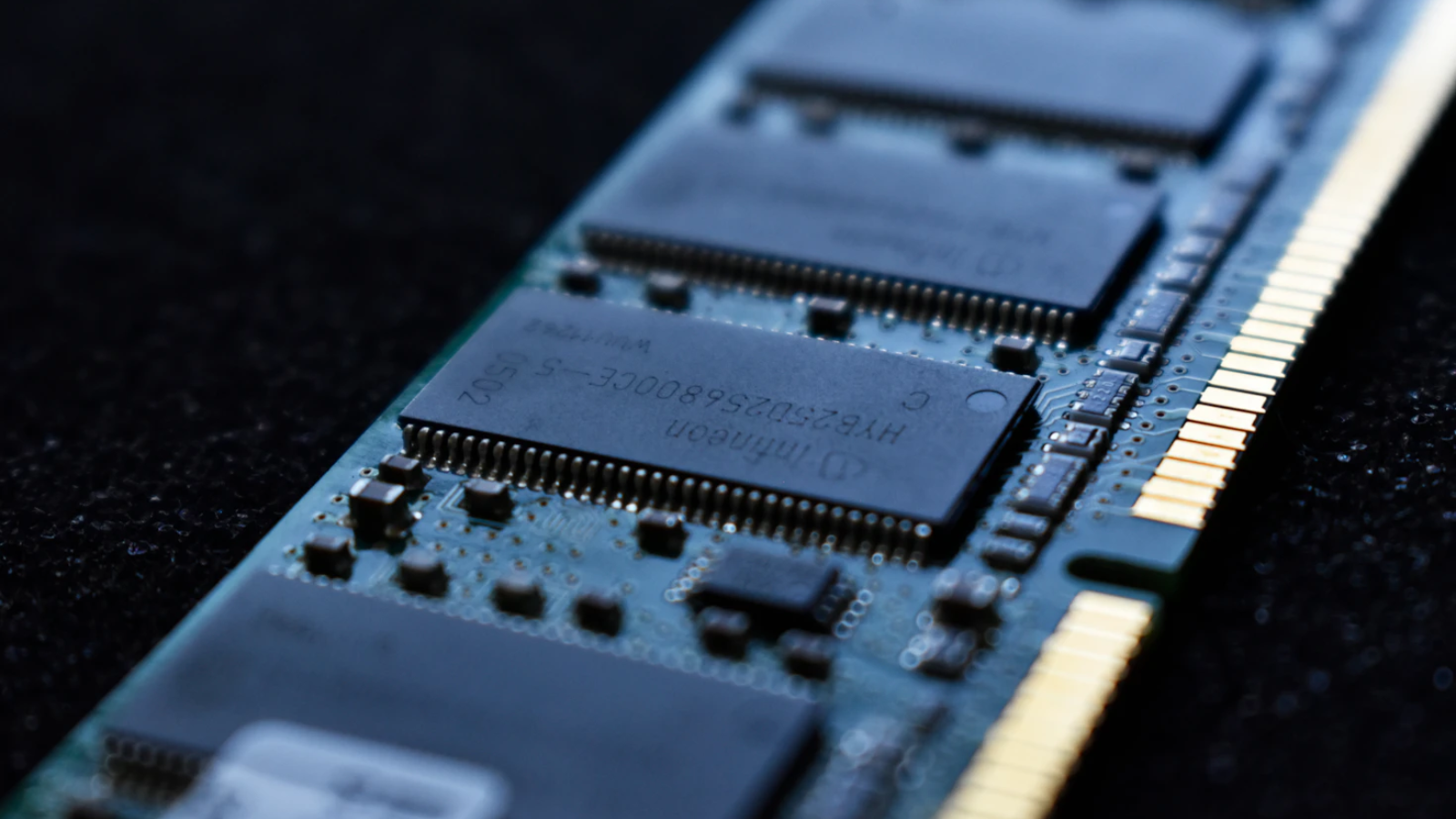
As to whether there isn't much of a RAM shortage currently, almost everyone else begs to differ on that — although I accept that Chen's meaning may be altered in translation somewhat here, as noted, and perhaps the gist is that supply isn't as bad as some in the industry would have you believe.
Whatever the case, Chen is clearly sounding a more optimistic note than most. There have certainly been some analysts and prominent industry figures who are suggesting that the RAM crisis will indeed last until 2030, and those are the people who Chen is clearly directing that last comment at. The CEO does appear to be talking more about the Chinese market than the global picture here, though, and we should also bear that in mind.
Still, it's a relief to hear some more positive thinking on the RAM crisis, although there's one point that everyone can agree on: namely that prices are going to rise over the rest of 2026 and into 2027. Even Chen's predicted fall in PC pricing isn't forecast to come about until the middle of next year, and so for the time being, it's clear enough that we're stuck with rising prices.
The cost of RAM in particular has been soaring of late — against all odds, as it was already exorbitantly high — and GPUs are now being subject to some worrying price hikes (the top-end in particular is getting ridiculous), with more to come I expect. It's not pretty out there for consumers, and nothing is going to get better for some time — the question for me right now is: how much worse might things become?
I hope Chen's more positive noises here are indicative of at least some stabilizing around high pricing for PCs and components alike.

Darren is a freelancer writing news and features for TechRadar (and occasionally T3) across a broad range of computing topics including CPUs, GPUs, various other hardware, VPNs, antivirus and more. He has written about tech for the best part of three decades, and writes books in his spare time (his debut novel - 'I Know What You Did Last Supper' - was published by Hachette UK in 2013).