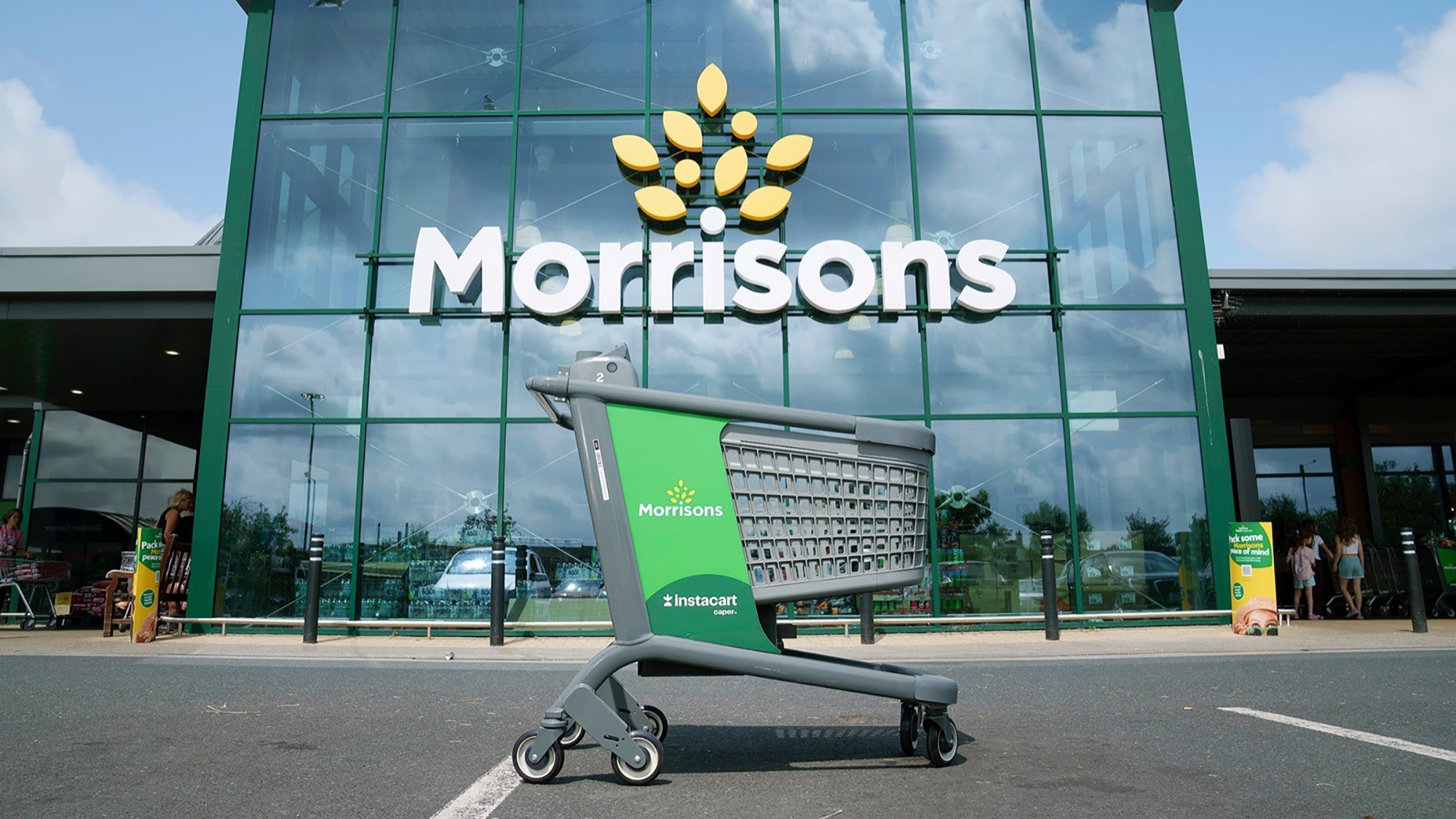
- Morrisons is shutting down its smart AI trolley trial
- Partner Instacart will no longer develop the Caper Carts being used
- AI tech is better used behind the scenes at stores
Farewell then, smart AI trolleys: after first being introduced in July, Morrisons' trial of grocery carts that total up your shopping expenses as you go is being wound down, as partner Instacart is now abandoning the Caper Carts tech that powered the scheme.
As The Grocer reports, Instacart has decided that "retailer adoption has not scaled quickly enough to justify our continued investment" in Caper Carts. The trolleys will also be withdrawn from US stores, where they were a little more well established at retailers including Schnucks and Wegmans.
"The trial has given us greater insight into the continued evolution of our customers' shopping habits and we will continue to pilot and develop solutions to meet those needs," a spokesperson for Morrisons told The Grocer. The trial was only run at a single Morrisons store, in Ashton-on-Ribble in Preston.
Via cameras and scales built into the carts, shoppers were able to log all of their purchases as they made their way around the store, with an integrated touchscreen displaying information on the trolley contents. At checkout, a dedicated lane enabled smart trolley shoppers to pay for their items with a barcode scan.
Let the customers decide
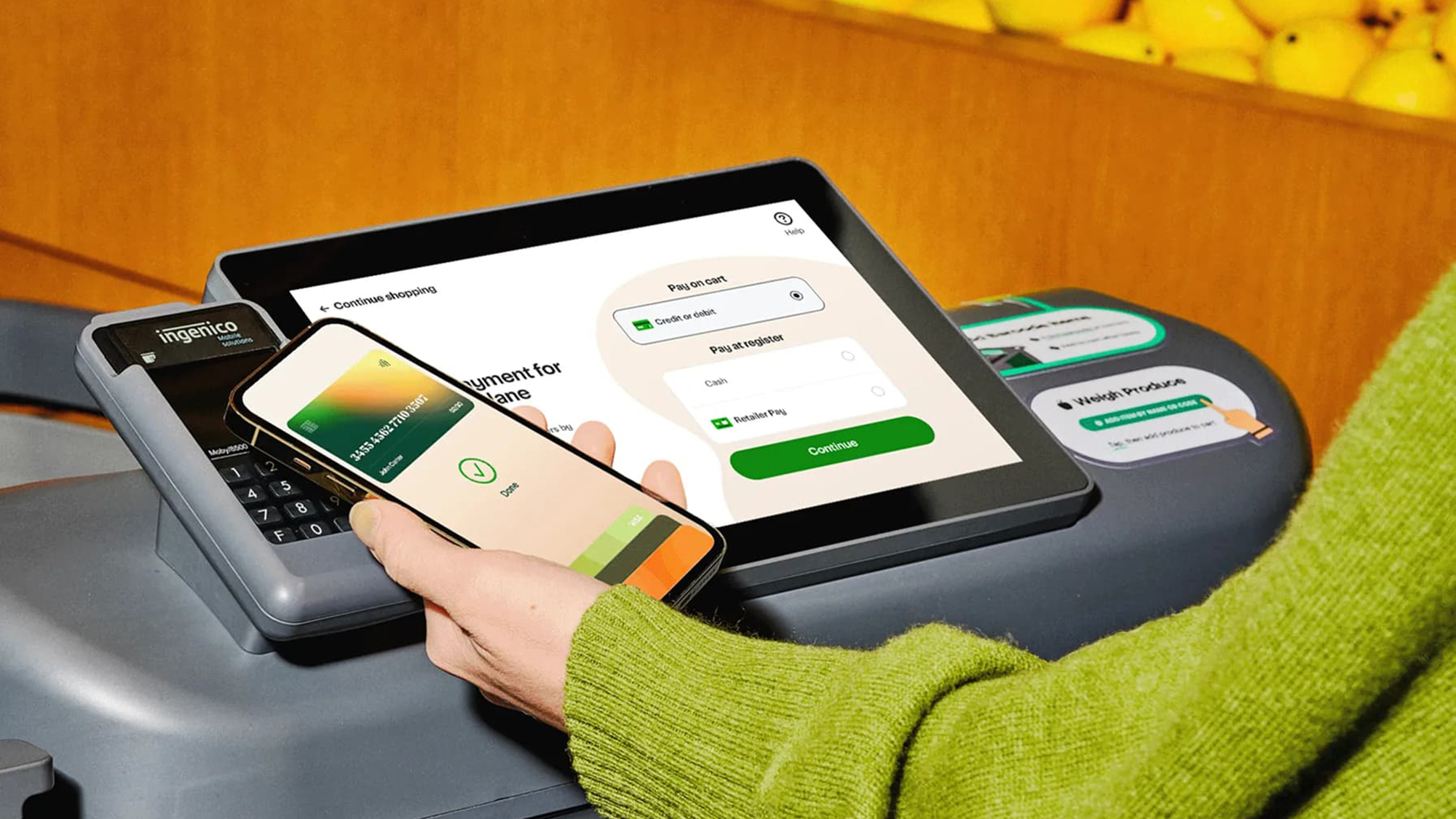
Clearly, both Instacart and Morrisons weren't seeing enough uptake for the AI-powered trolleys, and it's a sign that supermarkets don't necessarily know what's in our best interests. Piloting a smart cart around a store puts the onus on shoppers to learn another way of scanning items and paying for them at a checkout.
People will usually prefer the familiar, and at the same time it's not really clear how much faster scan-as-you-go would be compared to scan-at-the-till anyway. Having a camera scan something and use AI to recognize it is a relatively speedy process nowadays (you can do it on your phone), but obviously not speedy enough.
Where AI innovations can be successful is behind the scenes at retailers. For example, AI cameras on the shelves at Morrisons have been much more successful (and won awards) — these cameras watch stock levels, put in orders for anything that's running low, and give staff a heads-up on any potential problems.
We've also seen AI schemes that can predict demand and reduce shortages and waste on a large scale, and it would seem that shoppers would rather see the items they need in stock than have an intelligent trolley.
