- Russia could slash SIM sellers as new rules tighten mobile registration
- New SIM cards could arrive without money under Russia’s fraud measures
- Anti-Fraud 3.0 could replace thousands of smaller SIM-selling intermediaries
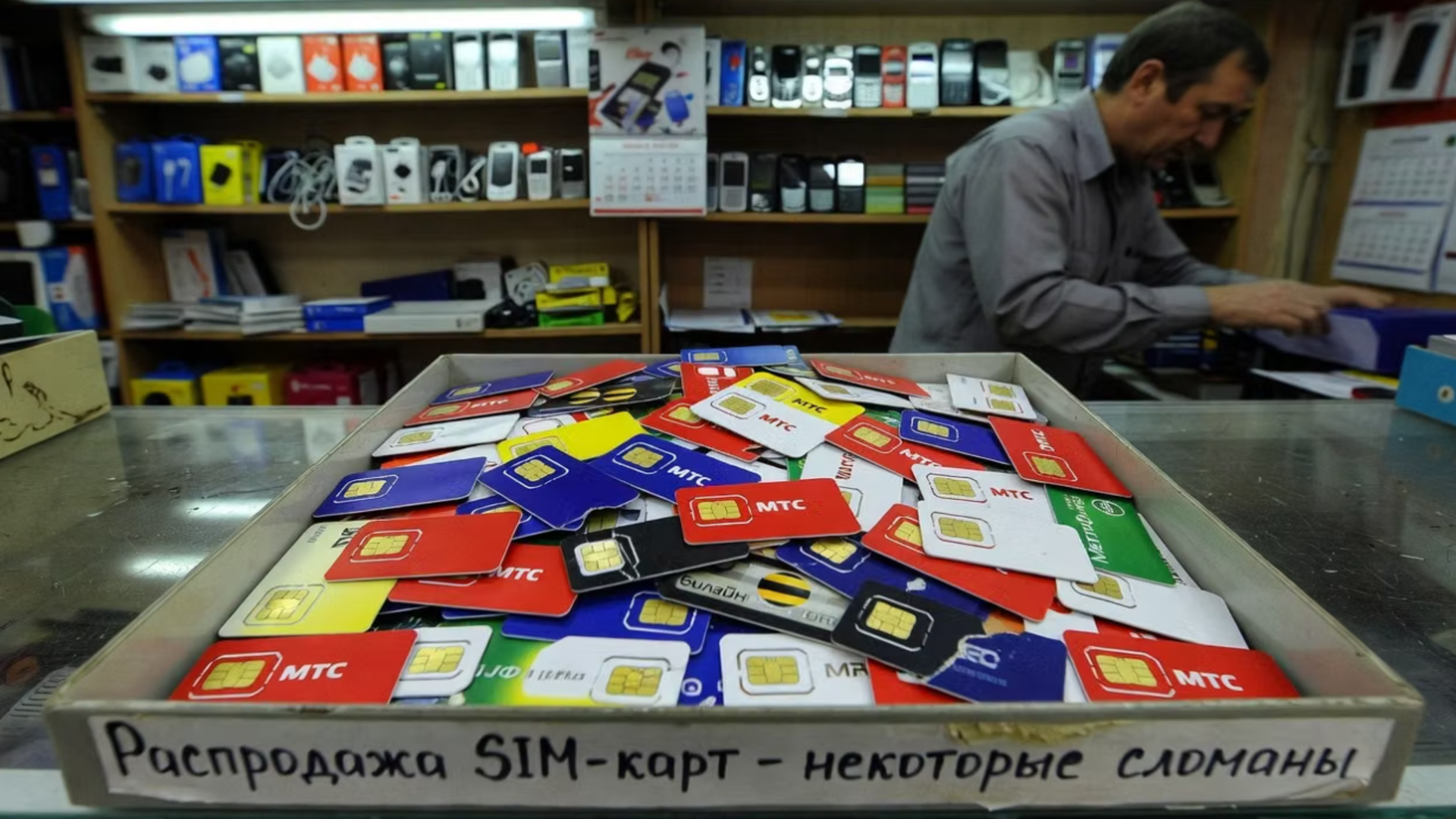
Moscow is preparing a new round of anti-fraud rules, dubbed Anti-Fraud 3.0, that would sharply shrink the number of people allowed to sell SIM cards.
The proposals would reserve number registration for direct dealers while requiring new SIM cards to carry no funds before contracts are signed.
If adopted, the measures could change how Russians obtain mobile numbers and make prepaid SIM cards less useful in fraud schemes.
Russia could sharply reduce the number of SIM sellers
Individual entrepreneurs currently acting as intermediaries between operators and customers would therefore lose their ability to arrange subscriber agreements.
An industry estimate claims that these intermediaries account for almost half of physical SIM purchases across Russia.
The change could affect thousands of retail locations, potentially making mobile numbers less readily available in some areas.
T2, one of Russia's mobile operators, has argued that stronger intermediary requirements could work better than eliminating the model.
The operator says it already checks customer identities and activates numbers only after the required verification procedures have been completed.
The proposal would also require operators to issue new SIM cards without money already loaded into their associated accounts.
Customers would instead need to establish the service agreement before adding funds, creating a record connected with the eventual payment.
Russia's Finance Ministry says this approach is intended to make numbers purchased for fraudulent purposes easier to trace through payment activity.
“Such measures will make fraudulent use of prepaid numbers or numbers obtained using another person's identity impossible,” it said.
Zero balance could leave fraudsters with fewer anonymous options
The ministry argues that prepaid numbers can allow criminals to obtain communication services, exploit them, and then discard them after use.
Under the new plan, new SIM cards will not come with bonus funds. Even if this free money is on the SIM, the user must make a purchase on the SIM to activate it.
Requiring customers to add money after signing their service agreements could create payment records that investigators can examine during fraud cases.
Payments made through terminals or communication outlets could additionally generate records that help authorities connect transactions with individual users.
The proposed package also considers requiring identifiable sender information for bulk text messages, with inaccurate details potentially triggering contract termination.
The package would also prohibit automated calls made solely to check whether particular numbers remain active.
Owners of websites and mobile applications could also face requirements to retain registration and login records for three years.
Those records would be available to law enforcement when legally required, according to the proposed measures.
However, Russia already requires operators to verify customers before activating numbers, following communication law changes introduced during spring 2025.
T2 and Beeline say their customers cannot use newly obtained numbers before completing the legally required identity verification.
That means the proposed zero-balance requirement would add another control rather than simply introducing identification.
The Finance Ministry has stressed that Anti-Fraud 3.0 remains work in progress, with industry recommendations still being considered before authorities make a final decision.
Via 1.ru