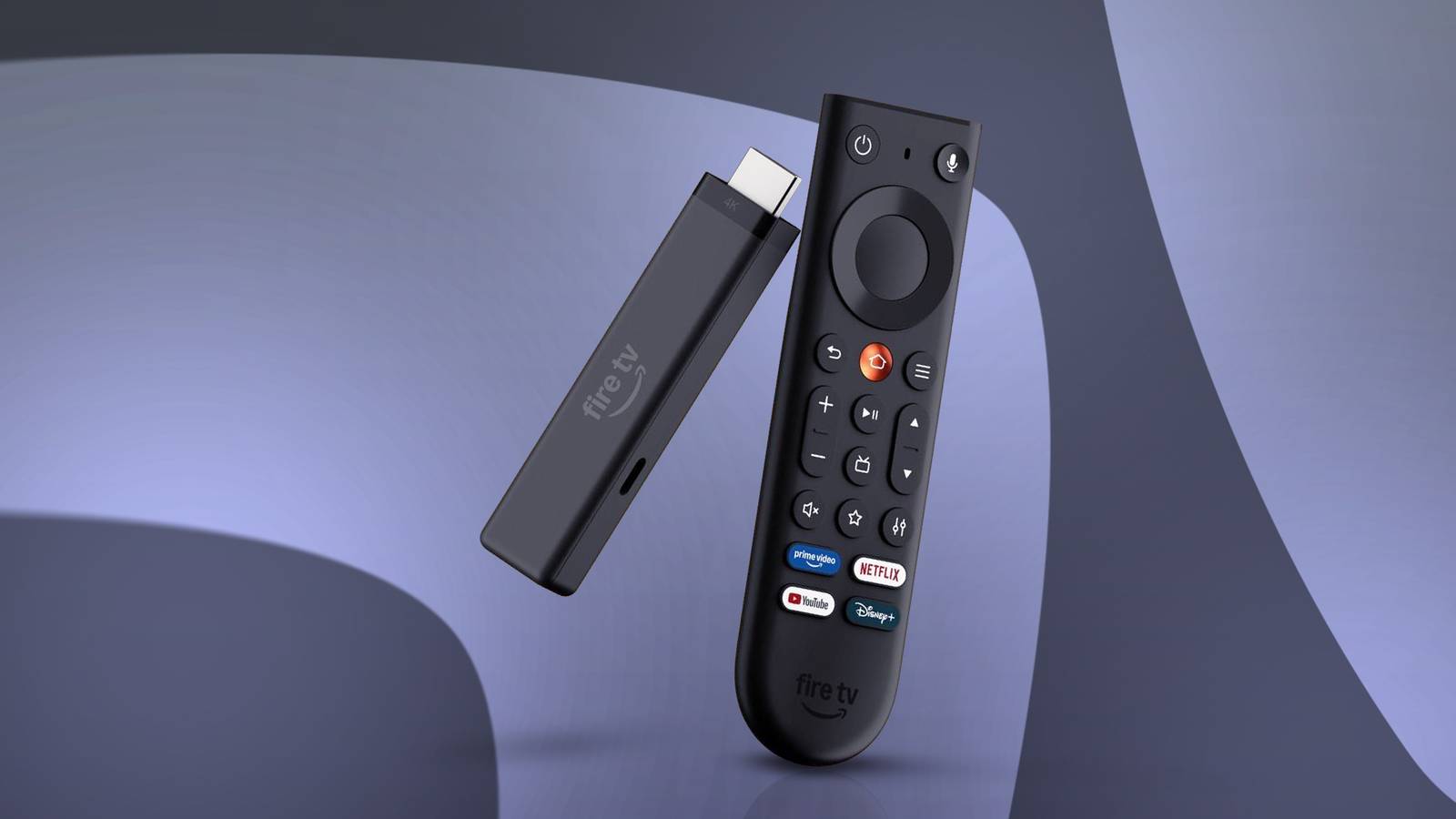
I've been using the Amazon Fire TV Stick 4K Max extensively in our living room.
Even though it's starting to show its age, I still prefer it over , mainly because of the content I can access.
So, when Amazon announced the new Fire TV Stick 4K (2026), it caught my attention, and I was genuinely excited to try it. I even planned to set up our bedroom TV with the new streaming dongle.
However, after digging further into the new Fire TV Stick, I realized one key omission is holding me back.
The Fire TV Stick 4K brings meaningful upgrades
But one massive flaw holds it back
My older Fire TV Stick 4K Max worked reliably at first, but like any Android device with modest internal specs, it slowed over time as I accumulated dozens of apps and games.
I downloaded heaps of apps, including streaming services and launchers, until I had to purge several to reclaim storage and to its original state.
Plugging it in separately via a wall adapter was also an annoying chore, since I had to run an extension cord just to power it, as our two wall sockets were occupied by the television and the router.
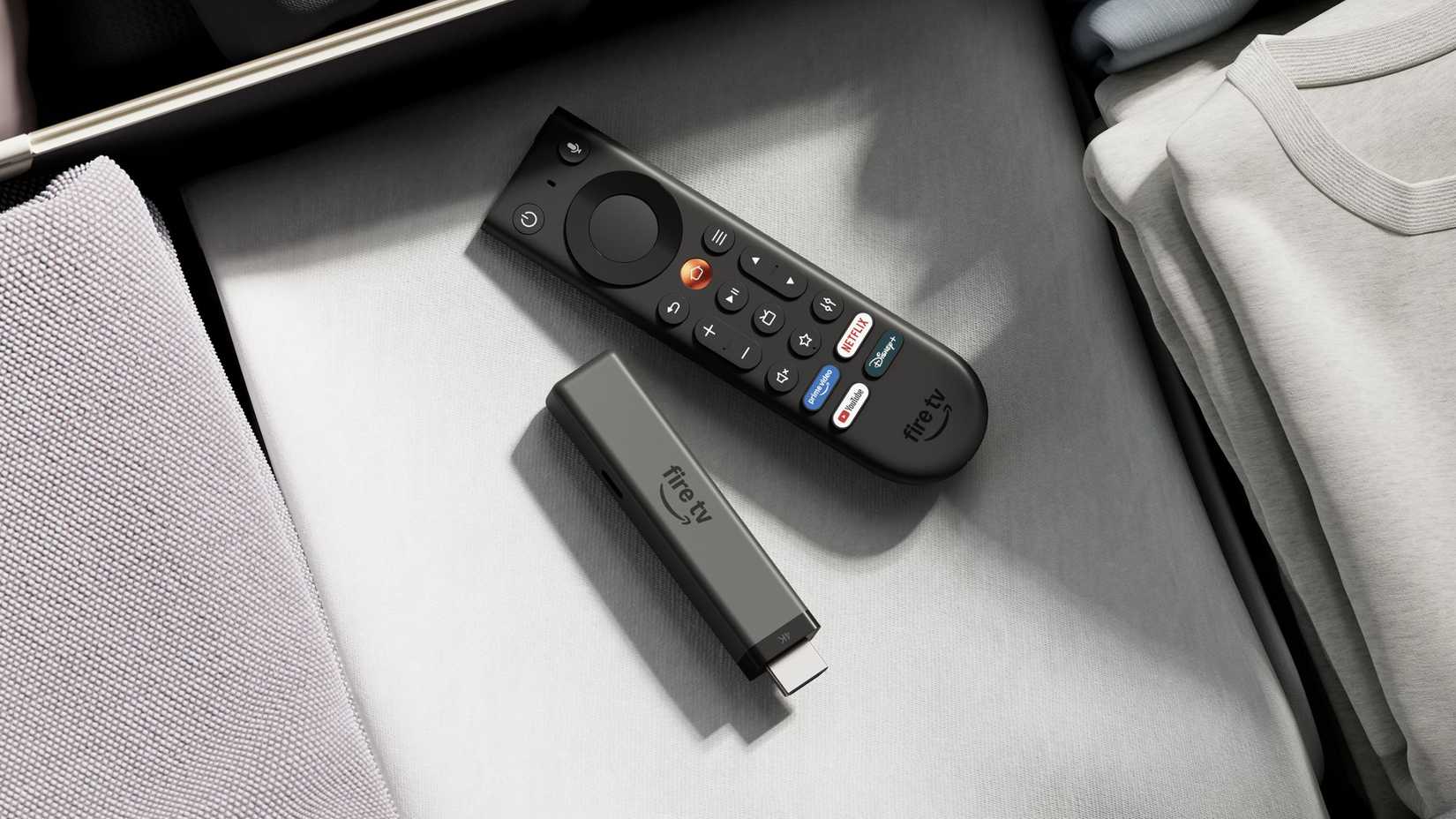
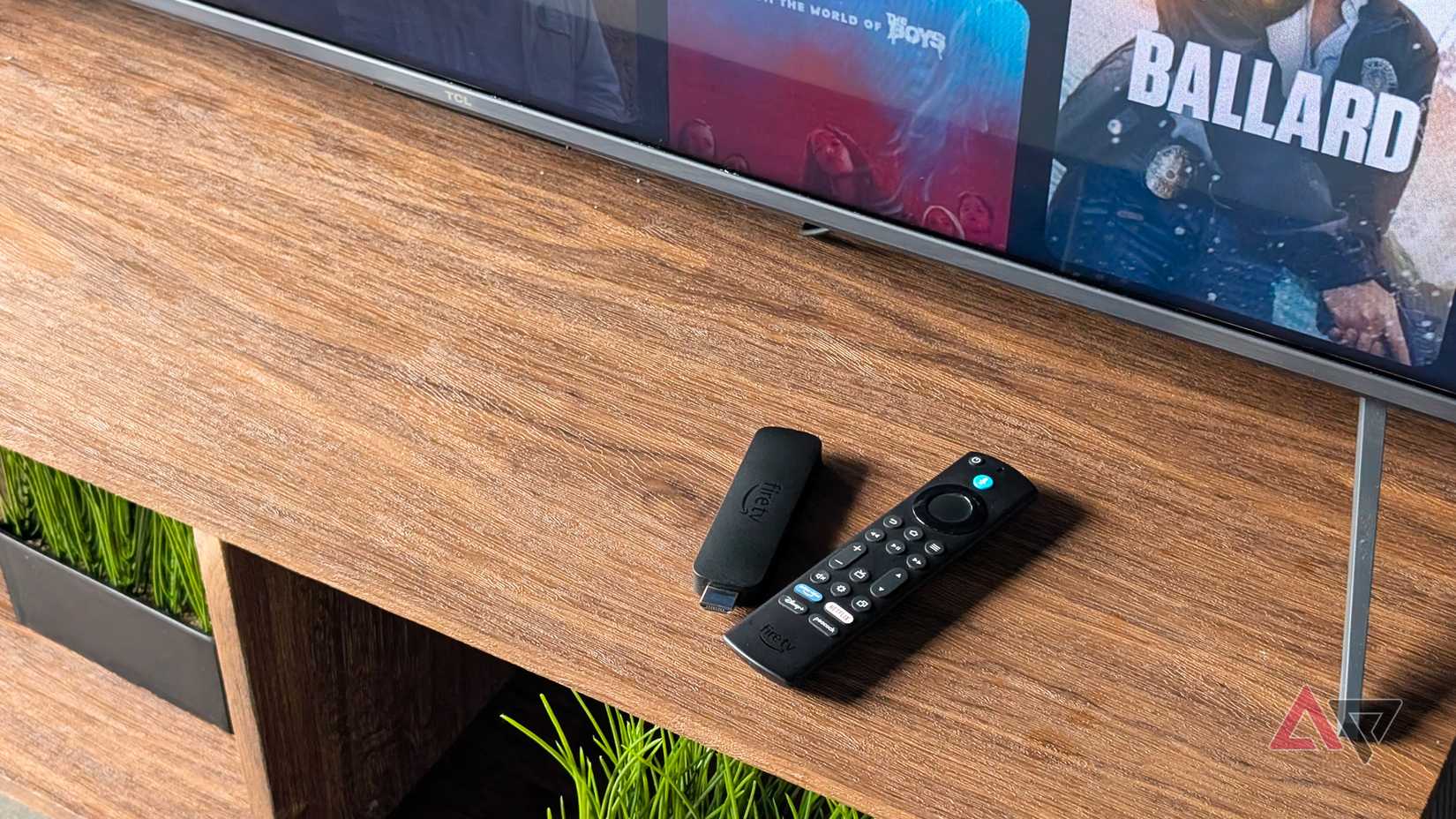
The refreshed Fire TV Stick 4K fixes this physical bottleneck not only by being slimmer, but by adding direct-power capability.
This lets the dongle draw enough power directly from a television's built-in USB port, eliminating the need to run a messy power cable to a wall strip.
You also don't have to turn the device on every time you sit down to watch. All you do is turn on the TV and wake up the Fire Stick.
Another thing I appreciate is the updated Alexa Voice Remote. Beyond its ergonomic design and customizable favorite button, it gains built-in Find My Remote support.
This mirrors the finder feature on my Google TV Streamer, which has already proven to be a lifesaver.
There is plenty to love about the refreshed Fire TV Stick 4K hardware, but one major constraint ruins the entire package: Vega OS.
But the platform is not ready for prime time
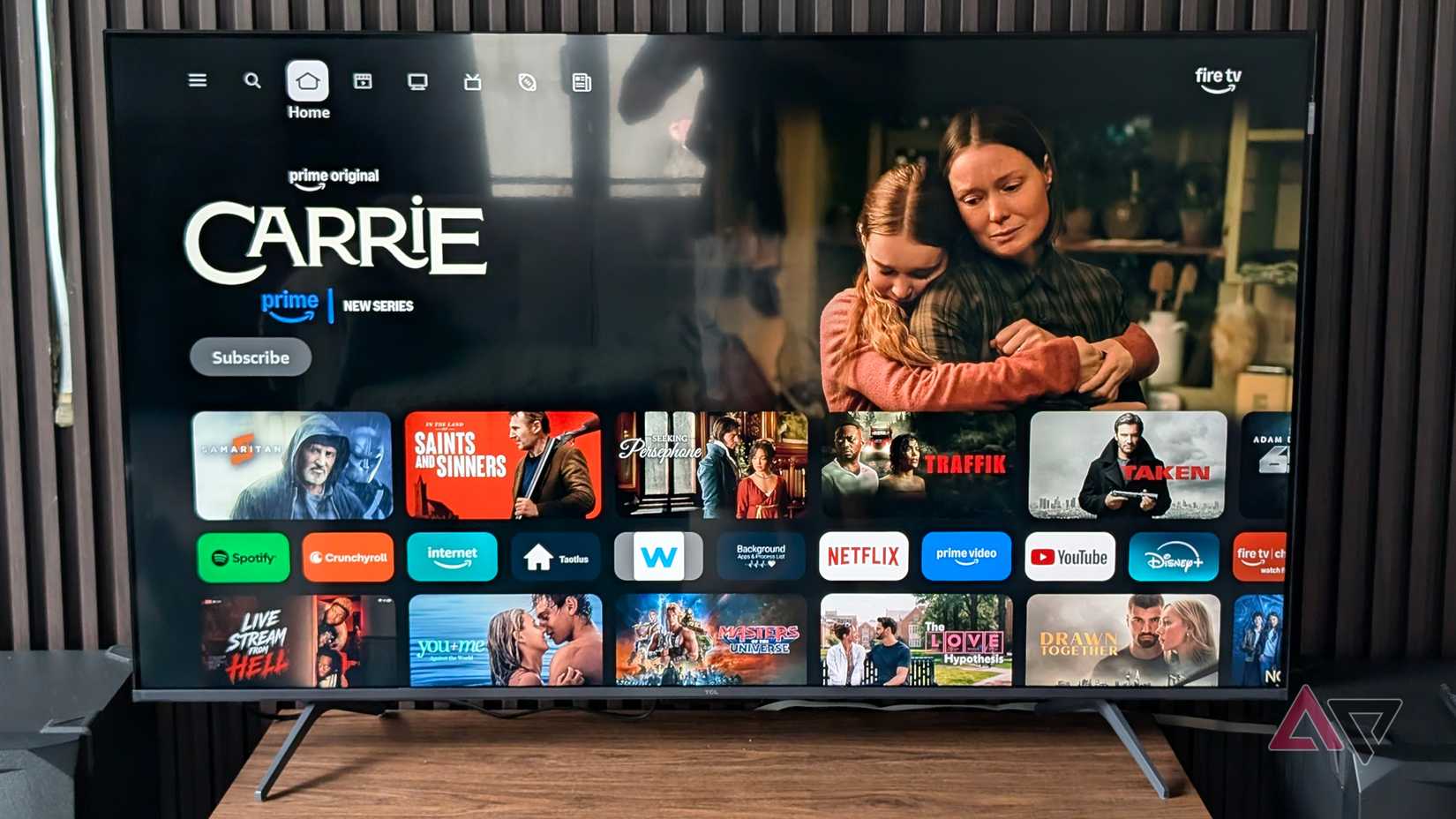
The writing was on the wall after Amazon deployed Vega OS to the Fire TV Select, then the standard Stick HD variant.
Amazon has confirmed that all upcoming Fire TV Stick models will run on Vega OS rather than Android-based Fire OS.
Amazon claims Vega OS is faster than Fire OS, which powers most Fire TV Stick models.
That is evident on the new Fire TV Stick 4K, which operates with a muted CPU, modest graphics, and less RAM than the current Stick Plus or my 2023 4K Max model.
Plus, Amazon boasts that it runs up to 40% faster than rival streaming dongles in the same price tier.
Those efficiency improvements are welcome, and everyday users will certainly appreciate the snappy interface.
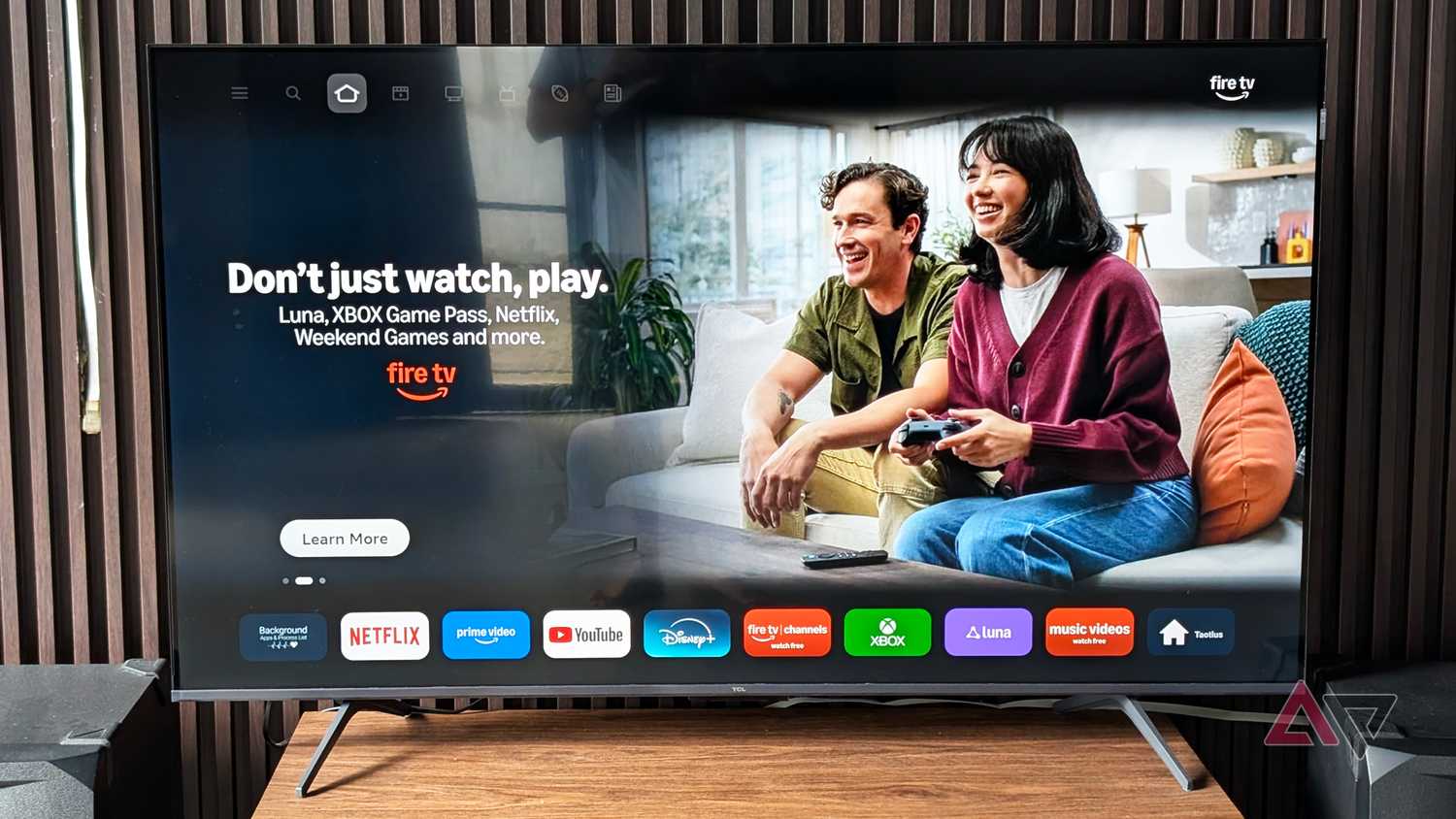
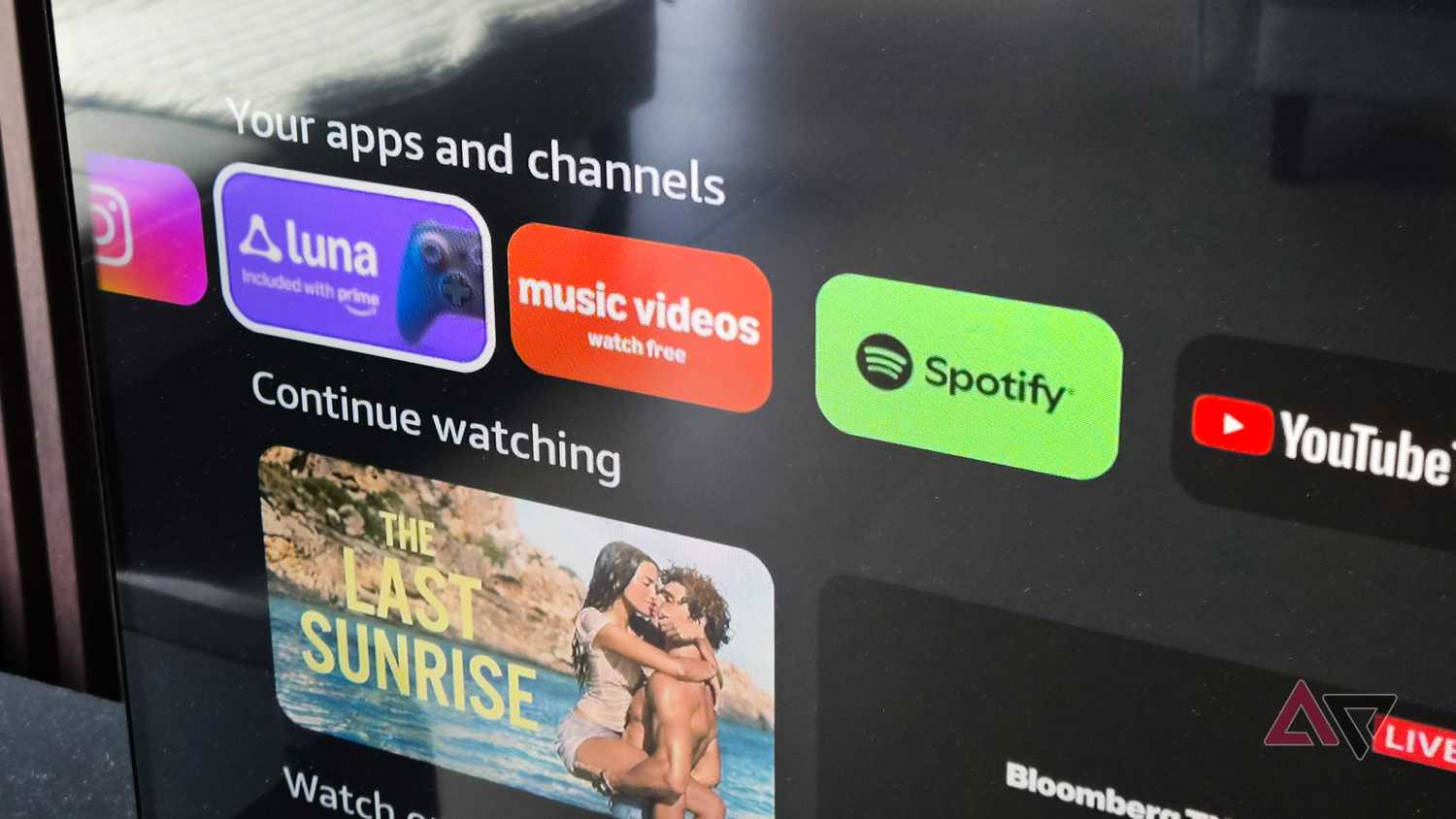
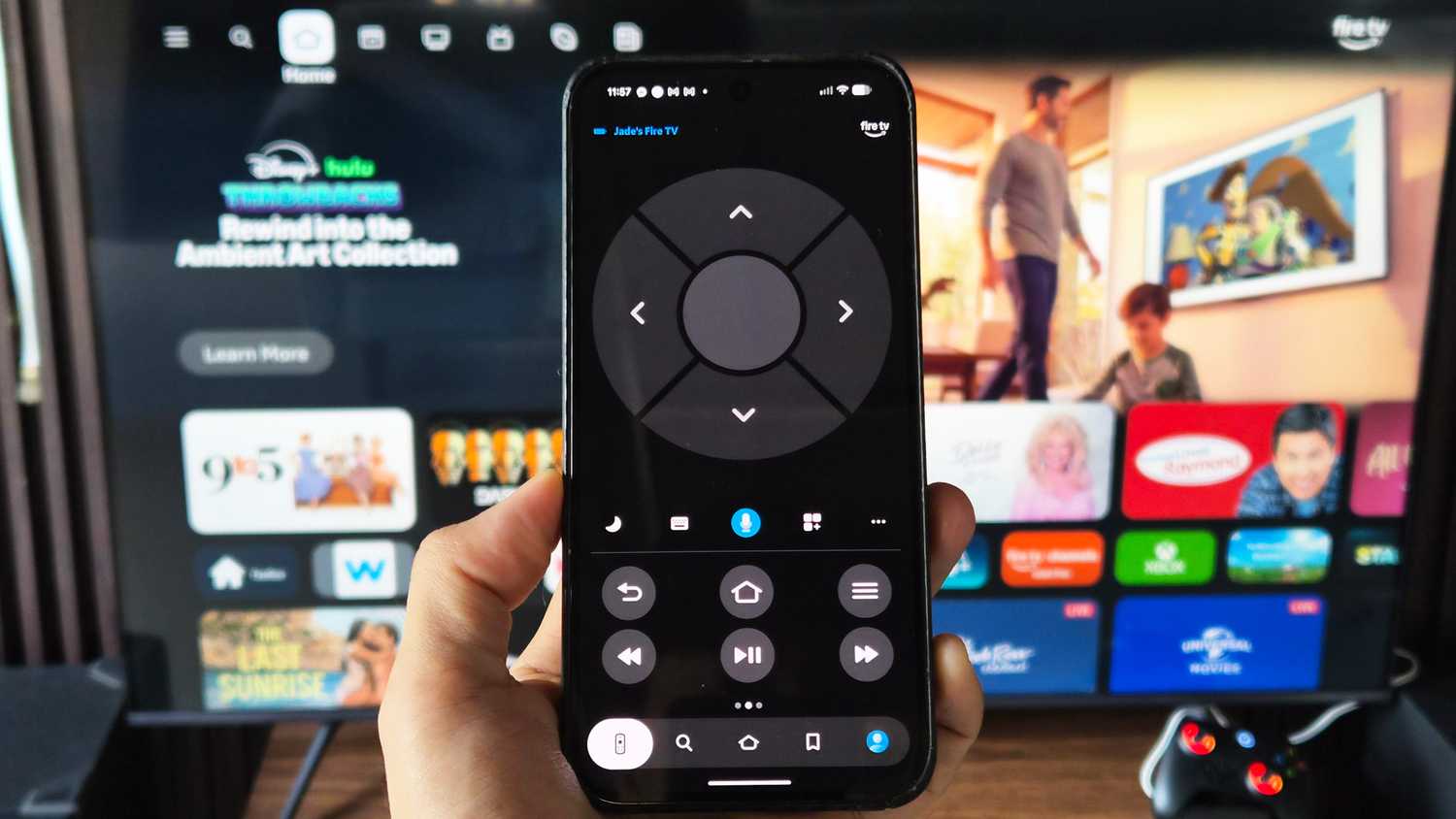
The catch is that Amazon keeps glossing over Vega OS's biggest drawback: the ecosystem remains half-baked, with a much smaller app catalog.
Fewer apps and games
And sideloading is gone
There is nothing inherently wrong with Amazon picking Vega OS if its goal is to make every Fire TV Stick lightweight.
But when it comes to the third-party software I use regularly on my Fire TV Stick 4K Max, moving to Vega OS is a tough pill to swallow.
Many casual viewers might not care about losing sideloading on a streaming stick, but it is a significant downgrade for power users who depend on many third-party apps and services.
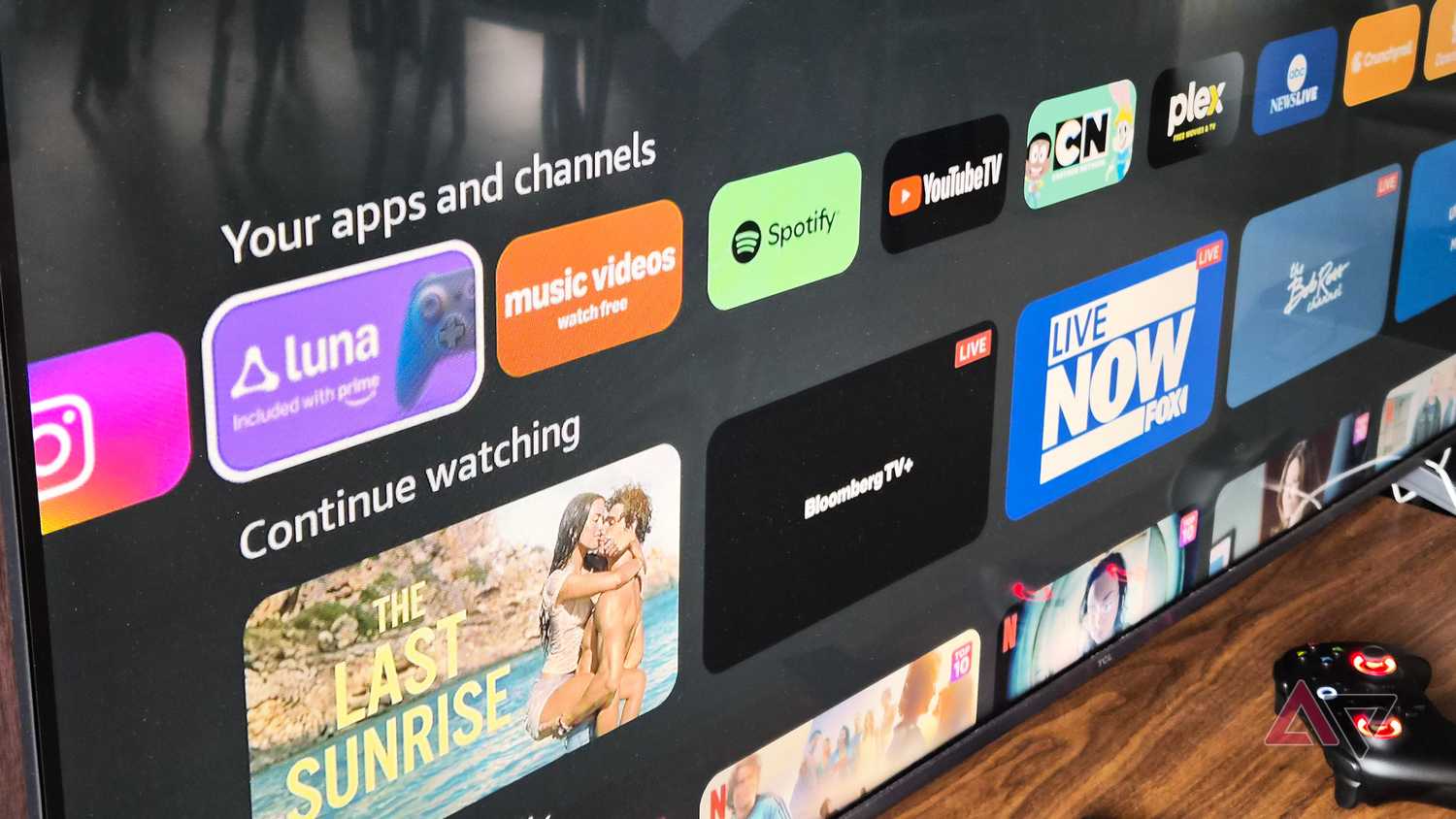
As of this writing, Amazon says it has added over 2,000 apps and games to Vega OS, but that still pales in comparison to Android, which has over 30,000.
I rely heavily on custom third-party launchers on my Fire TV, which is why it remains plugged into our living room setup. Alternative launchers bring interface and content customizations that the stock Fire TV UI stubbornly forbids.
Fire OS offers access to a much larger app catalog because apps can be easily ported from Android, whereas Vega OS covers only major streaming names.
For example, if you rely on regional broadcasters or media apps, they likely won't be on Vega OS.
Similarly, Vega OS will have far fewer utilities and custom widget apps for home screen personalization, as well as games.
This tradeoff is an unavoidable compromise that users must accept if they migrate to Vega OS-powered Fire TV Sticks.
I don't want to sound like a Vega OS hater, but with my current Fire TV , I see zero reason for upgrading to Amazon's locked-down platform.
Sure, Amazon is doing its best to add more apps to the new ecosystem, but until it does, I would rather buy an older Fire TV Stick 4K Max or 4K Plus than lose access to thousands of apps.