- Philips helped Taiwan begin its decades-long technology transformation
- Li Kwoh-ting pursued foreign expertise to build Taiwan's domestic electronics industry
- TSMC manufactures advanced chips, while ASML builds equipment used in production
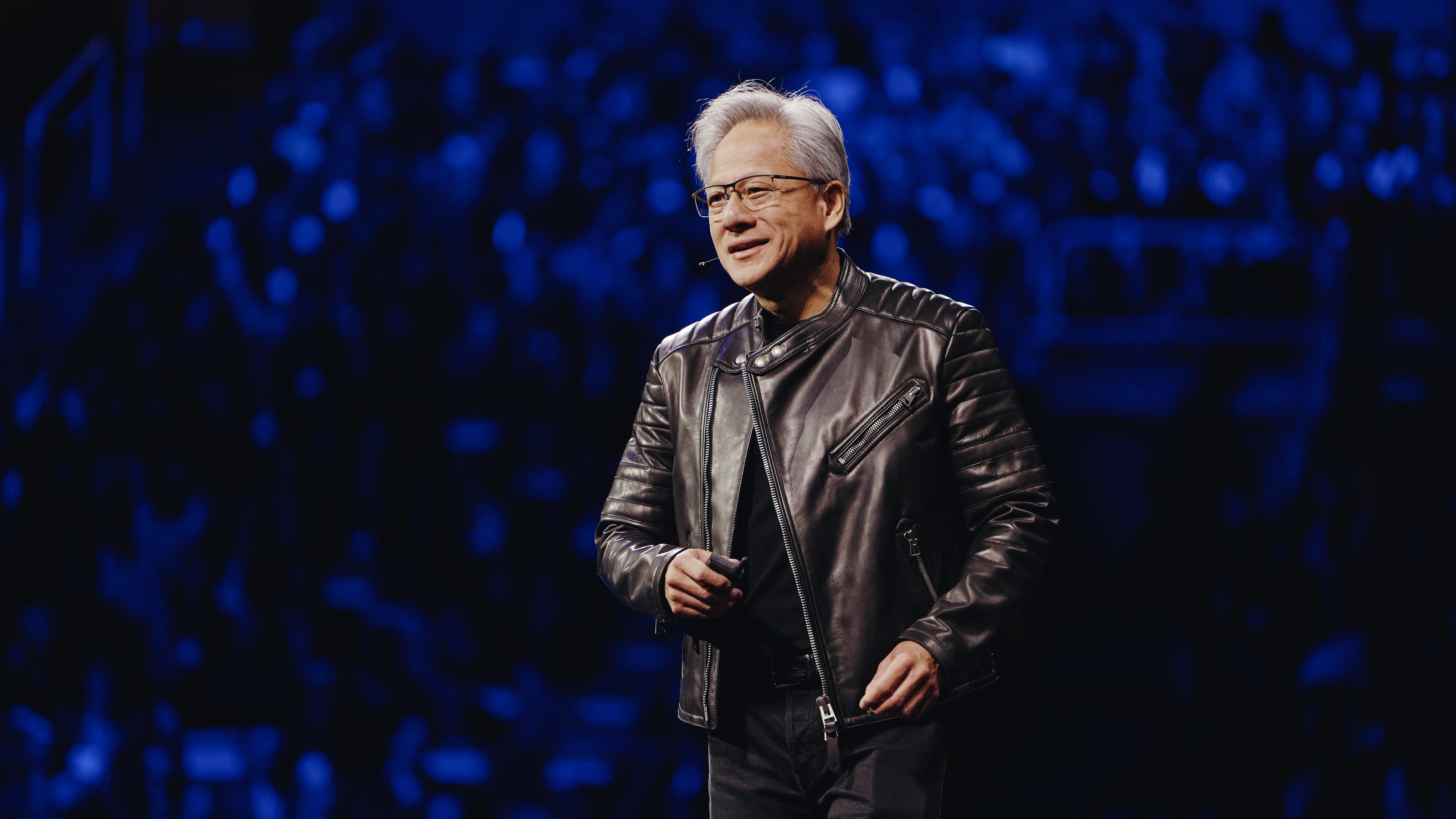
Nvidia CEO Jensen Huang has recently discussed how Taiwan’s semiconductor leadership emerged through decades of industrial partnerships, government planning and manufacturing expertise.
During a recent conversation with Lex Fridman, Huang discussed how European technology relationships helped establish capabilities that later supported Taiwan’s electronics industry.
The island now manufactures more than 90% of the world’s most advanced semiconductors, giving its relatively small territory enormous importance to global technology supply chains.
Philips helped establish Taiwan’s electronics foundations
The story dates back to the 1950s, when Taiwanese economic planner Li Kwoh-ting pursued foreign partnerships to develop domestic manufacturing technology.
His efforts included attracting Dutch electronics manufacturer Philips, whose involvement helped introduce industrial knowledge and production capabilities into Taiwan’s developing electronics sector.
Philips subsequently became part of the historical background behind companies that helped shape semiconductor manufacturing and equipment development.
Taiwan Semiconductor Manufacturing Company (TSMC) eventually became central to advanced chip production, while Dutch equipment supplier ASML emerged as a leading manufacturer of lithography systems.
These businesses occupy different positions within semiconductor supply chains, with TSMC fabricating integrated circuits and ASML supplying machinery used during chip production.
Their historical connections to Philips help explain how international industrial relationships contributed to Taiwan’s technological development.
However, their subsequent success involved different corporate histories, investments and technological advances rather than one partnership determining the industry’s eventual direction.
Taiwan’s manufacturing capabilities developed through sustained industrial expansion, foreign relationships and growing demand for increasingly sophisticated electronic components.
Computer manufacturing created another opportunity for Taiwan
Taiwan’s electronics industry continued expanding as international demand for personal computers created new opportunities for component suppliers.
IBM helped accelerate this development when it published specifications for its personal computer architecture, enabling other manufacturers to build compatible machines and supporting components.
Taiwanese businesses capitalised on the growing market by designing chipsets and supplying computer components to manufacturers.
TSMC and United Microelectronics Corporation (UMC) subsequently became important semiconductor manufacturers, although their expansion involved distinct strategies and developments across the industry.
The growth of compatible personal computers also created opportunities for motherboard suppliers serving companies assembling and selling complete systems.
Michael Dell, who founded his computer business during this period, initially built machines using commercially available components, including parts sourced through international supply chains.
Taiwanese suppliers formed part of that developing network, although Dell’s eventual success also depended on his direct sales approach and business operations.
IBM’s influence therefore represents a separate stage in Taiwan’s industrial development, rather than a direct consequence of Philips’ earlier involvement.
Huang’s account connects foreign investment, manufacturing expertise and changing market opportunities to explain Taiwan’s rise within the semiconductor industry.
Its current leadership, however, rests on decades of further investment, engineering advances and specialised production capabilities.
The island’s concentration of advanced chip manufacturing has become particularly significant as AI increases demand for sophisticated processors.
Governments and technology companies are consequently seeking reliable supplies, while Taiwan’s manufacturing expertise remains difficult to reproduce quickly elsewhere.
