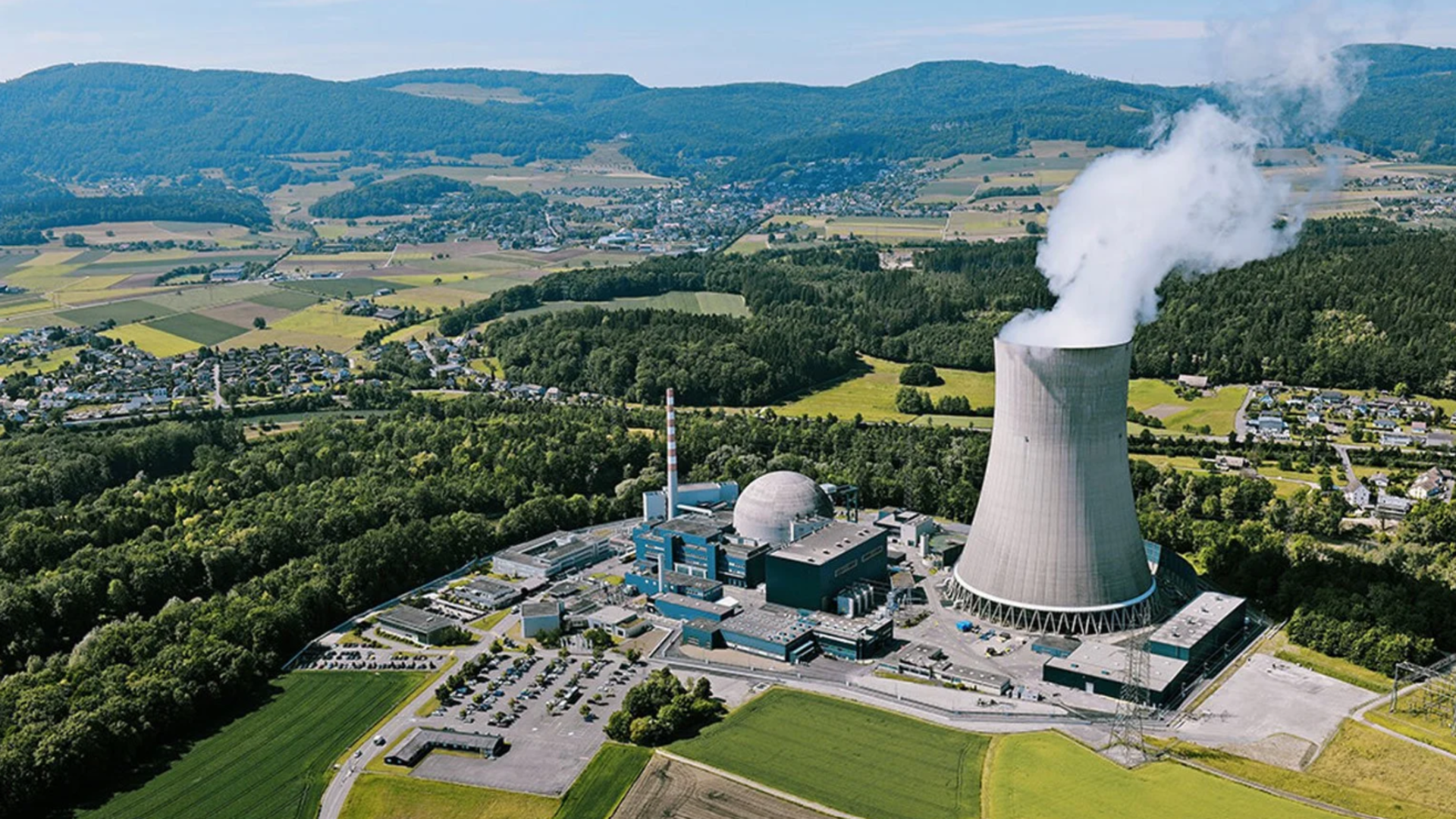
- Nvidia wants to turn Germany's retired nuclear sites into AI data centers
- Germany's nuclear shutdown leaves dozens of former power stations awaiting dismantling
- Nvidia and PreussenElektra are investigating new uses for Germany's retired nuclear facilities
Nvidia has agreed to examine whether shuttered German reactor sites could become computing hubs, though the company rules out restarting any idle units.
The US chipmaker signed a preliminary agreement with PreussenElektra GmbH (PEL), a utility from Germany, to study the idea at decommissioned locations.
The arrangement does not involve generating electricity from fission for any future facility, since the work concentrates on existing grid links and water access.
Reusing sites without reviving reactors
Following the Fukushima incident, Germany permanently closed its final operating reactors in April 2023 and is now dismantling about 30 atomic stations nationwide.
Neither company has named the sites under review, so the eight locations managed by PreussenElektra remain an assumption rather than a confirmed list.
“Our former power plant sites have valuable industrial infrastructure and offer opportunities for new, future-oriented uses,” said Guido Knott, chairman of PEL’s management board.
“Together with NVIDIA, we intend to conduct a sound assessment of whether and how these conditions can be leveraged for AI factories.”
The assessment will review grid connections, open land and industrial infrastructure to judge whether each site satisfies the strict operating requirements of AI factories.
The two companies say they will test whether the sites can meet engineering and running needs while supporting Germany's computing capacity for AI.
New data center facilities normally need well-located land, industrial zone approvals, access to water for cooling, and powerful grid connections, which former atomic stations already possess.
Nvidia hopes that reusing these locations could lower expenses and shorten development schedules compared with constructing new campuses during an unprecedented expansion of AI infrastructure.
“AI factories require access to power, land and high-capacity infrastructure, and former industrial sites could provide a strong foundation for this next generation of computing,” said Markus Hacker, senior regional director at Nvidia.
“Together with PreussenElektra, we will assess how its sites could meet the technical and operational requirements of AI factories and contribute to Germany’s high-performance AI infrastructure.”
Both companies describe the effort as exploratory, and neither has disclosed funding figures, sanctioned designs or binding building contracts, so the idea remains unproven.
Reusing atomic stations looks efficient on paper, yet neither company has shown that grid capacity at the sites matches the power appetite of AI clusters.
Approval processes for dismantled facilities, local acceptance and the cost of conversion remain unaddressed, so any savings in time or money are still speculative.
The refusal to revive reactors may ease political concerns in Germany, although the announcement does not say whether regional authorities or residents have been consulted.
