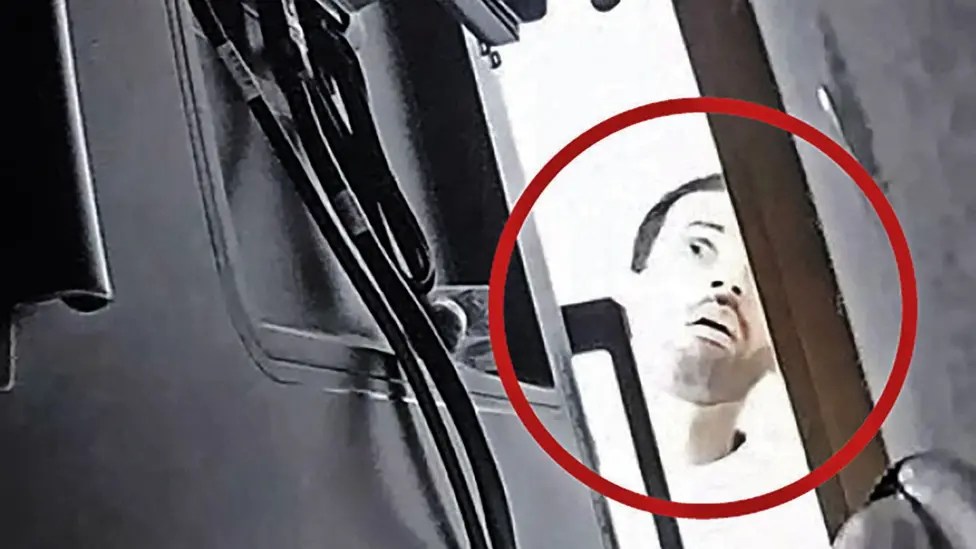
US prosecutors have arrested and charged a 35-year-old Saudi national and OpenAI engineer for allegedly planting a covert recording device inside an executive conference room at the company’s San Francisco headquarters.
The suspect, Abdulrahman Alfozan, who had worked as an engineer at the artificial intelligence firm since July 2025, was federally charged with using or endeavouring to use an electronic, mechanical, or other device to intercept oral communications.
According to the , Alfozan concealed a thumb-sized, encrypted recording device wrapped in toilet paper and plugged it into a USB port on the back of a television in an executive conference room on September 28. The meeting room regularly hosted discussions covering confidential information regarding the company’s advanced superintelligence technology. A security sweep discovered the device two days later.
Investigators allege that Alfozan stood to gain sensitive, proprietary insights into cutting-edge AI developments as companies compete fiercely for technological and strategic advantages.
Prior to planting the gadget, Alfozan and his spouse allegedly used internal AI chatbots and productivity tools to research building layouts, executive meeting room calendars, meeting capacities and technical instructions on how to “build a continuous audio recorder.”
OpenAI stated that it discovered the sophisticated device and successfully used its own internal AI models to trace its origin and identify that a specific employee had planted it. CCTV footage subsequently linked Alfozan to the room.
When security teams later searched an unattended bag belonging to Alfozan elsewhere in the building, they recovered a second, identical recording device, alongside his wallet and ID.
. The company added that, at this time, there is no indication that source code, model weights, or customer data were inappropriately accessed or exfiltrated.
Alfozan appeared in federal court following his arrest. If found guilty of the charges, he faces up to five years in federal prison, three years of supervised release, and a fine of up to $250,000.
For latest tech stories go to TechDigest.tvDiscover more from Tech Digest
Subscribe to get the latest posts sent to your email.