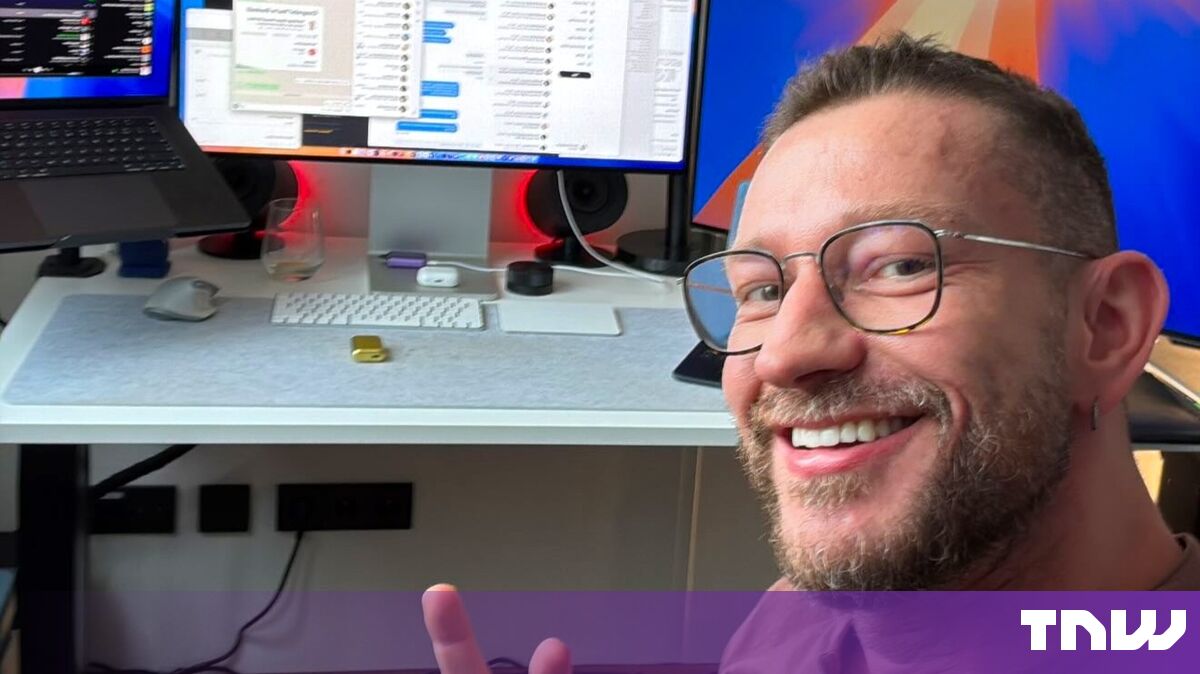
Peter Steinberger created the open-source AI agent OpenClaw and now works at OpenAI. He estimates he spent about $10M on AI tokens last month. He said so on stage at Cloudflare’s Connect conference in San Francisco on Wednesday, Thomas Claburn reported for The Register. Tokens are the units AI companies use to charge for the text a model reads and writes.
Steinberger was in a session on AI agents with Cloudflare’s chief technology officer, Dane Knecht. Knecht noted that Steinberger has said he has an almost unlimited budget for tokens.
“A virtually unlimited token budget, which not all of us in the room have,” Knecht said.
The audience reacted with surprise, according to The Register.
“What people don’t always understand is not all of that is useful,” Steinberger said.
Accenture caps its staff’s Claude spending at $29 a month. OpenAI, meanwhile, is reportedly racing to close a $30bn funding round before Anthropic’s IPO.
Agents in the cloud, agents checking agents
Steinberger said the main problem for many people is that infrastructure has not caught up yet.
“Like why is this still using my computer? Shouldn’t this all be in the cloud?” he said.
Nvidia’s new RTX Spark laptops, launched last week, are built to run AI agents locally.
Knecht asked how people should decide what data to give an agent. Steinberger said it depends partly on the model itself. Much of a model’s behaviour does not come from the code that wraps it, he said. Even with risks such as prompt injection reduced, he would not give an agent every permission.
“You want to have another agent that can give it permissions or not and then this agent has to negotiate with another agent,” he said.
He said the agents often back down or find a simpler route within the guardrails. Together, the two systems make him far more willing to let the agent work alone.
A token bill he has talked about before
Steinberger joined OpenAI in February. In a blog post at the time, he wrote that OpenClaw would move to a foundation and stay open source. He has spoken about his token use since.
“Last year I was constrained by token. Now I fixed that by joining OpenAI,” he told an agentic engineering meetup in San Francisco in June.
At Y Combinator’s Startup School in August, he was asked when AI agents will run all the time and work on their own. He said the limit is cost, because few people are willing to spend that many tokens.
“That’s not so much a tech problem. It’s more a token problem,” he said.
Knecht raised the frustration of open-source maintainers who have stopped accepting AI-written code. Steinberger said the process should change, because contributors rarely explain how they reached their code.
“If I see your thoughts, how you got from A to B, my trust in the output is way higher,” he said.
He also doubts that everyone will run hundreds of agents in a few years. He expects each person to have one intelligence that helps them through the day and may even predict what they need. Meta has said its Muse agent looks like OpenClaw because it was built that way.