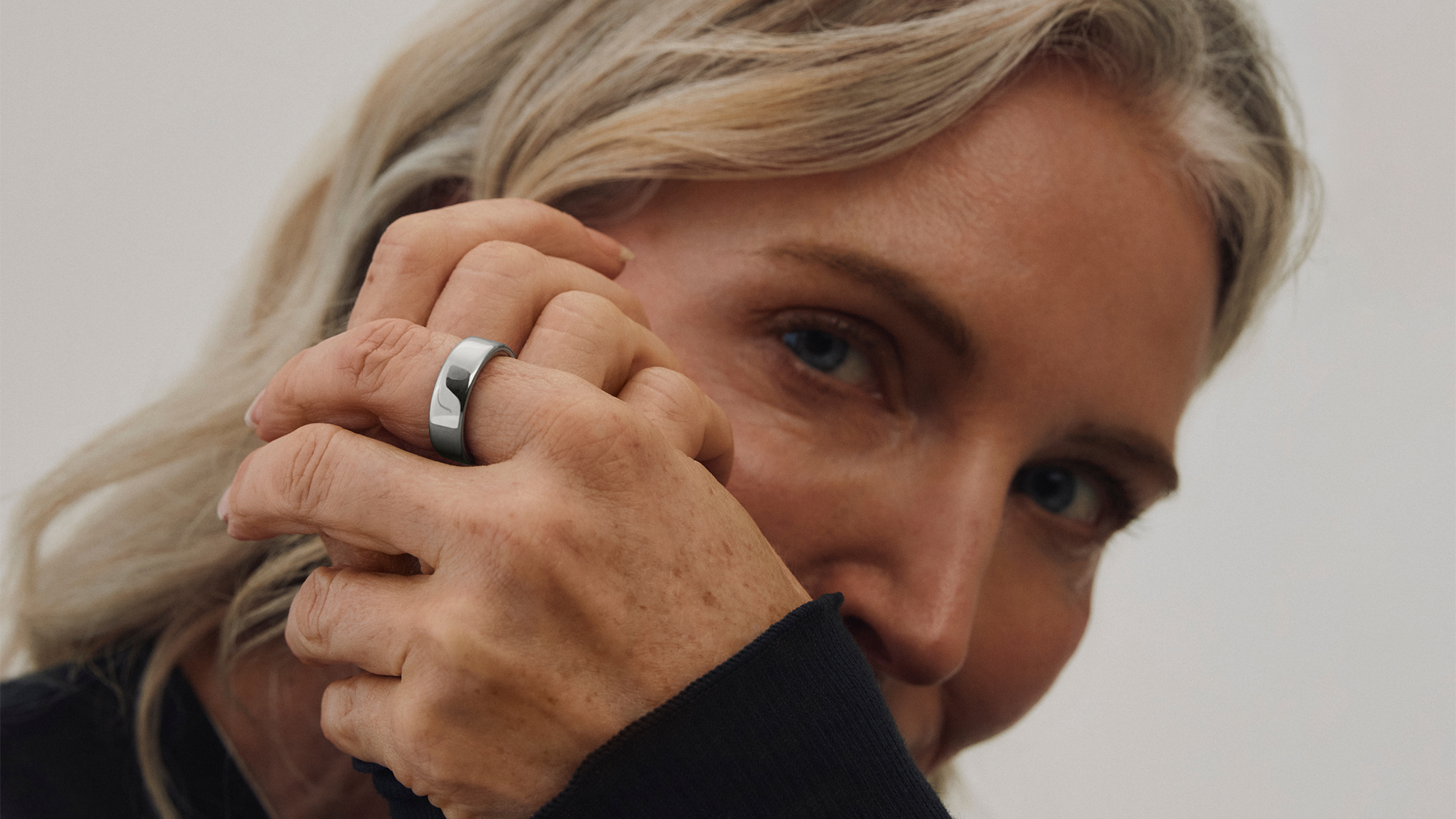
- Oura has partnered with women's precision health platform Xella Health
- Members can share sleep, HRV, temperature, and cycle data with Xella's clinicians
Oura has a new partner integration, and this time it’s a women's health platform that combines lab testing with telehealth care, dubbed Xella Health. Folks with an Oura ring in the US can now sign up to send ring data and other analysis right into Xella Health’s systems, assuming you’re subscribed to the platform.
Those subscribed to Xella Health can choose to share sleep, heart rate variability (HRV), resting heart rate, temperature trends, recovery, activity, and menstrual cycle insights — essentially all the core Oura stats. Xella then runs what it calls "multi-omic" diagnostics, using custom AI to analyze the physiologic data from Oura alongside your hormones, metabolism, inflammation, nutrition, reproductive health, and cardiometabolic risk to spot patterns that may indicate a change in your health.
This assumes that Xella already has that information, and that you’re a Xella member. If so, combining wearable stats with Xella’s in-depth health metrics might shed light on changes with Oura readings, such as why a Readiness or Sleep score is fluctuating.
From there, Xella’s AI creates a care plan with a doctor, which can include treatment for more than 130 conditions that impact women, such as endometriosis and PMOS. The integration with Oura enables Xella and its doctors to keep an eye on your Oura trends as care continues to catch any significant changes in your health. The partnership between Oura and Xella is targeting fertility, perimenopause, cardiometabolic health, hormonal health, and women's longevity.
"Wearables have transformed our ability to detect physiologic change," Kelly Lacob, CEO and co-founder of Xella Health, said in a statement. "By combining continuous data and insights from Oura with Xella's molecular diagnostics and clinical care, we're creating a more complete picture of women's health."
It's worth noting that Xella is a separate, paid membership on top of Oura that requires an annual fee of $499. Women in all U.S. states, except New York and New Jersey, can sign up to integrate with Xella and go through the process. Of course, an Oura Ring 5 starts at $399 and has a monthly cost of $5.99, but it’s also not a medical device; it's a smart wearable without a screen.
Pairing wearables with lab testing is becoming a battleground for the premium screenless crowd. One of Oura's biggest competitors, Whoop, has opened its blood-testing and cancer-screening service to non-Whoop owners, and Oura has already partnered with women's health app Natural Cycles.
Xella gives Oura a clinical, women-focused answer to Whoop's approach.

Jacob Krol is the US Managing Editor, News for TechRadar. He’s been writing about technology since he was 14 when he started his own tech blog. Since then Jacob has worked for a plethora of publications including CNN Underscored, TheStreet, Parade, Men’s Journal, Mashable, CNET, and CNBC among others.
He specializes in covering companies like Apple, Samsung, and Google and going hands-on with mobile devices, smart home gadgets, TVs, and wearables. In his spare time, you can find Jacob listening to Bruce Springsteen, building a Lego set, or binge-watching the latest from Disney, Marvel, or Star Wars.