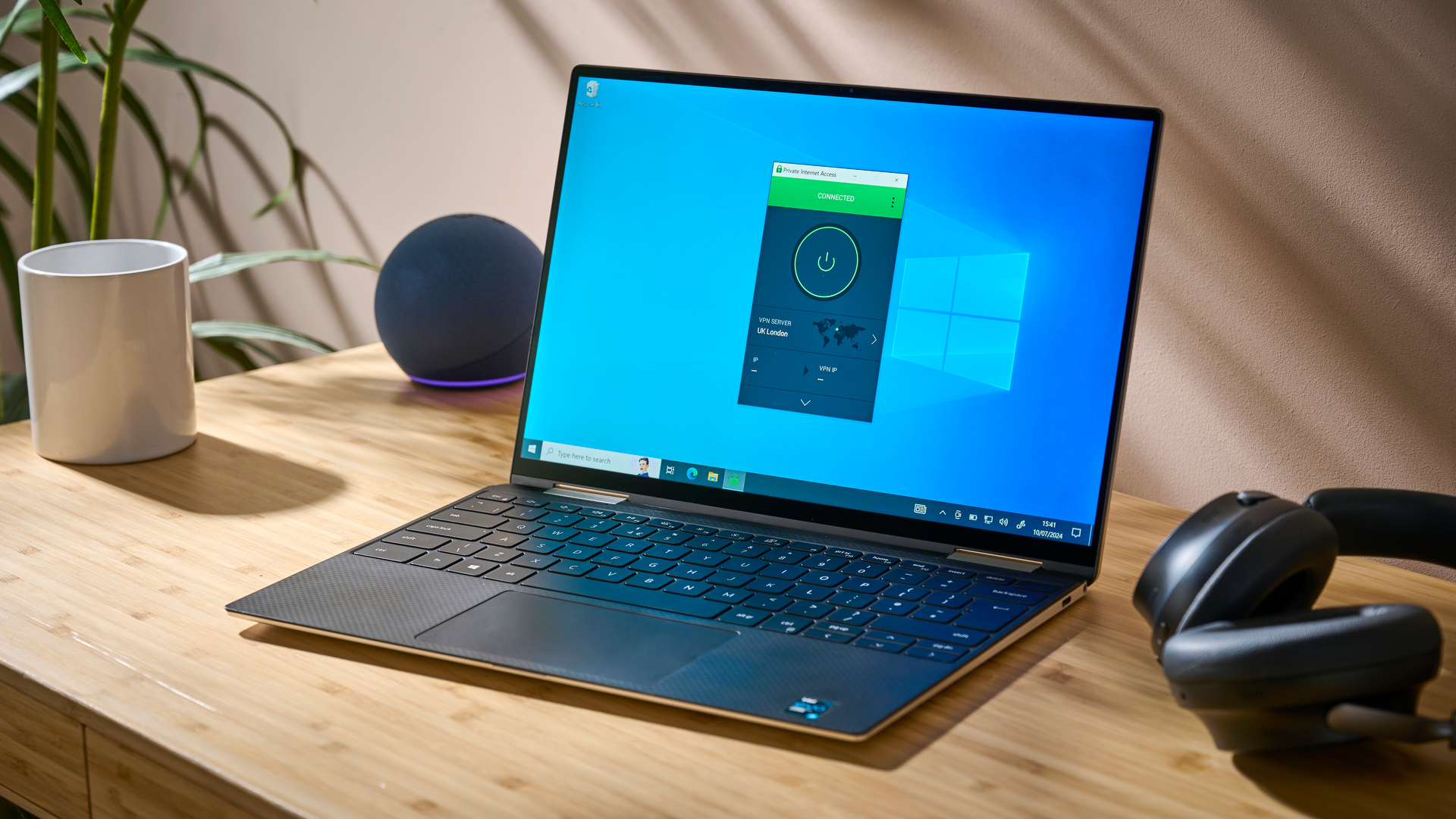
Private Internet Access (PIA) has released the v3.8.0 update for its eponymous VPN, which the company says could boost Windows connection speeds by more than 200 per cent.
The update makes WireGuard the default protocol on all platforms, replacing OpenVPN, and updates Windows clients to use the WireGuard-NT 1.1 kernel driver.
In the patch notes, PIA says this driver can boost ‘WireGuard speeds by more than 3x on higher-bandwidth systems’.
Compared to OpenVPN, WireGuard is a more modern and less CPU-intensive protocol, making it a great all-purpose VPN for multiple device types. It's also faster than OpenVPN on average
Though PIA previously offered WireGuard as an optional protocol, it used OpenVPN as standard. Making WireGuard the default gives users quicker access to a faster connection in most circumstances.
Many everyday users use their VPN of choice for video streaming or moving files securely, so connection speed can be the difference between choosing one VPN over another.
OpenVPN remains available as an optional protocol, which will be welcome news for businesses and large networks that rely on its well-developed infrastructure.
For Windows users, the update adds the OpenVPN DCO kernel driver, which can boost connection bandwidth by up to 100 per cent depending on your system and connection specs.
As mentioned, OpenVPN is typically slower than WireGuard, so anything that boosts connection strength or speed is a welcome addition.
Improving more than speeds

The update also adds the AmneziaWG protocol to Linux and macOS, making it possible to obfuscate VPN use.
While most consumer VPNs disguise your web traffic, obfuscation means disguising the fact that you’re using a VPN. This is useful for getting around VPN blockers in regions or environments that restrict VPN use.
The addition of AmneziaWG means Linux and macOS users can hide their VPN use if necessary while retaining the benefits of WireGuard, namely fast connection speeds and light resource usage.
Users can activate the Amnezia protocol by heading to the Protocol page, selecting WireGuard, and switching on Obfuscation.
Finally, the update patches a macOS bug that left the app hanging if split tunnelling system extension setup was left incomplete in the system settings.
PIA hasn’t always been the best for regular updates and expansions, but recently the Colorado-based firm has issued a string of useful updates, from expanding its server network to adding an F-Droid app for de-Googled Android users.
Most recently, PIA added 10 new locations to its server network across the Americas, Middle East, Africa, and Australia.
As well as the security and privacy updates we’d expect to see from all VPNs, we’re always on the lookout for feature updates and network improvements when it comes time to put together our lists of the best VPNs on the market.
A better update cadence gives PIA a better chance of holding onto its spot as one of the best cheap VPNs you can buy.