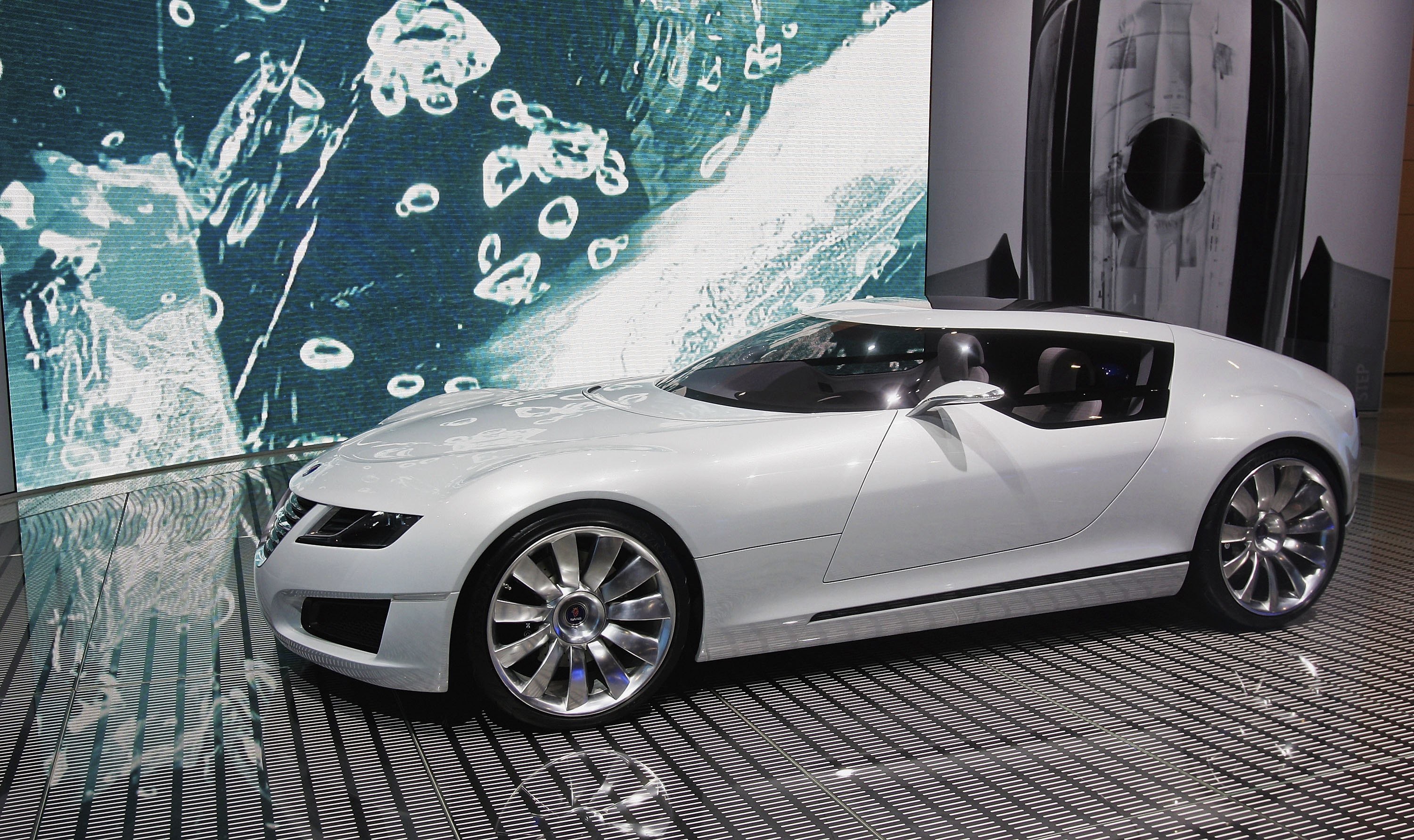
The shape looks like a Saab Aero-X, but the nose previews the next Polestar 2.
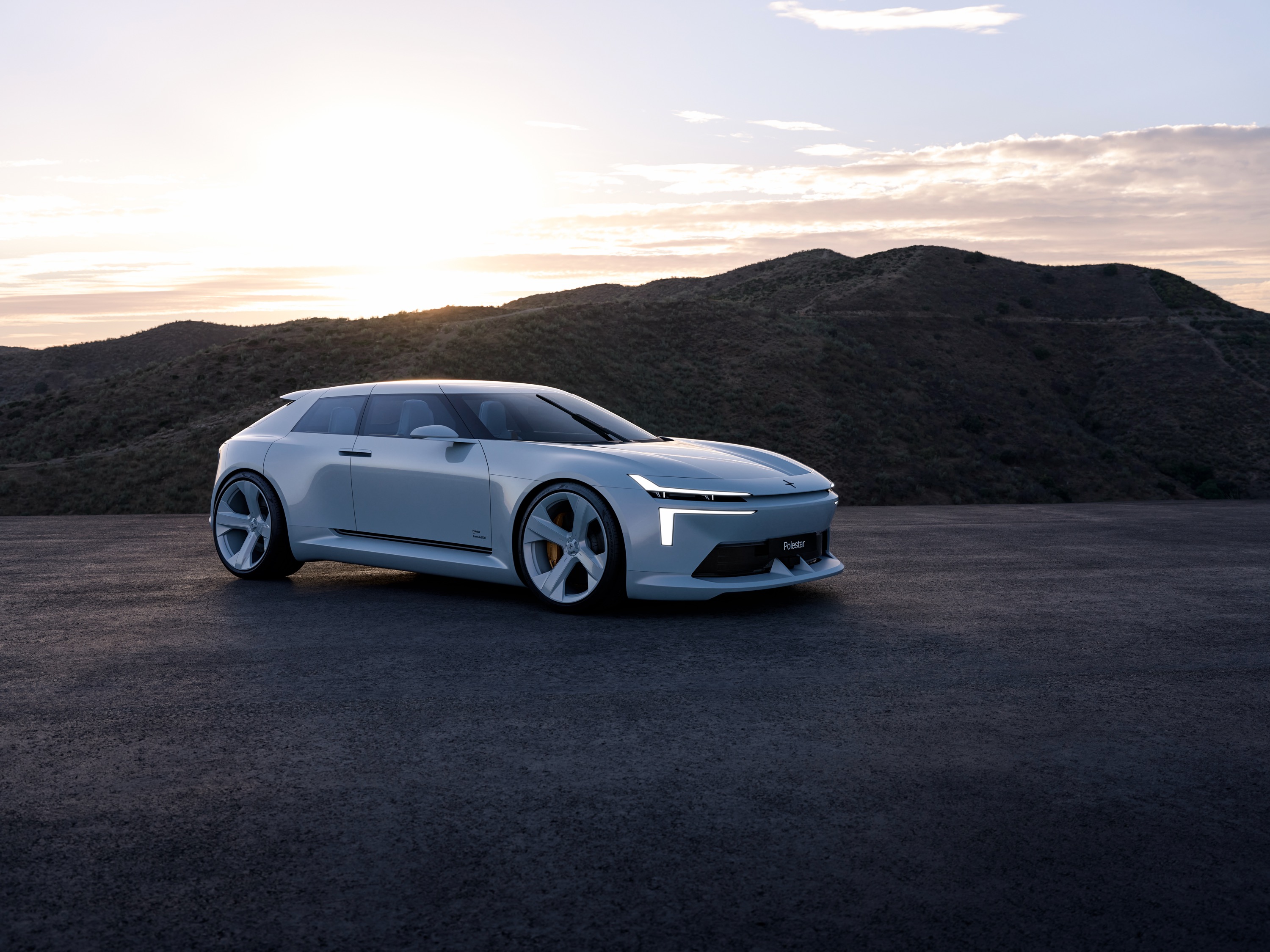
Perhaps only a small percentage of Ars readers will care about the Polestar 2030 concept, debuted today by the electric automaker. Spun out of Volvo—once upon a time, Polestar was a racing team—the brand has leveraged the resources of parent-automaker Geely to create electric vehicles that marry a modern minimalist style with rewarding driving dynamics. But you now can’t buy any Polestars in the US, since Geely is Chinese, and banning Chinese-owned car brands enjoys remarkable bipartisan support in Congress.
The Formula 2030 is about the same length as a Polestar 2 but with a very low roofline. If anything, the two-box shape reminds me of the Saab Aero-X, one of the final concepts from the then-terminal Swedish automaker. (In many ways, Polestar has adopted Saab’s mantle.)
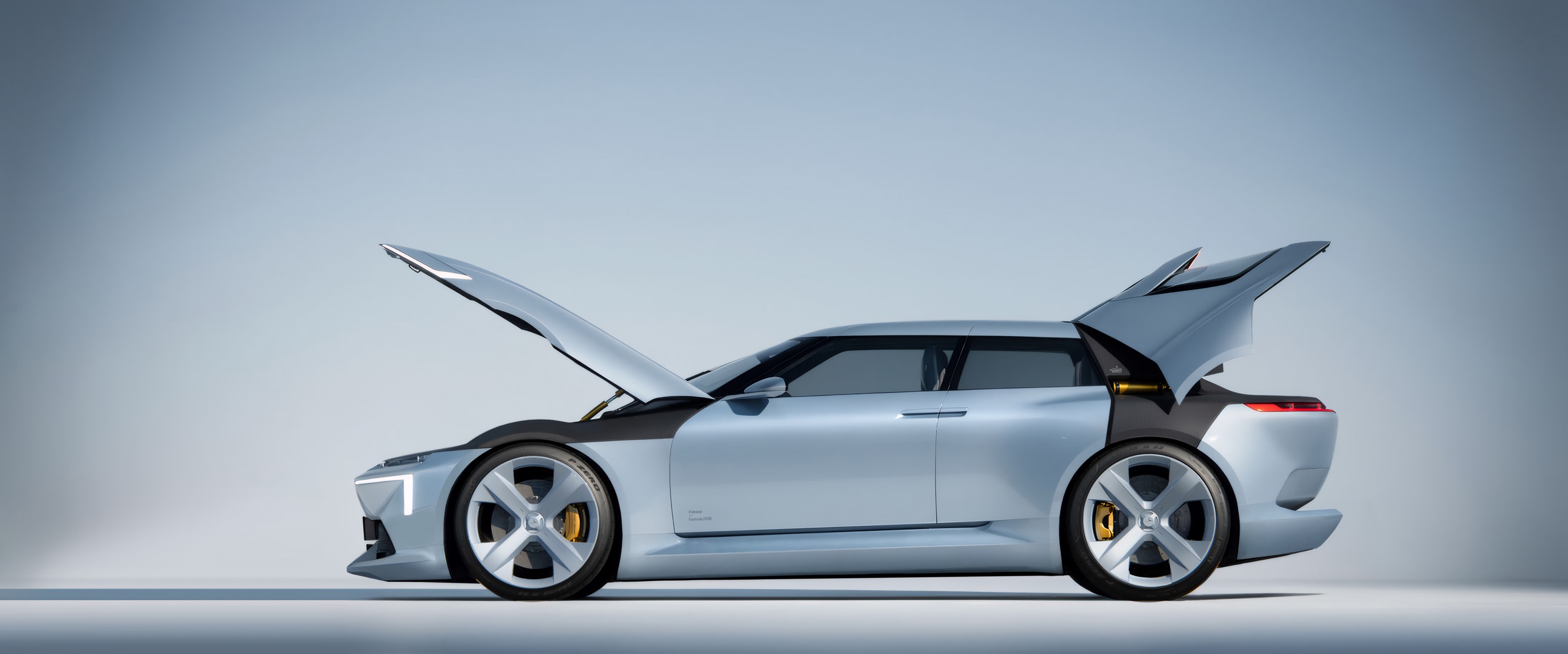
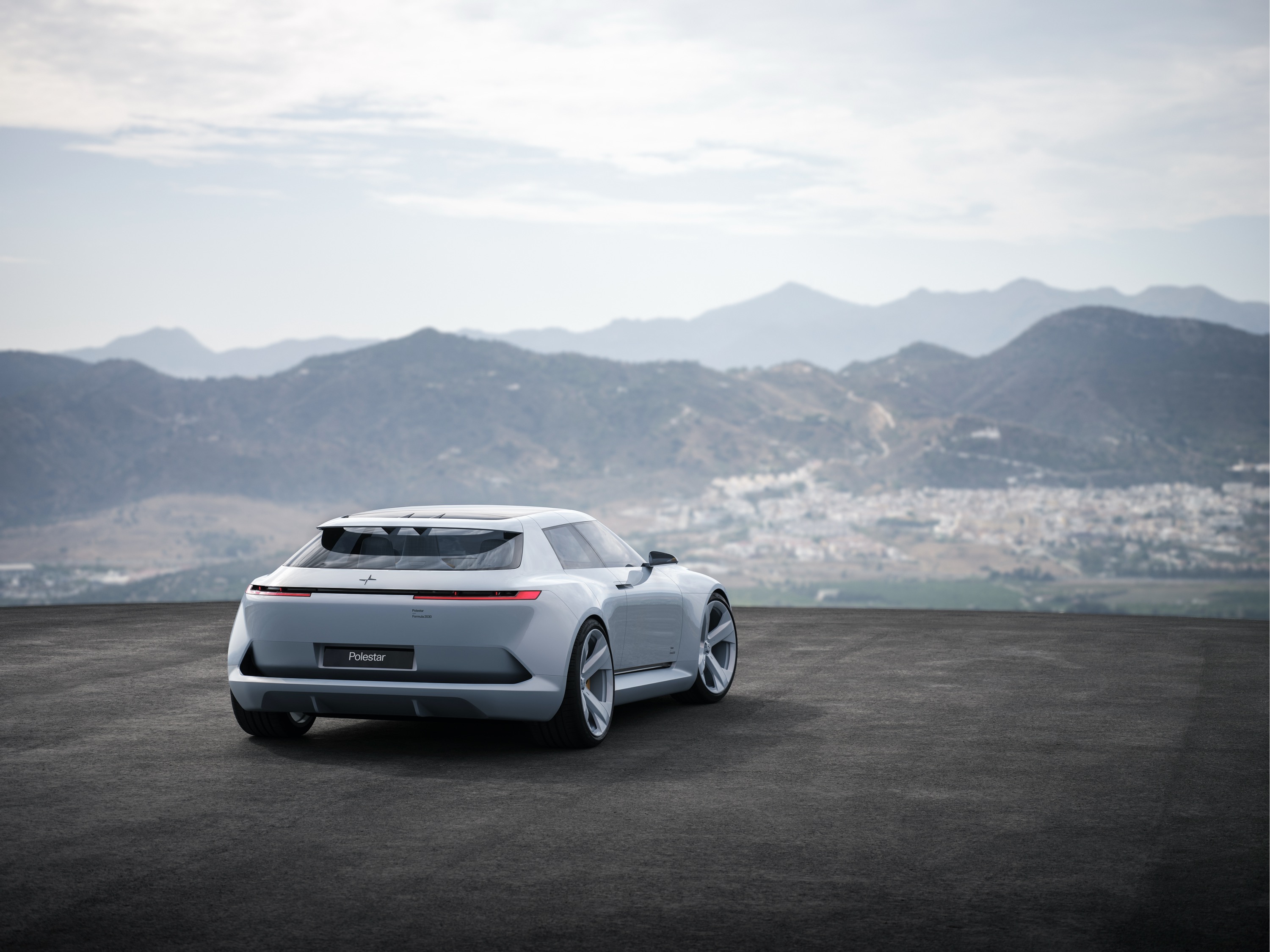
Polestar says the concept fits into its own segment somewhere between the next Polestar 2 and the Polestar 7—it numbers its cars chronologically (mostly), not based on size—although it’s not saying if the hatchback form factor will go into series production. Successfully packaging the rear seat passengers and a lithium-ion battery pack is something a concept needn’t worry about, after all. Rather, it’s a styling exercise, or more than one.
The nose is a good preview of the next Polestar 2, and the rear light signature will show up on production Polestars. “We wanted to evolve, while respecting, the core design values we demonstrated with previous models that define the Polestar brand in such a recognizable way,” said Nahum Escobedo, head of exterior design at Polestar.
“And with Formula 2030, with its clear Polestar design attributes, like the Dual Blade headlights, wraparound visor-like windshield, and powerful haunches, we have done just that. But we’ve pushed perceptions, preconceptions, and the expected as well, with our considered choices in form language, amplification of the performance topic, and new detailing, like the Single Blade rear lights,” Escobedo said.
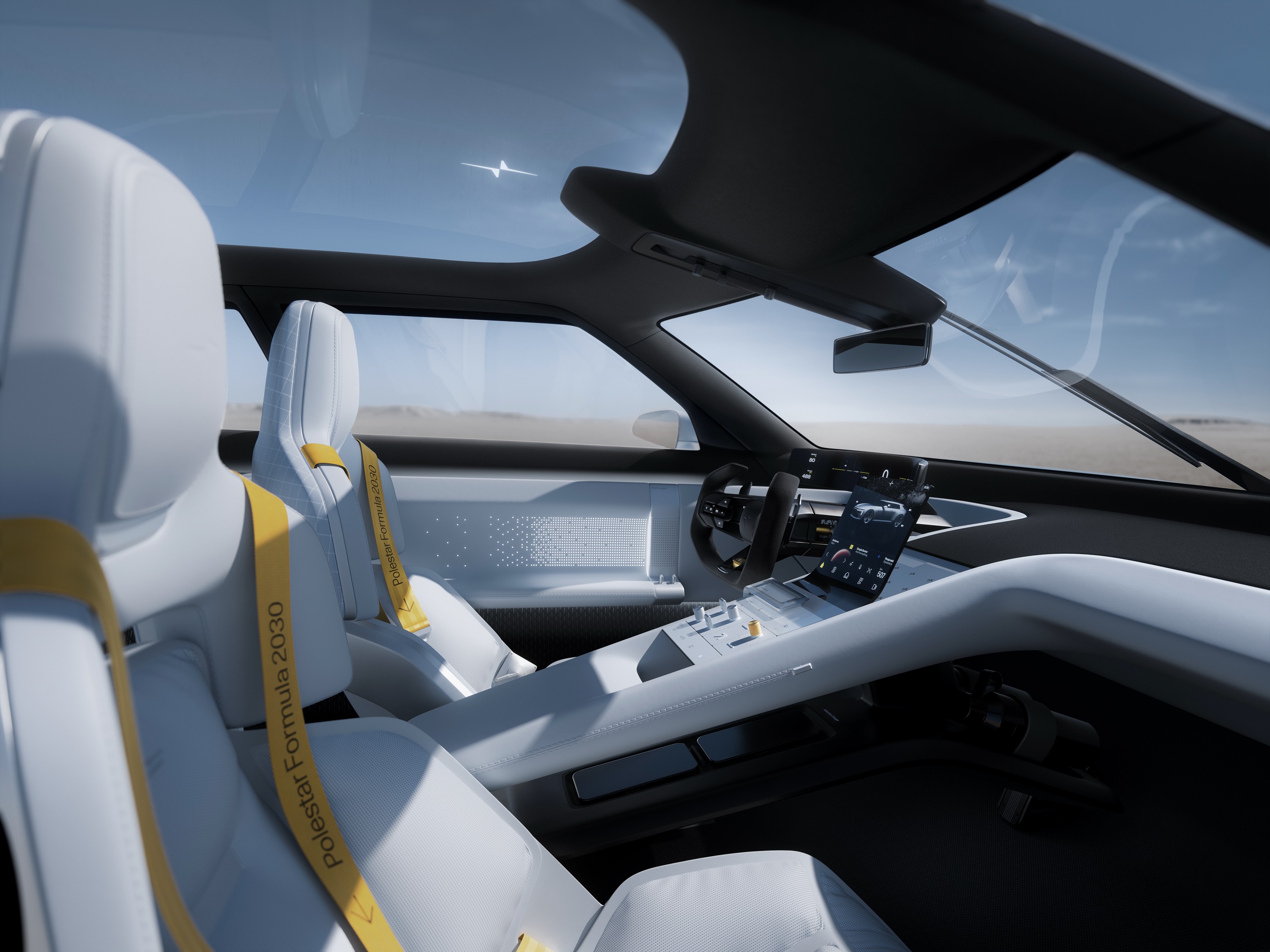
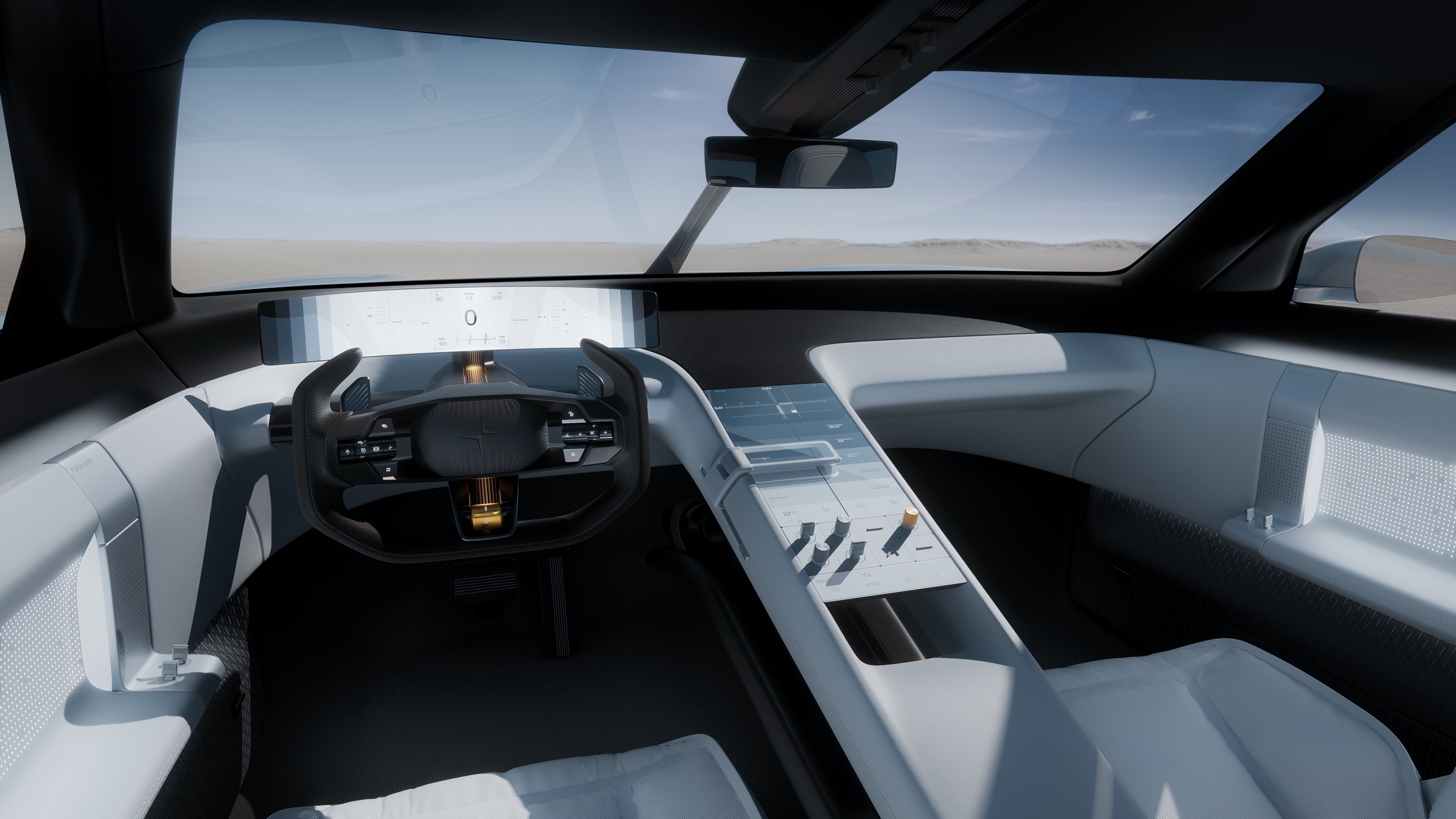
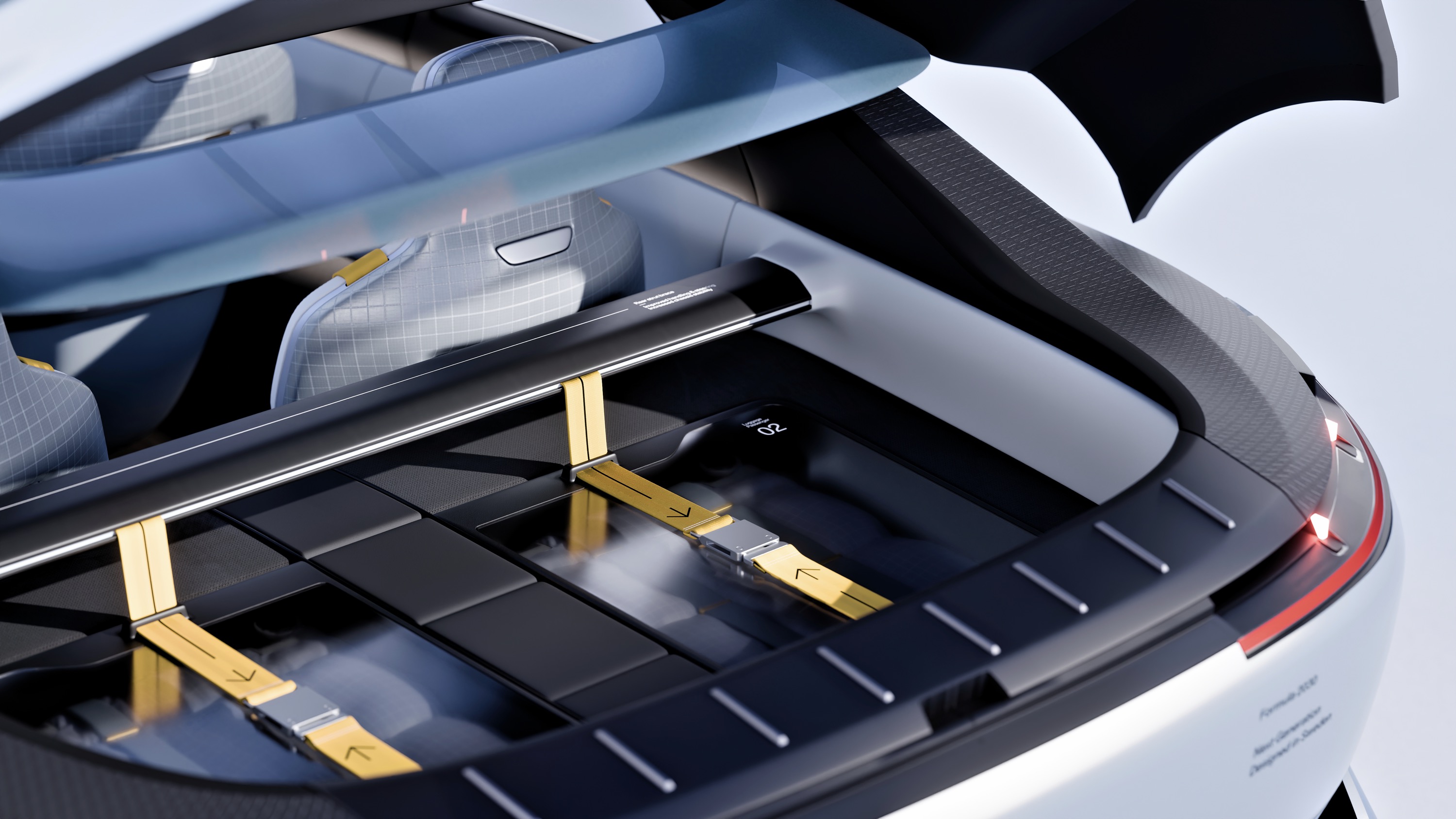
Polestar says the four-seat interior pushes its usual minimalism even further. But the end result has avoided the bland fate suffered by the recent Range Rover GT concept, for example. Even though Polestar is committed to developing autonomous driving technology, for manual modes it has added physical controls—rocker switches and rotary controllers, with a user-configurable UI. That’s a new thing for Polestar.
You can’t really tell from the photos, but the Formula 2030 concept explores some sustainability ideas as well. Like BMW’s I Vision Circular, the Formula 2030 was designed using monomaterials and with recycling in mind where possible. The interiors of the doors are fully recyclable, there’s low-emission steel in the chassis, and biocomposites in place of traditional plastics.