Building a fusion power plant takes more than getting the physics right. It also means securing thousands of kilometres of specialised materials and the equipment needed to heat and fuel the plasma, years before the machine is ready to run.
Munich-based Proxima Fusion is working on that supply chain through two new agreements with Japanese companies.
The memorandums of understanding were signed in Tokyo on Wednesday, during German Chancellor Friedrich Merz’s visit to Japan.
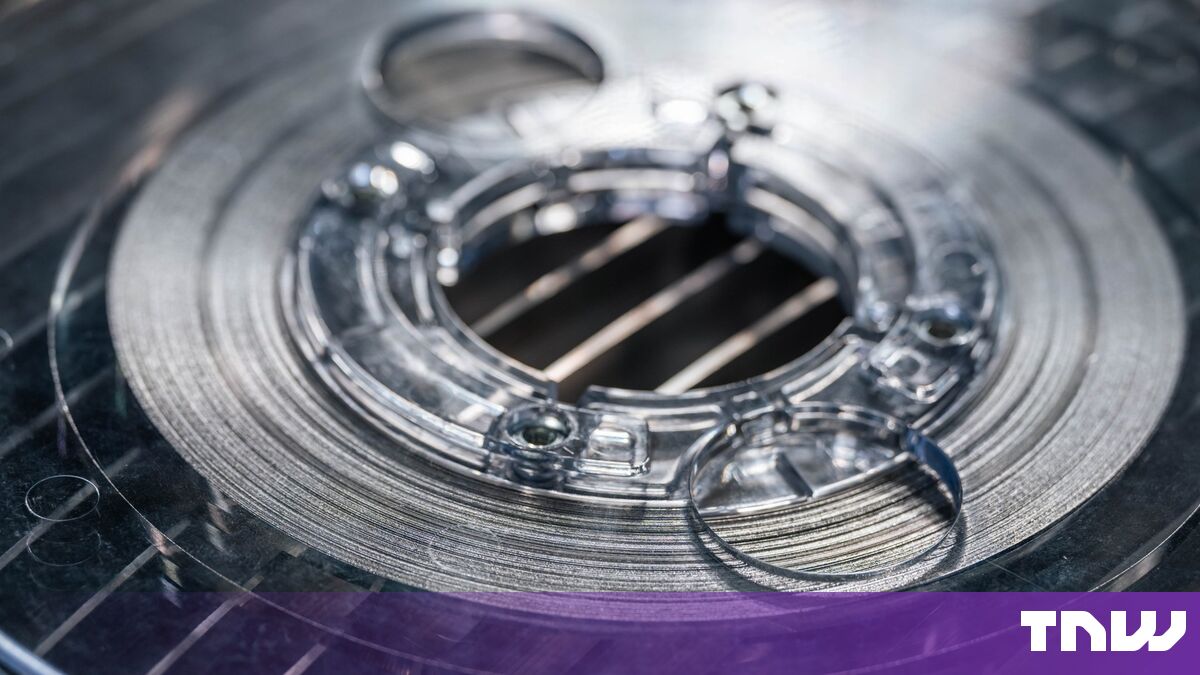
One agreement, with cable and optical fibre manufacturer Fujikura, covers high-temperature superconducting (HTS) tape. The companies will study the feasibility of building a factory in Lower Saxony, Germany, to produce it.
The second, with Kyoto Fusioneering, covers equipment for heating and fuelling the plasma inside a fusion machine.
Neither agreement is a firm order or a commitment to build. But together, they show how early fusion developers must secure critical components if they want to move from experimental machines to power plants.
Proxima is developing stellarators, which use twisted magnetic fields to confine plasma heated to extreme temperatures. The magnets rely on HTS tape, a material that carries electricity without resistance when cooled and can operate in very strong magnetic fields.
The company expects to need around 20,000 kilometres of tape for Alpha, its planned test machine, due in the early 2030s.
Each commercial Stellaris power plant that follows would require about 40,000 kilometres, the company said.
Fujikura is already supplying the fusion industry. Last month, US company Commonwealth Fusion Systems ordered more than 10,000 kilometres of tape from the Japanese manufacturer, reported.
Kyoto Fusioneering will work with Proxima on gyrotrons, which use powerful microwaves to heat plasma, as well as the fuel cycle that manages the hydrogen fuel used in fusion reactions.
The Japanese company will also bring its technology to Germany’s national Fusion Hubs programme, launched by the research ministry this year with €125 million in initial funding.
“The global race to fusion will be won in factories and supply chains,” said Francesco Sciortino, Proxima’s CEO and co-founder.
Germany wants to host the world’s first fusion power plant, and Proxima is one of the companies at the centre of that ambition.
Spun out of the Max Planck Institute for Plasma Physics, the startup raised €411 million in July at a valuation of €2.4 billion, according to the institute. It employs around 200 people.
The agreements also reflect a broader European push to build strategic technology and manufacturing capacity closer to home. Infineon is investing €1.1 billion in a chip plant in Austria, while access to electricity has become a major constraint for European AI data centres.
For Proxima, the task now is to turn these preliminary agreements into a reliable supply chain. Its first test machine is still years away, but the industrial groundwork has to start well before then.