- A source at a major Chinese chip maker says the firm "expects the global memory shortage will last for at least another three years"
- The cloud giants in the US are providing the increased demand that's pushing up Q4 pricing
A source at one of the big Chinese memory chip makers has warned that the firm anticipates the RAM shortage will last through until the end of the decade — and we've heard some gloomy nearer-term news from TrendForce, too.
This cites an employee at YMTC in China who said that the company "expects the global memory shortage will last for at least another three years". YMTC has just pushed up pricing for its chips, the source says — to no one's surprise — and is shifting its production towards chips with a higher profit margin.
Jukan ties this specifically to NAND production — for SSDs — but the quoted comment refers more broadly to the memory crisis (meaning RAM sticks as well). As TweakTown points out, though, the purported impact on SSDs is particularly relevant seeing as YMTC is now the third biggest global NAND chip supplier behind only Samsung and SK Hynix.
Speaking of TrendForce, Jukan also flagged a new report from the company that labels DRAM supply as 'very tight', noting that: "Suppliers' early-stage discussions on 4Q26 contract pricing point to meaningful price increases, suggesting strengthening demand momentum, particularly from US CSPs."
In other words, the big cloud service providers (CSPs) are the main force behind the increased demand that's pushing fourth-quarter RAM pricing to meaningful price hikes.
Analysis: negative chatter continues to align
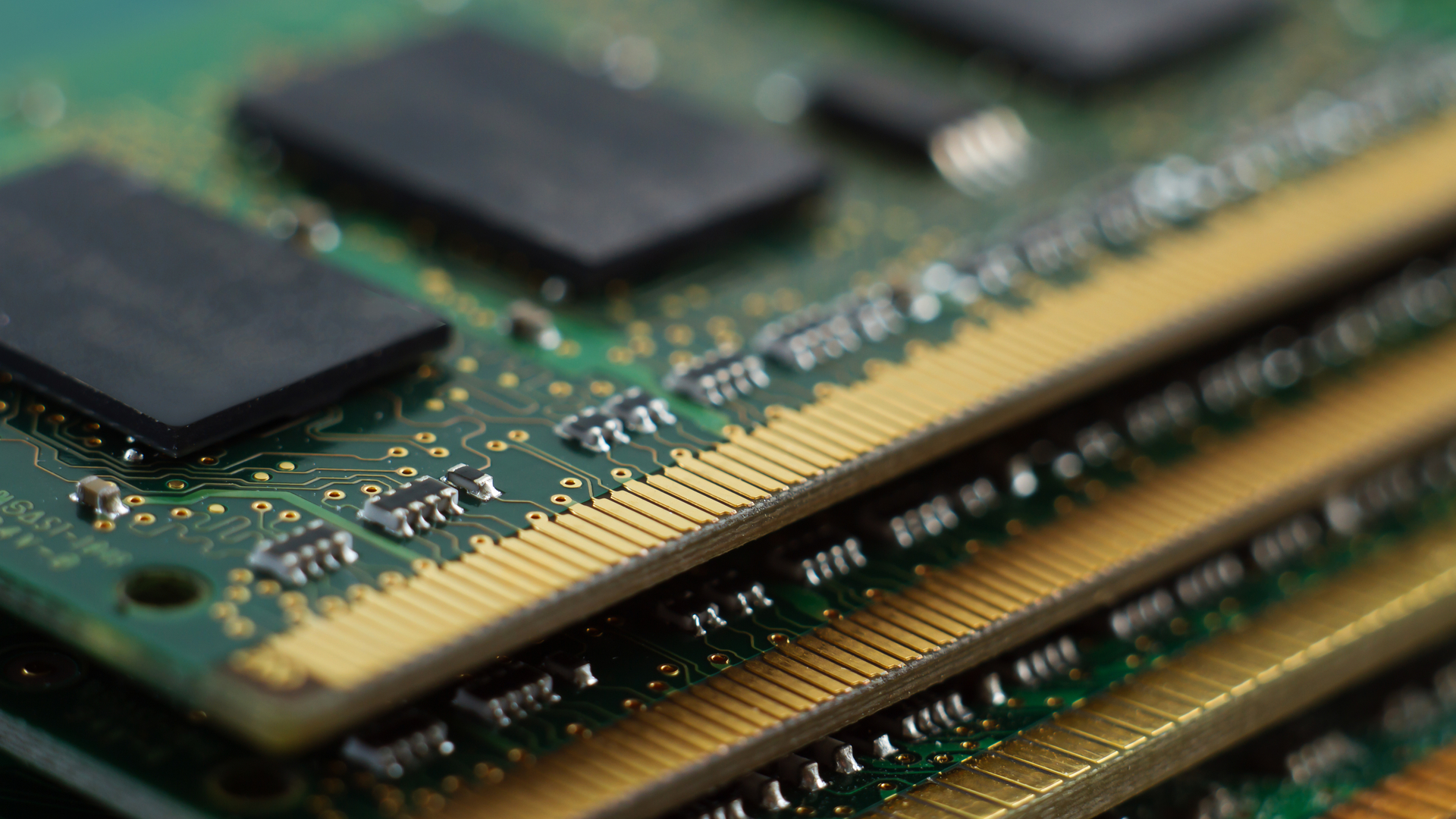
'Meaningful' price rises for RAM sounds ominous, mainly because memory pricing has already risen painfully over the last few months. If you recall, going by the German market, DDR5 memory is a ridiculous 544% up on the price it was before the RAM crisis began — so the thought of further increases feels, well, even more ludicrous. But here we are.
We can seemingly expect SSDs to get more costly as well, going by the leak from YMTC, although it's worth noting that it's in the company's interest to talk up its future prospects and profits (as it heads into an IPO). That said, this isn't an official statement, but a leak (though it could have been intentionally leaked, cynics would doubtless argue).
The fact of the matter is that more memory-related misery is believable enough these days, as all predictions are very much slanted towards more price hikes for the remainder of 2026 and into 2027. The view that we have at least another three years of this crisis to weather — taking us all the way to 2030 — is one also shared by other analysts and industry figures, including Nvidia's CEO (and those in the world of SSDs).

Darren is a freelancer writing news and features for TechRadar (and occasionally T3) across a broad range of computing topics including CPUs, GPUs, various other hardware, VPNs, antivirus and more. He has written about tech for the best part of three decades, and writes books in his spare time (his debut novel - 'I Know What You Did Last Supper' - was published by Hachette UK in 2013).